Transnational Networks and Local Challenges: Iraqis in Cairo
Originally posted March 2010
It is estimated that over four million Iraqi refugees have fled to neighboring countries in the region since the 2003 war began. While migration continued after the war, the peak of this influx was witnessed particularly in and after 2006 due to the acceleration of violence in central and southern Iraq. More particularly, the majority of these refugees fled due to direct threats to their lives and their immediate families.
This Commentary first appeared as an op-ed in the The National, March 14, 2010.
Iraq’s parliamentary elections have just concluded, but the major political battles are about to begin. At stake is what kind of country Iraq will become. Will Iraq’s progress toward greater stability continue? Will it look east towards Tehran for support and encouragement, or to the United States and its fellow Arabs? The stakes are high, and no one can afford to remain uninterested while Iraq continues its dramatic political evolution.
The Middle East Institute is proud to host Kandahar-based writers and researchers Alex Strick van Linschoten and Felix Kuehn for a discussion about the state of the Taliban in Afghanistan and the current situation in Kandahar. Strick van Linschoten and Kuehn translated and edited My Life with the Taliban, an account of the inner workings of the organization from the perspective of former Taliban minister and ambassador to Pakistan, Mullah Abdul Salam Zaeef, who was arrested following the overthrow of the Taliban and spent four years in Guantanamo Bay.
Beyond Iraq’s National Elections: Planning a New Phase in American Policy
This Commentary is an adaptation of a longer piece published by the Institute for the Theory and Practice of International Relations at the College of William and Mary on February 25, 2010.
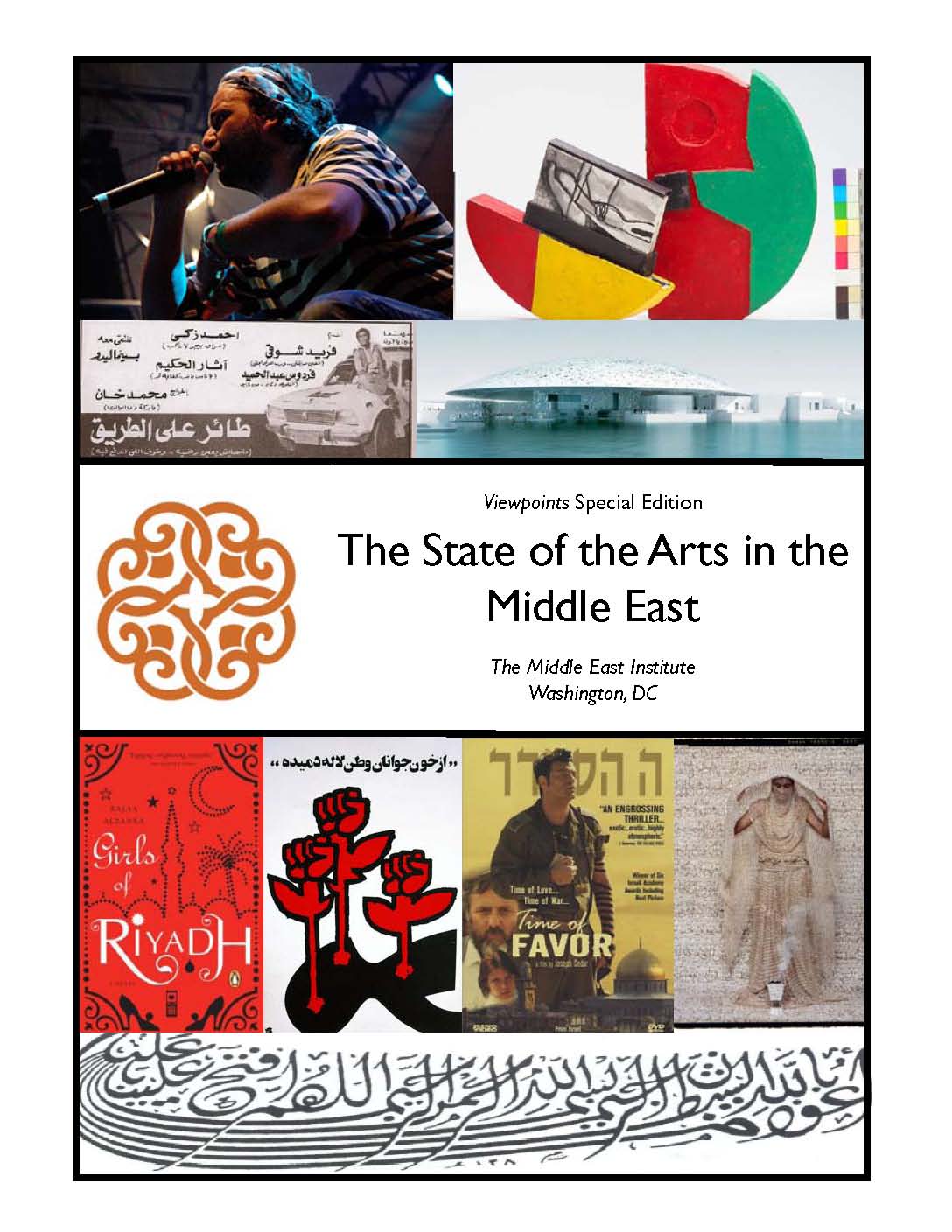
Writing on Culture: The Missing Factor in Discussions on the Middle East
The Middle East Institute is proud to host MEI scholar Andrea Rugh for a discussion about Middle Eastern culture and her most recent book, Simple Gestures: A Cultural Journey Into the Middle East. Since US involvement in Iraq and Afghanistan, the importance of culture has become all too clear. Yet, although most scholars agree on its importance, few address culture in ways that provide better understanding to audiences who might benefit, such as policy makers, the media and the American public.
In his book From My Memories, Khaled Sediq recounts the following incident from the mid-1960s regarding a visit by him and some other members of his family to Mohammad Zahir, King of Afghanistan from 1933 to 1973:
Finally, after uttering some conventional statements, such as, Afghanistan belongs to you and you belong to Afghanistan, he also added: ‘Even though unpleasant events have happened, yet, I have forgotten about them, you, too, try to forget.’[1]
From Identity Crisis to Identity in Crisis in Afghanistan
When social order is politically disturbed in a society like Afghanistan, inter- and intra-group dynamics set forces in motion that cannot be harnessed once unleashed. While group dynamics dictate, for instance, that majorities behave as an integrative and cohesive force as their sense of loyalty lies in the wellbeing of the collective whole, a minority’s interests may on occasion diverge in the pursuit of greener pastures across the fence, allowing themselves to be used as vulnerable pawns by others.
Kurdish issues have been an important part of the myriad political and socioeconomic problems that have preoccupied the Islamic Republic of Iran since its inception. The Kurdish factor has also been an important determinant of Iran’s regional foreign policy in the past three decades. Shortly after the onset of the Iran-Iraq War of 1980-1988, the Iraqi government began to woo the Kurdish Democratic Party of Iran (KDPI) as potential leverage in its war effort.
Social Change Amidst Terror and Discrimination: Yezidis in the New Iraq
Originally posted August 2008
On August 14, 2007, in the largest single terror attack during the war in Iraq, over 350 Yezidis were killed and two entire villages completely destroyed, leaving over 1,000 families homeless. The two villages, Qahtaniya and Jazeera are located in the Sinjar Mountains, an area in northwestern Iraq that is hotly contested by Sunni Arab insurgents, Kurdish peshmergas, US-led coalition forces, and several minority groups.