Saudi Arabia is a Sunni-majority state and home to a significant Shi‘i minority, most of whom live in the Eastern Province. The Shi‘a there are mainly of the Twelver sect, which is also the major Shi‘i sect in Iran, Iraq, Kuwait, and Bahrain. The Eastern Province Twelvers are not the only Shi‘a in Saudi Arabia—there are sizable communities of Twelvers in Medina and Isma‘ilis in Najran—but it is they who sit at the center of the Shi‘i political movement in the kingdom.
After more than four years of war, former U.S. Ambassador to Syria Robert Ford sees a fragmented country emerging, with six or more fluid and shifting zones of control:
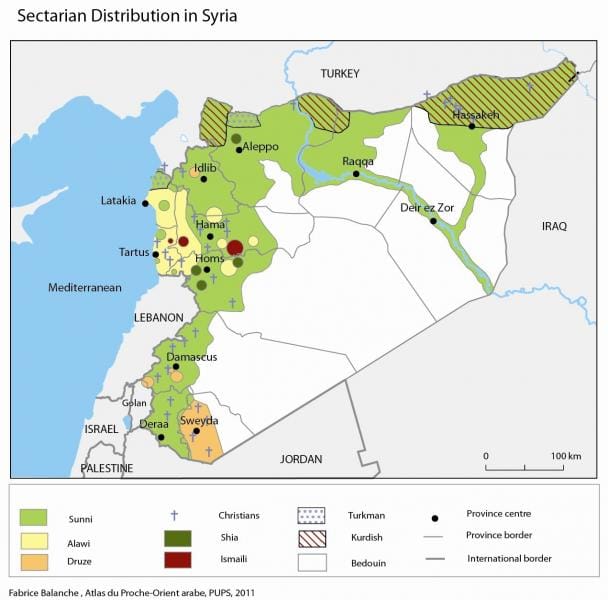
**An Alawi/Hezbollah-controlled area along the Lebanese border and the Mediterranean coast, backed by Iran and Russia;
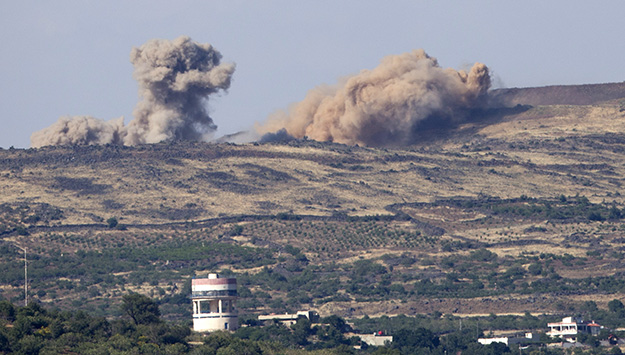
On June 22, members of the Druse minority in the Israeli town of Hurfeish threw rocks at an ambulance believed to be transporting wounded Syrian Jabhat al-Nusra rebels to medical care in Israel. The following day, a similar incident in the occupied Golan Heights resulted in the killing of one wounded rebel, also of Nusra.
Wringing Our Hands and Endless Bombing Won’t Help Us in Syria
Three months ago CIA Director John Brennan told a Congressional panel that the administration fears the fall of the Assad government in Damascus, as it could lead to “Islamist extremists, including the Islamic State, Jabhat al-Nusra, and al-Qa‘ida elements within Syria to seize power from a collapsed regime.” I heard similar fears during a Congressional hearing I attended June 17.
In the unending panorama of violence that is today’s Middle East, one hopeful note emerged earlier this month with a low-key announcement from Saudi Arabia that drew scant attention from the American news media.
King Salman appointed a military officer, Gen. Thamer al-Sabhan, to be the kingdom’s first resident ambassador in Baghdad since Iraq invaded Kuwait in 1990.
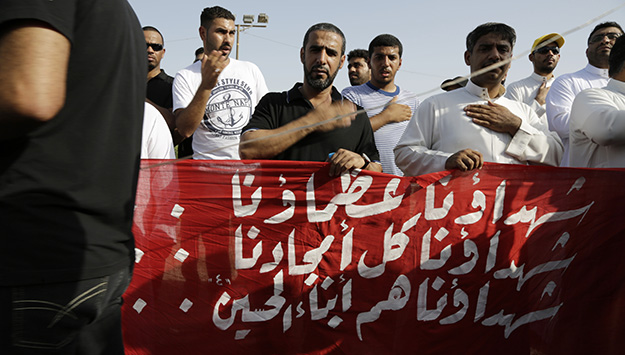
The terrorist group known as the Islamic State (ISIS) has its eyes set on Saudi Arabia. Months of threatening to conquer “The Land of the Two Holy Mosques” culminated in an audio message in mid-May delivered by the leader of the group, Abu Bakr al-Baghdadi, in which he referred to Saudi Arabia’s government as “apostate leaders.” Since then ISIS has begun carrying out terrorist attacks inside the Kingdom. Two weeks in a row, individuals affiliated with ISIS have conducted suicide attacks against mosques in the Eastern Province, where the majority of Saudi Shi’a live.
Deradicalization Programs in Saudi Arabia: A Case Study
This paper is part of a series, titled “Understanding Deradicalization: Pathway to Enhance Transatlantic Common Perception and Practices.” Click here to view the full series, or navigate using the table of contents to the right.
Negotiating Yemeni Peace: Deep Divisions and Hard Realities
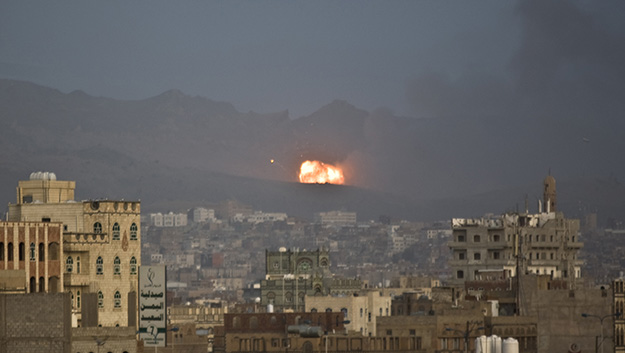
After initially rejecting the UN call for talks, the Saudi-backed Abdu Rabbu Mansour Hadi faction reversed its position and agreed to meetings in Geneva on June 14.
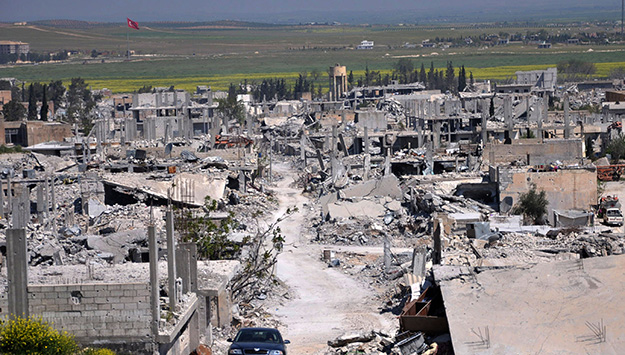
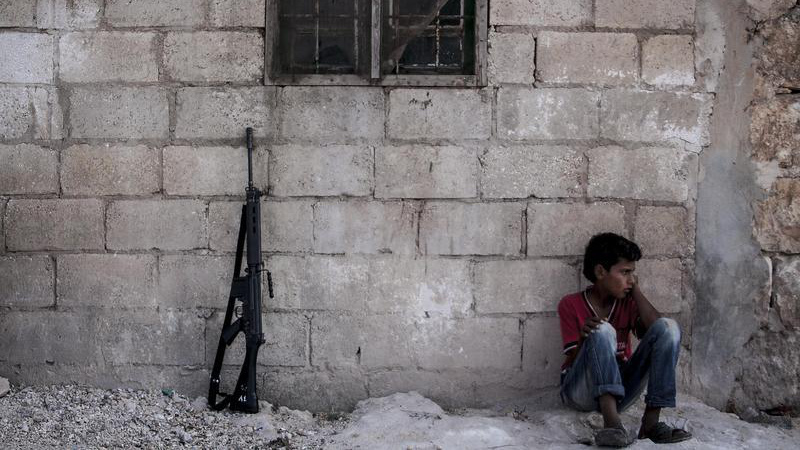
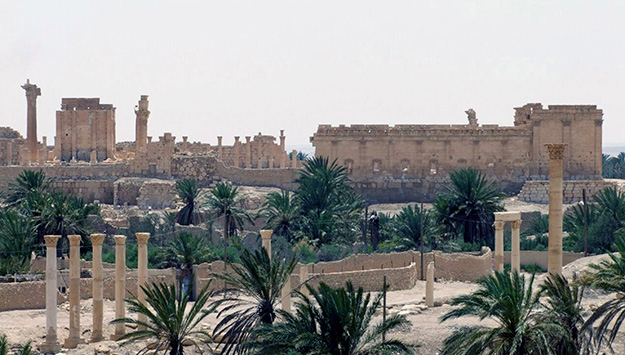
Since March 2011 Syria has gone through a traumatic process that has strained the ethnic, sectarian, and social fabric of the country—almost all that makes Syria a unified state with a people who share a common history, goals, and aspirations—to beyond the breaking point. Much of the country lies in ruins today, and its cultural heritage has been a deliberate casualty of the conflict from its earliest days.
Saudi Arabia’s Succession Shakeup and the Rise of Mohammed bin Salman
King Salman’s reign of four months has brought dramatic changes to Saudi Arabia’s succession framework. Prince Muqrin was appointed as heir before being relieved of his duties in favor of Prince Mohammed bin Nayef, and Prince Mohammed bin Salman (MBS) was designated as heir to the heir. A son of the monarch, MBS carries a variety of additional portfolios, including that of minister of defense and chairman of the Council of Economic and Development Affairs (CEDA), which makes policy on non-security matters.
The United States, the GCC, and Iran: The Crisis that Wasn’t
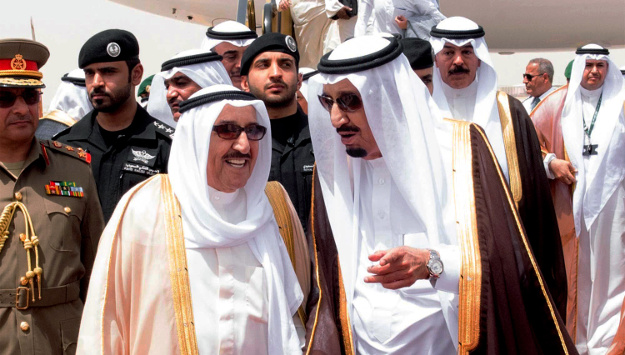
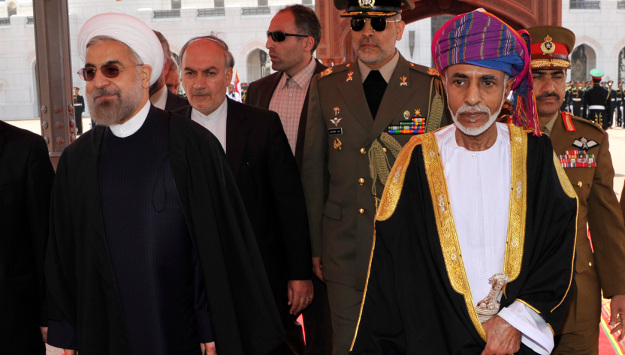
Whatever eventually comes of the security agreements and mutual pledges of support made at last week’s summit conference between President Obama and leaders of the Arab Gulf monarchies, one result is clear: Saudi Arabia and the others may not be enthusiastic about the pending nuclear agreement with Iran, but they will not actively oppose it.
“Alawis to the grave and Christians to Beirut!” This troubling slogan was chanted during demonstrations against the Assad regime in spring 2011, and who was behind the chanting remains a controversial question. The Syrian opposition claimed that the slogan’s authors were members of the intelligence services who had infiltrated the demonstrations. According to this view, Syrian government agents were seeking to portray the opposition as primarily motivated by sectarianism and dominated by Salafis in order to frighten minorities and those wishing to live in a secular Syria.
U.S.-Russian Cooperation on Syria: The Fear Factor
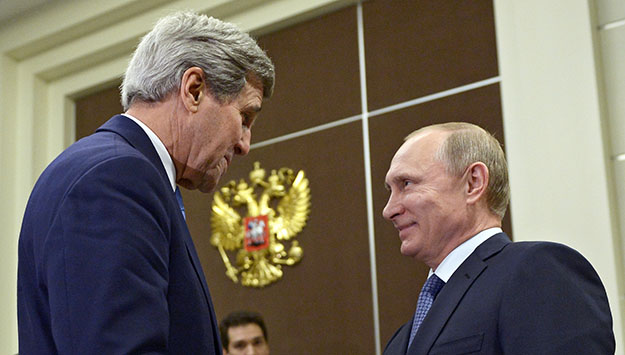
The announcement of a meeting between Vladimir Putin and John Kerry related to Syria, as well as the subsequent visit to Moscow of Daniel Rubinstein of the State Department’s Near East Bureau, may have stunned some pundits on the outside, but for those who have been following the evolution of leadership opinions on Syria in both countries, the surprise is that these official meetings have not come sooner.