Private Sector Development in Iraq: Continuing Constraints
I. The Setting
I. The Setting
Introduction
MEI Podcast, 12 July, 2012After the Summit: Assessing Iraq’s Relations with its Arab NeighborsJohn Desrocher, Gregory Gause, Ken Pollack, Amb. Samir Sumaida’ie, Phebe Marr
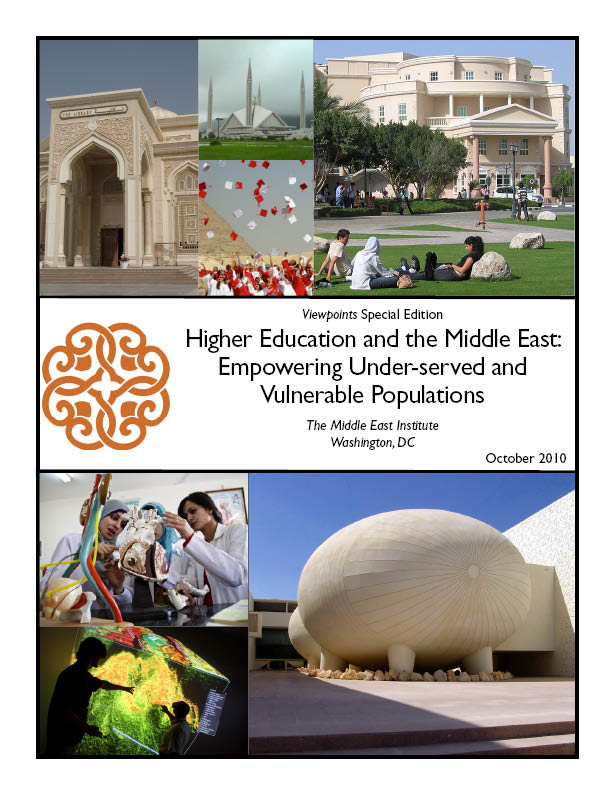
Originally posted October 2010
This second edition of the MEI Viewpoints series on Higher Education and the Middle East focuses on Empowering Under-served and Vulnerable Populations.
On March 11, 2011 Japan was struck by a massive earthquake and tsunami that devastated the northeastern part of the country. The quake and tsunami also damaged three reactors at the Fukushima Daiichi Nuclear Power Plant, triggering a nuclear crisis that led to the shutdown of nearly a third of the country’s energy production.
Turkey’s popular and outspoken Prime Minister, Recep Tayyip Erdogan, was treated to a hero’s welcome last week when he met with Syrian refugees for the first time since Turkey opened its doors to the thousands of people fleeing Bashar Al-Assad’s crackdown. Erdogan’s pledge to defend the rights of the Syrian people and his call for Assad’s removal, however, fell short of expectations. Although Erdogan’s speech drew some applause, it was also interrupted by shouts of “We want arms for the Free Syrian Army and a buffer zone inside Syria!” The Turkish PM’s reiteration of his previous positi
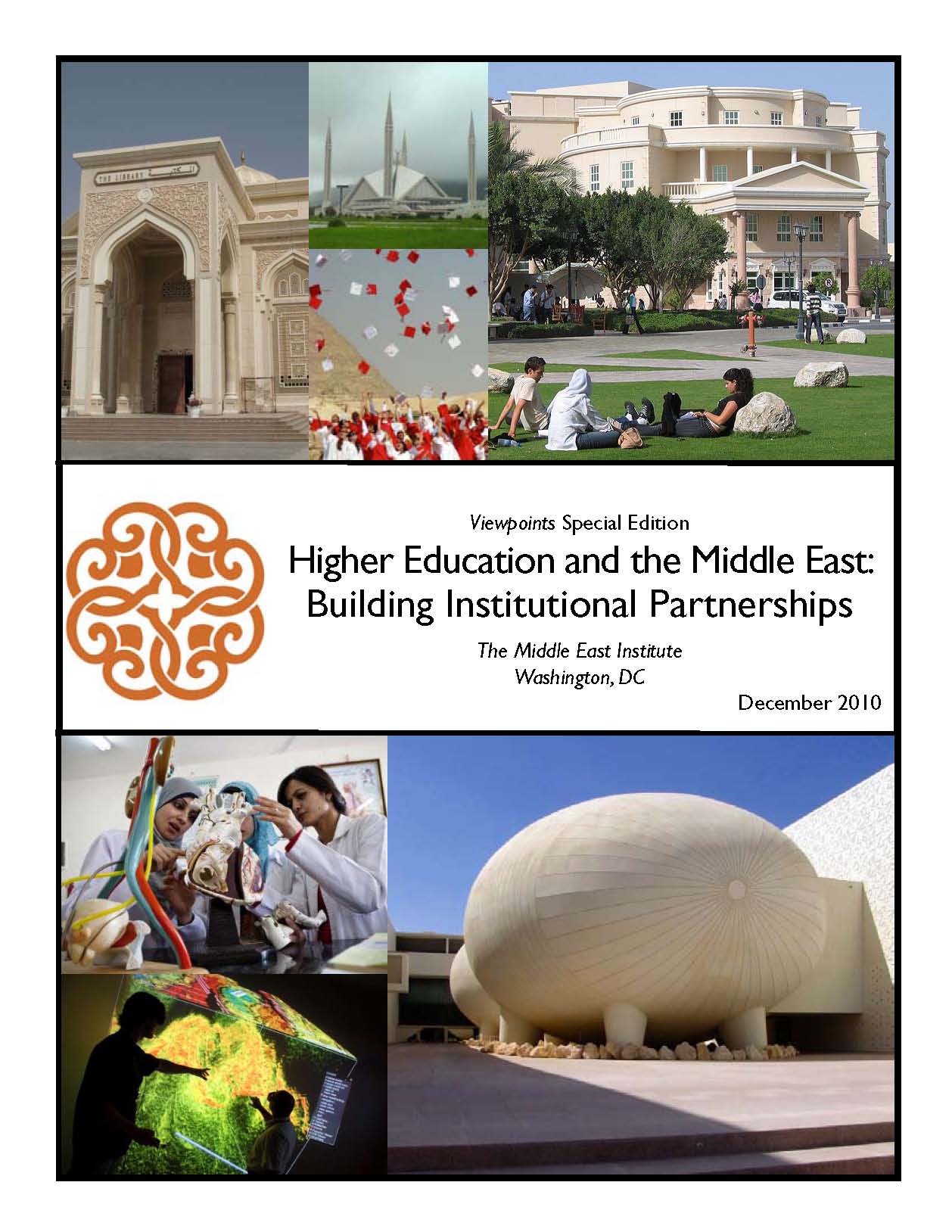
Originally posted December 2010
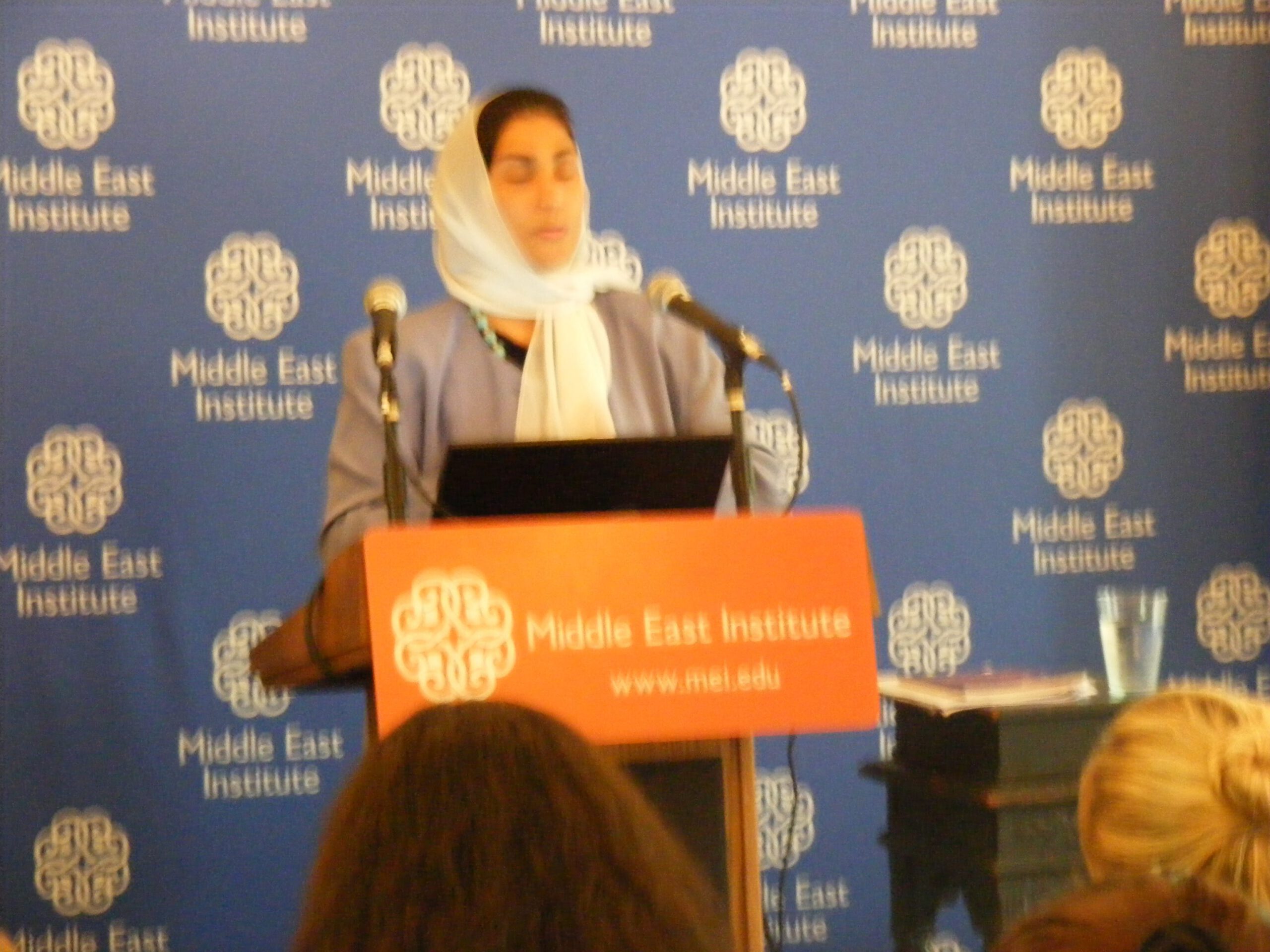
The Middle East Institute is pleased to host poet, writer and activist Nimah Nawwab for a conversation about Saudi women in an era of unprecedented change in the Middle East. Despite the many advances of the Arab Spring, the region continues to face mounting social, political, and economic challenges. In Nawwab's native Saudi Arabia, these challenges form the basis for her art and activism.
Originally posted April 2010