This text has been translated by AI and may contain errors.
Skip to Content

Research & Commentary Results

Filter by
1779 Results
Iraq — So What to Do?
  • Analysis
  • Iraq — So What to Do?

    This article was originally posted on Charles Duelfer’s blog.

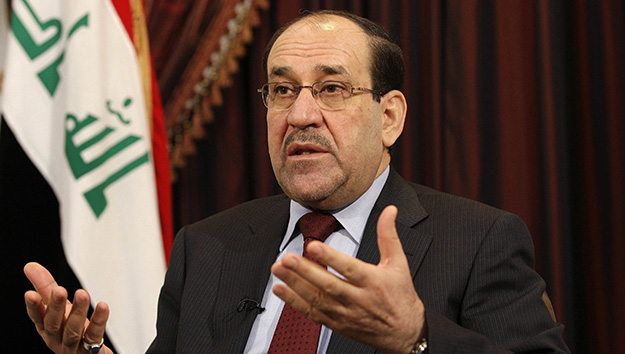
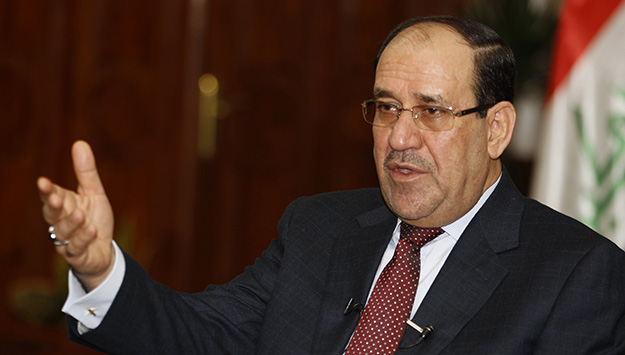
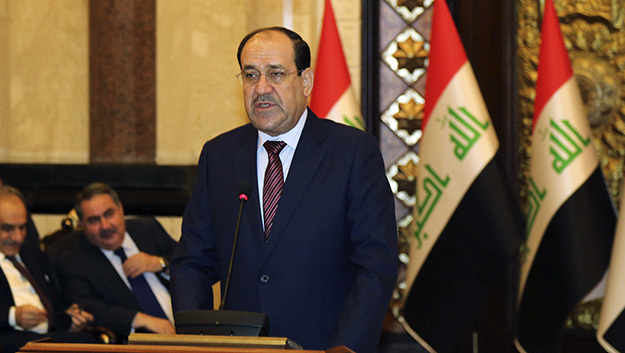
    A possible path ahead is to take advantage of the post-election negotiations and configure a leadership that accommodates Sunni interests. This would by necessity mean someone other than Maliki becoming prime minister.

    June 13, 2014

    Robert Ford on the ISIS Offensive in Iraq
  • Analysis
  • Robert Ford on the ISIS Offensive in Iraq

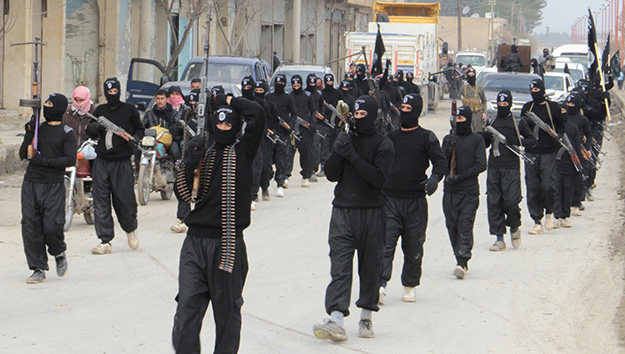
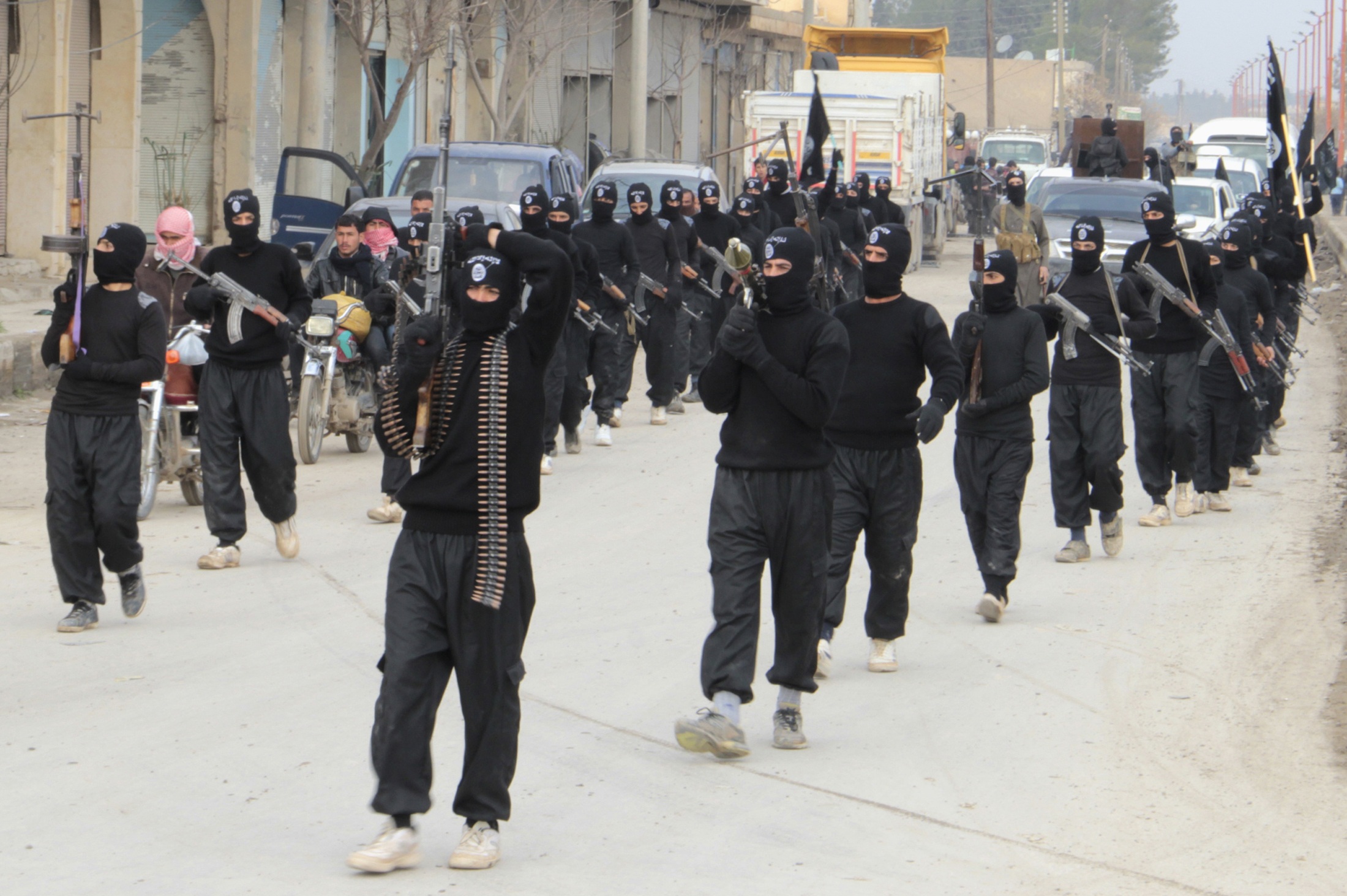
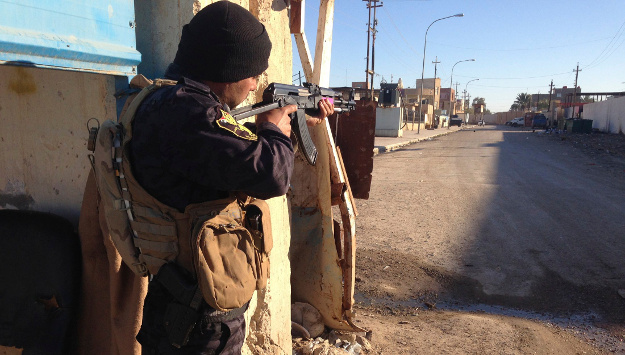
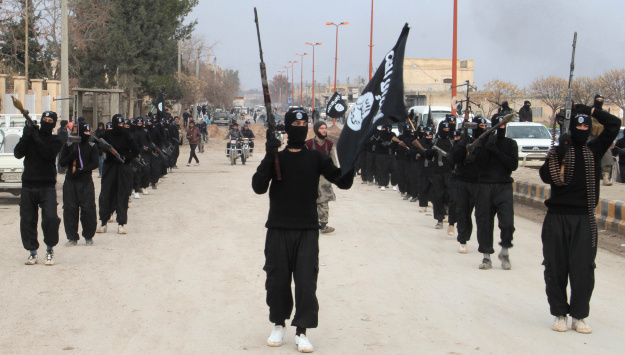
    The Islamic State of Iraq and Syria (ISIS), a Sunni militant group controlling territory spanning the border between the two country’s northern regions, made a rapid advance toward Baghdad this week, seizing control of Mosul, Iraq’s second largest city, and Tikrit, and attacking the refinery town of Baiji. Forces from Iraqi Kurdistan have since moved to secure Kirkuk as the Iraqi central government’s military has fled in disarray. Robert Ford, former U.S.

    Five Arab Elections in Search of a Democratic Transition
    Middle East Institute
  • Analysis
  • Five Arab Elections in Search of a Democratic Transition


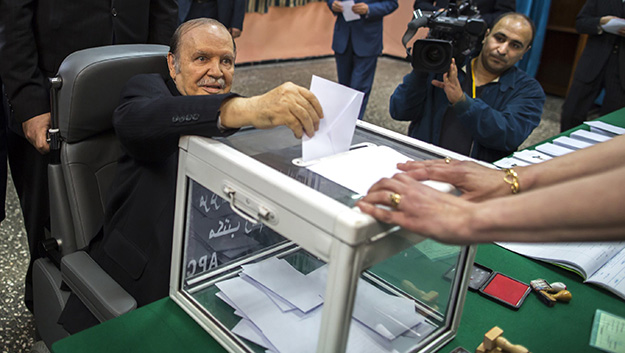
    Algerian President Abdelaziz Bouteflika casts his ballot on April 17.

    In the current two months between mid-April and early June, five Arab countries—Algeria, Lebanon, Iraq, Egypt, and even war-torn Syria—are holding key elections, with little sign that any is moving in the direction of meaningful democratic transition.

    May 9, 2014

    U.S. Policy and the Iraq Elections
  • Analysis
  • U.S. Policy and the Iraq Elections

    With Iraq’s elections scheduled for April 30, the United States should be acutely aware of its reduced but remaining influence in the country. Even in 2006 and 2010, when more than 100,000 U.S. soldiers were present in Iraq, it was largely Iran that had the final say on the premierships, if not the exact shape of the cabinets that were formed after the elections.

    April 28, 2014

    Iraq’s Make Up or Break Up Elections
  • Analysis
  • Iraq’s Make Up or Break Up Elections

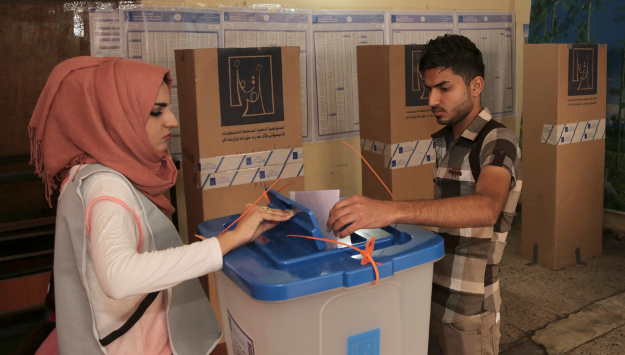
    Two years after the U.S. withdrawal and four years into Prime Minister Nuri al-Maliki’s second term, Iraq is on the brink of breaking apart. The upcoming parliamentary elections scheduled for April 30, and the political process of government formation that will follow, present an opportunity to push for a return to more inclusive politics in Iraq. Unless Maliki is replaced or drastically changes his policies, these might be the last elections in a nominally united Iraq.

    April 25, 2014

    Israel’s Natural Gas Sector: A Regional Perspective
    Middle East Institute
  • Analysis
  • Israel’s Natural Gas Sector: A Regional Perspective

    Israel’s recent natural gas discoveries have the potential to transform the country into a major supplier of natural gas to the Eastern Mediterranean and beyond. Israel’s Leviathan field alone is believed to contain tens of billions of dollars worth of natural gas, and is the world’s largest offshore natural gas discovery of the last decade. In addition to representing a tremendous boon for Israeli domestic energy needs, the finds are likely to result in significant windfalls for the Israeli state and could dramatically impact the political economies of neighboring states.

    April 24, 2014

    Erbil Meeting Report
  • Analysis
  • Erbil Meeting Report

    The Middle East Dialogue is a regional Track II forum that meets twice a year and brings together current and former officials and senior experts from the Middle East, the United States, Russia, China, and the EU to discuss emerging political & security trends in the region.  What follows is a report from the latest meeting of the Dialogue in Erbil, Iraq, on March 30-31, 2014, led by MEI’s Director of Track II Dialogues Randa Slim and VP for Policy and Research Paul Salem.

    April 21, 2014

    Comments by KRG President Massoud Barzani at Middle East Dialogue in Erbil
  • Analysis
  • Comments by KRG President Massoud Barzani at Middle East Dialogue in Erbil

    The Middle East Dialogue is a Track II forum focusing on emerging political and security trends in the region that meets twice a year, bringing together current and former officials and senior experts from Egypt, Saudi Arabia, the UAE, Iraq, Iran, Turkey, Jordan, Lebanon, Kuwait, the United States, Russia, China, and the EU. Members of the delegation, led by The Middle East Institute’s president, Wendy Chamberlin, met March 31 with Kurdistan Regional Government (KRG) President Massoud Barzani in Erbil, the capital of Iraqi Kurdistan.

    April 9, 2014

    Shifting Allegiances: The Israel-Gaza-Egypt Triangle
  • Analysis
  • Shifting Allegiances: The Israel-Gaza-Egypt Triangle

    U.S. diplomatic efforts to resolve the conflict between Israel and the Palestinians have in the last year focused on relations between Israel and the Ramallah-based Palestinian Authority, led by PLO chairman Mahmoud Abbas. Yet there is arguably a far more dynamic and perilous front: one that encompasses Israel, Egypt’s lawless Sinai Peninsula, and the Gaza Strip, the latter of which is run by Hamas.

    April 9, 2014

    Erbil, Baghdad, and Implications of the Oil Dispute
  • Analysis
  • Erbil, Baghdad, and Implications of the Oil Dispute

    Erbil—the capital of Iraqi Kurdistan—was once a chaotic and dusty backwater. Today, it is well on its way to becoming an attractive and orderly commercial and government center. A decade ago there were virtually no trees, as they had all been cut down for firewood to heat Kurdish hearths during the 1990s wars among Kurds and between Kurds and Saddam Hussein’s army. A magnificent wooded park now graces the mile or so from the high-rise hotel district to the Kurdistan Regional Government’s parliament and offices.

    April 8, 2014

    Kerry’s Proposed “Framework” Offers Way Forward for Israel/Palestine
  • Analysis
  • Kerry’s Proposed “Framework” Offers Way Forward for Israel/Palestine

    John Kerry’s extraordinary efforts to make peace between Israel and Palestine through six months of bilateral talks have produced no significant results. Kerry, determined to succeed, is turning to a “framework” that would create a new basis for continued negotiations. The framework has not yet been released. But if it is a clear outline of an American plan for peace, not just a collection of ideas that avoids laying out U.S. positions, it could be a game changer.

    February 21, 2014

    De-Ba`thification in Iraq: How Not to Pursue Transitional Justice
    Middle East Institute
  • Analysis
  • De-Ba`thification in Iraq: How Not to Pursue Transitional Justice

    The de-Ba`thification process in Iraq has fallen profoundly short as a transitional justice mechanism over the past decade. Poorly conceived, badly implemented, and controlled by hard-liners, the process has been so highly politicized that it has eroded the rule of law and intensified the sectarian tensions that are at the heart of the violence haunting Iraq.

    January 30, 2014