The Coming Debate Over the US Military Presence in the Gulf
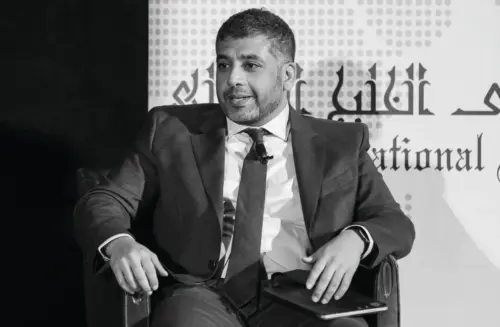
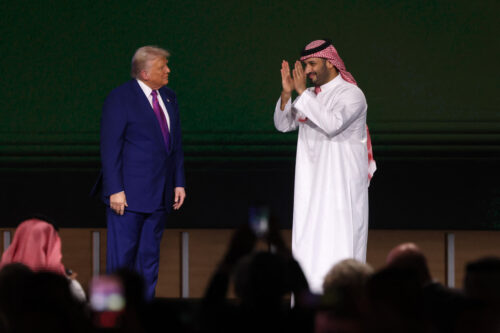
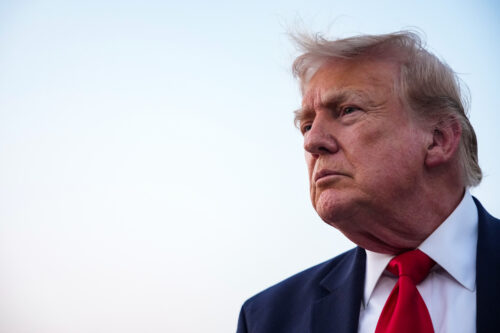
The war with Iran is hardly over, but the debate over the shape and nature of the post-conflict American posture in the Gulf region is just beginning. Undoubtedly, how the war ends will affect how the United States adjusts its role. While this debate is still in its early stages, something of a conventional wisdom is already developing in policy circles that could seriously compromise American influence in the Middle East.
Curb Your Enthusiasm: Why the Midterms Might Not Change Much in US Middle East Policy
With less than a week before the midterm elections in the United States, the spotlight is on the economy and cultural divides. US foreign policy remains mostly on the sidelines, but this year’s inconclusive Iran war and its effect on America’s economy have shaped the broader political environment in this electoral cycle.
The Multiple Costs of the US–Iran War – From Hormuz to Europe and South Asia: The Widening Economic and Political Geography of the Conflict
Wars are decided by those who hold military power, but their costs are increasingly borne by those who have little or no voice in the decisions that start them. The US–Iran war shows this imbalance very clearly. Its economic consequences have gone far beyond the battlefield and have disrupted energy markets, trade routes, food supplies, public finances and investment in the Gulf, Europe, Africa and Asia. The most striking feature of the conflict, however, is not only the size of the damage but its very unequal distribution.
As the US-Israel-Iran war enters its sixth month, the conflict has taken a sharp turn. After a brief lull in the fighting, Iran launched a surprise ballistic missile attack on US forces on July 28, and the US and Saudi Arabia struck back at Iran-backed militias in Iraq, marking Riyadh’s entry into the war. MEI Senior Fellow Alex Vatanka joins host Alistair Taylor to discuss the escalation, what may come next, and the state of talks over sharing the Strait of Hormuz.
Beyond Ports: China’s Digital Networks of Influence in the Middle East and Africa
For more than a decade, assessments of Chinese strategy in the Middle East and Africa have focused on assets, including the ports Chinese firms own, the pipelines they finance, and the networks they build. This lens has produced familiar maps of Chinese “footholds” and debates over future military bases, but ownership alone reveals less about influence.
The more useful question is not what China owns, but how Chinese firms become embedded in the operational and digital systems that keep trade corridors moving. Influence derives not from controlling infrastructure outright but from participating in the governance of the networks that move goods, data, finance, and information across them.
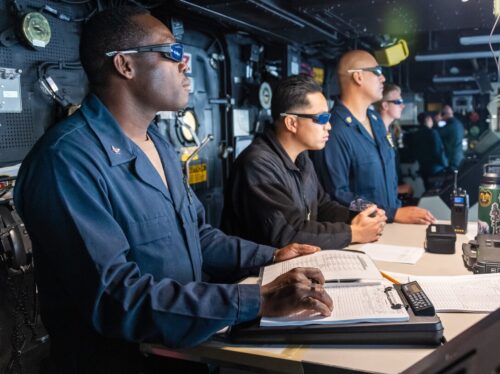
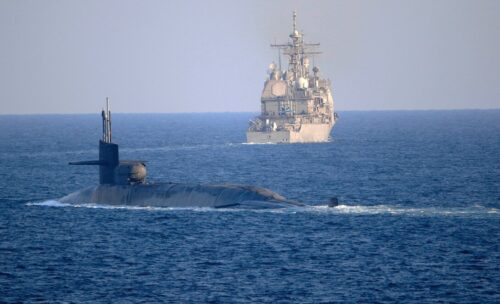
United States Central Command (CENTCOM), one of the US Department of Defense’s (DoD) six geographical combatant commands, is responsible for countering threats, responding to crises, and strengthening regional stability in the Middle East, Central Asia, and parts of South Asia.
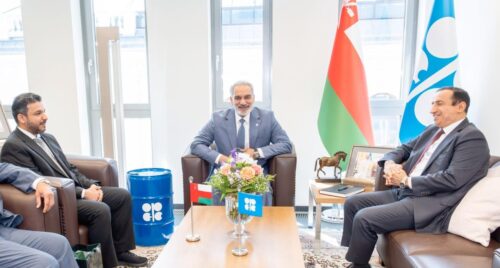
Something more consequential than another oil market disruption is underway. The Iran war has exposed and accelerated an institutional weakness within OPEC that had been building for years. The closure of the Strait of Hormuz, the UAE’s departure, Iraq’s brief flirtation with exit, and the continued rise of U.S. oil production all point to a deeper question about the cartel’s durability. The issue has shifted from OPEC’s ability to manage crises toward whether its model of collective discipline can withstand mounting structural strain.
This report considers the lack of Palestinian political agency as a driver of regional insecurity that must be resolved before wider conflicts can be settled. The author analyses the conditions that contributed to the destruction of Palestinian political capacity, including Israeli policies, Palestinian shortcomings, and exploitation by Iran, and makes recommendations for an Arab strategic initiative.
Iran’s New Grand Design: The Next Evolution of the Axis of Resistance
Iran is transforming its Axis of Resistance into a decentralized, Yemen-centered network that leverages the Houthis to threaten both the Strait of Hormuz and the Bab el-Mandeb, extending Tehran’s coercive reach over the world’s key maritime chokepoints and reshaping the post-war balance in the Middle East and Red Sea.
The Gulf’s New Information Battlefield: War, Technology, and the Reconfiguration of Security
During the opening days of the 2025–2026 U.S.–Israel war with Iran, Kuwait’s military briefings highlighted intercepted Iranian missiles and drones while revealing little about strike locations or damage. The approach reflected a familiar wartime dilemma in which governments must reassure populations while limiting information that could aid adversaries or fuel uncertainty. Yet Kuwait’s response revealed a broader shift across the Gulf. Information was no longer simply a messaging tool; it had become part of the battlefield.
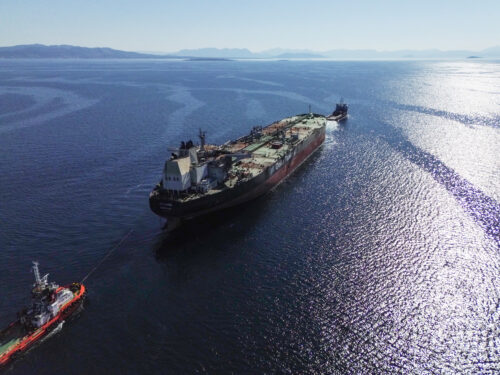
Buying certainty: How Hormuz is redefining global shipping
At the recent Lianhe Zaobao Singapore-China Forum 2026 in Singapore, Professor Joseph Liow, dean of the Lee Kuan Yew School of Public Policy and chairman of the Middle East Institute at the National University of Singapore, suggested that the Strait of Hormuz (SOH) may be entering a “new normal”, one in which Iran — and perhaps Oman — could justify charging vessels fees for transiting one of the world’s most important waterways.
Iraq is emerging as the Middle East’s strategic connector – but can it turn foreign competition into advantage?
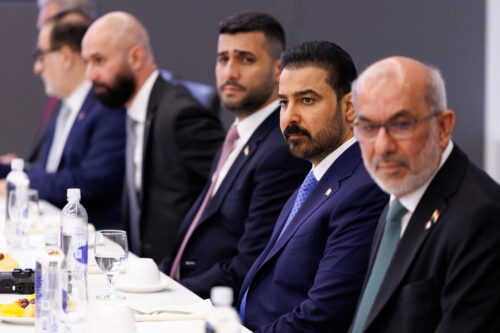
Iraqi Prime Minister Ali al-Zaidi is on something of a diplomatic roll at the moment. Having concluded a weeklong visit to the United States on July 19, 2026, during which he charmed President Donald Trump, al-Zaidi is now expected to head to Tehran to do the same with Iran’s new leaders. Trips to Qatar, Saudi Arabia, Turkey and Syria all figure on his itinerary, too.
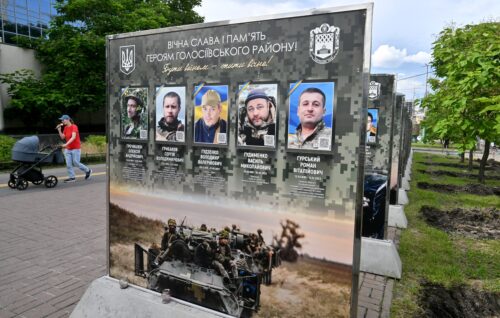
What the Gulf (and America) Can Learn from Ukraine
This past June, I had the opportunity to visit Ukraine and see a bit of a war I heretofore had only read about. The contrasts with the Middle Eastern wars I had experienced were stunning, as was, in particular, the juxtaposition with the current Iran conflict and the ongoing threat to our Gulf allies. There are lessons to be learned about commitment, intensity, self-reliance, and the importance of alliances. They could serve our allies and ourselves well in both theaters.
The oldest peer-reviewed publication dedicated to the study of the modern Middle East, MEI’s flagship journal covers politics, society, and culture in the region.