Skip to Content
Special Episode: Saudi Oil After the East-West Pipeline Attack
  • Podcast
  • Special Episode: Saudi Oil After the East-West Pipeline Attack

    Saudi Arabia’s East-West pipeline is back in operation after a drone attack from Iraq, blamed on Iran-backed militias, shut it down for nearly two weeks. The pipeline is the kingdom’s main way to export oil while the Strait of Hormuz is closed, so the shutdown dealt another blow to global energy markets. How vulnerable is this route, and what does that mean for the kingdom and the world economy? This episode of Middle East Focus features a recent MEI Virtual Briefing in which Director of Communications Zeina Al-Shaib is joined by MEI Senior Fellow Colby Connelly and MEI Affiliate Yesar Al-Maleki. They examine the new geopolitical risks facing the oil market, what further losses of global supply could mean for Saudi Arabia and the world economy, and which buffers outside the Persian Gulf could ease the pressure.
    October 1, 2026

    The Middle East Beyond the Iran War
  • Report
  • The Middle East Beyond the Iran War

    This article is part of a collection of short essays written by the Fellows of the Middle East Institute to explore aspects of the ongoing war with Iran. The intent of the collection is to help readers see new and unexpected elements of the dynamics and impact of the ongoing hostilities and to think harder, deeper, and broader about the implications of the conflict.

    September 28, 2026

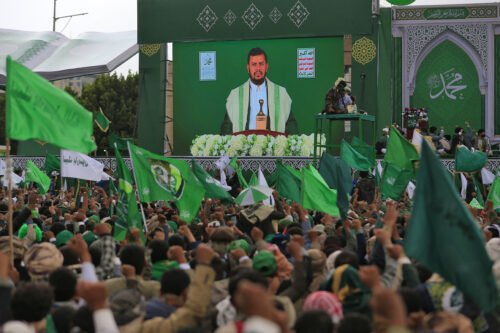
    Yemen: The Houthis’ Role in the Next Evolution of the Axis of Resistance
  • Analysis
  • Yemen: The Houthis’ Role in the Next Evolution of the Axis of Resistance

    The outbreak of the war with Iran demonstrated the strategic value of maritime chokepoints in the Islamic Republic’s confrontation with the United States. But as Tehran’s strategy of using the Strait of Hormuz to pressure Washington seems to be backfiring, Iran is working with the Houthis to strengthen its leverage over another strategic chokepoint: the Bab el-Mandeb. The recent escalation in Yemen should be viewed within this context.

    Featured Experts

    Filter by
    4509 Results
    Board of Peace Meets as Storm Clouds Gather for Another Possible Middle East War
  • Analysis
  • Board of Peace Meets as Storm Clouds Gather for Another Possible Middle East War

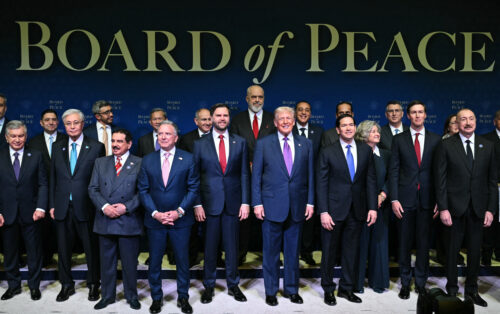
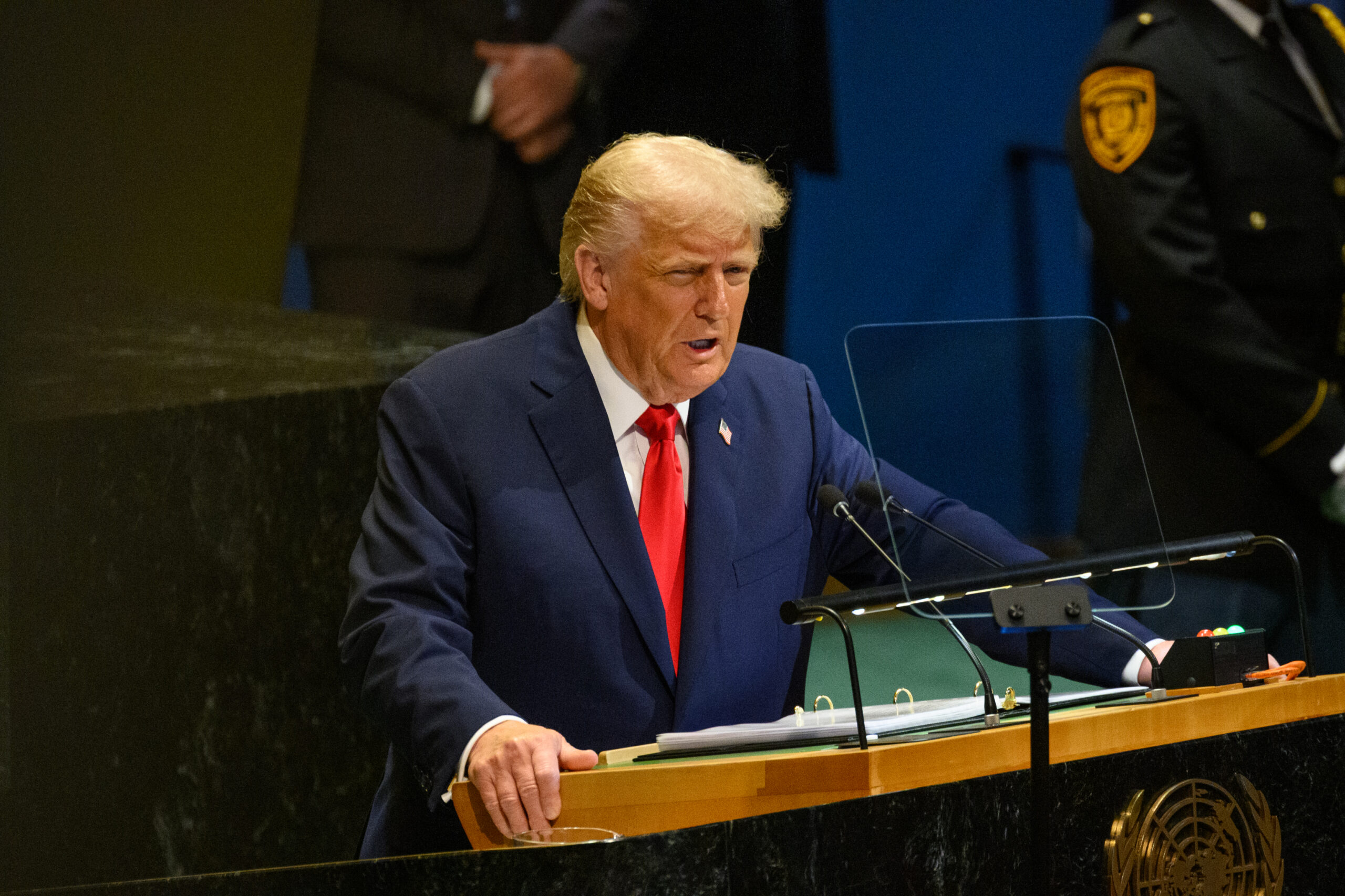
    US President Donald Trump hosted an idiosyncratic gathering of global representatives in Washington on February 19 that included some key Middle East figures meeting under the banner of peace to discuss the next steps in Gaza just as the US was sending more military forces to the region to pressure and possibly target Iran.

    Courage Runs in the Iranian People’s DNA
  • Podcast
  • Courage Runs in the Iranian People’s DNA

    Brian sits down with Holly Dagres, Libitzky Family Senior Fellow at the Washington Institute for Near East Policy, to discuss Iranian public opinion and protest movements. Dagres, who was born in Los Angeles and moved to Iran at age thirteen, offers a rare insider perspective on the views and aspirations of the Iranian people. The conversation explores the formative experiences of her teenage years in Iran, the roots of the country’s powerful women’s movements, the power of youth voices, and US policy toward Iran.

    US Military Posture and Strike Options Against Iran
  • Virtual Briefing Series
  • US Military Posture and Strike Options Against Iran

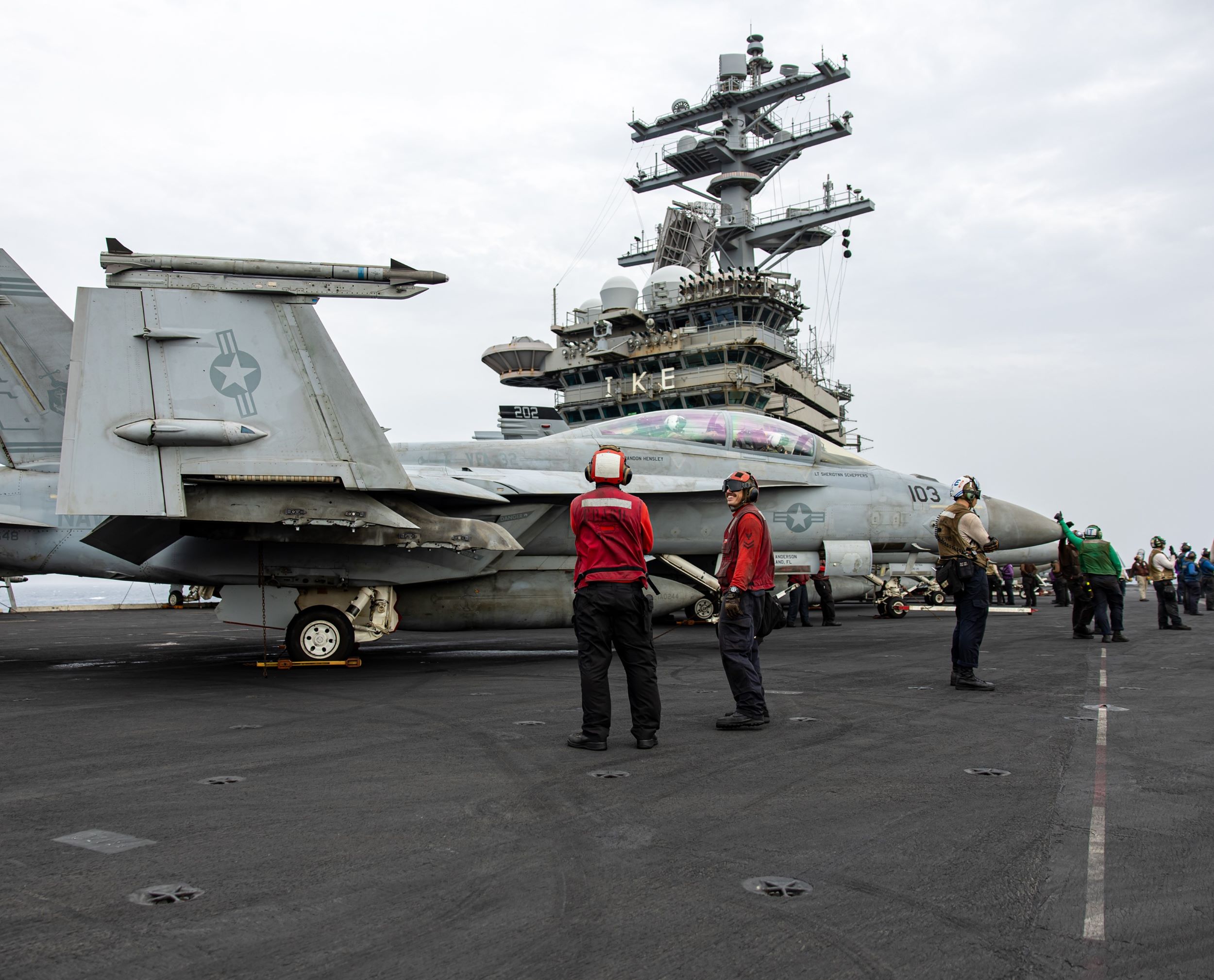
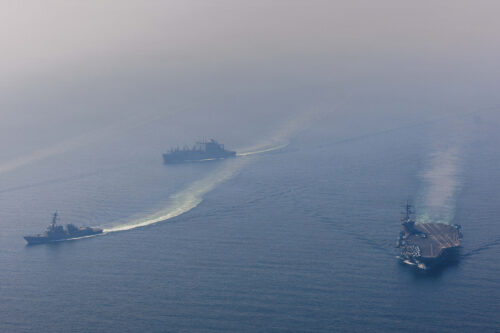
    On January 14, as the Iranian regime brutally cracked down on the largest street protests the country had seen in years, US President Donald Trump urged Iranians to persevere, posting on social media “help is on its way.” At the time, however, limited US military resources in the theater constrained the president’s military options. In the ensuing month since Trump’s post, the Pentagon has repositioned significant forces to the Middle East. This has led to wide speculation that the US is preparing for renewed strikes on Iran even as the Trump administration pursues diplomatic talks with the Iranian regime. To better understand the military planning and force posture dynamics shaping US policy choices, this briefing featured two Distinguished Military Fellows, former commander of the 5th Fleet VADM Kevin Donegan, USN (Ret.), and former Deputy Assistant Secretary of Defense for the Middle East Mick Mulroy. MEI Senior Fellow Jason Campbell moderated the discussion.

    February 17, 2026, 11:00 AM – 12:00 PM

    The Abraham Accords: The US Perspective
  • Commentary
  • The Abraham Accords: The US Perspective

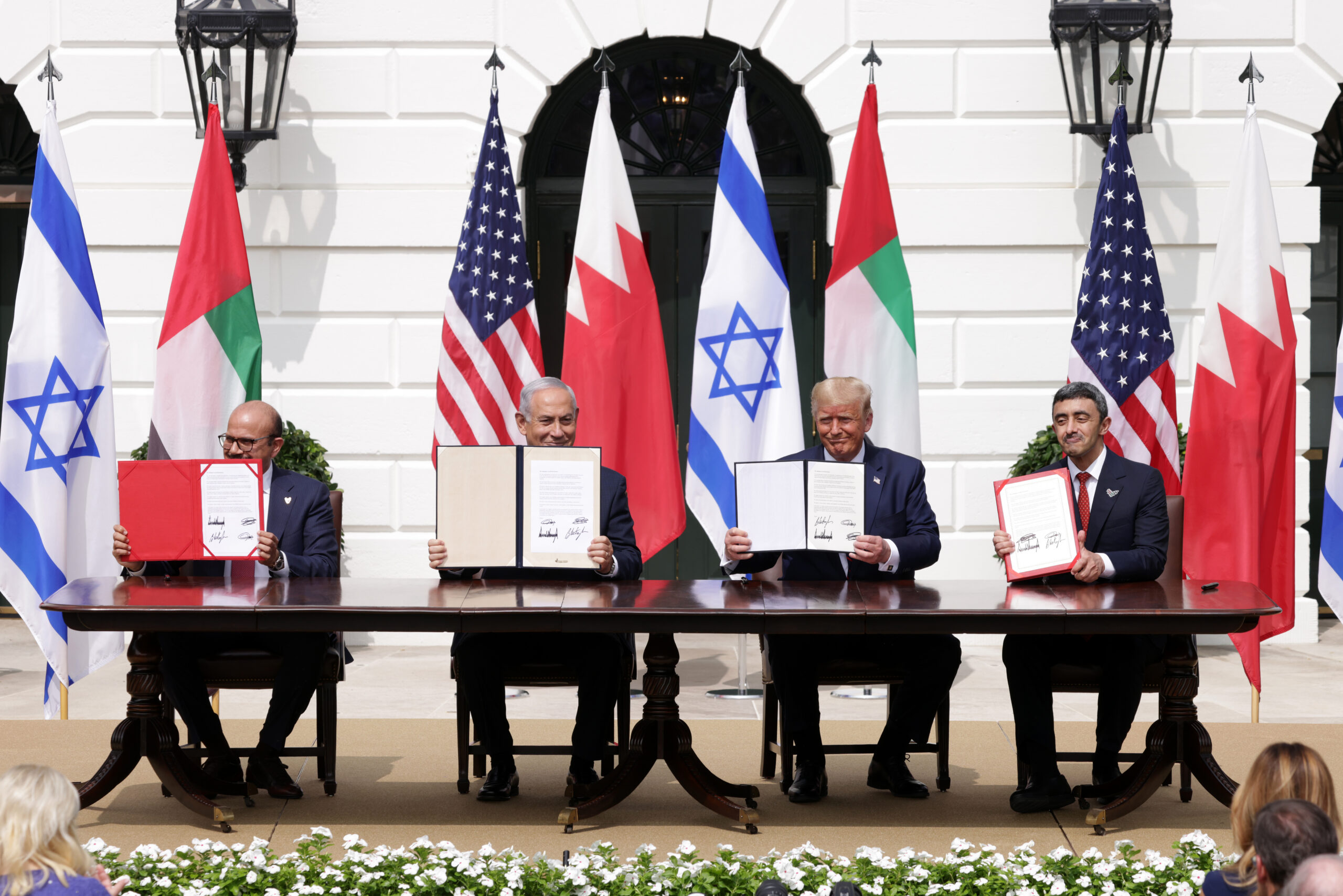
    The Abraham Accords have represented a remarkable shift in U.S. Middle East policy. They reframed Arab-Israeli normalization as a result of shared interests – within the Middle East and directly with the US, rather than as a byproduct of Israeli-Palestinian peace. Signed in September 2020, on the last leg of the first Trump administration, the Accords brokered by Washington normalized relations between Israel and the United Arab Emirates (UAE) and Bahrain, followed by framework agreements with Morocco and Sudan. From the American perspective, the Accords were intended to break decades of diplomatic stagnation in the Middle East in order to establish a regional framework aligned with American strategic objectives.

    Iran’s divided opposition
  • Analysis
  • Iran’s divided opposition

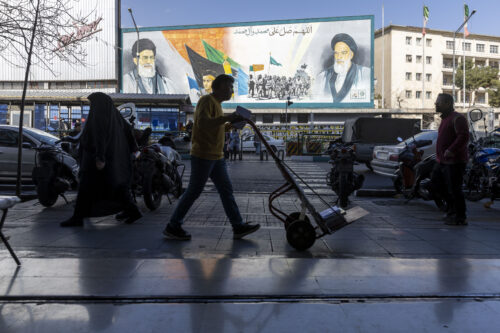
    Whenever Iran is shaken by nationwide protests, as it was just last month, analysts and activists are consumed by the same two questions: will the country’s regime finally fall, and what will come next if it does? Answers abound.

    From the Middle East to West Asia: Redefining America’s Global Strategy
  • Podcast
  • From the Middle East to West Asia: Redefining America’s Global Strategy

    MEI Senior Fellow Mohammed Soliman joins hosts Alistair Taylor and Matthew Czekaj to discuss his new book, West Asia: A New American Grand Strategy in the Middle East. The book argues that it is time for the United States to move decisively away from nation-building and focus instead on order-building, outlining a framework for a new regional order that links Europe to the Indo-Pacific. Soliman also shares how he conceived of the core ideas behind his book and explains why his thesis is especially relevant in today’s geopolitical, economic, and technological landscape.

    February 12, 2026

    Putting Trump on paper: What the new US strategy documents say about the Middle East
  • Commentary
  • Putting Trump on paper: What the new US strategy documents say about the Middle East

    Trying to capture US President Donald Trump’s proudly unpredictable approach to foreign policy in fixed policy documents is inherently difficult. Surprise, leverage and improvisation are not bugs in Mr Trump’s world view; they are features. Yet the administration has now attempted this exercise twice: with the release of the National Security Strategy last December and the National Defence Strategy this January.

    February 12, 2026

    What Trump’s 2026 Mideast approach could look like
  • Analysis
  • What Trump’s 2026 Mideast approach could look like

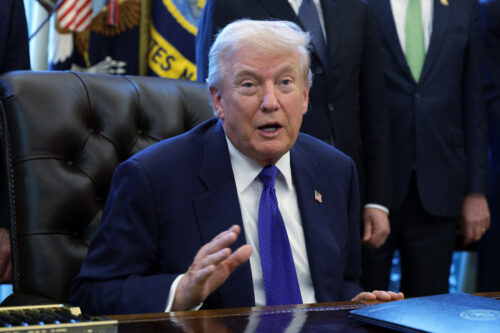
    Donald Trump’s first year of his second presidential term has been a roller coaster of twists and turns both at home and abroad—particularly in the Middle East. His regional focus was driven by two main factors: first, Trump’s own ego and sense of possible place in history; and second, the volatile, dynamic events driven by actors in the region.

    US Policy in the Middle East in the First Year of Trump 2.0: A Report Card
    Photo by SAUL LOEB/AFP via Getty Images
  • Report
  • US Policy in the Middle East in the First Year of Trump 2.0: A Report Card

    In the first year of his second term in office, US President Donald Trump focused considerable time and energy on the Middle East, but the results so far have been uneven. This report assesses the US government’s actions in the region over the past 12 months, from January 2025 through January 2026.

    Read the Middle East Journal

    The oldest peer-reviewed publication dedicated to the study of the modern Middle East, MEI’s flagship journal covers politics, society, and culture in the region.