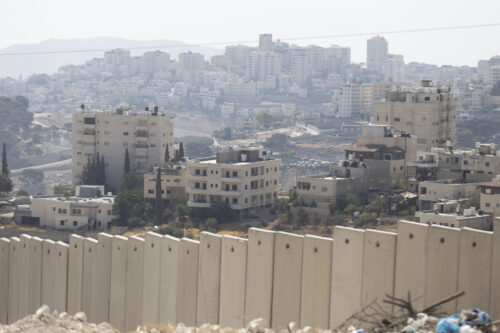
The Israeli government’s plan to build 3,401 housing units in the 12-square-kilometer E-1 corridor, between Jerusalem’s municipal boundary and the Israeli settlement of Ma’ale Adumim, would cut the West Bank in two. Israeli officials are under no illusion about the implications. Announcing the plan’s approval in August 2025, Finance Minister Bezalel Smotrich called it a “significant step that practically erases the two-state delusion.”
The Americans Are Gone. Will Iraq’s Militias Disarm?
On September 30, the US completed its military withdrawal from Iraq, ending a 12-year-long mission to combat ISIS that began in 2014. The date was also meant to be the deadline for disarming the largely Iranian-backed militias known as the Popular Mobilization Forces (PMF), but Prime Minister Ali al-Zaidi has now pushed that cutoff back to June 30, 2027. MEI Distinguished Diplomatic Fellow Amb. (ret.) Robert S. Ford joins hosts Alistair Taylor and Matthew Czekaj to discuss what the US military withdrawal means for Iraqi security and the nature of the bilateral relationship going forward. They also speak about what it will take for Baghdad to bring the PMF militias to heel, and how Iraq may navigate the post-Iran war era.
Jordan’s Economy Weathers Iran War’s Shocks and Finds New Opportunities
In the summer of 2003, King Abdullah II told Bloomberg Jordan sits “between Iraq and a hard place,” a play on words designed to describe the kingdom’s challenging environment to an American audience amid the US-led Iraq war to the east and the lingering Palestinian-Israeli conflict to the west. Jordan is grappling with a much “harder place” today.
Since 1967, Israeli settlements in the West Bank have been a contested feature of the Israeli-Palestinian conflict. The ultimate disposition of the settlements and ongoing activity related to their growth have repeatedly defied agreement in negotiations over a resolution to the conflict.
The Houthis are a political-military faction and Zaydi religious movement founded in northwestern Yemen in the 1980s. A key member of Iran’s Axis of Resistance with links to other militant organizations in the Arabian Peninsula and the Horn of Africa, the group has continued to pose a threat to Western interests on a global scale.
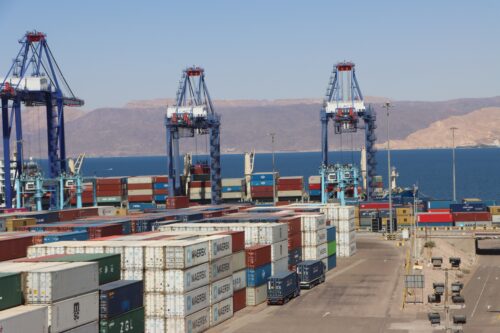
The India-Middle East-Europe Economic Corridor (IMEC) is a proposed multinational infrastructure initiative aimed at upgrading connectivity between the three regions through integrated trade, energy, and digital networks. Announced at the G20 summit in New Delhi in September 2023, IMEC is envisioned partially as a counterweight to China’s international infrastructure project, the Belt and Road Initiative.
After a decade of post-Arab Spring isolation, Turkey’s leaders have recognized that their ambition to position the country as an agenda-setter on the world stage requires active engagement in all directions. President Recep Tayyip Erdoğan’s consolidation of executive authority has centralized foreign policy decision-making and tied it to his domestic political priorities, transforming the country’s revisionist approach to one shaped primarily by personal and pragmatic interests.
MEI Senior Fellow Brian Katulis engages friends, colleagues, and policy experts in casual conversations on the most important happenings in the Middle East.
Nazanin Boniadi: How the World Can Help Iran’s Democratic Struggle
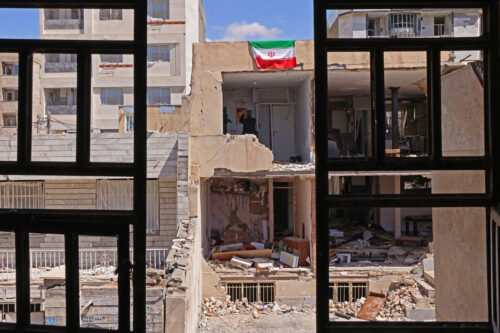
Just weeks before President Trump’s war began, Iran was in the midst of a powerful wave of anti-regime protests spreading across the country. But once the war started, that momentum largely came to a halt. The conflict shifted the focus from dissent to survival and gave the regime an opening to crack down harder. With tighter controls, heightened fear, and everyday life suddenly more precarious, people pulled back from the streets. The protests may have paused, but the resentments that fueled them haven’t gone anywhere.
Now Would Be a Great Time to Send US Ambassadors to the Middle East
As a fragile cease-fire takes hold in the Middle East, countries are jockeying to shape the peace. But one group remains largely absent: US ambassadors.
Hosts Alistair Taylor and Matthew Czekaj are joined by MEI Distinguished Diplomatic Fellow Amb. (ret.) Robert S. Ford to examine what is at stake for Iraq in the Iran war. The only country to have been hit by both sides, Iraq is caught in the middle of a regional conflict, with the local Iranian-backed Popular Mobilization Forces (PMF) carrying out attacks on American interests and personnel — and the US responding. This escalation comes at a period of internal political transition in Iraq, which has been locked in negotiations to form a new government since the November 2025 elections. Ford, who served as Deputy and later Acting Ambassador in Baghdad from 2008 until 2010, unpacks how Iraq is navigating the current moment, how the Kurdistan region fits into this equation, and what this all means for the future of US-Iraqi relations.
US foreign policy in the Middle East: Short-termism and the erosion of influence
Trump’s active Middle East policy reflects a striking paradox. The United States is more visibly engaged in the region than the “America first” rhetoric suggests, yet its influence over regional outcomes continues to erode.
The US-Iran War Is Tanking Trump’s Popularity at Home
An operation that Donald Trump said could take Iran out “in one night” has now turned into a regional war that has just entered its sixth week, with the US president appearing increasingly frustrated over the situation.
Currency Boards as Political Commitments: Comparative Experience, Gold Reserves, and the Lebanese Case
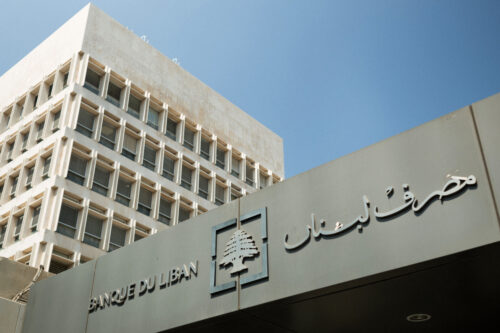
The following study discusses the role of Lebanon’s gold reserves in the establishment of a currency board and evaluates four policy options: a true currency board, constrained central bank reform, full dollarization, and a unified managed float. Gold reserves are relevant under all four. The conclusion is consistent across them: no monetary framework, however carefully designed and however well backed, can substitute for the prior political decision on who bears Lebanon’s losses and how the state will finance itself sustainably.
Former CIA operative: regime change in Iran is much harder than the US thinks
The United States and Israel have done significant damage to Iran’s military and security apparatus. Senior commanders have been killed at a pace rarely seen in modern warfare.
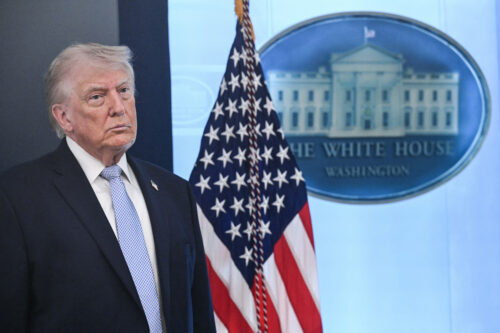
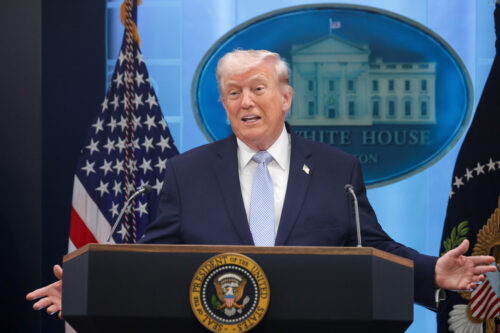
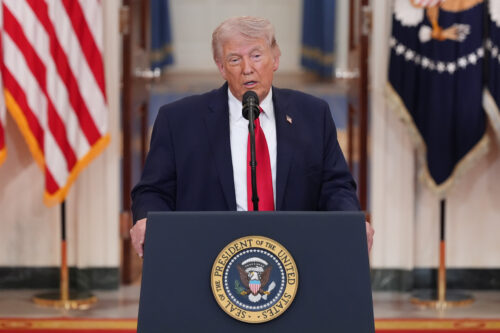
Iran’s leadership did not take long to respond to President Donald Trump’s latest address on the war. Regime-linked media dismissed the April 1 White House speech as a repetition of earlier claims, while officials and commentators close to the Iranian government framed it as further evidence that Washington remains uncertain about its own course. In the battle over messaging, Trump’s ambiguity is giving Iran’s narrative the edge.
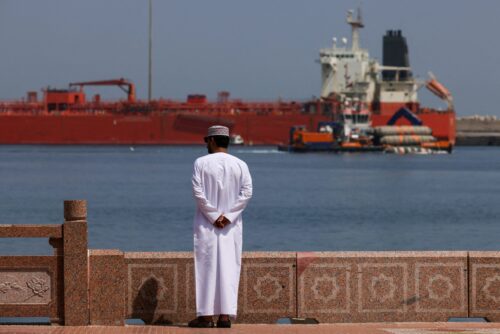
This special episode of Middle East Focus features a conversation from MEI’s Virtual Briefing Series. Host Alistair Taylor is joined by former National Security Council Senior Director Stephen Flanagan and MEI Senior Fellow Iulia-Sabina Joja to discuss the impacts of the Iran war on US-European relations. The conflict has hit Europe’s economy hard and created deep divisions across the continent, even as some European countries play a quiet supporting role to the US. President Donald Trump has called for NATO member states to help secure shipping through the Iranian-blocked Strait of Hormuz, a critical chokepoint for international maritime trade. Flanagan and Joja explore the prospects for stepped-up European military involvement, the knock-on effects on the war in Ukraine, and the potential longer-term impact on the future of the US-European alliance.
US-Iran War Gives Syria’s Global Economic Pitch More Urgency
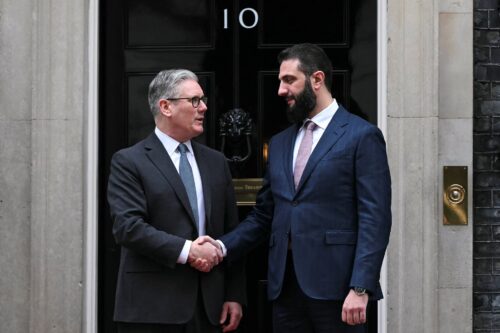
When the United States and Israel launched military operations against Iran a month ago, the Middle East was plunged into debilitating conflict. Nevertheless, Syria has remarkably just completed its most stable month in 15 years. Damascus and its international partners must capitalize on this opportunity.
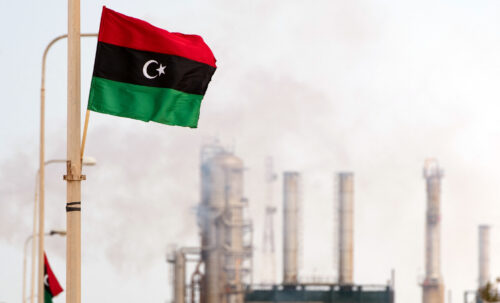
Libya’s Fragile Equilibrium: Succession Risk and Energy Stability
Libya’s stability has taken on renewed strategic importance as the impact of the US and Israeli war with Iran reverberates through global energy markets. Sustaining existing Libyan oil production depends on a governing arrangement capable of keeping ports open, pipelines flowing, and revenues distributed without triggering conflict.
The oldest peer-reviewed publication dedicated to the study of the modern Middle East, MEI’s flagship journal covers politics, society, and culture in the region.