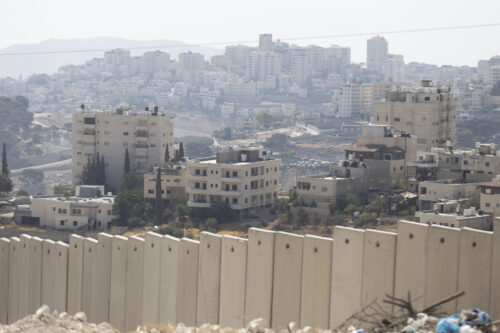
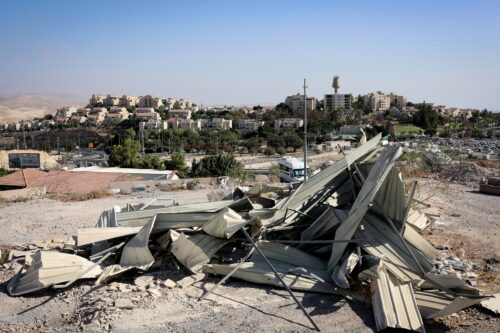
The Israeli government’s plan to build 3,401 housing units in the 12-square-kilometer E-1 corridor, between Jerusalem’s municipal boundary and the Israeli settlement of Ma’ale Adumim, would cut the West Bank in two. Israeli officials are under no illusion about the implications. Announcing the plan’s approval in August 2025, Finance Minister Bezalel Smotrich called it a “significant step that practically erases the two-state delusion.”
The Americans Are Gone. Will Iraq’s Militias Disarm?
On September 30, the US completed its military withdrawal from Iraq, ending a 12-year-long mission to combat ISIS that began in 2014. The date was also meant to be the deadline for disarming the largely Iranian-backed militias known as the Popular Mobilization Forces (PMF), but Prime Minister Ali al-Zaidi has now pushed that cutoff back to June 30, 2027. MEI Distinguished Diplomatic Fellow Amb. (ret.) Robert S. Ford joins hosts Alistair Taylor and Matthew Czekaj to discuss what the US military withdrawal means for Iraqi security and the nature of the bilateral relationship going forward. They also speak about what it will take for Baghdad to bring the PMF militias to heel, and how Iraq may navigate the post-Iran war era.
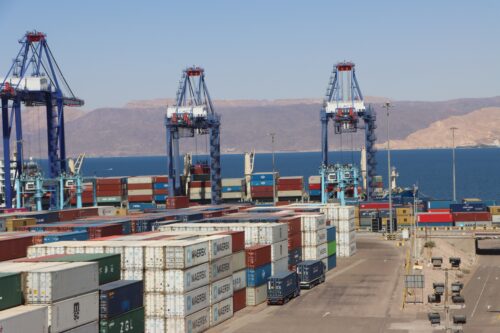
Jordan’s Economy Weathers Iran War’s Shocks and Finds New Opportunities
In the summer of 2003, King Abdullah II told Bloomberg Jordan sits “between Iraq and a hard place,” a play on words designed to describe the kingdom’s challenging environment to an American audience amid the US-led Iraq war to the east and the lingering Palestinian-Israeli conflict to the west. Jordan is grappling with a much “harder place” today.
Since 1967, Israeli settlements in the West Bank have been a contested feature of the Israeli-Palestinian conflict. The ultimate disposition of the settlements and ongoing activity related to their growth have repeatedly defied agreement in negotiations over a resolution to the conflict.
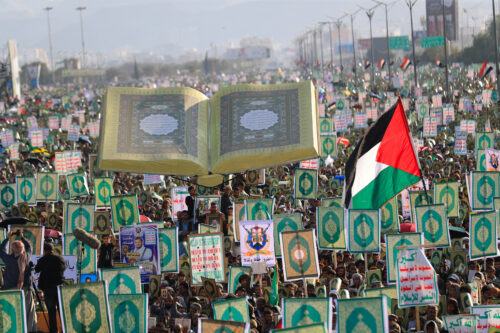
The Houthis are a political-military faction and Zaydi religious movement founded in northwestern Yemen in the 1980s. A key member of Iran’s Axis of Resistance with links to other militant organizations in the Arabian Peninsula and the Horn of Africa, the group has continued to pose a threat to Western interests on a global scale.
The India-Middle East-Europe Economic Corridor (IMEC) is a proposed multinational infrastructure initiative aimed at upgrading connectivity between the three regions through integrated trade, energy, and digital networks. Announced at the G20 summit in New Delhi in September 2023, IMEC is envisioned partially as a counterweight to China’s international infrastructure project, the Belt and Road Initiative.
After a decade of post-Arab Spring isolation, Turkey’s leaders have recognized that their ambition to position the country as an agenda-setter on the world stage requires active engagement in all directions. President Recep Tayyip Erdoğan’s consolidation of executive authority has centralized foreign policy decision-making and tied it to his domestic political priorities, transforming the country’s revisionist approach to one shaped primarily by personal and pragmatic interests.
MEI Senior Fellow Brian Katulis engages friends, colleagues, and policy experts in casual conversations on the most important happenings in the Middle East.
The Israel-Iran war: Scenarios for the days — and years — ahead
The evolving confrontation with Israel and the United States places the Islamic Republic of Iran at a critical inflection point. Tehran faces choices that range from limited negotiation and strategic restraint to escalation and eventual collapse. The following analysis explores the key scenarios that could unfold in the coming days, weeks, and years.
The Iran-Israel Conflict and the Future of the Iranian Regime
Senior Fellow Alex Vatanka joins hosts Alistair Taylor and Matthew Czekaj to examine the dramatic escalation between Israel and Iran following Israel’s targeted strikes on Iranian nuclear sites, infrastructure, and senior IRGC officials. Vatanka discusses how the Iranian regime is responding, the risk of wider regional conflict, and whether the current campaign could mark the beginning of the end for the Islamic Republic.
Where do we go from here? Day 5 of the Israel-Iran war
The past four days have clarified much about what Israel wants from this conflict, what Iran can and cannot do to fight back, and what decisions confront the American president over the next few days.
This episode was originally recorded on June 9, 2025, featuring a wide-ranging conversation with Eyal Hulata—Israel’s former National Security Advisor—about the dire humanitarian situation in Gaza, his role in shaping Israeli security policy, and where he believes the conflict is headed.
In light of recent developments between Israel and Iran, we reconnected with Eyal to capture his latest analysis. The first segment of this episode was re-recorded on June 16, 2025, to reflect Eyal’s current views and predictions regarding the unfolding regional developments.
Sanctions are lifting, but Syrians still can’t go home
On May 23, President Donald Trump’s administration suspended the majority of sanctions on Syria, marking the most sweeping shift in the policy of the United States toward Damascus in over a decade. But lifting sanctions will not magically make Syria safe for return. For millions of displaced Syrians, their country remains a minefield — literally and bureaucratically.
The real threat from Iran: Tehran’s most dangerous option for responding to Israel
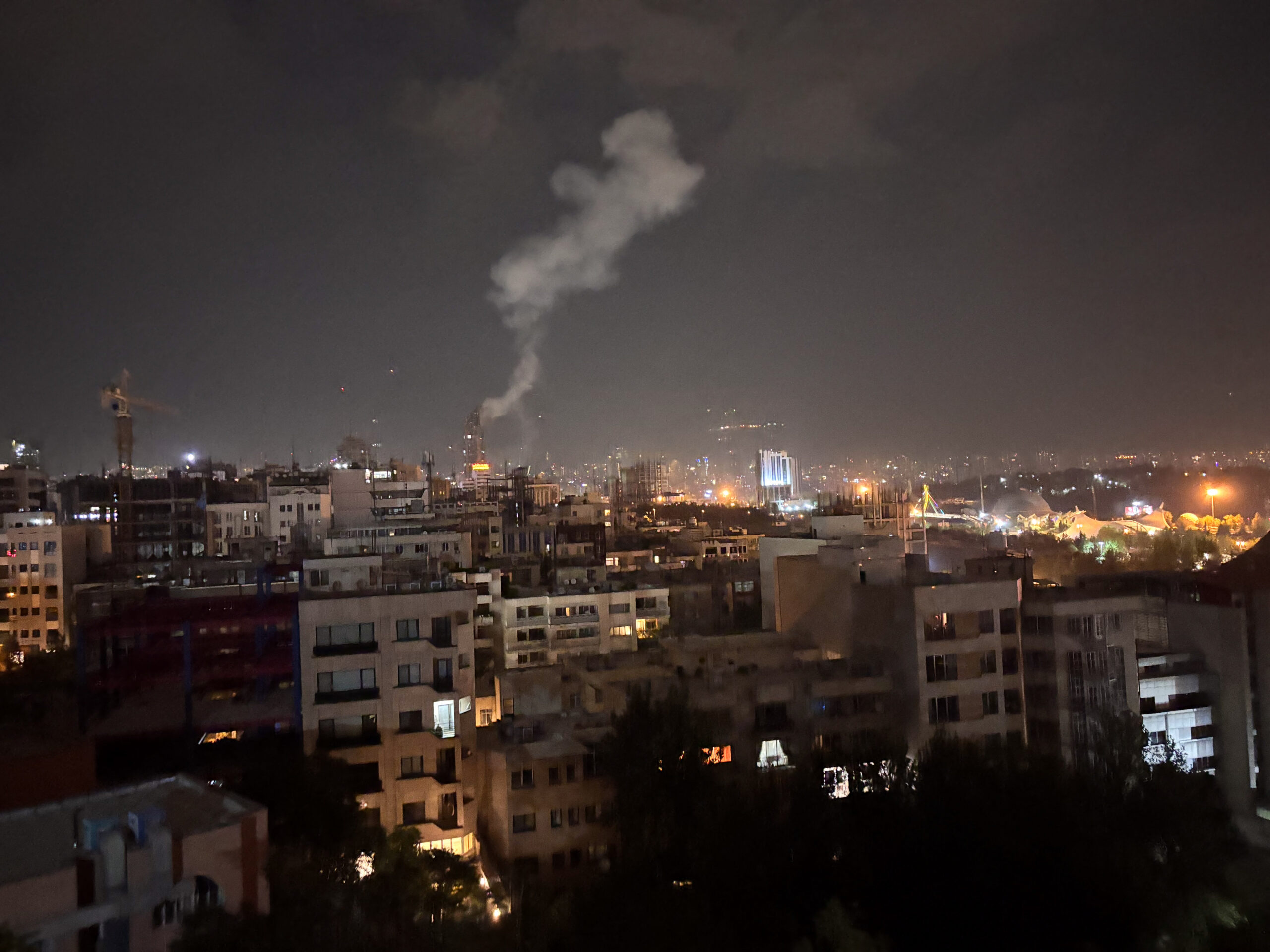
Last night, the government of Israel decided to roll the dice on a military solution to Iran’s decades-long pursuit of a nuclear weapons capability. Given the remarkable capabilities of the Israel Defense Forces, the operation could do tremendous damage to the Iranian nuclear program. But then comes the hard part.
Lebanon at a Crossroads: Sovereignty, Hizballah's Disarmament, and the Road to Reform
MEI Senior Fellow Paul Salem joins the program to assess Lebanon’s rapidly shifting political landscape. With a new president and government promising to enact reforms and reassert sovereignty, Lebanon faces a daunting agenda: disarming Hizballah, rebuilding institutions, navigating regional diplomacy, and restoring the economy.
The ripple effects of US foreign aid cuts to food and water access across North Africa
When Executive Order (EO) 14169, “Reevaluating and Realigning United States Foreign Aid,” was issued and implemented by the administration of President Donald Trump in early 2025, it effectively halted nearly all US foreign aid. The order primarily suspended the disbursement of non-military aid programs, leading to the termination of US-funded assistance projects, contracts, and employment across the world. The impact of this abrupt elimination of foreign aid was especially acute for humanitarian and development programs, crippling those targeting food assistance, clean water access, public health, and agricultural support.
Building Syria’s new army: Future plans and the challenges ahead
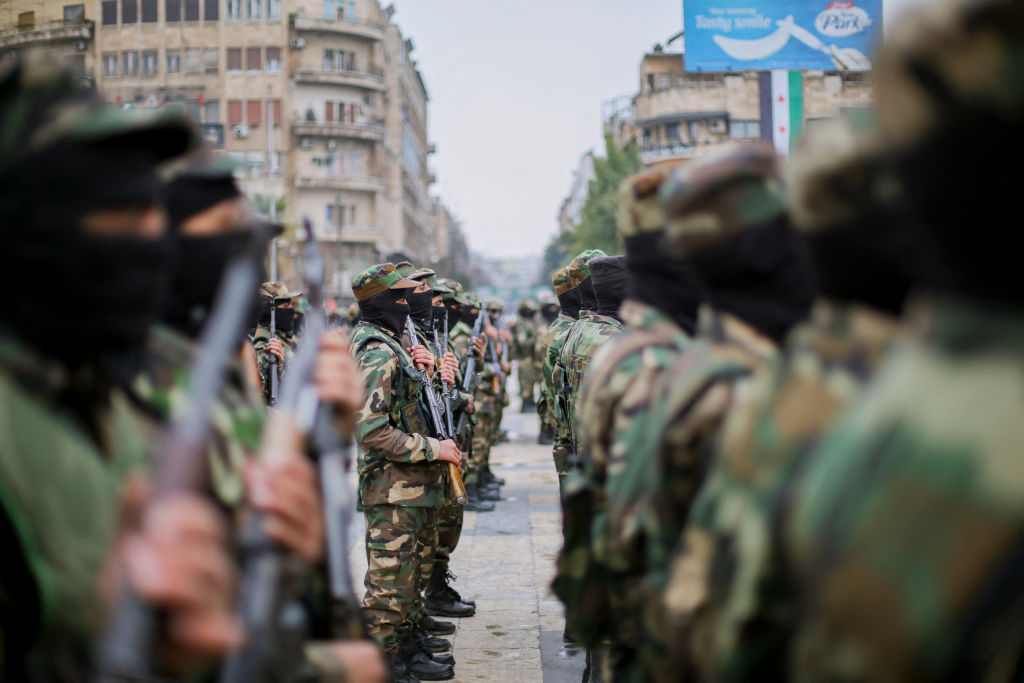
Following the fall of Bashar al-Assad’s regime on Dec. 8, 2024, after the rebel military operation “Deterrence of Aggression” and the establishment of a transitional government, Ahmed al-Sharaa, Syria’s interim president, quickly began working to form a unified national army, dismantle the existing factions, and centralize all weapons under the authority of the state in an effort to address one of the most pressing challenges facing his administration. While several initial moves have been completed, important steps in this complicated process are still pending. This article highlights the current developments surrounding the formation of the new army, including progress achieved to date and key challenges going forward.
America moves closer to the brink of maximum uncertainty at home and abroad
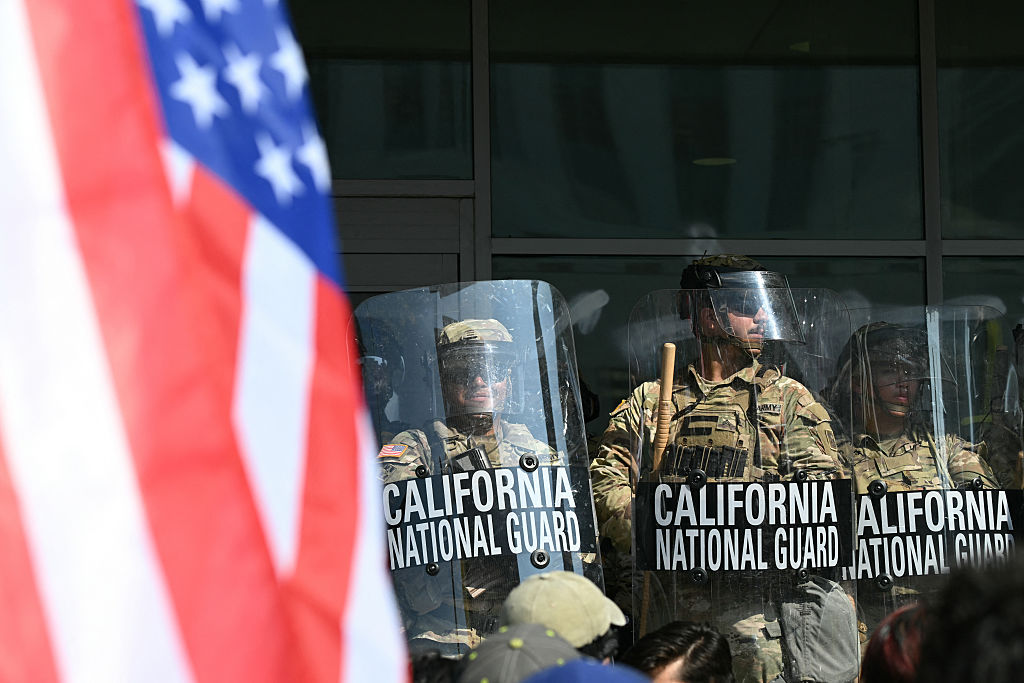
The spotlight in America this week is trained on the home front, with growing tensions inside the country over President Donald Trump’s immigration crackdown and a showdown unfolding on the streets of Los Angeles. At times like these, the rest of the world has a way of intruding, sometimes unexpectedly, and Trump 2.0’s foreign policy is still struggling to produce a major positive outcome from its frenetic activity trying to end kinetic wars while prosecuting an unprecedented economic war with much of the rest of the world.
Don’t trust Erdogan’s "peace process" with the Kurds
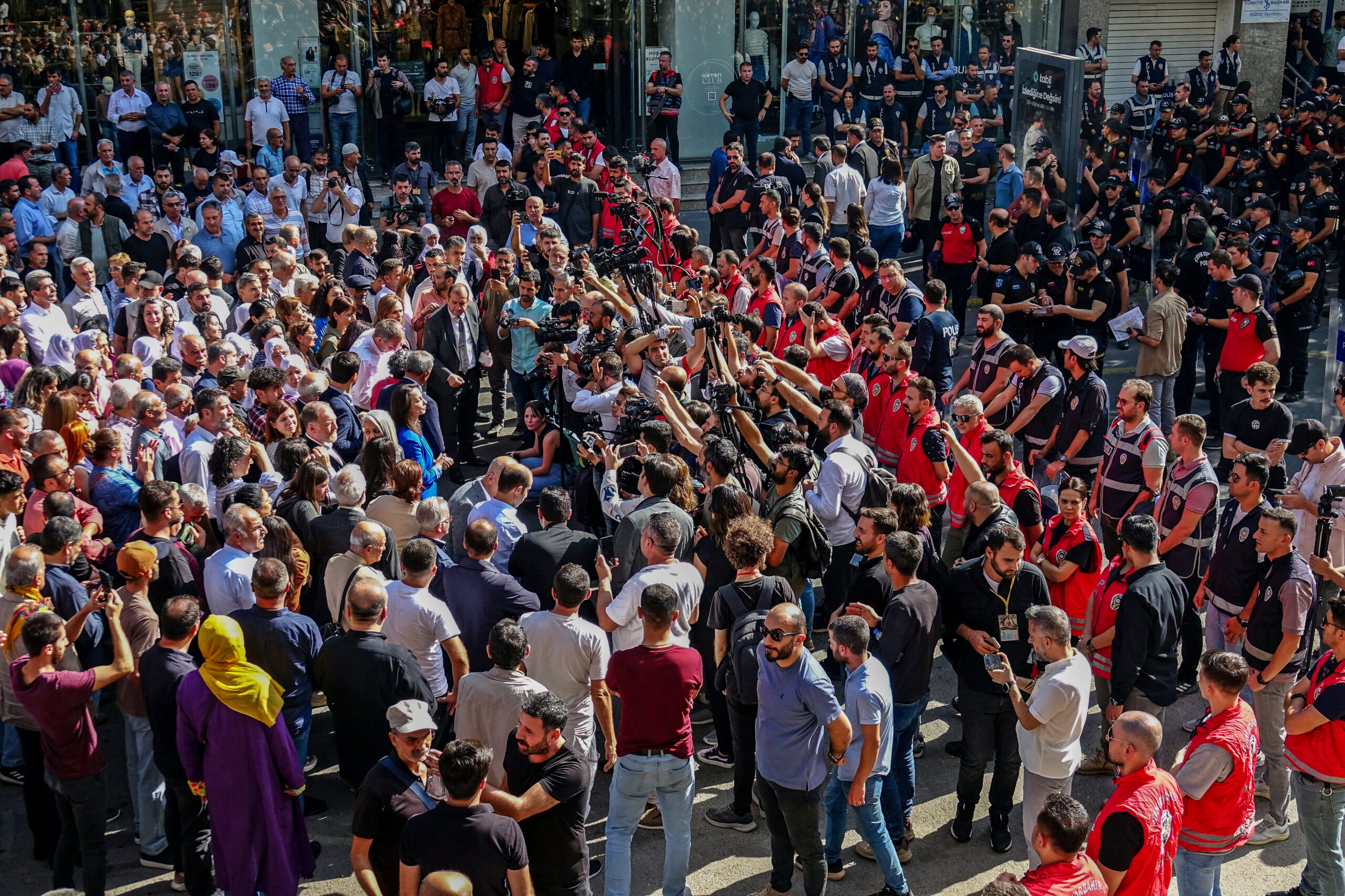
After decades of repression, many of Turkey’s Kurds are hopeful that their long struggle for basic rights may finally be nearing a breakthrough. That hope is fueled by newly launched talks between Turkish President Recep Tayyip Erdogan’s nationalist coalition and the imprisoned leader of the Kurdish Workers Party (PKK), Abdullah Ocalan. The talks have already produced the historic declaration by the PKK to disband and renounce armed struggle. Pro-Kurdish politicians have praised Erdogan’s efforts to pursue a peaceful solution.
Saudi Arabia’s AI ambition, and what it means for the United States
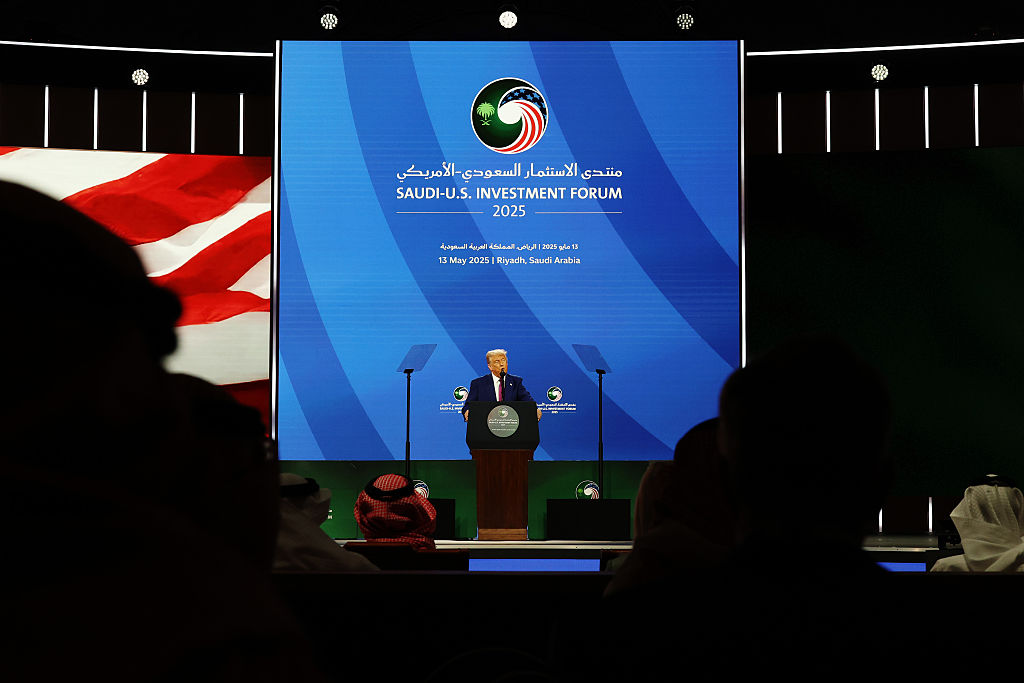
A day before Air Force One touched down in Riyadh to kick off US President Donald Trump’s three-country tour of the Gulf, Saudi Arabia made a pivotal announcement. The kingdom, long synonymous with oil, revealed a major investment in artificial intelligence (AI) through its newly launched company, HumAIn. This pivot, explicitly timed to coincide with Trump’s visit starting on May 13, and in anticipation of the signing of multiple tech deals between US and Gulf firms during the trip, signaled a profound shift in US-Saudi relations — from a traditional oil-for-security alliance to a partnership centered on AI and digital infrastructure.
What’s next for Gaza—and for Israel? In this episode of Middle East Focus, hosts Alistair Taylor and Matthew Czekaj sit down with Ghaith al-Omari, senior fellow at the Washington Institute for Near East Policy and former advisor to the Palestinian Authority, to unpack the urgent humanitarian crisis gripping Gaza, the impact of Israeli settlement expansion, and what these developments mean for the future of the region.
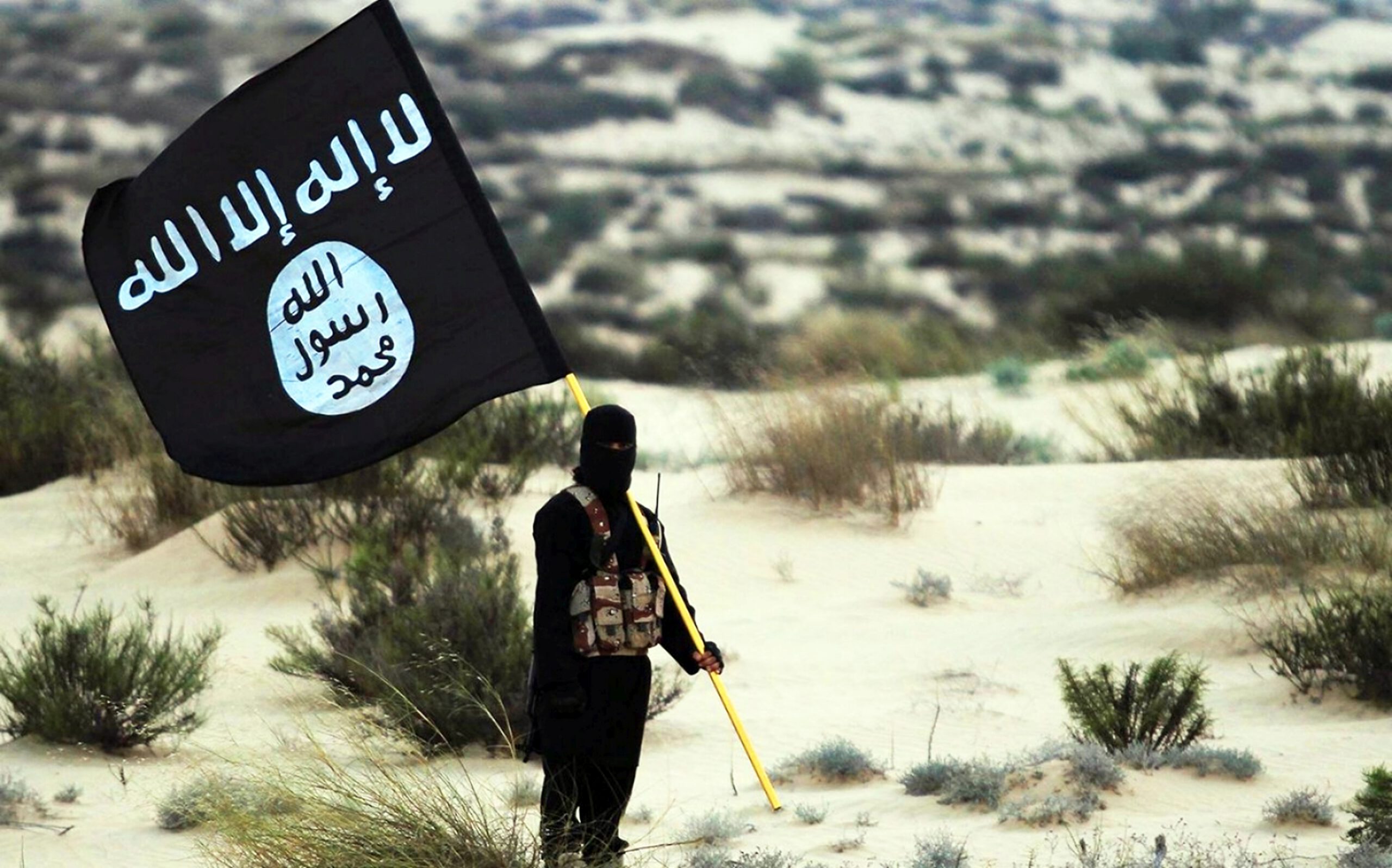
When U.S. President Donald Trump’s newly appointed special envoy to Syria, Thomas Barrack, paid his first visit to Damascus on May 29, he flew into the country on U.S. military helicopters from Jordan. He was accompanied by two State Department staff members but was most closely flanked by the U.S. military’s counter-Islamic State coalition leaders—Maj. Gen. Kevin Leahy and Brig. Gen. Michael Brooks.
The oldest peer-reviewed publication dedicated to the study of the modern Middle East, MEI’s flagship journal covers politics, society, and culture in the region.