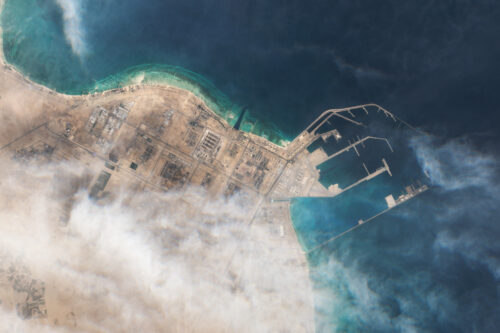
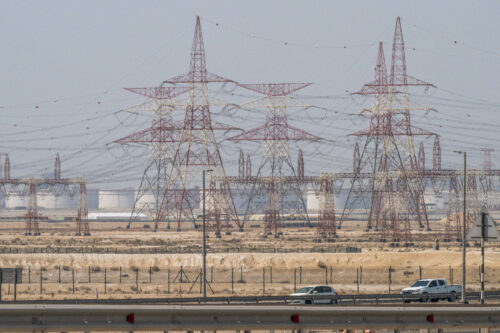
Gulf states—including their national oil companies and sovereign and related entities—are energy giants. They understand the risks of a prolonged threat from Iran and did not choose this war. They also recognize the risks of their geographic location, should the region endure another bout of instability and dislocation from a fragmented and collapsing neighbor. For years, they have been thinking systemically about their role in energy markets, not only for oil and gas but also for renewables. The Gulf states have worked hard to diversify their economies, including in broadening their exposure and ownership within the energy system. They have invested in US liquefied natural gas, solar, storage, and refineries across Asia, and have backed corporates such as Masdar, owned by ADNOC, and Saudi Arabia’s ACWA, partially owned by the PIF, which supply renewable power and water to the world’s fastest-growing energy markets. They have also invested at home in AI and carbon capture and storage to make their oil and gas production cleaner and more efficient.
Photo by Ryan Lim/Getty Images
Jordan’s Economy Weathers Iran War’s Shocks and Finds New Opportunities

Special Episode: Saudi Oil After the East-West Pipeline Attack