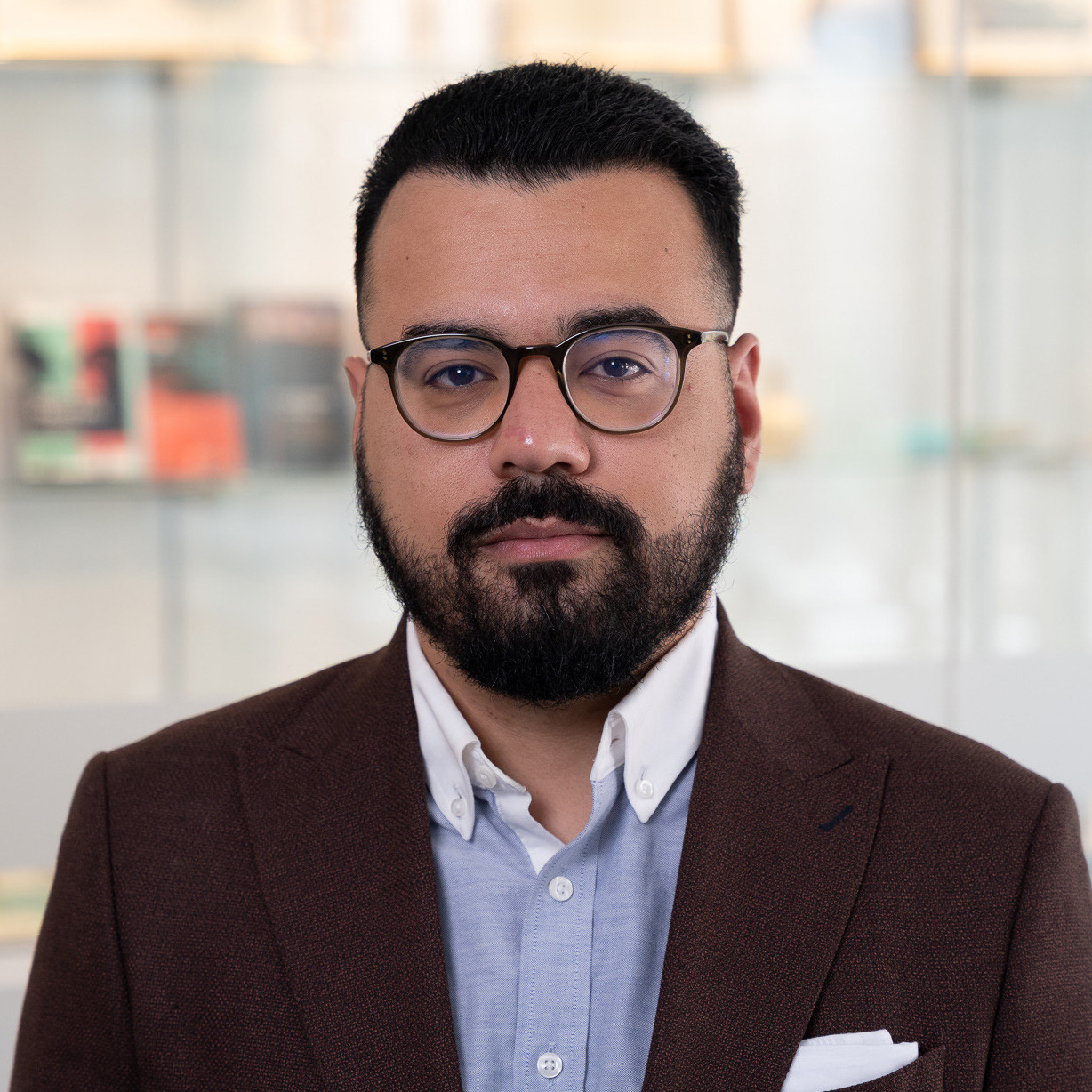
This article originally appeared in Foreign Policy and was co-authored by Mohammed Soliman, a global strategy advisor and a nonresident scholar at the Middle East Institute, and Elliot Silverberg, a nonresident James Kelly fellow at the Pacific Forum in Hawaii.
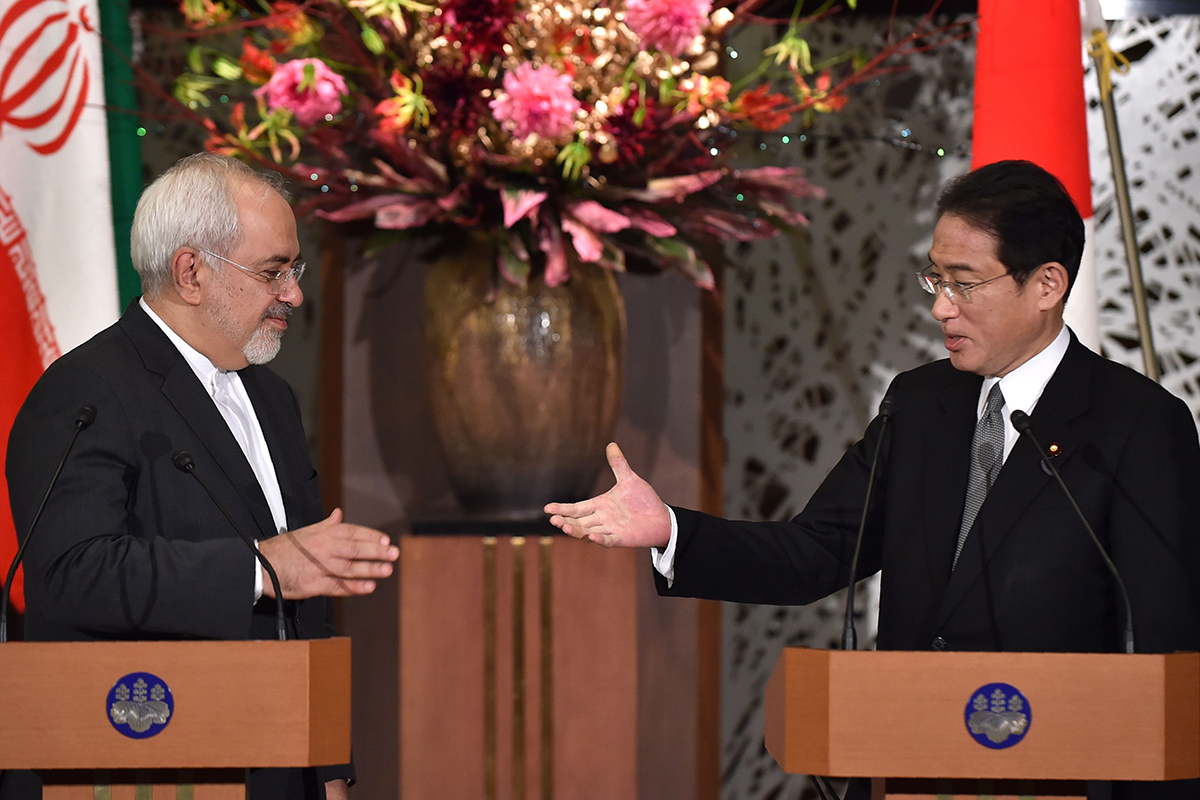
Last month, Japanese Foreign Minister Toshimitsu Motegi visited Egypt, Palestine, Israel, Jordan, Turkey, Iraq, Iran, and Qatar as part of a regional tour focused on Middle Eastern security and COVID-19 recovery. The visit coincided with the United States’ exit from Afghanistan as well as the ensuing uncertainty surrounding Washington’s decades-long commitments to the Arabian Gulf and broader involvement in regional geopolitics.
Back in Tokyo, meanwhile, just a year after assuming power, Japanese Prime Minister Yoshihide Suga is joining the deep ranks of Japan’s revolving-door prime ministers. But although Suga’s term in office was brief and troubled, his administration continued laying the important strategic groundwork of his predecessor, Shinzo Abe, whose eight-year tenure witnessed Japan’s transformation into a prominent steward of the liberal international order. Given Japan’s current depressed economy and setbacks to its COVID-19 recovery following the Tokyo Olympics, Suga’s potential successors will have their work cut out.
But as a highly networked middle power engaged on key areas of concern to the Middle East, Tokyo has an opportunity to open a multilateral strategic dialogue with the region that focuses on the critical issues of the next decades—namely, digital transformation and technological competition. Such a dialogue would help the Middle East adapt to Washington’s post-Afghanistan realignment, mitigate the risk of further regional destabilization, and balance the region’s competing interests between the United States and China.
Continue reading on Foreign Policy
Photo by KAZUHIRO NOGI/AFP via Getty Images
The Middle East Institute (MEI) is an independent, non-partisan, not-for-profit, educational organization. It does not engage in advocacy and its scholars’ opinions are their own. MEI welcomes financial donations, but retains sole editorial control over its work and its publications reflect only the authors’ views. For a listing of MEI donors, please click here.


Egypt: How the Iran War Has Affected Egypt’s Calculations