Partners at war: Pakistan-Afghanistan conflict tests China’s westward strategy
منشورات خارجية
March 3, 2026
شارك
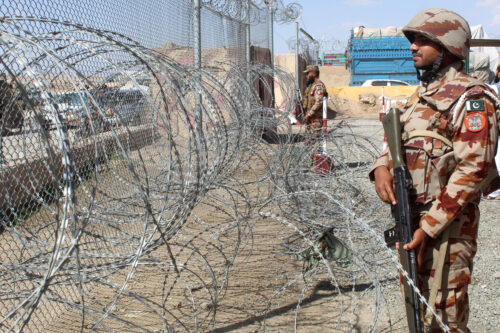
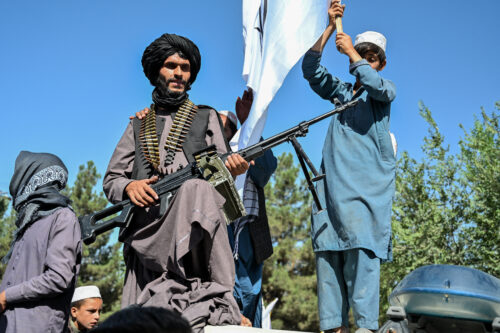
On 27 February 2026, Pakistan declared itself in “open war” with Afghanistan. Overnight, Pakistani aircraft struck Kabul, Kandahar, Paktia and Jalalabad. The Taliban government responded with cross-border assaults along the Durand Line. What had simmered for years as proxy violence and mutual recrimination erupted into overt interstate conflict.
But this is not simply a bilateral rupture. It is a crisis at the centre of China’s regional strategy.
For more than a decade, Beijing has worked to position Pakistan and Afghanistan as interconnected pillars of its westward economic expansion. Now those two pillars are exchanging airstrikes across the very routes meant to bind them together. The war along the Durand Line is therefore more than a border conflict. It is a test of whether infrastructure and economic integration can stabilise a region where insurgency, ideology and unresolved sovereignty disputes remain deeply entrenched.
معهد الشرق الأوسط (MEI) هو منظمة تعليمية مستقلة وغير حزبية وغير ربحية. لا يشارك المعهد في أي أنشطة دعوية، وآراء الباحثين فيه تعبر عن آرائهم الشخصية. يرحب المعهد بالتبرعات المالية، لكنه يحتفظ بالسيطرة التحريرية الكاملة على أعماله، ولا تعكس منشوراته سوى آراء المؤلفين. للاطلاع على قائمة المتبرعين للمعهد، يرجى النقر هنا.