On May 15, Lebanon goes to the polls for its first parliamentary elections since the 2019 protest movement, the financial and socio-economic collapse, and the Beirut port explosion. Join the Middle East Institute for a two-part webinar series before and after this long-awaited political milestone.
Key questions that will be explored include: What is the Lebanese political and electoral landscape like today? Will elections bring about the change many Lebanese have hoped for, or will establishment parties consolidate power? Who are the biggest winners and losers? From a US foreign policy perspective, what to make of the results? What will the days and months after the elections look like for Lebanon and what should international observers pay particular attention to?
Speakers:
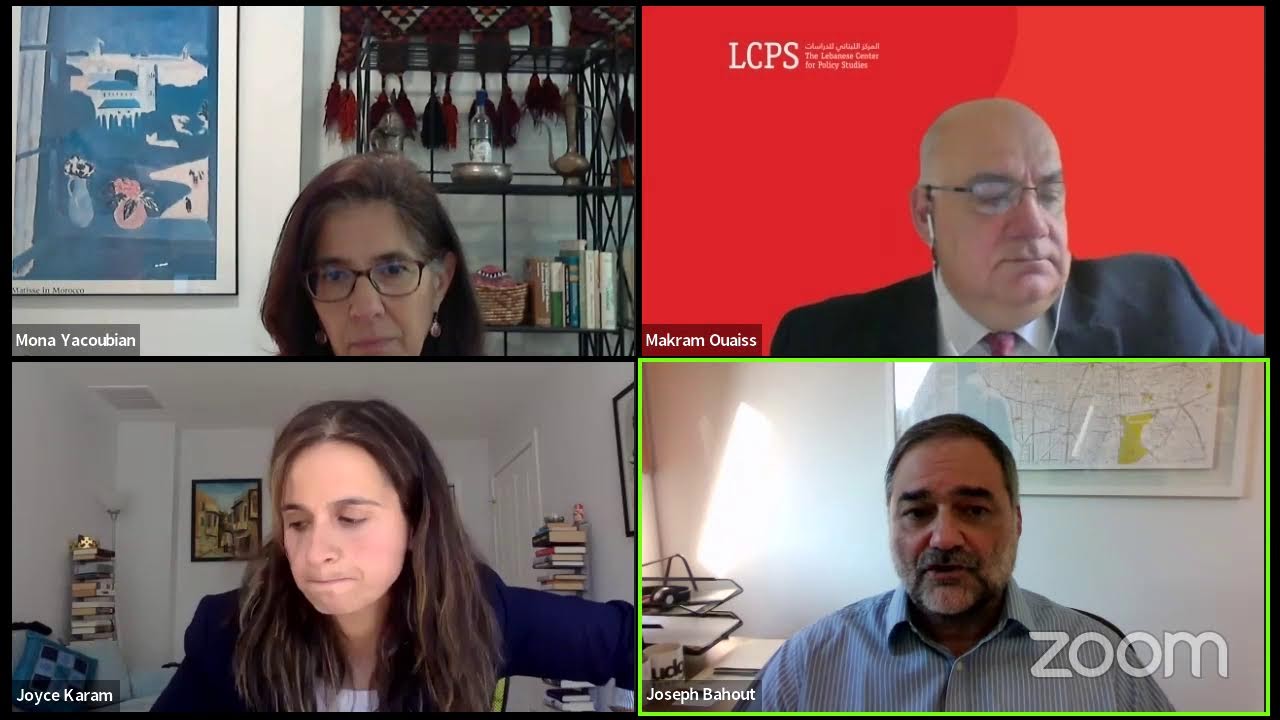
Joseph Bahout Director, Issam Fares Institute for Public Policy and International Affairs (IFI) at the American University of Beirut (AUB)
Makram Ouaiss Executive Director, The Lebanese Center for Policy Studies
Mona Yacoubian Senior Advisor to the Vice President of Middle East and Africa, United States Institute of Peace (USIP)
Joyce Karam, moderator Senior US Correspondent, The National
Five key takeaways:
Lebanon’s recent election has created an opening for reform: By removing numerous members of the old guard and replacing them with new blood, the election represented a major political shift. Hezbollah is now on the back foot, said Mona Yocoubian.
The Lebanese diaspora vote was crucial for the success of Lebanon’s new potential reformers: Makram Ouaiss said that this showed that the diaspora plays a much more nuanced role than simply providing remittances from abroad.
Time is of the essence for reforms to go through in the Lebanese parliament: The situation on the ground continues to devolve as the Lebanese pound depreciates and the Ukraine war adds pressure from increasing food prices. With minimal gridlock, IMF reforms still may not be possible until 2023.
To support reformers in Lebanon, the United States should devote more resources to civil society: Considering the deteriorating humanitarian situation and Lebanon’s enormous refugee population, the U.S. can help Lebanon by shifting some of its focus from Hezbollah towards helping Lebanese civil society to work through reforming its country’s governance.
There is a real risk that gridlock will return to the Lebanese parliament: “I fear that the gridlocks that we have already lived in Lebanon in the last ten or fifteen years are here to come back,” said Joseph Bahout, “the presidential election this time will not happen easily because of the split in two of the [Lebanese] parliament… probably we will have a long period of stalemate in the parliament not meeting and not electing a president.”