The Dangers Presented by Russian and PRC Weapons Sales to Iran
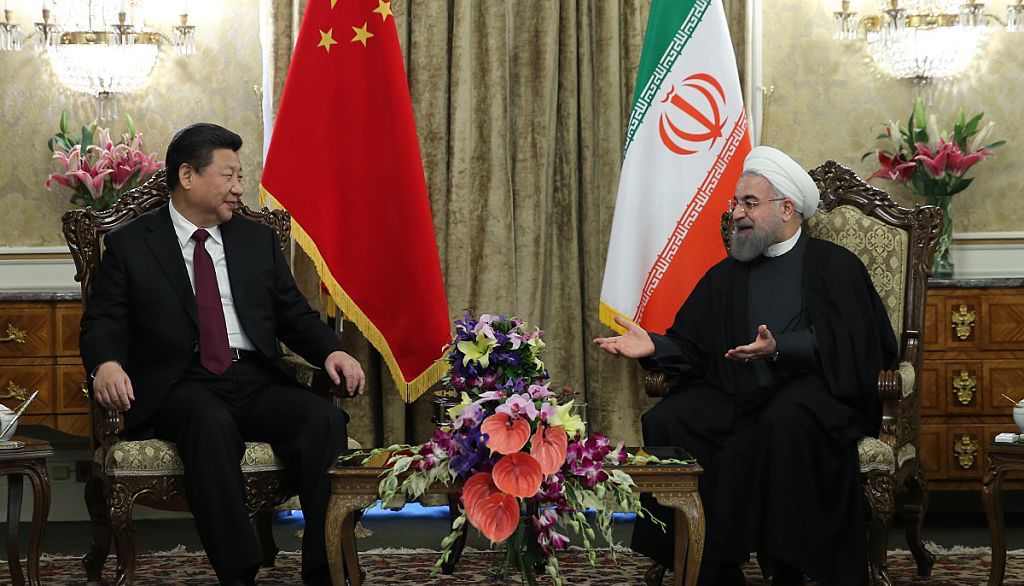
In October, the United Nations embargo on arms sales to Iran is scheduled to expire. This was a deadline specified in the 2015 Iran nuclear deal concluded by the Obama Administration. The Trump administration stridently opposes the lifting of this restriction and is lobbying within the UN Security Council to have the embargo extended indefinitely.
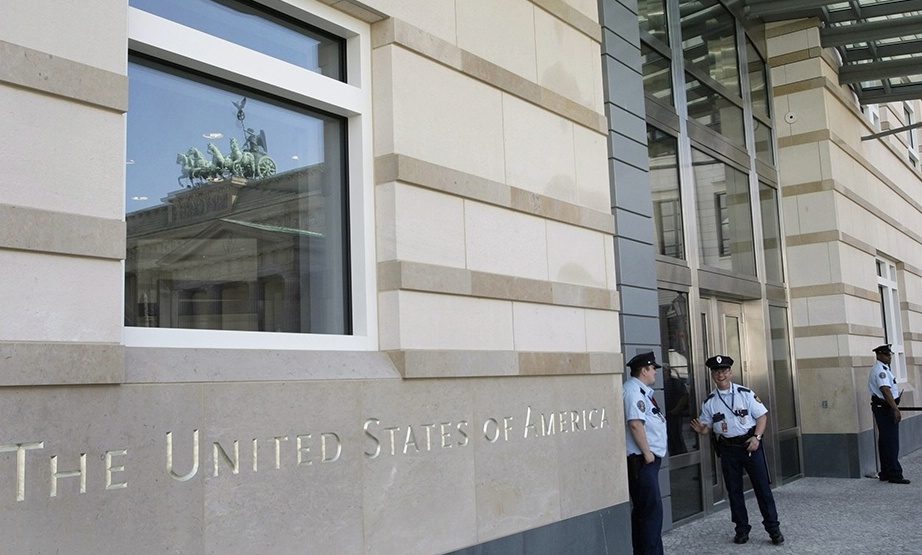
On July 27, the White House announced that President Donald Trump has appointed retired U.S. Army Colonel Douglas Macgregor to be the next American ambassador to Berlin. Macgregor’s appointment is already seen by some in Tehran as about more than just an American military drawdown in Germany: it is seen as a sign of a broader American policy reorientation in Europe and beyond.
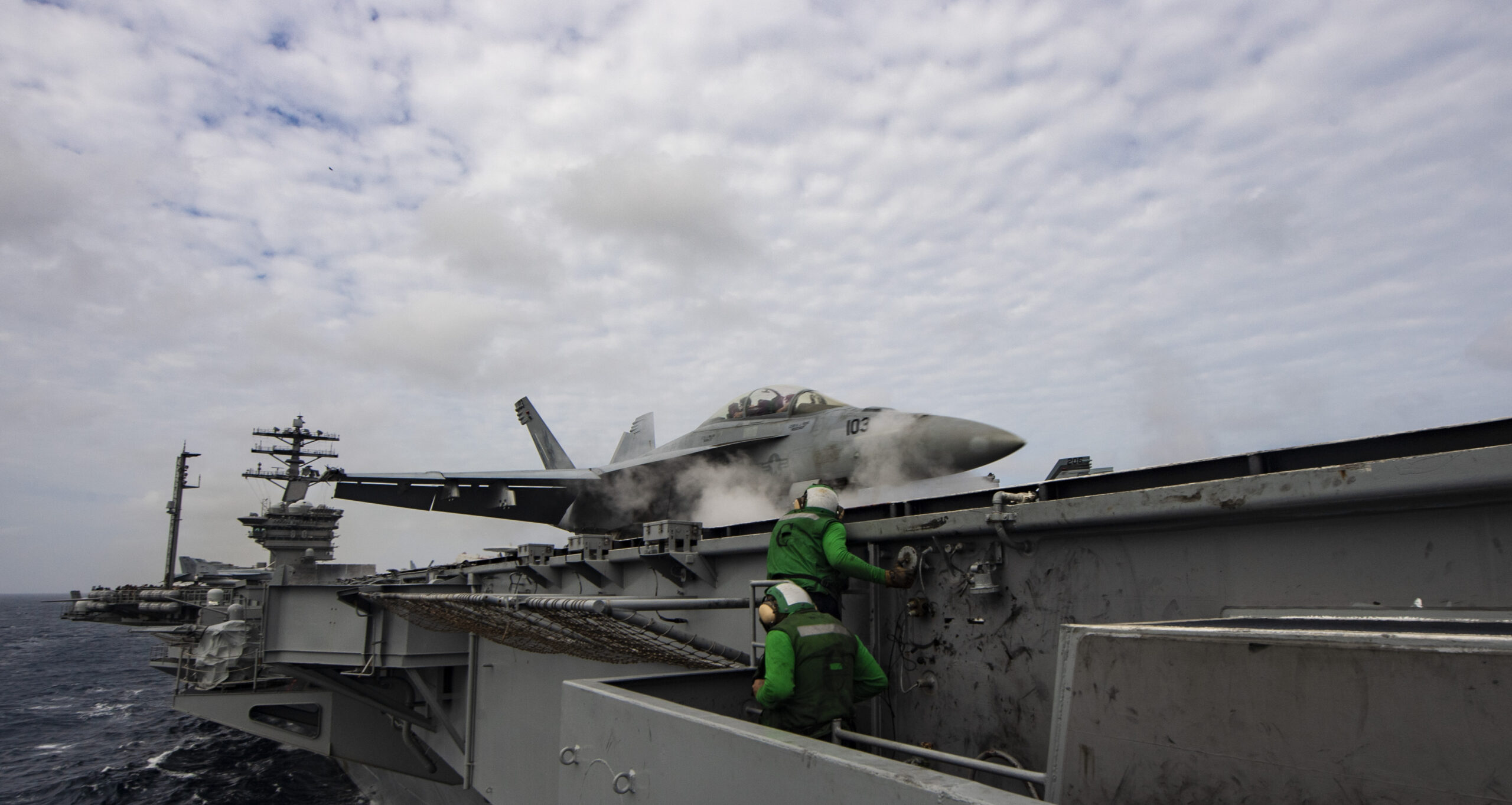
I don’t understand why Iran’s Revolutionary Guards insist on conducting military exercises in the Gulf waters that are as devoid of credibility as they are comical. Because if the goal of these drills is to intimidate or change the calculations of the U.S. Navy, nobody is flinching or losing any sleep in the Bahrain-headquartered U.S. Naval Forces Central Command, or NAVCENT.
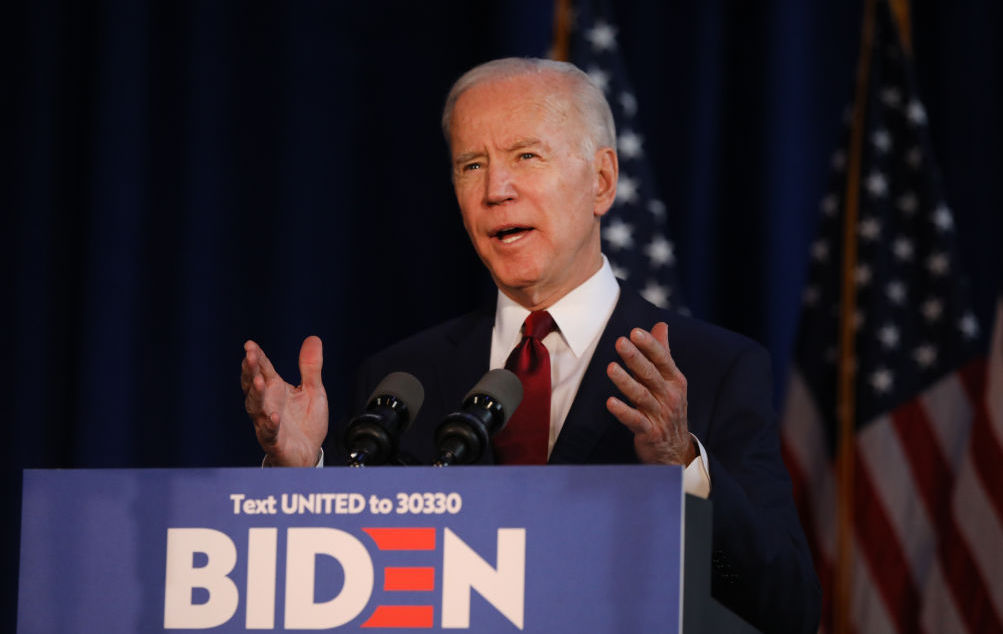
If elected, Joe Biden and his administration will face a wide range of foreign policy challenges. Possibly none will be more vexing than what to do about the clerical regime in Iran.
Monday Briefing: GERD talks continue, but political will is still lacking
This week’s briefing on recent news and upcoming events in the region featuring Mirette F. Mabrouk, Marvin G. Weinbaum, Gonul Tol, Alex Vatanka, and Gerald Feierstein.
لماذا يعد رد طهران على اعتراض الولايات المتحدة لطائرة الركاب الإيرانية أكثر من مجرد حملة علاقات عامة
“تهدف السلطات الإيرانية إلى الاستفادة من هذه الحلقة كوسيلة للضغط على دول المنطقة التي توفر قواعد عسكرية للجيش الأمريكي.”
تشعر طهران بقلق شديد من اعتراض طائرة مدنية إيرانية فوق سوريا في 23 من شهر يوليو من طرف طائرتان أمريكيتان من طراز F-15. وما أثار انتباه وسائل الإعلام الغربية هو اتهام إيران للولايات المتحدة بالقيام بأعمال “قرصنة” و”إرهاب” في المجال الجوي السوري.
اتهامات طهران كانت متوقعة وتعد مجرد حلقة أخيرة في سلسلة الاتهامات والاتهامات المضادة بين الولايات المتحدة وإيران.
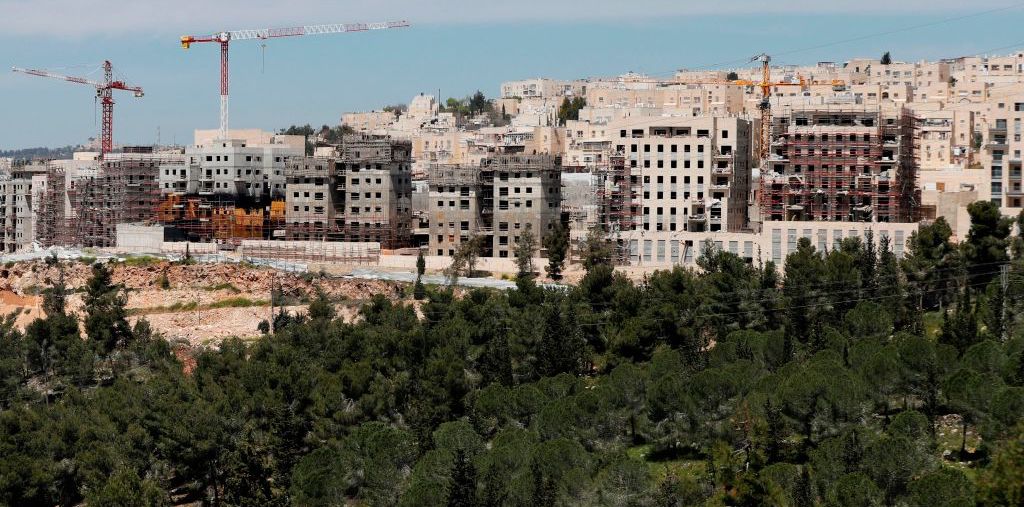
The potential cyber consequences of Israeli annexation of Palestinian territory
While it seems as though the immediate threat of Israeli annexation has, for the time being, faded, the incident raises an interesting new set of questions about how this particular battle will continue to play out in an increasingly digitized Middle East and the potential for retaliation by Palestinian and other actors in cyberspace, whether or not such an annexation takes place.
Monday Briefing: Red lines and rising tensions in Libya
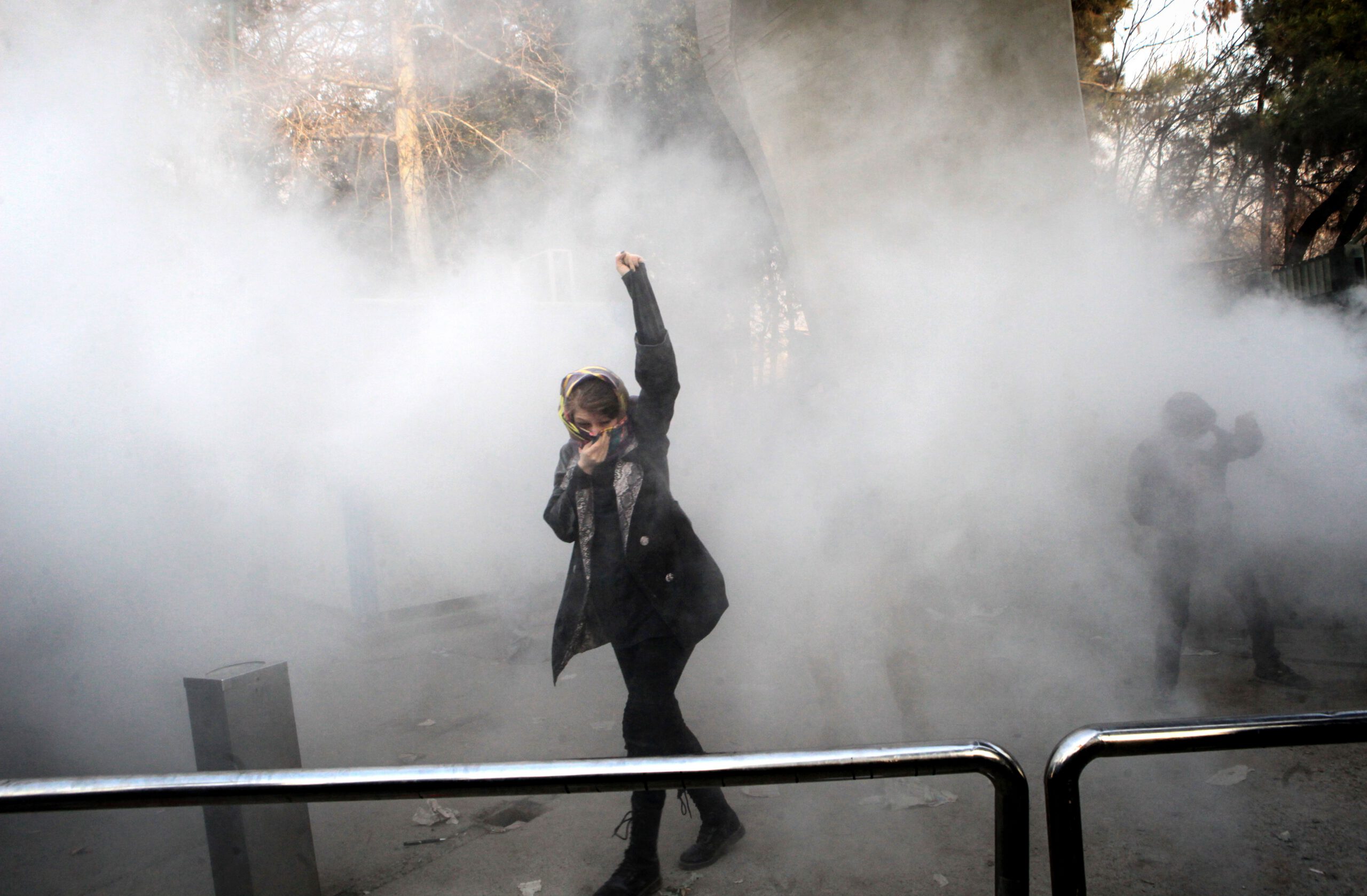
In this week’s Monday Briefing, MEI experts Mirette F. Mabrouk, Robert S. Ford, Nazila Fathi, and Marvin G. Weinbaum provide analysis on recent and upcoming events including rising tensions in Libya, economic turmoil and anti-regime protests in Iran, and the Jordanian high court’s decision to dissolve the Muslim Brotherhood.
الأزمات الاقتصادية وعمليات الإعدام المتكررة تسببت في اندلاع احتجاجات جديدة في إيران
اندلعت احتجاجات مناهضة للنظام الإيراني في عدة مدن إيرانية أواخر الأسبوع الماضي وسط تزايد البؤس الاقتصادي، وبعد أن أيدت محكمة محلية أحكام الإعدام في حق ثلاثة شبان، مما أثار غضب الشارع.
وأظهرت مقاطع فيديو منشورة على منصة تويتر، وجودًا كثيفًا لقوات الأمن في عدة محافظات، بما في ذلك طهران، خراسان، وخوزستان التي شهدت اشتباكات دموية خلال احتجاجات نوفمبر الماضي.
What’s behind the wave of mysterious incidents in Iran?
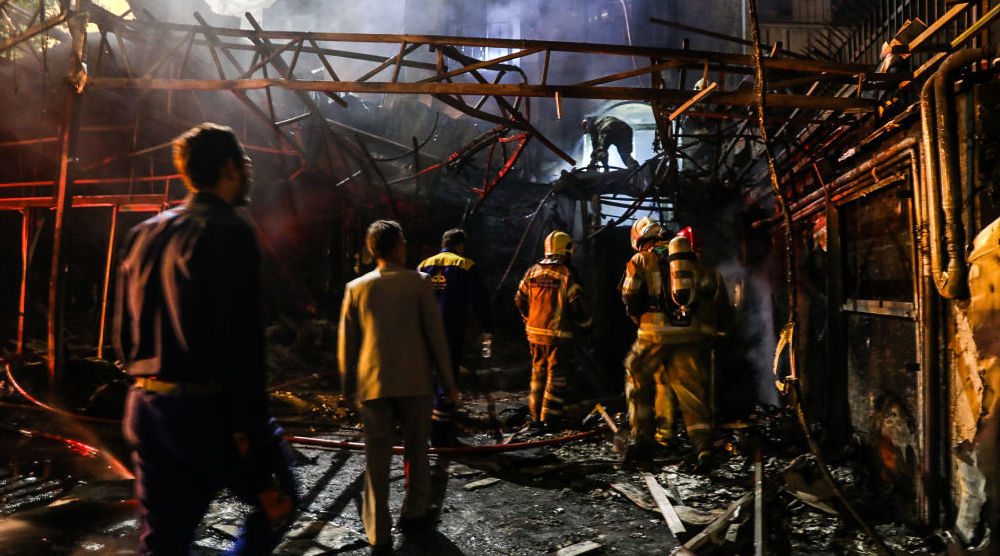
On the 10th anniversary of the discovery of the Stuxnet computer virus, designed by the U.S. and Israel to target Iran’s nuclear program, the Islamic Republic is facing a new wave of unclaimed acts of sabotage.
Alex Vatanka, Nazila Fathi, and Amin Mohseni join host Alistair Taylor to discuss the social, economic, and political challenges facing Iran, ranging from the COVID-19 and economic crises to the new Parliament and next year’s presidential election.
The Islamic Republic's next generation of leaders: A profile of Alireza Arafi
Outside of clerical circles in Iran, the name of Alireza Arafi is hardly well known, but he deserves more attention. His entire career has been shaped by appointments given to him by Supreme Leader Ayatollah Ali Khamenei. In fact, Arafi may even be a candidate to succeed Khamenei when the day comes.
With the election of former IRGC commander Mohammad Bagher Ghalibaf as speaker of the Iranian Parliament, Ayatollah Ali Khamenei’s “Second Phase of the Revolution” is well under way in two of the three branches of government in the Islamic Republic. All eyes have now turned to the presidency, with elections less than one year away.
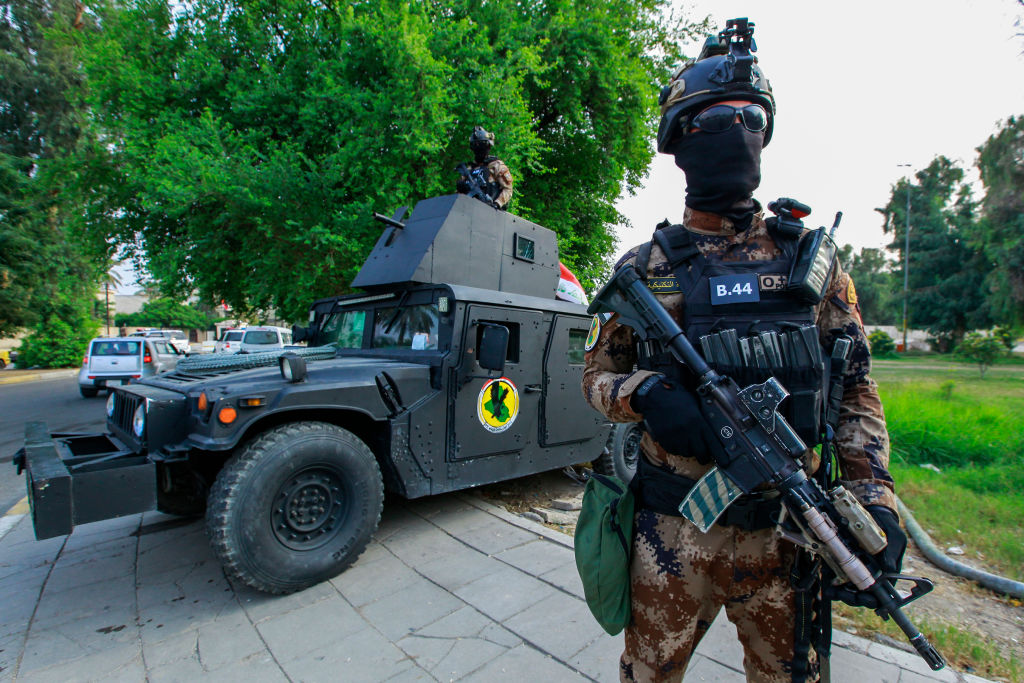
Late on June 25, the Iraqi Counter Terrorism Service carried out an operation against Kataib Hezbollah, a powerful Iran-backed militia, in the suburbs of Baghdad, detaining militiamen, confiscating mobile Katyusha rocket launchers, and accusing the group of plotting another round of rocket attacks targeting the Green Zone and Baghdad International Airport.
Top photo:
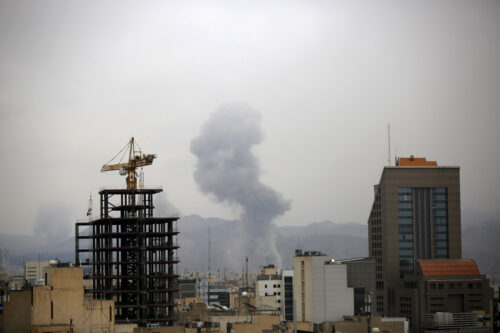
TEHRAN, IRAN – MARCH 10: Smoke rises among the residential buildings following an Israeli attack on Tehran, Iran on March 10, 2026. (Photo by Fatemeh Bahrami/Anadolu via Getty Images)