This individual is a guest contributor. MEI is not able to assist with contact requests.
Attiya Ahmad is Georgetown University’s 2009-10 Center for International and Regional Studies Post-Doctoral Fellow. She recently completed her PhD in Cultural Anthropology at Duke University. Dr. Ahmad’s work brings together scholarship on Islamic studies, globalization, diaspora and migration studies, economic anthropology, and political economy.
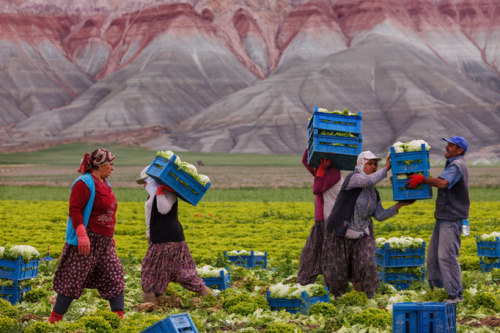
Climate Change Threatens Turkey’s Role as a Food Supplier to Europe and the Middle East
The persistence of high food inflation in Turkey belies a deeper problem. Turkish agrifood production cannot adequately cope with increasing water scarcity due to climate change. Challenging Turkey’s own food security, the growing crisis also threatens Turkey’s role as a food supplier to Europe and the Middle East. Regional food supply chain breakdowns due to a decline in Turkish production would create a debilitating economic impact on both regions.
5 ways the US, Europe can push for Israel-Arab environmental cooperation – opinion
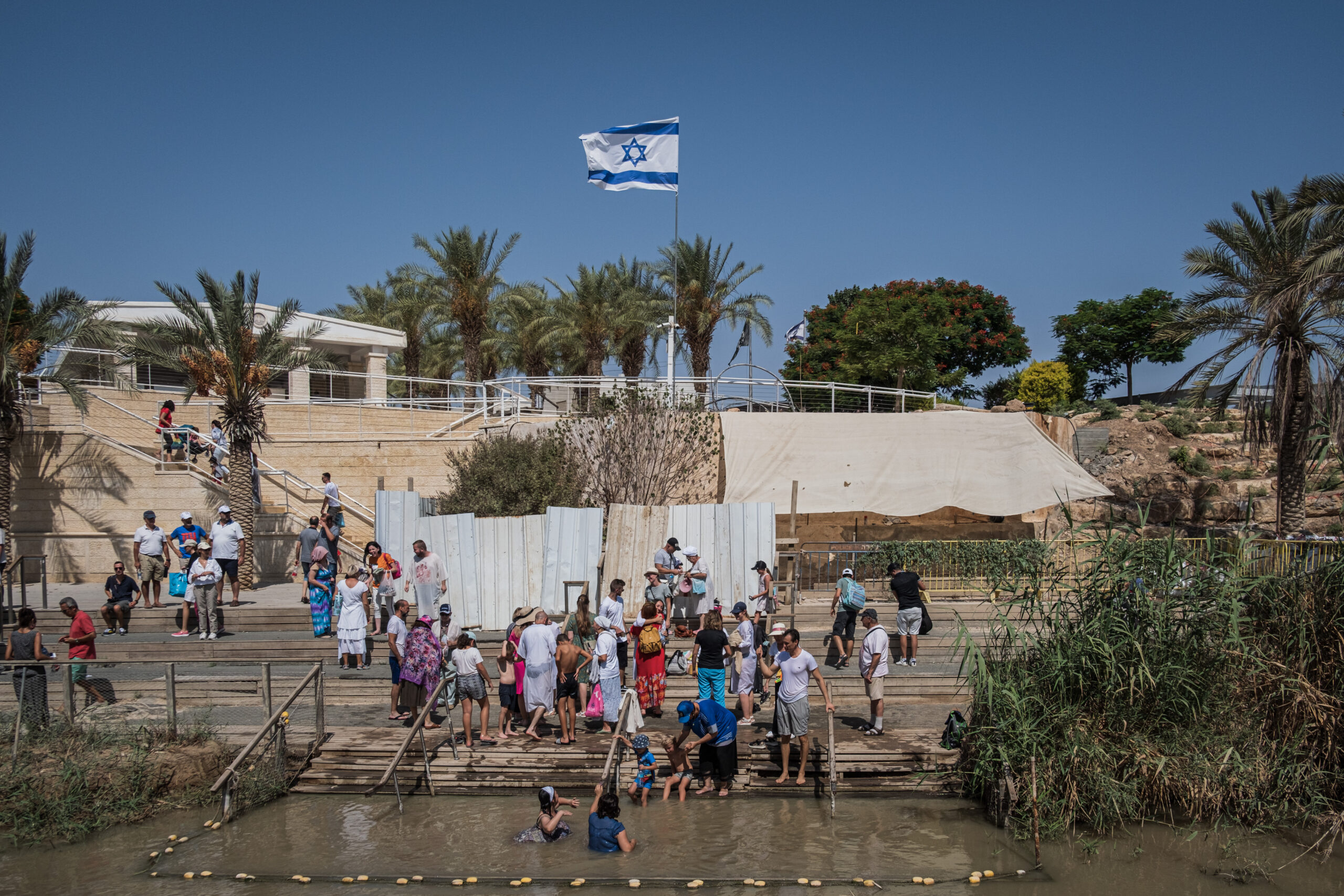
Environmental challenges are creating new priorities for countries in the Middle East and the Mediterranean and increasing cross-border cooperation – including between Israel and Arab countries. Such cooperation can assist in tackling climate change through a regional and global lens, can foster regional stability, maintain and expand circles of peace and normalization, and increase prosperity and economic development.
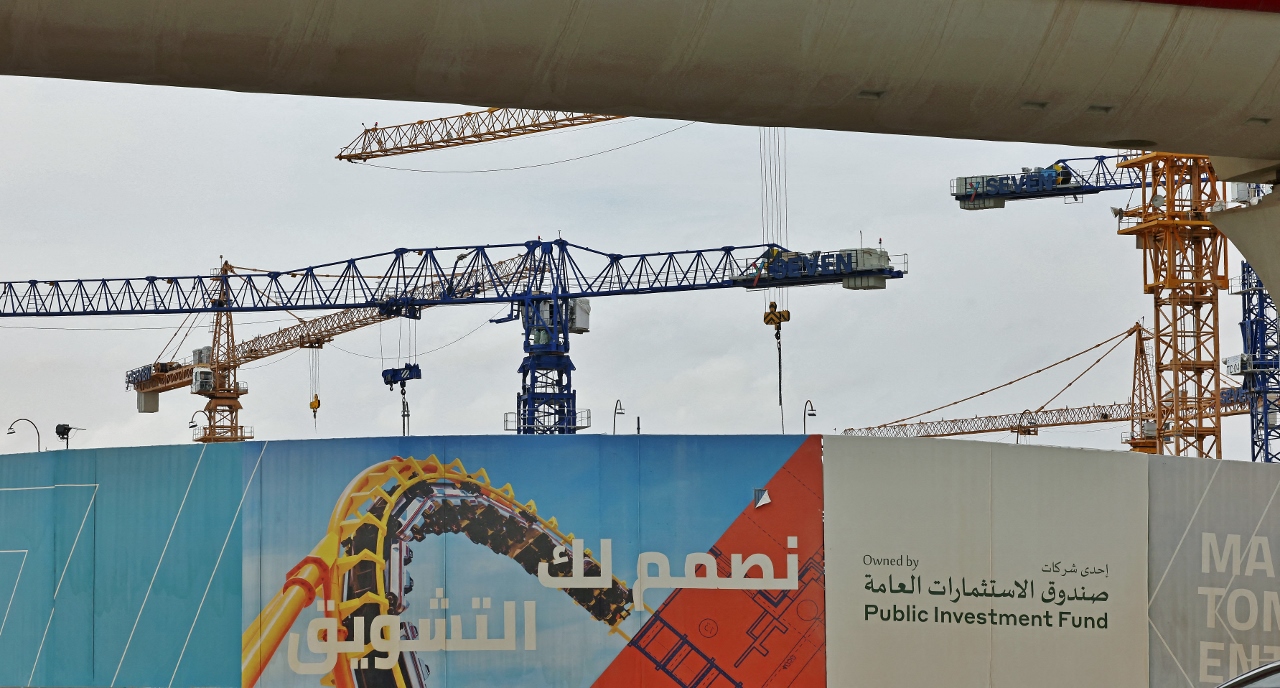
The new wave of dealmaking by Gulf sovereign wealth funds
For resource-rich countries such as Gulf oil and natural gas producers, sovereign wealth funds have emerged as promising tools to save for future generations, mitigate the effects of outsized economic shocks, and/or be deployed as reserve investment and strategic development funds to spend on human, natural, social, and physical capital.
In North Africa, Startups and NGOs Drive Local Innovation. What Is Missing?
Innovation is often cited as the prerequisite for development, growth, and prosperity. New ways to improve on existing practices and approaches, curiosity, and the ability to carry that forward into new ideas, discoveries and inventions help economies thrive, populations develop, and lives prosper. In the North African context, innovation is charting an uneven course. This human ability to improve, build, and innovate is at times fed by state institutions or hindered by them.
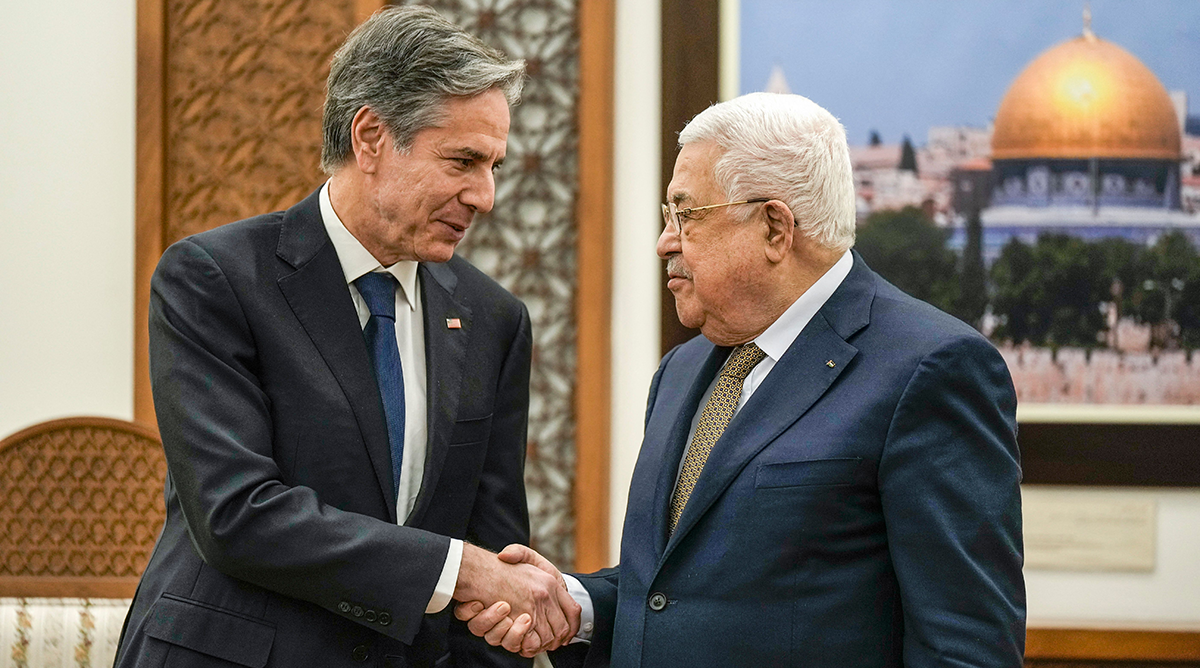
After Jenin, the US should invest more in improving Israeli-Palestinian relations and advancing peace
Since the current Israeli government was established in December 2022, Israeli-Palestinian escalation has seemed inevitable. Tensions have steadily mounted and if that trend continues unchecked, a wider and more significant flare up might eventually happen. Given the worrying trajectory, the U.S. needs to get more involved.
سورية التي أسست للخلاف بين قوات فاغنر والحكومة الروسية
لم يكن تمرد مجموعات فاغنر العسكرية على الحكومة الروسية ووزارة الدفاع وقادتها العسكريين مفاجئاً، خاصة في الفترة الأخيرة من الحرب الروسية الأوكرانية مع الظهور المستمر لزعيم تلك القوات يفغيني بريغوجين، الذي تكرر ظهوره خلال الأشهر الماضية منتفداً تارة ومهدداً تارةً أخرى للقادة العسكريين الروس، بسبب ما قال إنه نقص في الذخيرة والمعدات المقدمة لقواته على جبهات أوكرانية وخاصة باخموت، ما تسبب بمقتل العشرات من قواته على مدار الفترة الماضية.
Syria is where the conflict between Wagner and the Russian government began
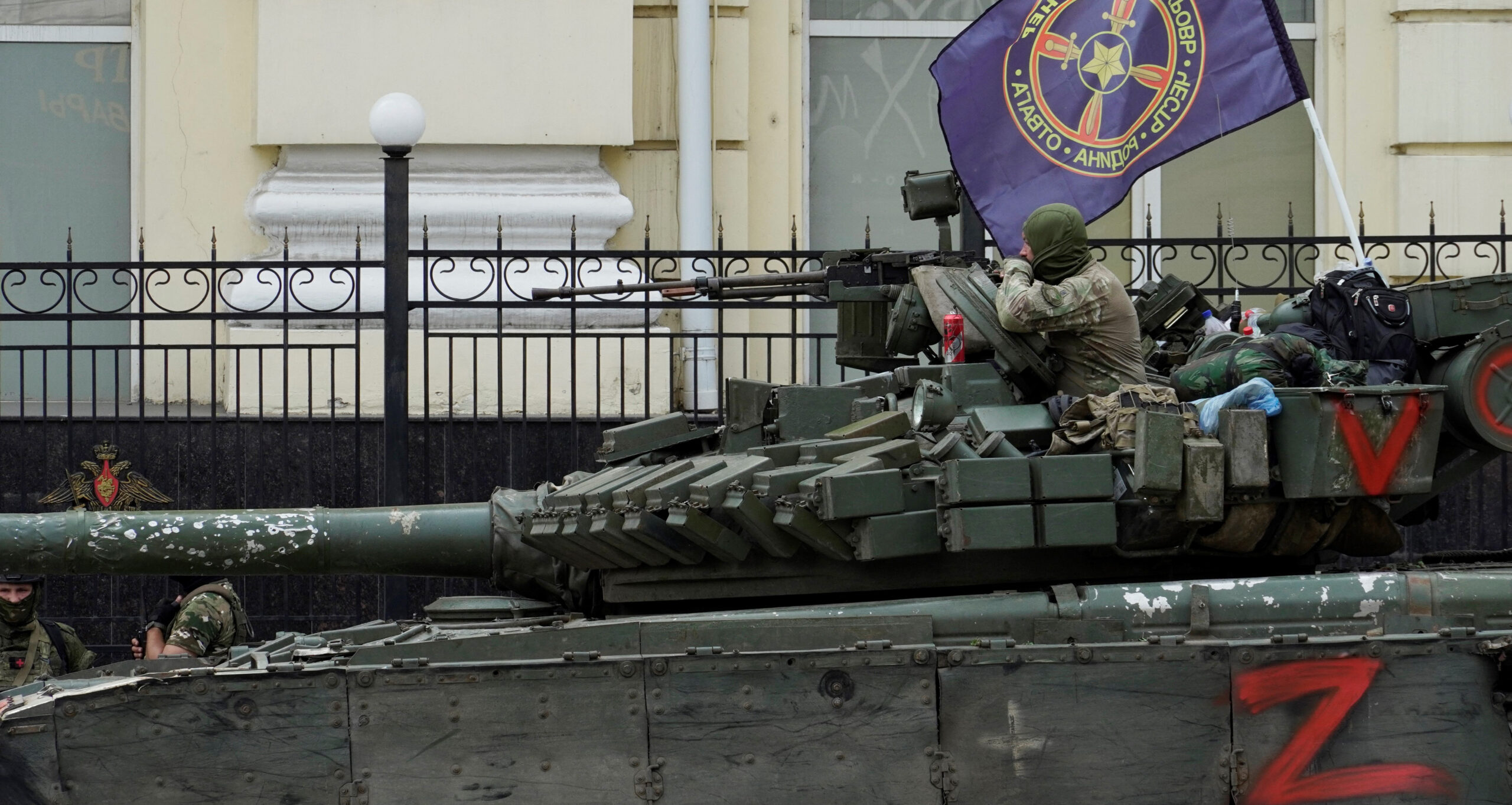
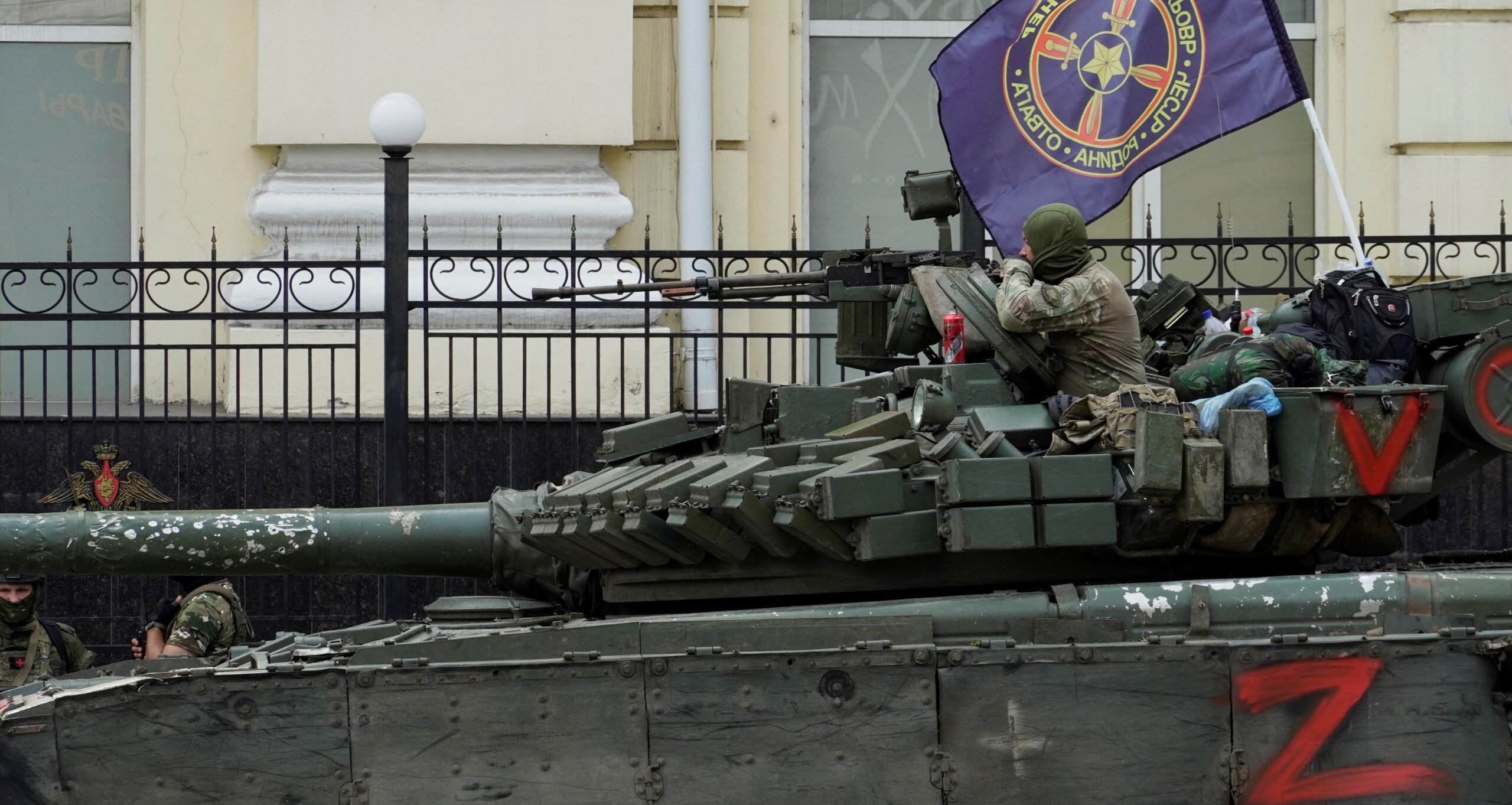
The conflict between the Wagner Group and the Russian government was not born out of the full-scale invasion of Ukraine, though the war there caused the rift to widen and tensions to explode publicly in the form of an armed rebellion. Instead, the discord actually started in Syria back in 2017 and has intensified since then.
Jenin’s Freedom Theatre rises from the ashes once again
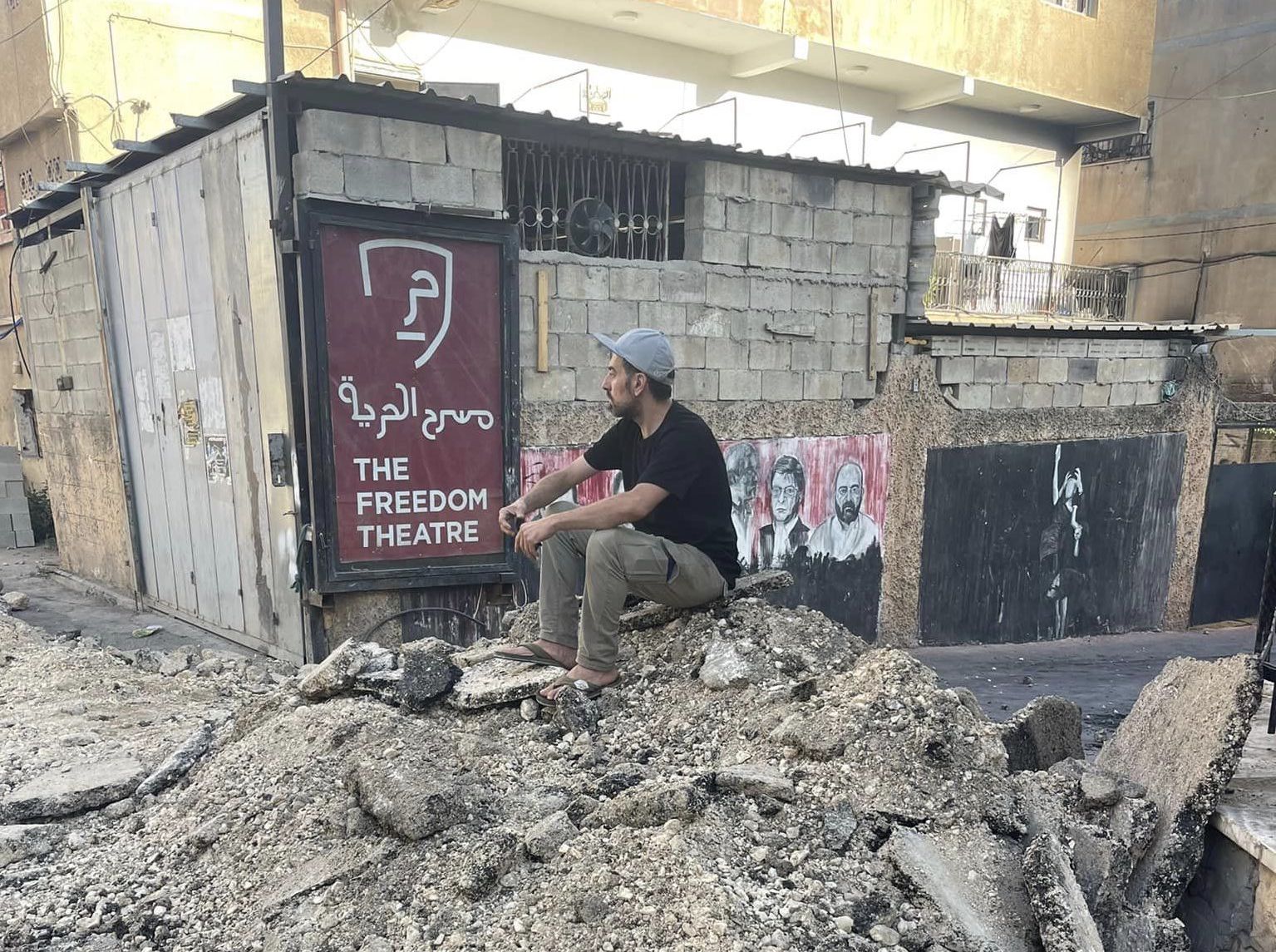
The Freedom Theatre, headquartered in the Jenin Refugee Camp that was invaded once again by the Israel Defense Forces last week, is nothing if not a crucible for the Palestinian experience. Up against grinding poverty, occupation, religious extremism, and, more recently, aerial bombardment, the theater miraculously survives.
The UN Syria cross-border aid mandate is dead. What comes next could be a catastrophe
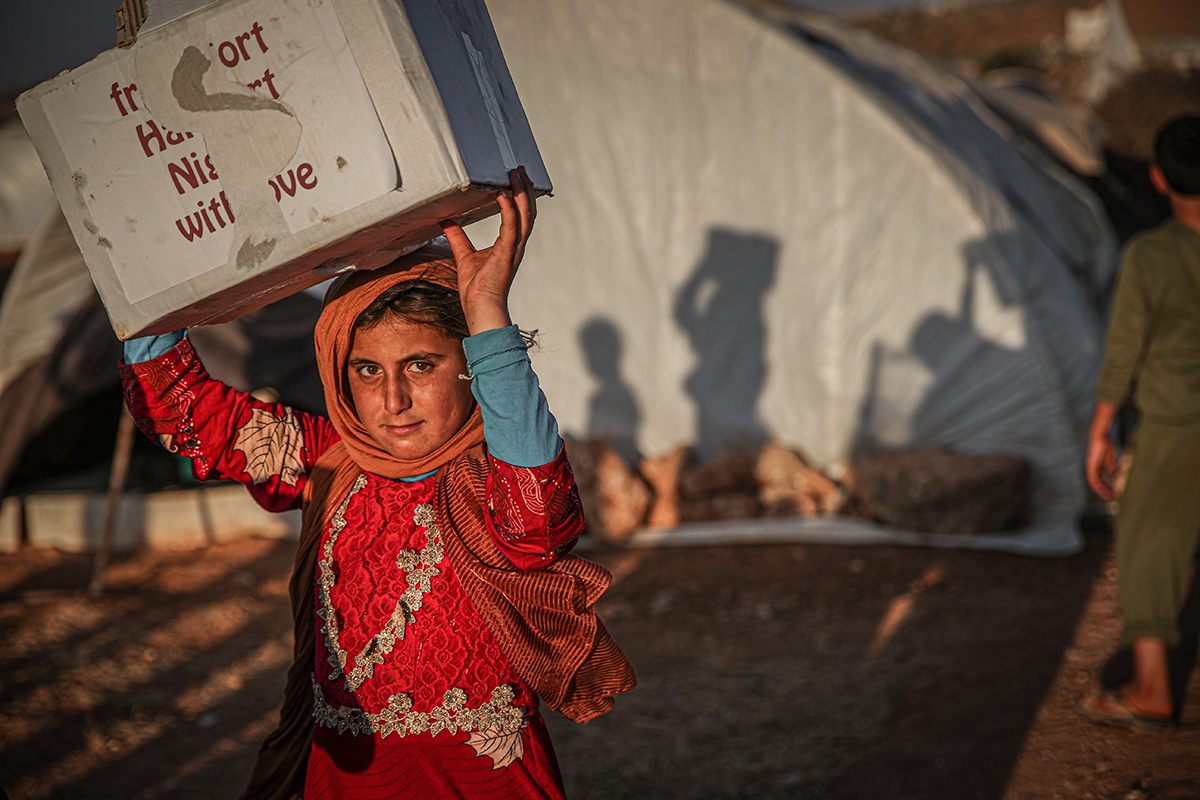
Northwestern Syria is home to the world’s most acute humanitarian crisis. The prospect of the Assad regime being able to exert all control over what aid goes into the area is unconscionable.
Regional Environmental Cooperation Between Israel and Its Neighbors
As environmental challenges become a priority for countries across the Middle East and the Mediterranean, this creates new opportunities for regional environmental cooperation, including between Israel and its neighbors. Despite being limited in scope and facing several key obstacles, regional cooperative endeavors are taking place, including on both the bilateral and multilateral levels, and efforts to sustain and expand them are underway. This new report, written under the auspices of the Israel Climate Forum, addresses the importance of regional environmental cooperation in the Middle East and Mediterranean, examines the scope of such cooperation between Israel and its neighbors, and spells out opportunities, obstacles, and recommendations for increased coordination and joint action, including the role the U.S. and Europe can play.
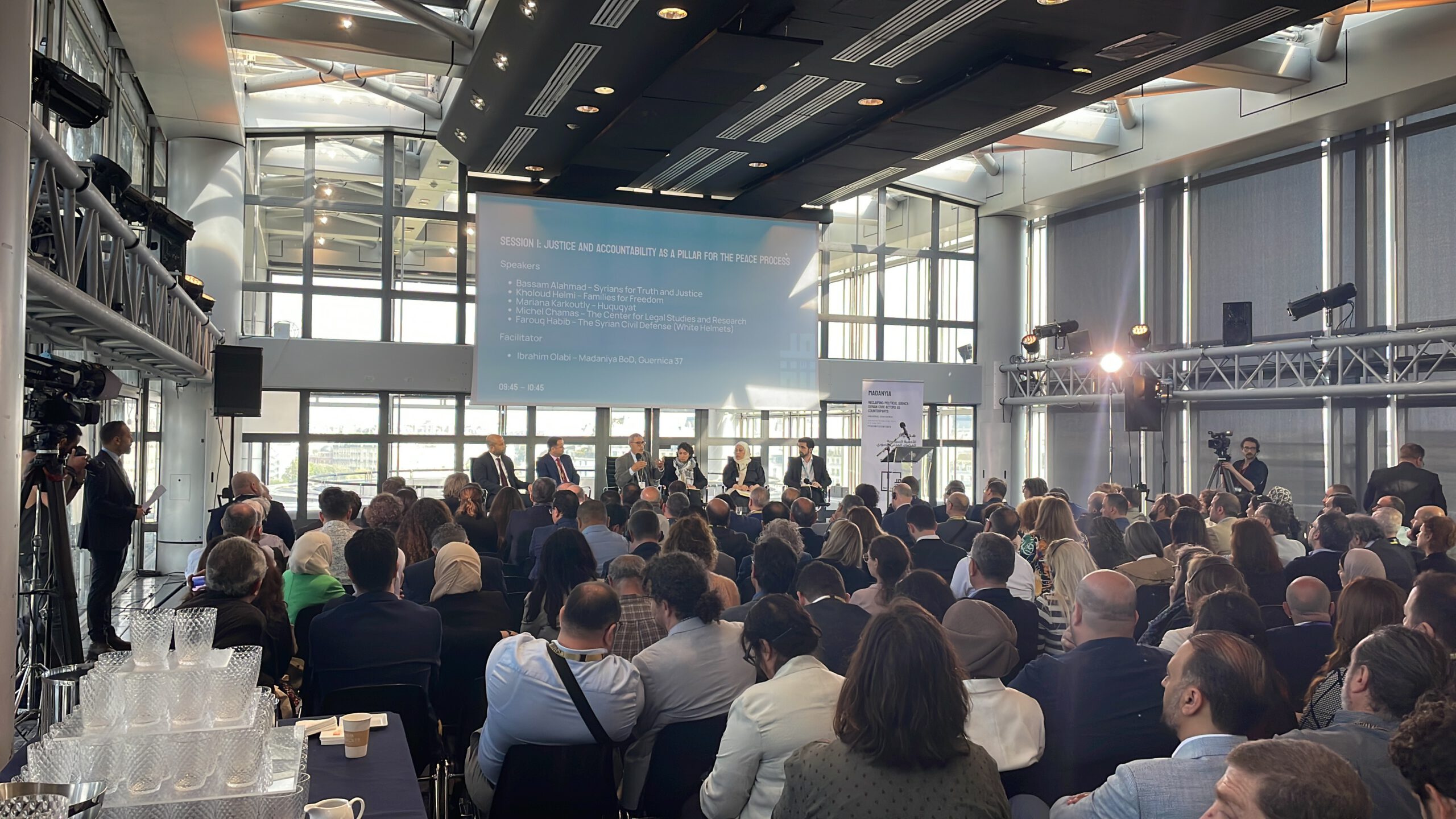
Following two years of preparation, the Syrian Madaniya (“Civil”) initiative held its inaugural conference with over 180 participating organizations. To claim a political role, Madaniya needs a program and a partner. The natural partner for this endeavor is the Syrian Negotiation Commission.
How India views China’s diplomacy in the Middle East
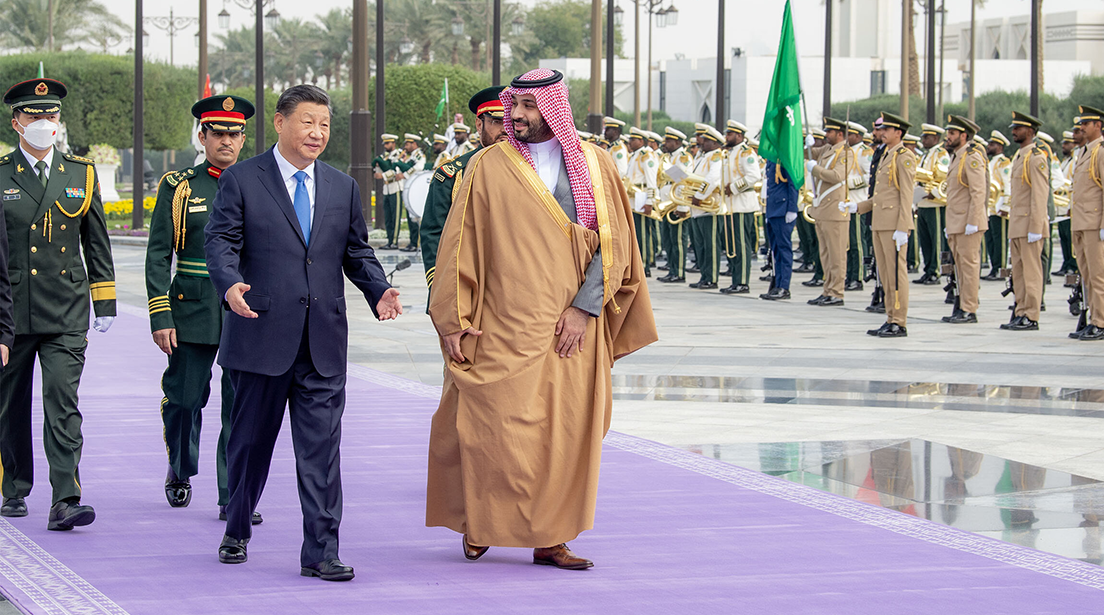
Beijing’s desire for a larger regional footprint is useful for powers in the Middle East that are looking to play the U.S. and China against each other. For India, the equation is rather different, as New Delhi is arguably unable to hedge in the same way. India’s approach toward the region can be seen on two fronts, strategic and economic. The common factor between them is the India-U.S. partnership feeding into new minilaterals, economic ties, and relationships in the region.
Paul Scharre’s book “Four Battlegrounds: Power in the Age of Artificial Intelligence” straddles two lines of thought: the transformative impact of AI on power and warfare in the 21st century and the dangers AI presents to human freedoms, individual rights, and the meaning of truth and reality.