This individual is a guest contributor. MEI is not able to assist with contact requests.
Attiya Ahmad is Georgetown University’s 2009-10 Center for International and Regional Studies Post-Doctoral Fellow. She recently completed her PhD in Cultural Anthropology at Duke University. Dr. Ahmad’s work brings together scholarship on Islamic studies, globalization, diaspora and migration studies, economic anthropology, and political economy.
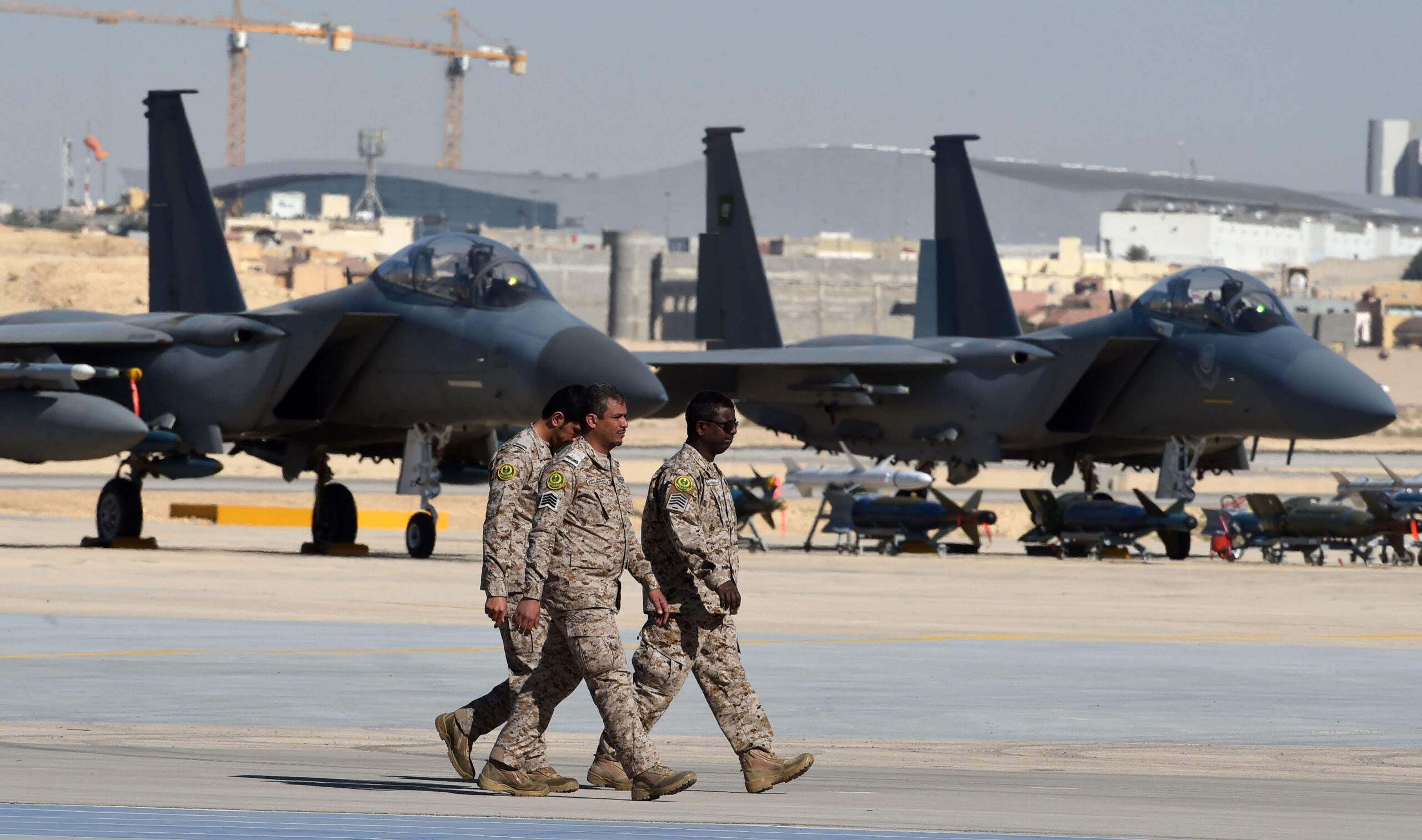
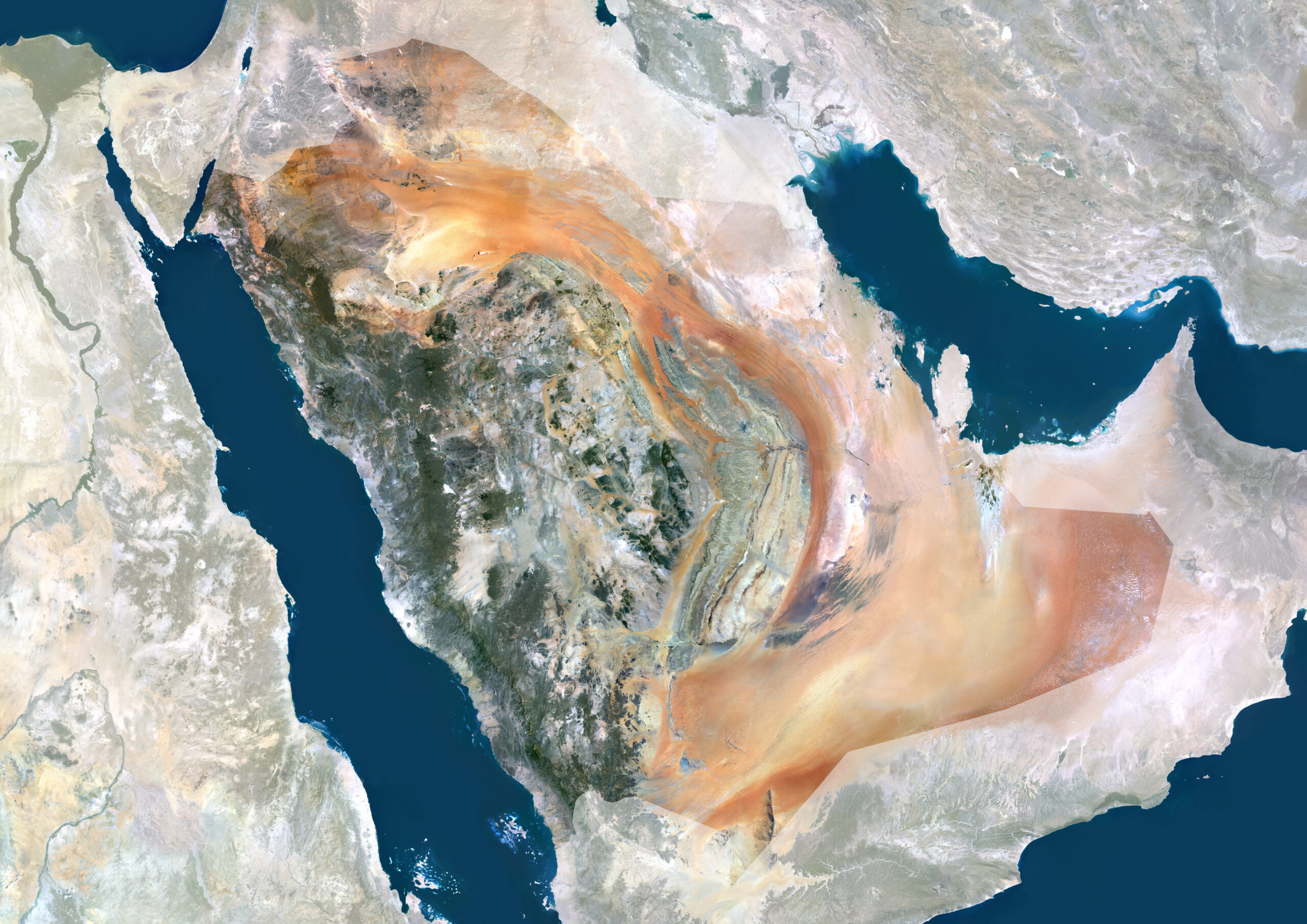
After Oil-for-Security: A Blueprint for Resetting US-Saudi Security Relations
Although U.S.-Saudi bilateral ties are on the mend, ambiguities and the transactional nature of the 1945 oil-for-security covenant contribute to mistrust and tensions. The burden of fixing or stabilizing the relationship is a shared responsibility. It’s time for Washington and Riyadh to reconfigure their security ties in accordance with new U.S. geopolitical priorities and new Saudi defense requirements. This report lays out such a process.
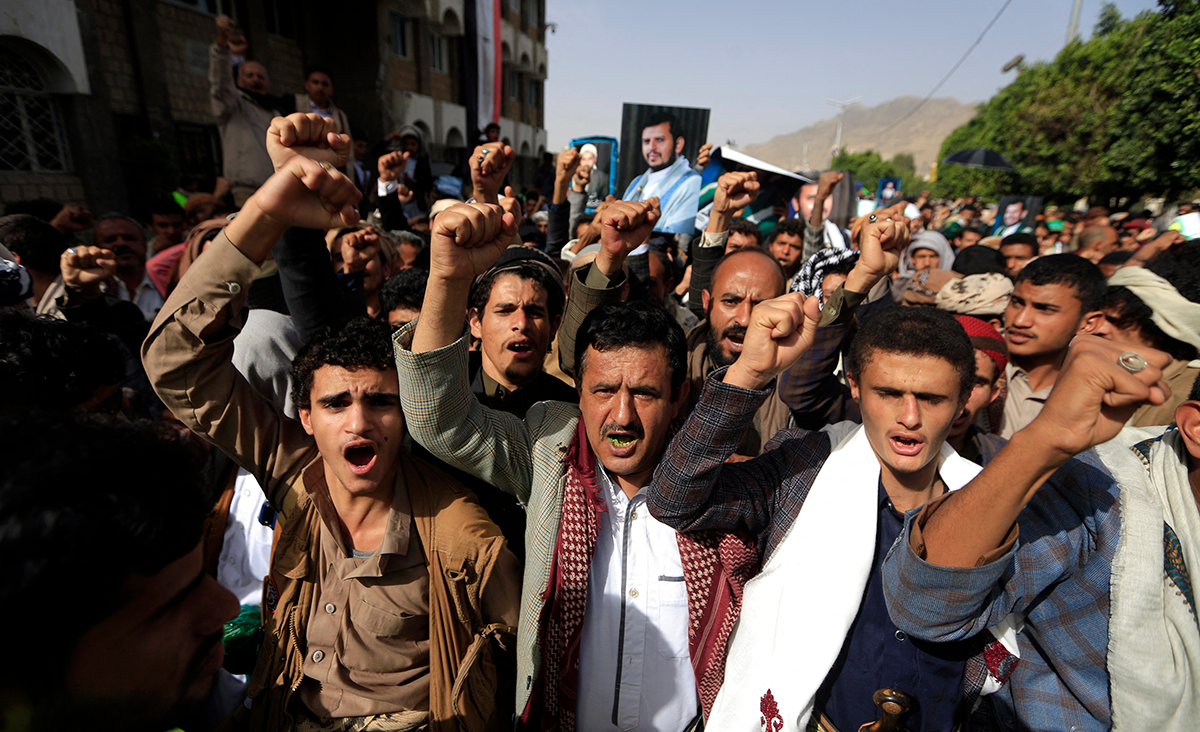
Saudi-Houthi talks could pave the way for intra-Yemeni ones, but will they ensure sustainable peace?
A Saudi-Houthi agreement now looks increasingly likely, but it is highly doubtful that such a deal by itself will end the multi-layered war or build a sustainable peace.
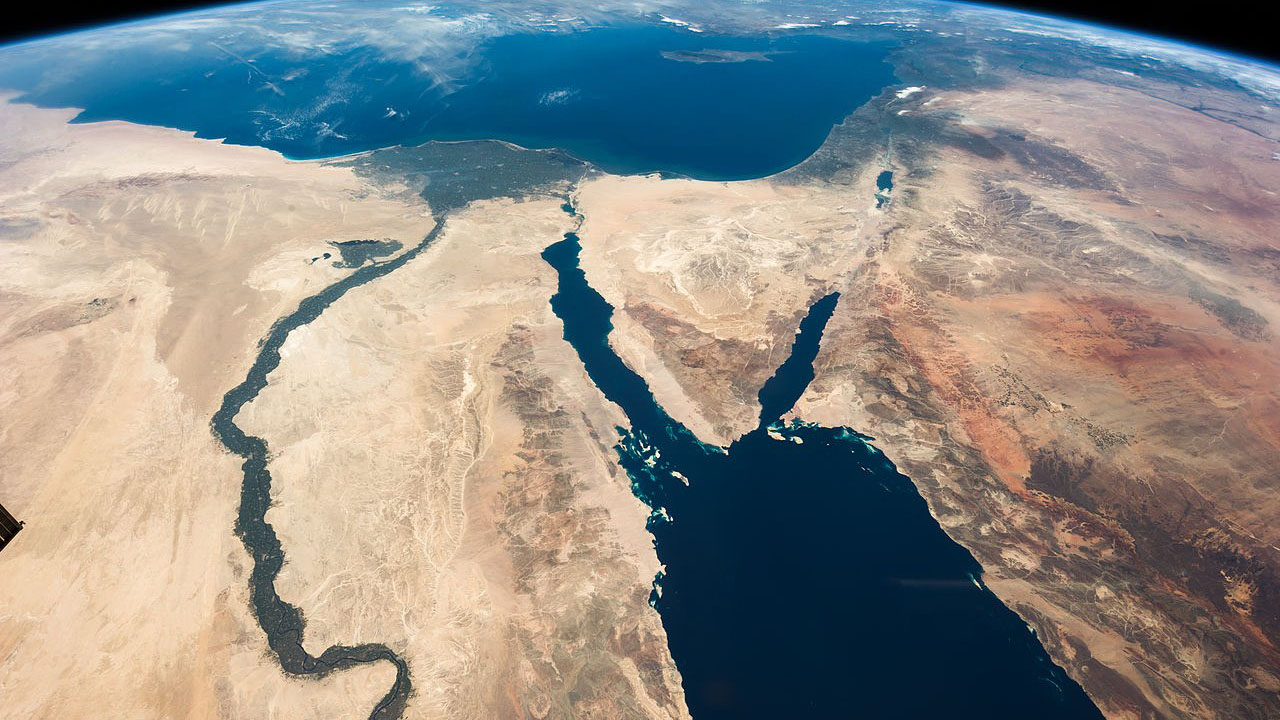
Tracking water resources from space: Challenges for the MENA region
In the Middle East and North Africa, water is a scarce resource with uneven distribution, resulting in geo-environmental problems at the national level and conflicts between countries that share access to key rivers and water resources that straddle state borders. The stress on the region’s limited water resources is exacerbated by an increasing reliance on groundwater. In such context, monitoring precipitation — the sole renewable water source — is essential yet also challenging. But space-based monitoring can provide a promising technological solution.
Citizen priorities on the environment and climate change in MENA
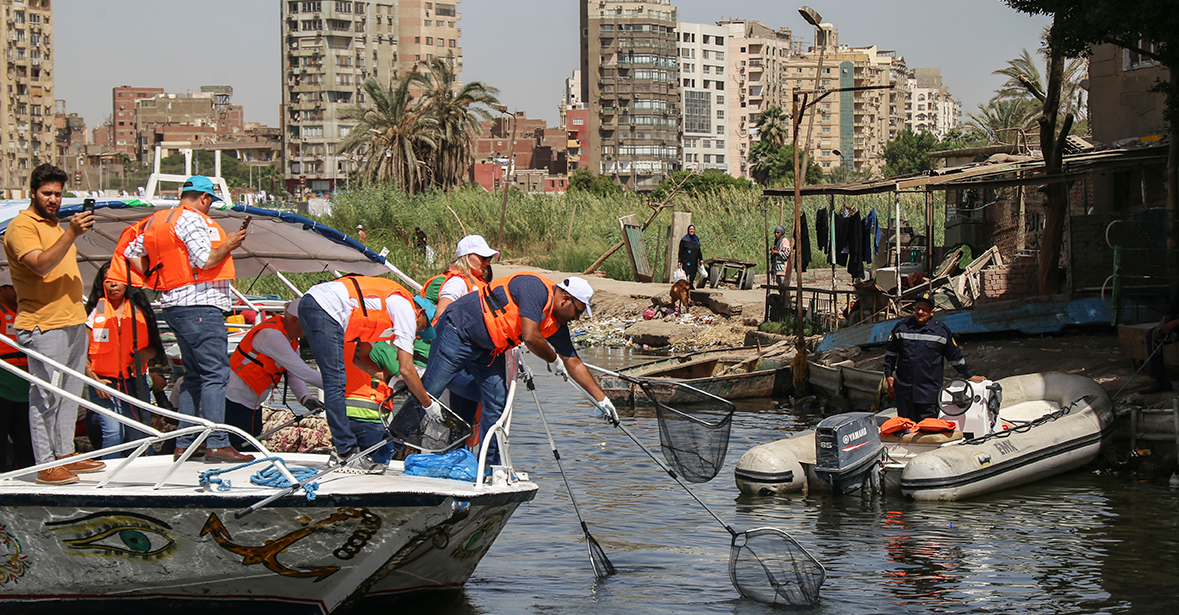
The results of the seventh wave survey from Arab Barometer shed light on regional perspectives on issues of climate change, water resources, and the environment. Here are five key takeaways gleaned from the survey results.
The geopolitics of energy transition in MENA: Mitigating risks, exploring new opportunities
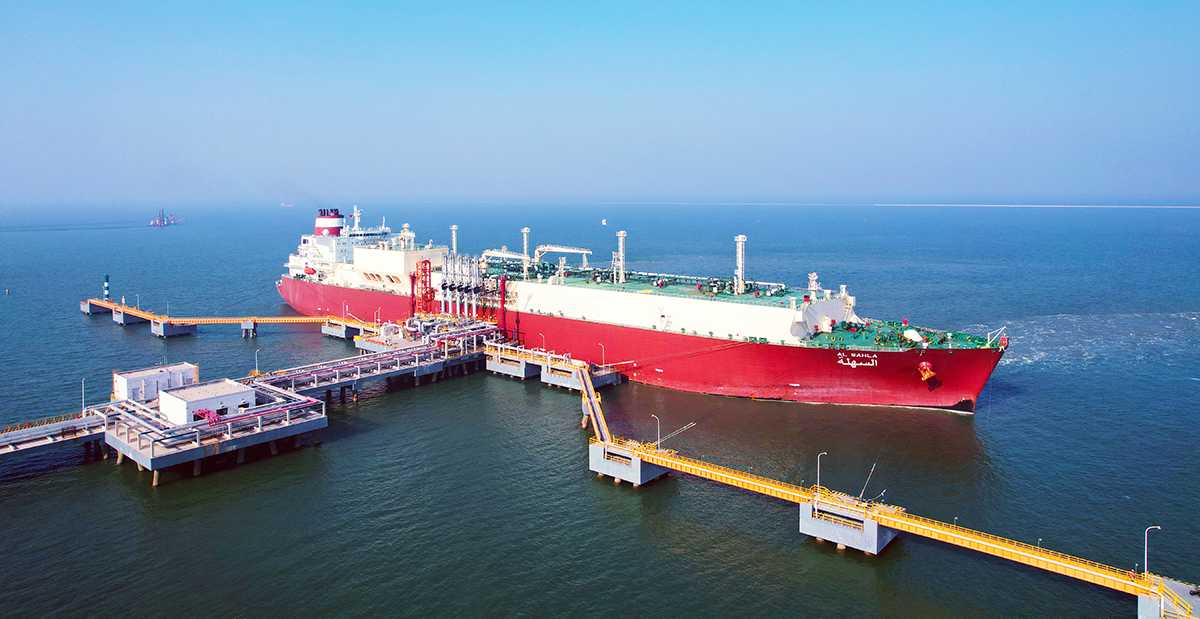
Energy remains at the heart of the geopolitical chessboard. Despite recent advances in the development of renewable energy sources, their share in the energy mix remains limited as oil still meets most of the transportation sector’s needs. The development of renewable energies is not yet able to drastically change this reality.
Is There a Way Forward for Political Resolution in Yemen?
Director of MEI’s Arabian Peninsula Program Gerald Feierstein speaks to MEI Non-Resident Scholars Fatima Abo Alasrar & Ibrahim Jalal on a host of current events in Yemen. What have been the takeaways from U.S. Special Envoy Timothy Lenderking’s recent visit to the country – and what are the current trends in the Saudi-Houthi dialogue?
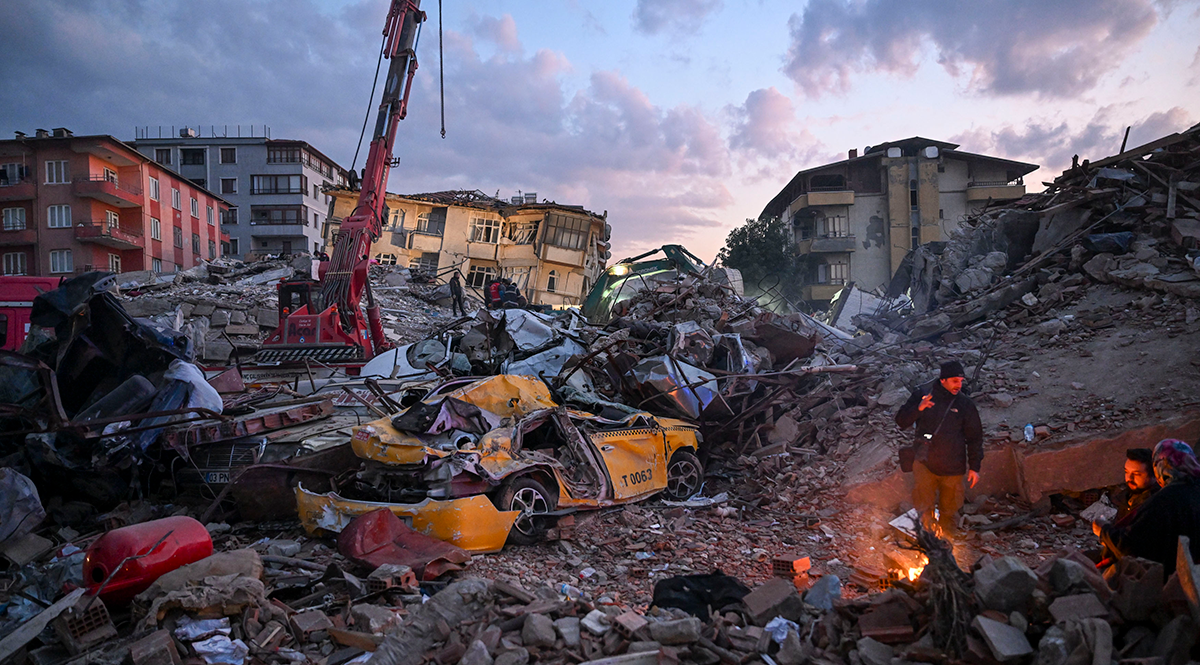
Turkey’s government is prioritizing politics over policy in its earthquake response
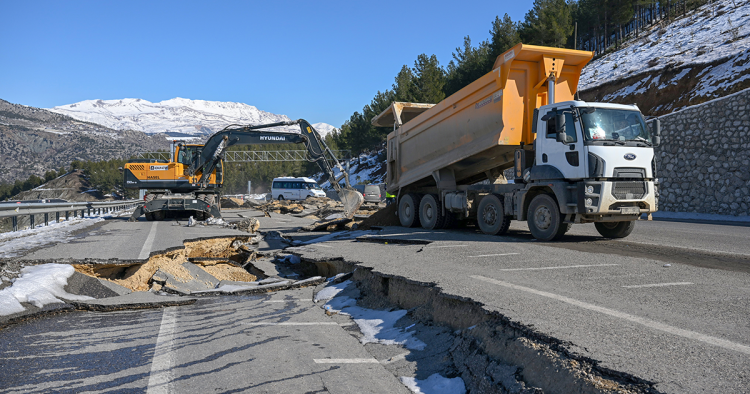
As researcher Dilek Türközü noted, “Geography is destiny, but negligence is a choice.” There was no avoiding tragedy; earthquakes are common in Turkey and the next “big one” is always somewhere on the horizon. The earthquake that shook Turkey and Syria this past week was shocking in its scale; but it was a danger that everyone knew was coming. Unfortunately, Ankara’s response continues to be undermined by its own focus on political loyalty and its lack of tolerance for criticism.
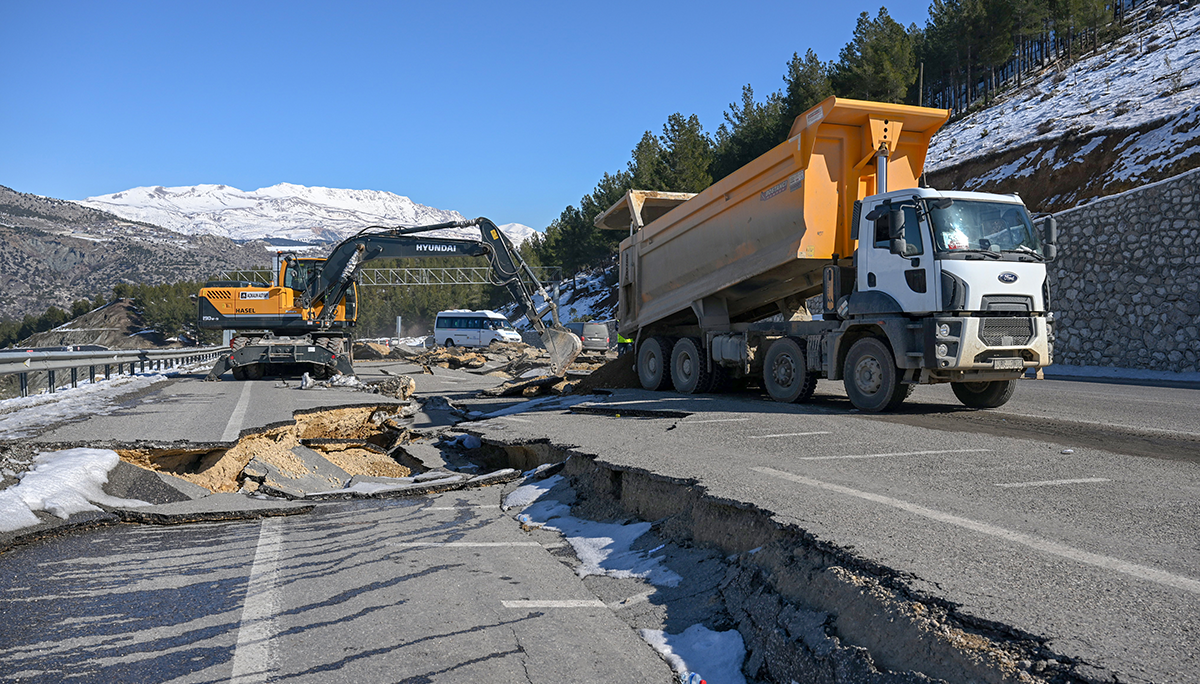
Already vulnerable, Turkey’s economy now faces massive earthquake recovery costs
After a difficult year, things finally seemed to be looking up for Turkey’s beleaguered economy in early 2023. But then on Feb. 6 the worst happened: Turkey and Syria were hit by a pair of massive earthquakes, resulting in tens of thousands of deaths and untold damage. How did Turkey’s economy stabilize in second-half 2022, what do we know about the economic impact of the earthquakes, and where might things be headed going forward?
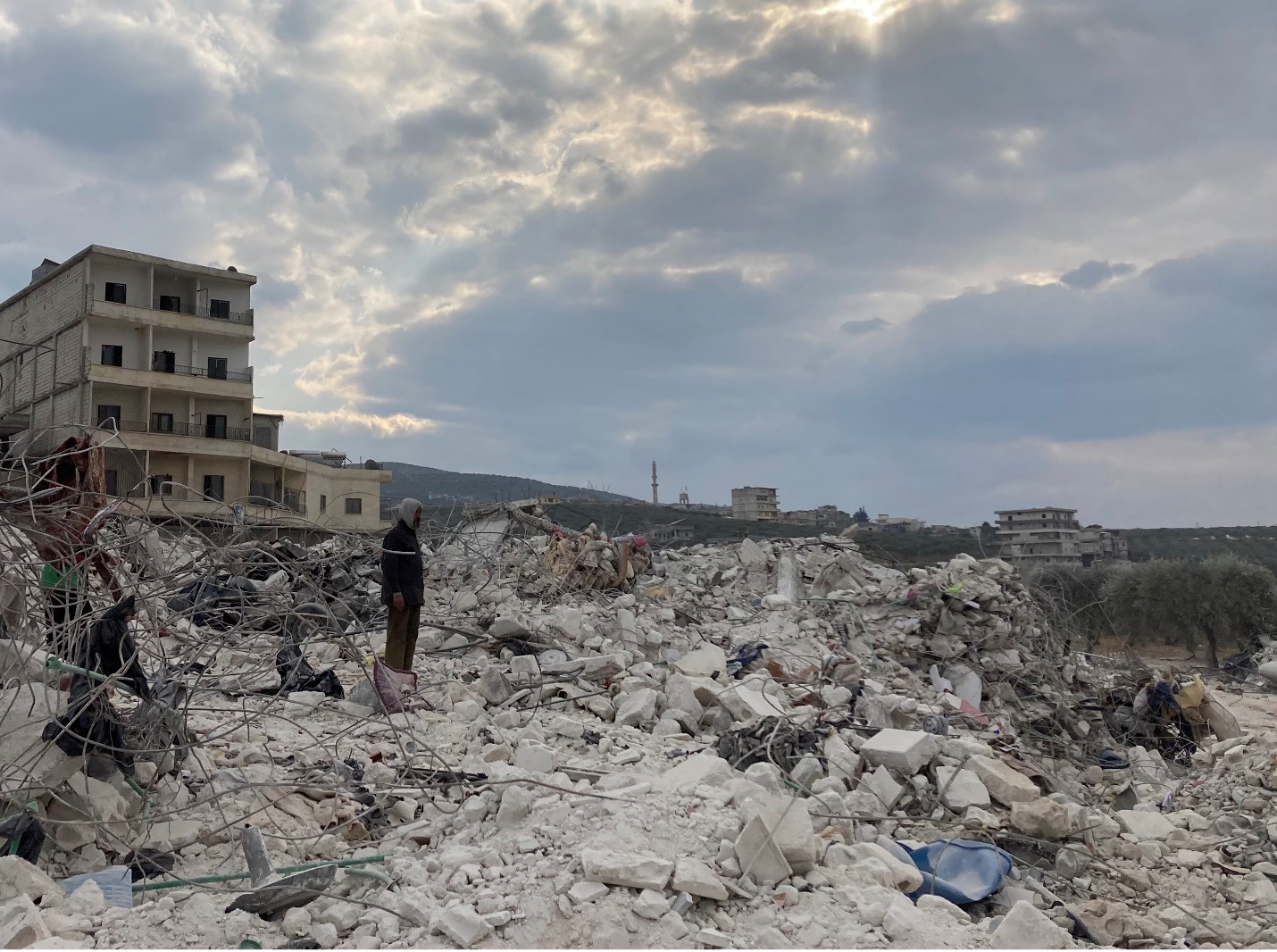
“Please send tents and blankets”: A desperate plea from Syria’s survivors
In the center of Harem, Idlib, hundreds of Syrian families huddle around stoves and in tents as they look on at the row of collapsed apartments they used to call home. “This disaster hasn’t happened to Syria in a thousand years,” says Abu Ahmed, the director of the new camp. “The international community must witness what is happening to us and help.”
How corruption and misrule made Turkey’s earthquake deadlier
Turkish President Recep Tayyip Erdoğan hollowed out state institutions, placed loyalists in key positions, and enriched his cronies — paving the way for this tragedy.