This individual is a guest contributor. MEI is not able to assist with contact requests.
Attiya Ahmad is Georgetown University’s 2009-10 Center for International and Regional Studies Post-Doctoral Fellow. She recently completed her PhD in Cultural Anthropology at Duke University. Dr. Ahmad’s work brings together scholarship on Islamic studies, globalization, diaspora and migration studies, economic anthropology, and political economy.
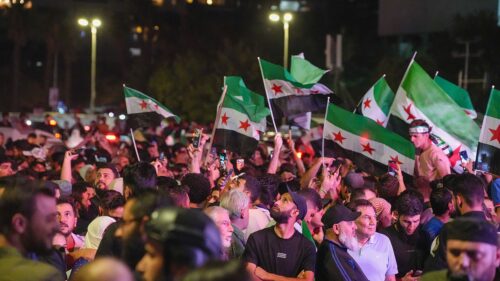
Help Syria move forward — Repeal the Caesar Act sanctions
By repealing the 2019 Caesar Act sanctions, the United States today can take a meaningful, achievable step to reverse the Assads’ damaging legacy, supporting the emergence of a unified and integrated Syria that engenders peace and prosperity both at home and in the wider region.
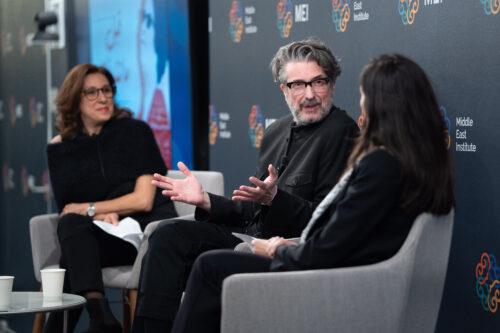
Arab Pop Art Open House & Artist Talk with Marwan Chamaa
At our monthly open house, special guest and participating artist Marwan Chamaa will join us for an artist with co-curators Lyne Sneige and Laila Abdul-Hadi Jadallah
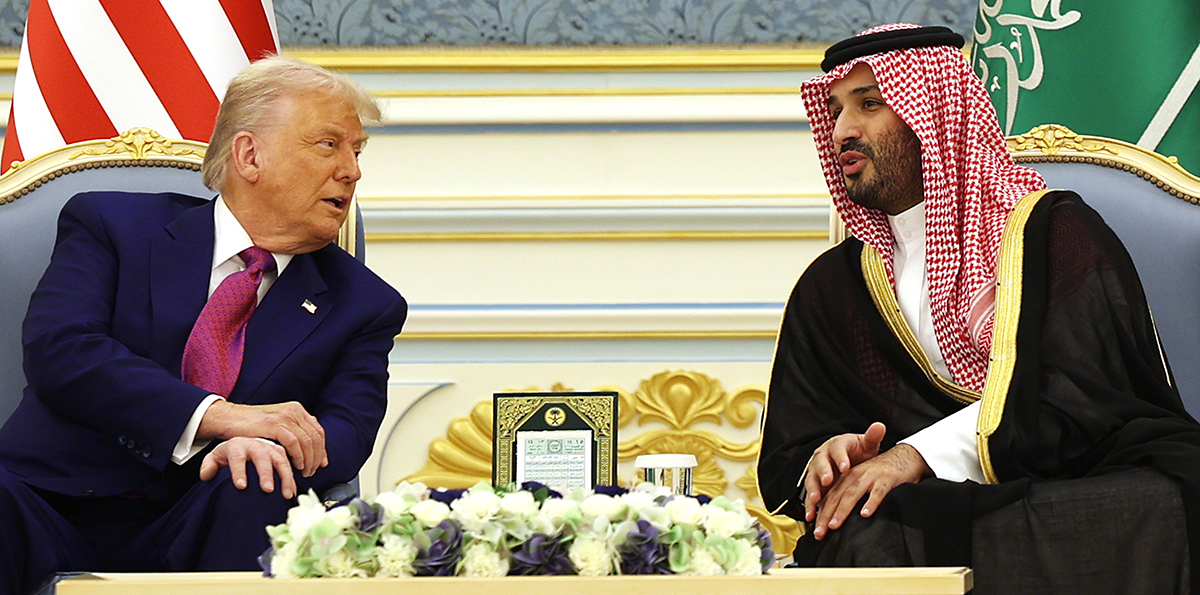
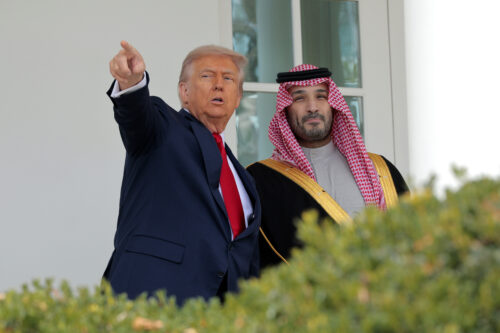
On November 18, Saudi Crown Prince Mohammed bin Salman is scheduled to make his first trip to Washington since 2018. In a new MEI Policy Memo, Daniel Benaim breaks down why it matters for the US and the relevant policy considerations.
On November 18, Saudi Crown Prince Mohammed
bin Salman (MBS) is scheduled to make his first trip to Washington since 2018. President Donald Trump has doubled down on the Gulf from the outset of his second term, making Riyadh his first planned overseas trip and reorienting ties around major artificial intelligence (AI) and investment deals. MBS’s visit will test whether both sides can translate ambitious pledges into concrete outcomes. Significant upgrades in defense and security are expected, with movement possible on semiconductor sales and nuclear cooperation. Behind the ambitions, harder questions about Saudi-Israeli normalization and alignment in a rapidly changing region loom as important Oval Office topics.
In this episode of Middle East Focus, hosts Alistair Taylor and Matthew Czekaj are joined by MEI Senior Fellow Gönül Tol to discuss democratic backsliding in Turkey under President Recep Tayyip Erdoğan.
Morocco-Algeria: The case for ambitious reconciliation
On October 31, the United Nations Security Council passed a resolution centering Morocco’s autonomy plan as the basis for resolving the Western Sahara conflict. The UN vote and comments from United States Special Envoy Steve Witkoff suggest President Donald Trump wants another headline foreign policy “peacemaking” win. But the opportunity for the Trump administration is bigger than just resolving the Western Sahara issue. It could unlock an opportunity for Morocco-Algeria reconciliation that could integrate the wider Maghreb economy, reduce migration into Europe, expand energy cooperation, and enable stronger Sahel counter-terrorism coordination.
In September, just days after tens of thousands of Turks had poured into the streets to protest President Recep Tayyip Erdogan’s latest crackdown on his political opponents and a fal
Divisions at home hinder America’s ambitions abroad
Over the past week, US President Donald Trump made an extended trip to Asia and threatened military actions against Latin American and African countries. But despite his administration’s continuing ambitions in the Middle East region, few major breakthroughs are expected there in the immediate future due to the government shutdown and unilateral cuts to national security infrastructure.
From the West Wing to the West Bank, Israel, and Gaza with Bill Clinton
In this episode of Taking the Edge Off the Middle East, host Brian Katulis is joined by Mara Rudman, MEI Distinguished Diplomatic Fellow and veteran of the Obama and Clinton administrations. Together, they discuss political process, peacemaking, and the human side of diplomacy. From accompanying President Bill Clinton to Israel, Gaza, and the West Bank to navigating today’s complex foreign policy landscape, Rudman reflects on what can make or break U.S. engagement abroad.
From Protest to War: How October 7 Reshaped Israeli Democracy
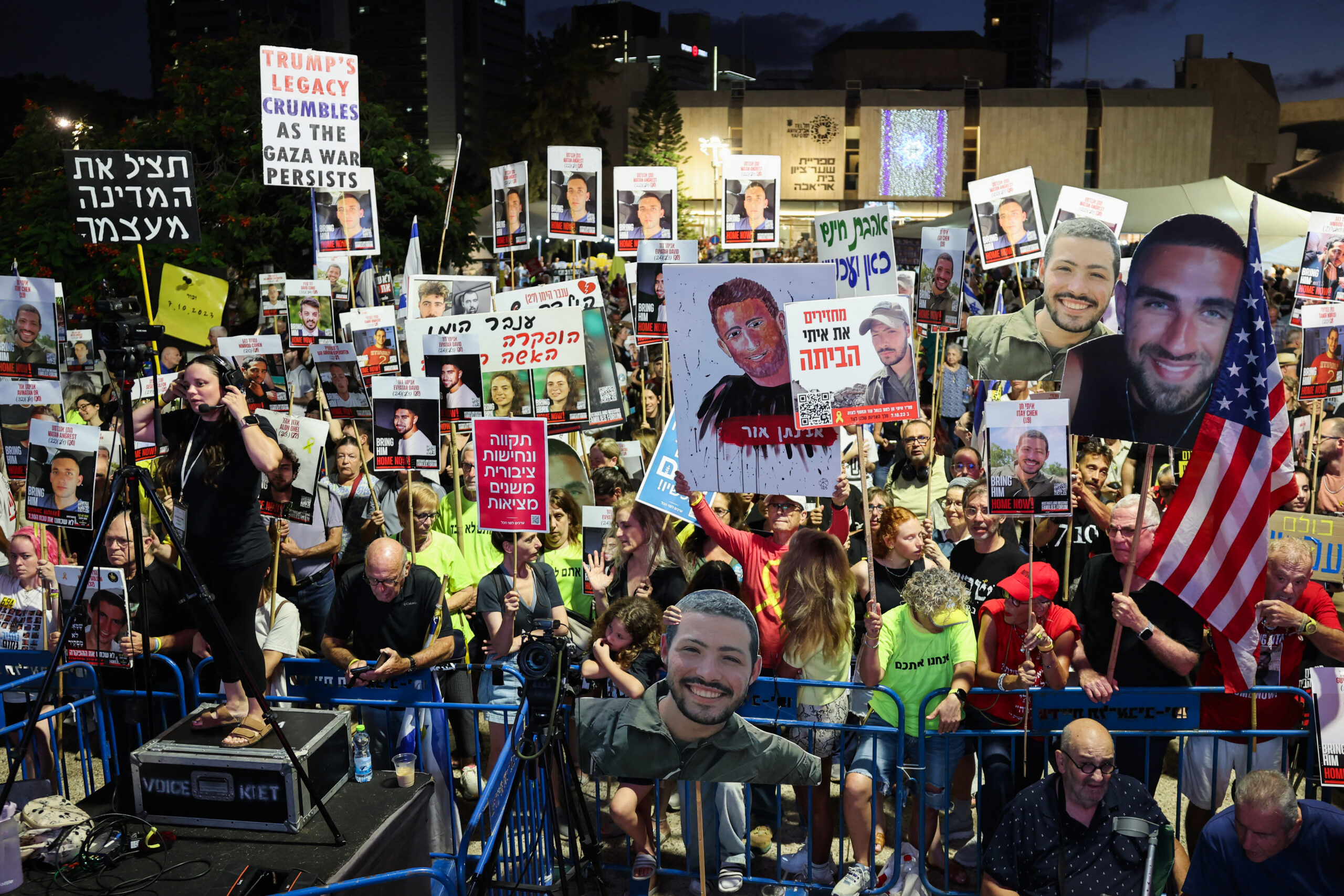
For years, Israeli populist politicians have chipped away at the country’s democratic guardrails. But the Hamas attacks of October 7, 2023 accelerated Prime Minister Benjamin Netanyahu’s drive to consolidate power. The kind of societal pushback that once blocked his efforts to expand executive authority is now under severe strain. Israel’s multi-front conflict with Iran, Hamas, and other Iranian proxies has blunted protest movements and sidelined those who once filled the streets in defense of democracy. Defending checks and balances has been eclipsed by wartime priorities.
The legitimacy trap: How international institutions sustain the Houthis’ hold on Yemen
For years, the prevailing assumption was that the Houthis’ survival depended on battlefield victories and Iranian support. Both are essential, but there is a third critical and often overlooked factor: the weaponization of international engagement. In a pattern that continues to repeat itself, engagement without accountability strengthens rather than moderates Houthi behavior.
The taboo of regret: Iranian reflections on the seizure of the US embassy in 1979
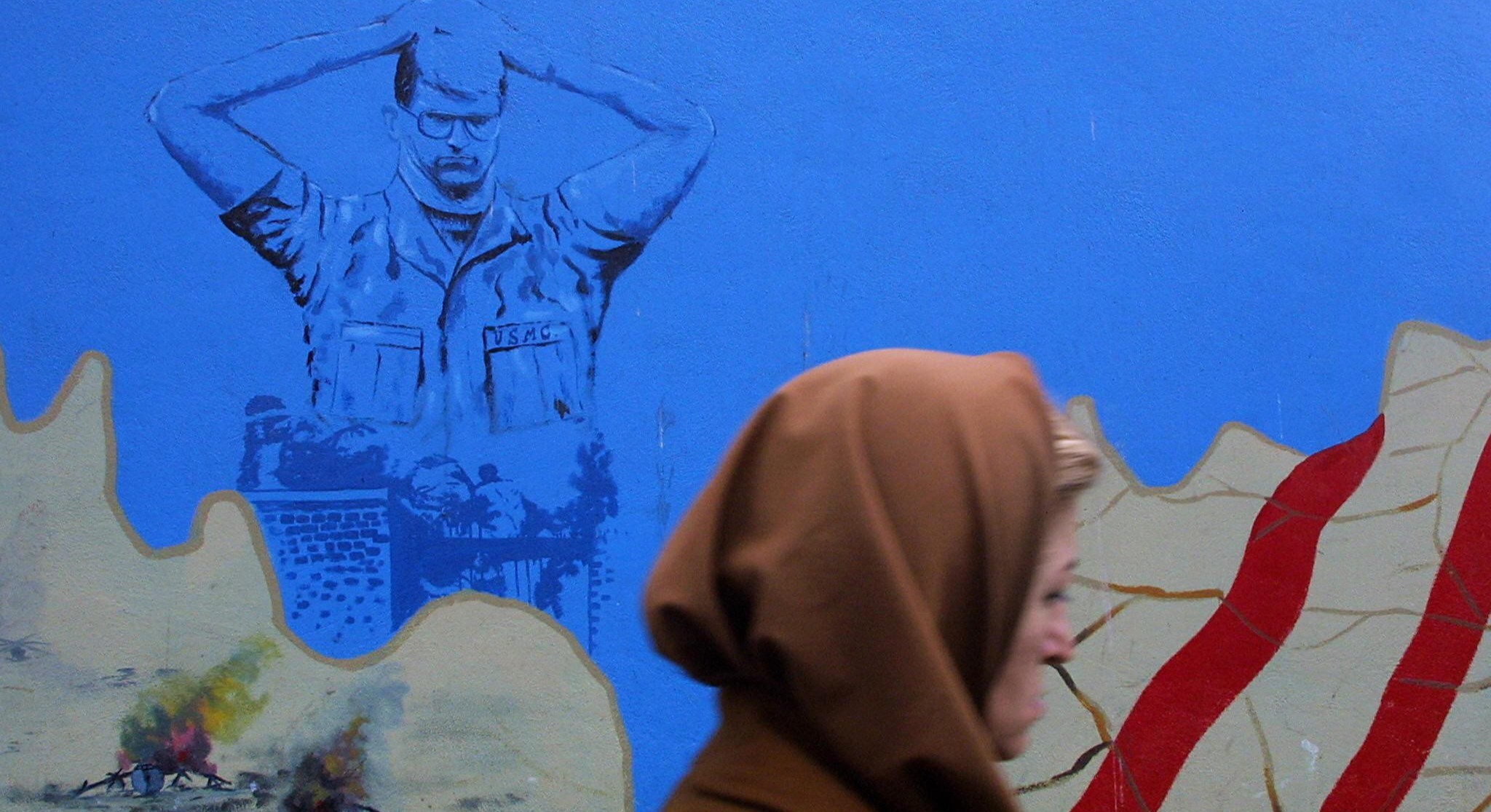
For decades, the 1979 takeover of the US Embassy in Tehran has symbolized the righteousness of the Islamic Republic of Iran’s revolutionary defiance and the legitimacy of “resistance” as state ideology. To question it is to pry open the logic of the entire enterprise.
The 12-Day War: Iran's Leaders Face Narrowing Choices
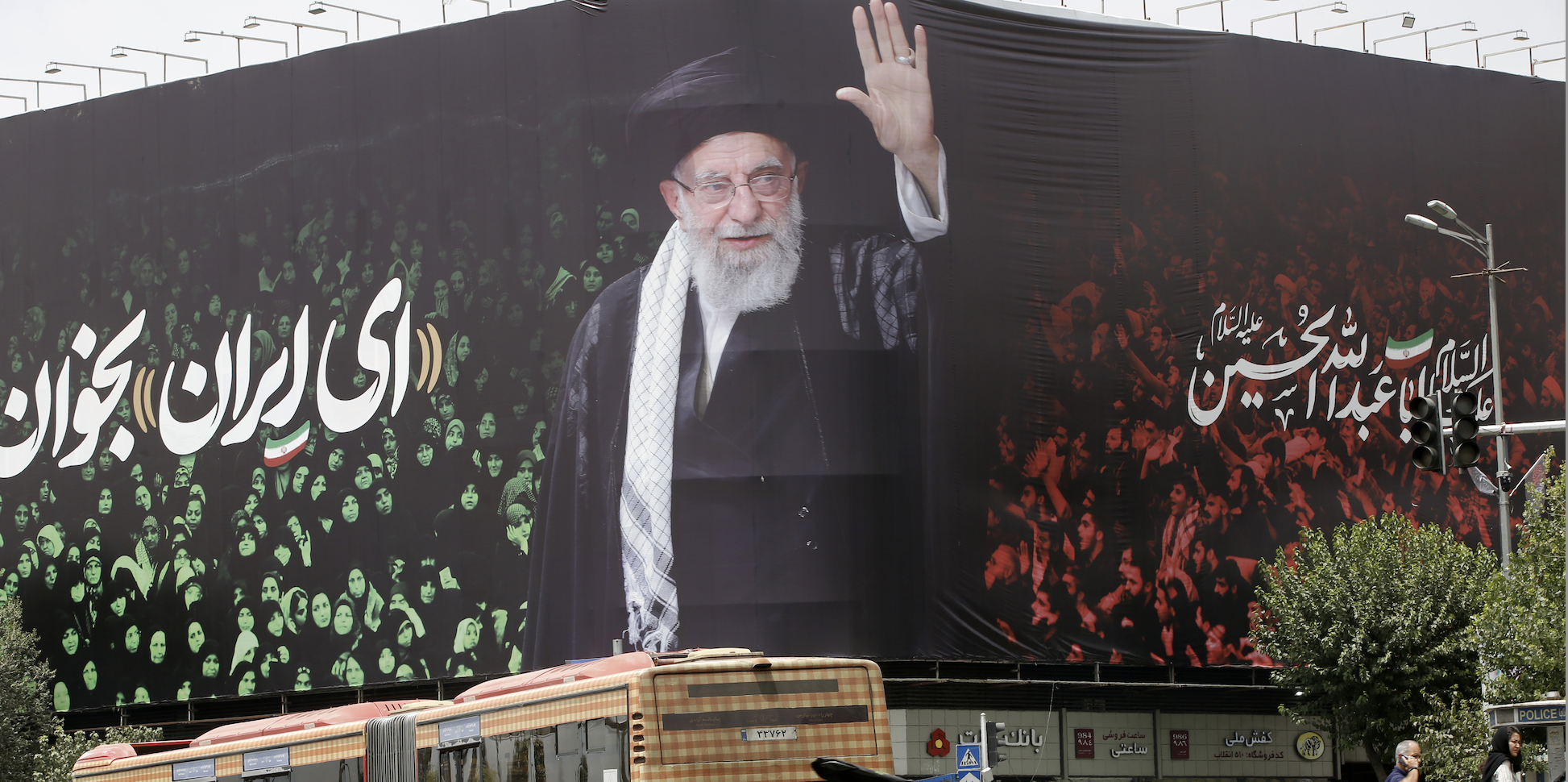
The 12-day conflict with Israel was brief, yet it left a scar. It was a war marked by unprecedented strikes deep inside Iranian territory that jolted the leadership in Tehran into confronting realities they had long sought to avoid.
In this episode of Middle East Focus, hosts Alistair Taylor and Matthew Czekaj are joined by MEI Senior Fellow Intissar Fakir to discuss Morocco’s recent “GenZ 212” protest movement, which gripped multiple cities around the country for weeks. What prompted young Moroccans to take to the streets? Fakir breaks down the underlying drivers, protesters’ demands, and the government’s response. The conversation then delves more deeply into Morocco’s rising generation and how it perceives its future prospects.