This text has been translated by AI and may contain errors.
Skip to Content

Attiya Ahmad

Post-Doctoral Fellow

This individual is a guest contributor. MEI is not able to assist with contact requests.

Attiya Ahmad is Georgetown University’s 2009-10 Center for International and Regional Studies Post-Doctoral Fellow. She recently completed her PhD in Cultural Anthropology at Duke University. Dr. Ahmad’s work brings together scholarship on Islamic studies, globalization, diaspora and migration studies, economic anthropology, and political economy.


The Latest from Attiya Ahmad

Filter by
9986 Results
Enduring myths of the 1979 Iranian Revolution
Photo by Kaveh Kazemi/Getty Images
  • Analysis
  • Enduring myths of the 1979 Iranian Revolution

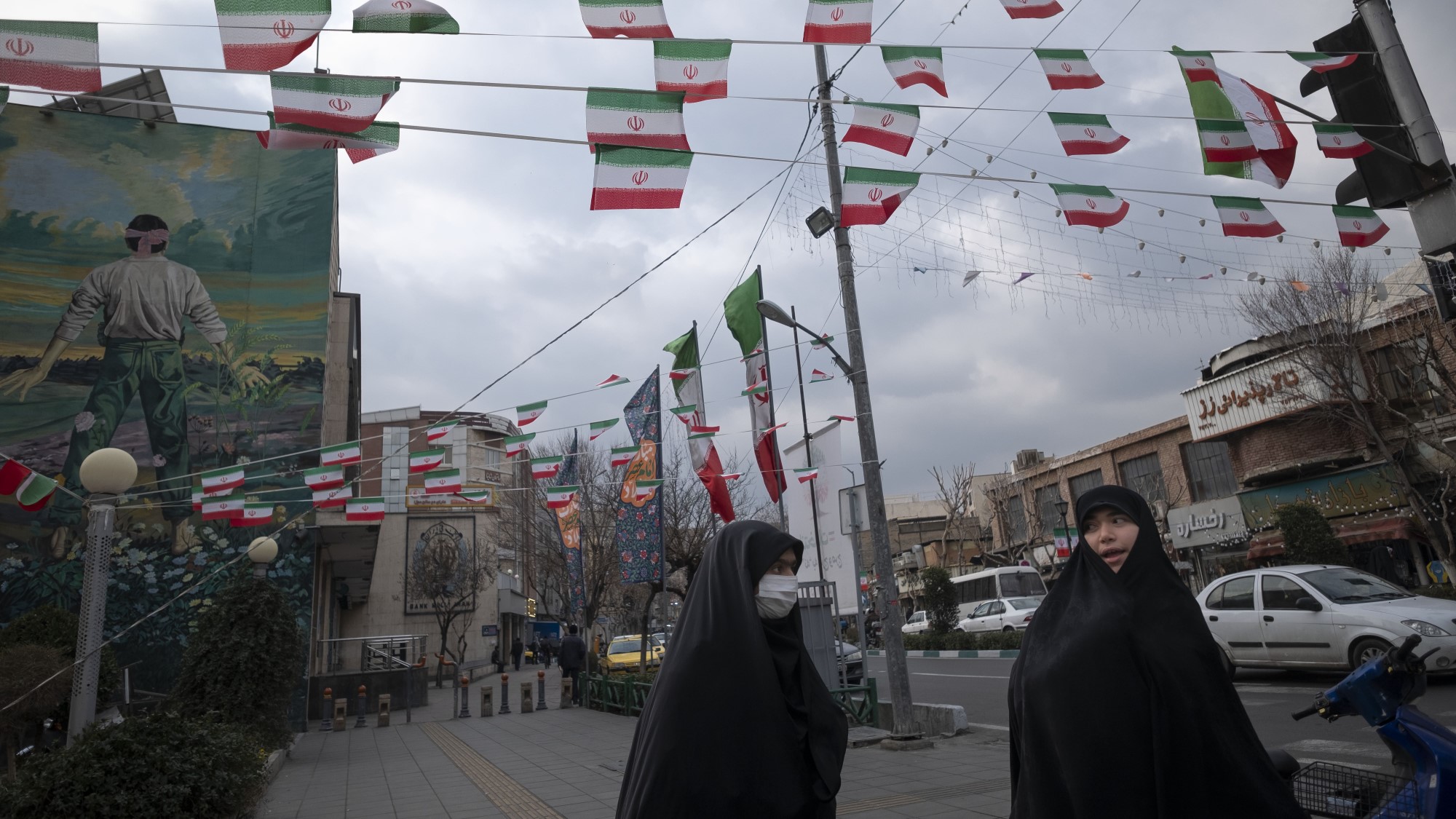
    Few events in our lifetime are as shrouded in myth and conspiracy as the 1979 Iranian Revolution. Forty-five years later, however, we now have a much clearer picture of the dramatic events that played out on the streets of Tehran before a worldwide television audience.

    February 13, 2024

    Suspending UNRWA funding is collective punishment for Palestinians
    Abed Zagout/Anadolu via Getty Images
  • Commentary
  • Suspending UNRWA funding is collective punishment for Palestinians

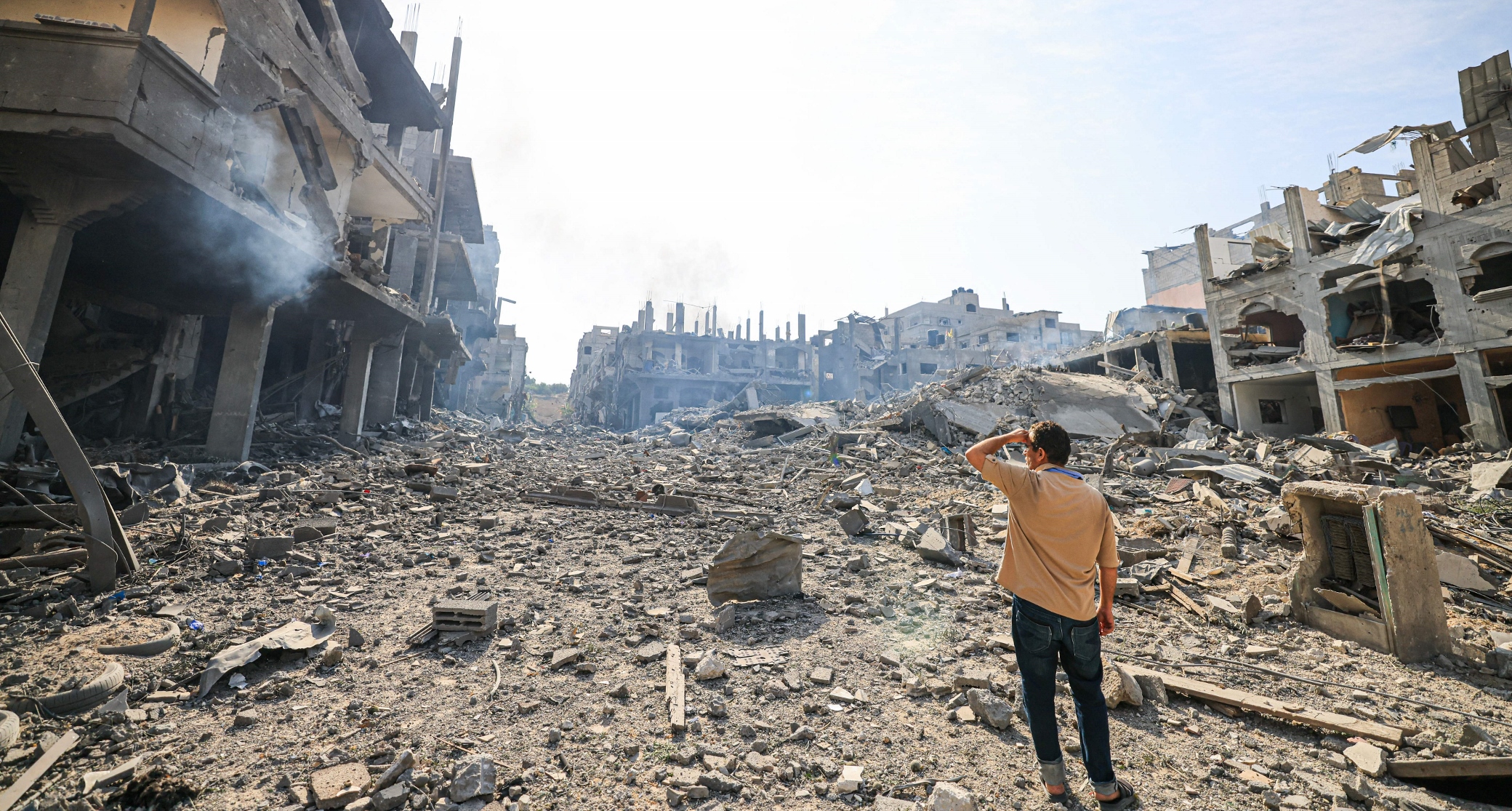
    The decision by the United States and other donor countries to suspend financial assistance to UNRWA will have far-reaching and likely devastating consequences for the civilian populations that rely on its services, particularly in the Gaza Strip. Donor countries must realize that the consequences will hinder the humanitarian response to the Israeli war on Gaza, incurring a heavy cost in human lives.

    February 12, 2024

    US response to Tower 22 attack in Jordan: Less intense, more restrained than anticipated
    Photo by Ameer Al-Mohammedawi/picture alliance via Getty Images
  • Analysis
  • US response to Tower 22 attack in Jordan: Less intense, more restrained than anticipated

    On the evening of Saturday, Feb. 3, local time, US warplanes bombed facilities used by Iranian forces and Iran-backed militias in Syria and Iraq, in retaliation for the death of 3 US service members in a Jan. 28 drone attack on Tower 22, a US military base in northeastern Jordan on the Syrian border. The airstrikes primarily targeted locations in eastern Syria and western Iraq.

    In Memoriam: Richard A. Debs
  • Commentary
  • In Memoriam: Richard A. Debs

    The Middle East Institute (MEI) mourns the loss of Dr. Richard A. Debs, a distinguished member of our International Advisory Council (IAC), who passed away January 28, 2024.

    February 9, 2024

    The implications of Red Sea instability on the global LNG market
    Photo by Dana Smillie/Bloomberg via Getty Images
  • Analysis
  • The implications of Red Sea instability on the global LNG market

    Well over 30 attacks against commercial shipping in the Red Sea have been reported since mid-November 2023, although none have targeted crude oil or liquefied natural gas (LNG) carriers to date. But that is not to say that global energy flows through this critical maritime chokepoint are invulnerable; any harm that came to hydrocarbon carriers traveling into or out of the Red Sea via the Bab el-Mandeb would have far-reaching consequences for international markets.

    February 7, 2024

    Azerbaijan and COP29: An opportunity or a challenge?
    Photo by Gary Hershorn/Corbis via Getty Images
  • Analysis
  • Azerbaijan and COP29: An opportunity or a challenge?

    Azerbaijan will host COP29 at the end of this year. Being selected to host the most important international climate event is a major achievement for the South Caucasus country, though the spotlight it brings will come with its own challenges due to Azerbaijan’s poor human rights record and worsening relations with the West.

    February 7, 2024

    Innovations in Climate Resilience: Water and Energy for Food (WE4F) in MENA

    Innovations in Climate Resilience: Water and Energy for Food (WE4F) in MENA

    Innovations in Climate Resilience is an event series hosted by the Middle East Institute's Climate and Water Program. This fireside chat series showcases different practical applications that address climate change vulnerability in the MENA region.

    February 7, 2024, 10:00 AM – 11:00 AM

    Zoom Webinar,

    Women and climate change in MENA: Turning adversity into opportunity
    Photo by DELIL SOULEIMAN/AFP via Getty Images
  • Analysis
  • Women and climate change in MENA: Turning adversity into opportunity

    The MENA region is both a climate change hotspot and one of the world’s most gender unequal regions. As a result of gender inequality, women face disproportionate risks from climate change, but there are ways to transform these threats and turn them into opportunities.

    February 6, 2024