Attiya Ahmad is Georgetown University’s 2009-10 Center for International and Regional Studies Post-Doctoral Fellow. She recently completed her PhD in Cultural Anthropology at Duke University. Dr. Ahmad’s work brings together scholarship on Islamic studies, globalization, diaspora and migration studies, economic anthropology, and political economy.
The Latest from Attiya Ahmad

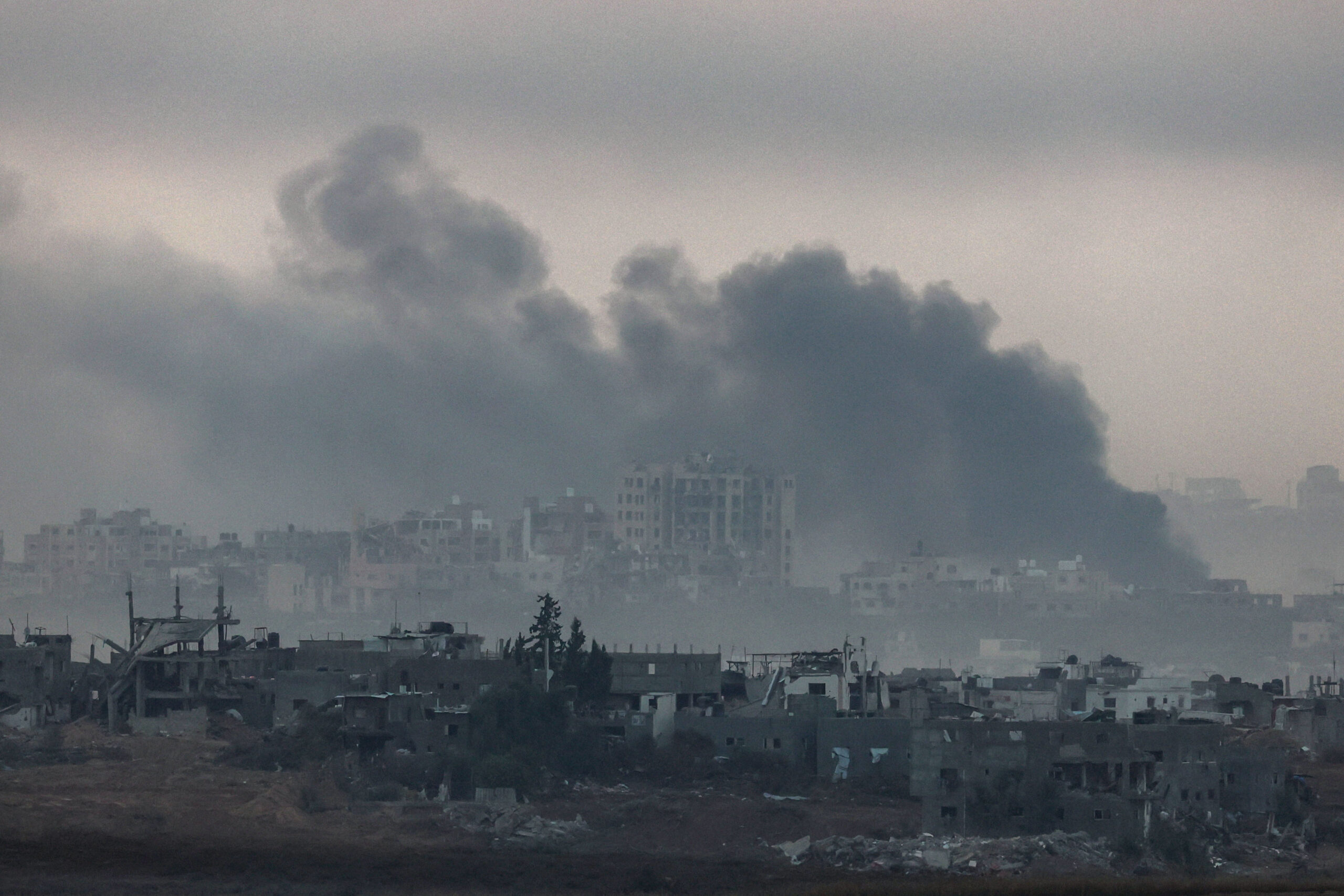
The settler movement already has plans for Gaza
In the aftermath of the brutal Hamas terror attack Oct. 7, Israel has launched a ground invasion aimed at “eliminating Hamas.” Many of Israel’s Western allies have expressed concern about this operation given the lack of a clear plan for what will happen in Gaza after Hamas is eliminated. Prime Minister Benjamin Netanyahu said yesterday that “Israel will, for an indefinite period will have the overall security responsibility” of Gaza. President Joe Biden even said publicly on 60 Minutes that the reoccupation of Gaza would be a “big mistake.”
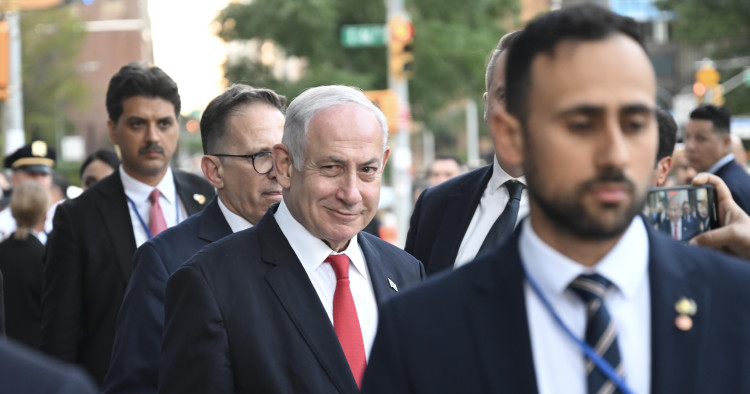
How Netanyahu could beat the odds and stay in power
There has been much speculation that the military and intelligence failure to prevent the Hamas terror attack on Oct. 7 (which became known in Israel as the “Black Shabbat”) means that Israeli Prime Minister Benjamin Netanyahu’s days in office are numbered.
But Netanyahu is signaling that he will not step down without a fight. He is preparing the ground for blaming military officials for the failure and continuing to promote the overhaul of the judiciary, which was at the center of the political debate in Israel in the months before Hamas’s attack.
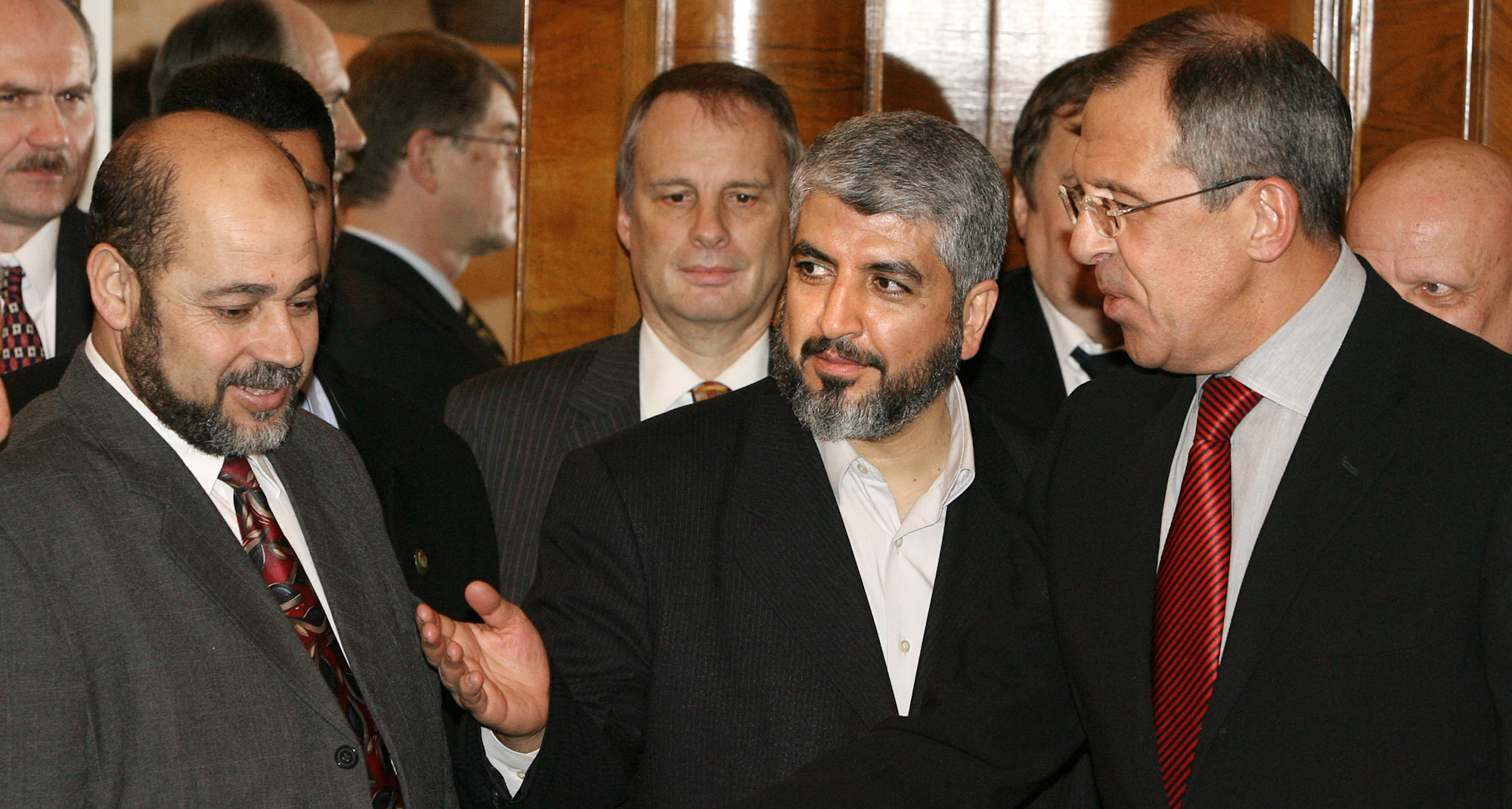
Essential questions about the Russia-Hamas link: The evidence and its implications
As the war in Gaza continues to unfold, essential questions about Russian and Iranian support for Hamas remain. They include whether Russia played any role in providing support to Hamas ahead of its Oct. 7 attack on Israel. Evidence available from foreign-language publications in Russian, Persian, Arabic, and Hebrew, as well as those in English, provides provocative leads, which, if accurate, have serious potential implications.
A long courtship
The Problem of Democracy: America, the Middle East, and the Rise and Fall of an Idea with author Shadi Hamid and Carnegie Endowment's Thomas Carothers

Five key questions that will shape COP28
With COP28 set to kick off later this week at Expo City, Dubai, in the United Arab Emirates, MEI’s Mohammed Mahmoud takes a closer look at five key questions that will influence the course and outcomes of the proceedings.
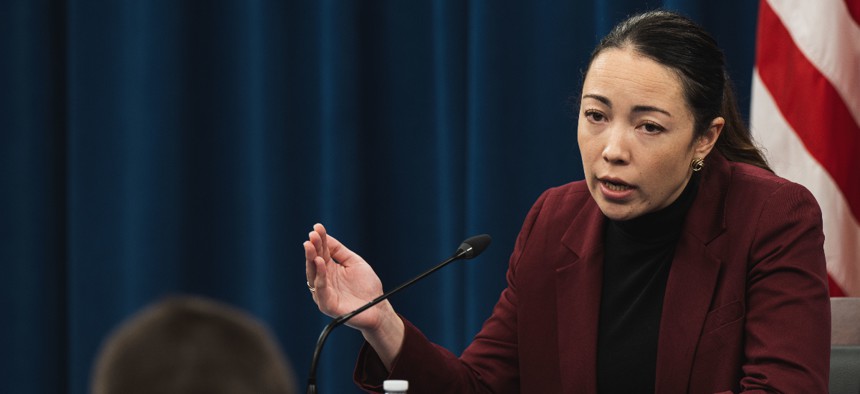
MEI Defense Leadership Series: Episode 20 with CENTCOM Chief Technology Officer Schuyler Moore
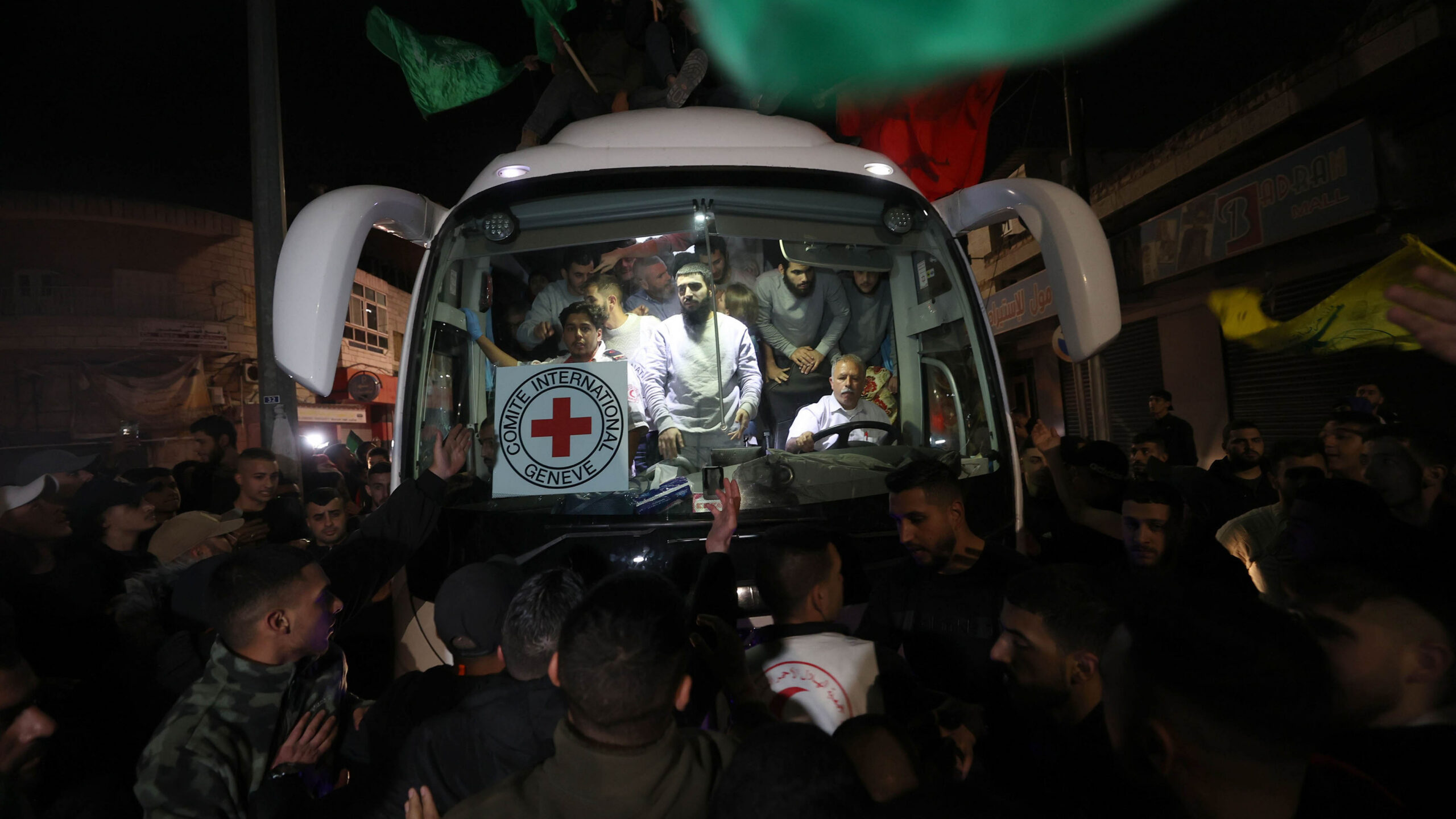
Monday Briefing: Israel-Hamas truce extended but prospects for a longer deal remain dim
Read MEI’s weekly briefing featuring expert analysis of key regional developments for the week ahead.

Climate casualties: How the Gaza war threatens Mideast climate action
The renewed violence in Gaza could not have come at a less opportune time for the climate agenda in the Middle East. From energy economics to environmental degradation, the ripple effects of conflict will complicate the path ahead.
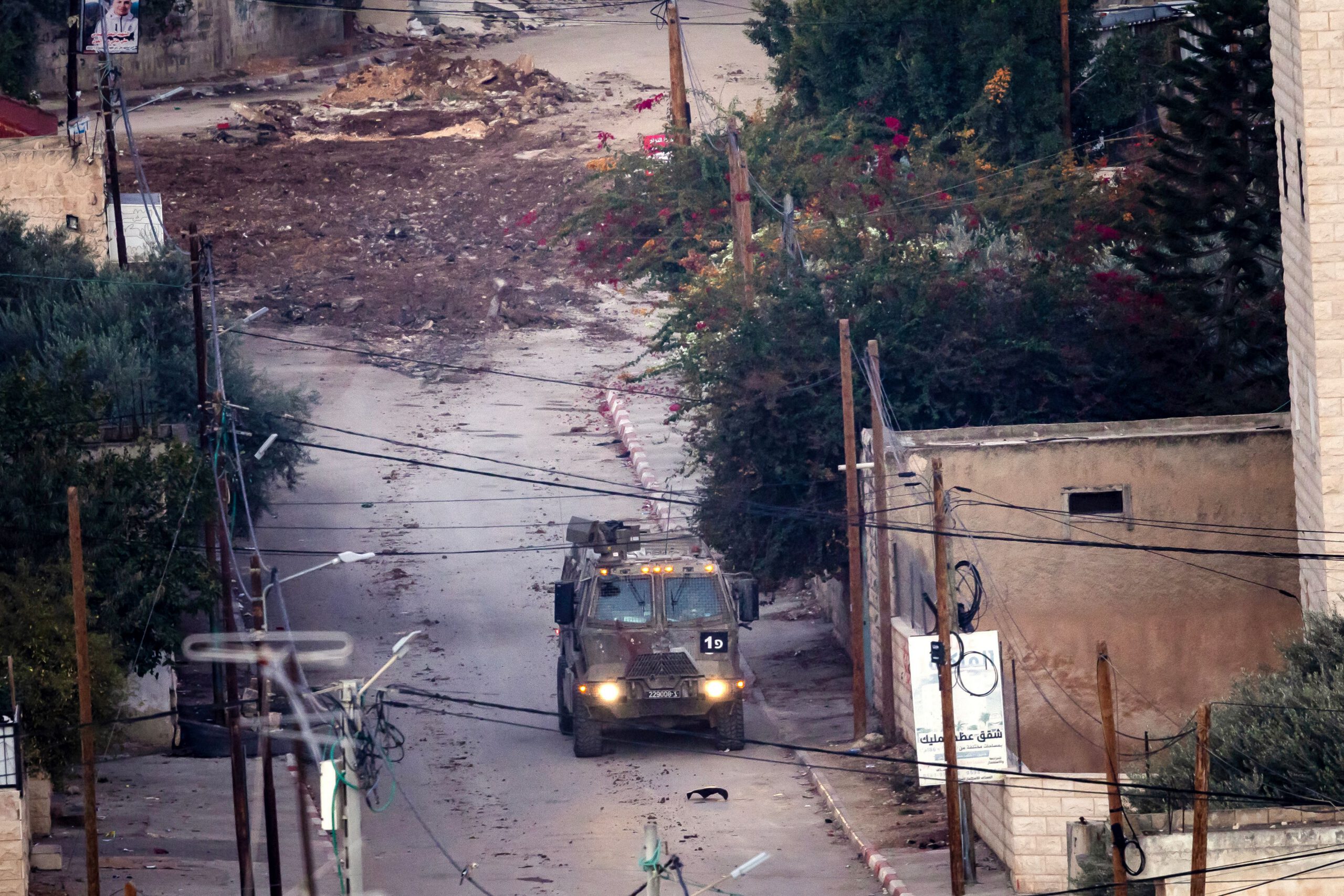
Escalating Israeli Violence & Extremism in the West Bank & East Jerusalem

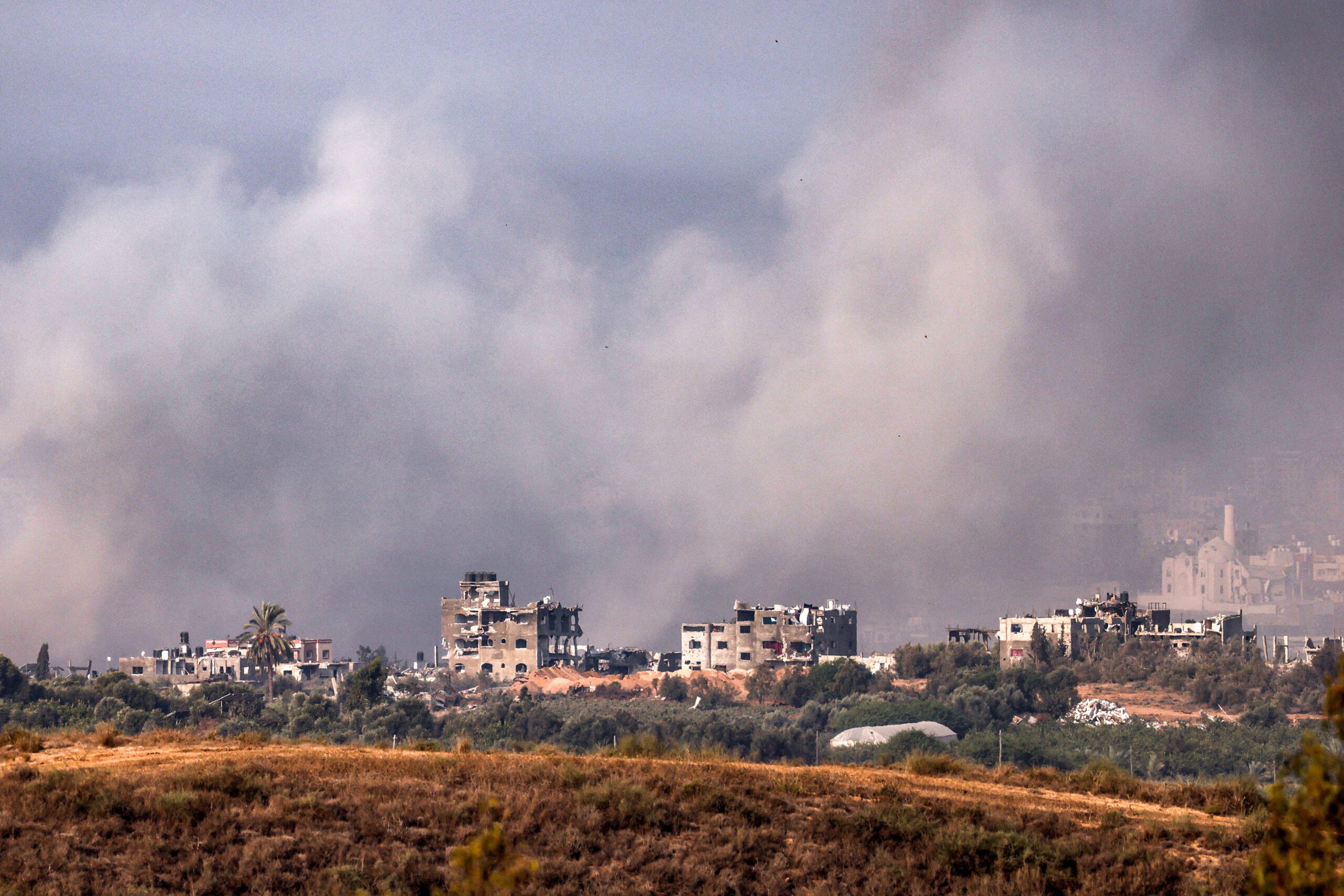
After the Gaza War: The Risks of Deterrence and the Chances of Peace
Policymakers in the United States, Europe, and the Middle East are rightly focused on where the current crisis in Gaza is headed. The humanitarian disaster hovering over the region since Hamas’ October 7 attacks on Israel has resulted in countless lives lost and now threatens regional and global security. Among many of the issues occupying policymakers is the concern that new fronts in the war will open, potentially involving the West Bank, Hezbollah, the Houthis, and even Iran.
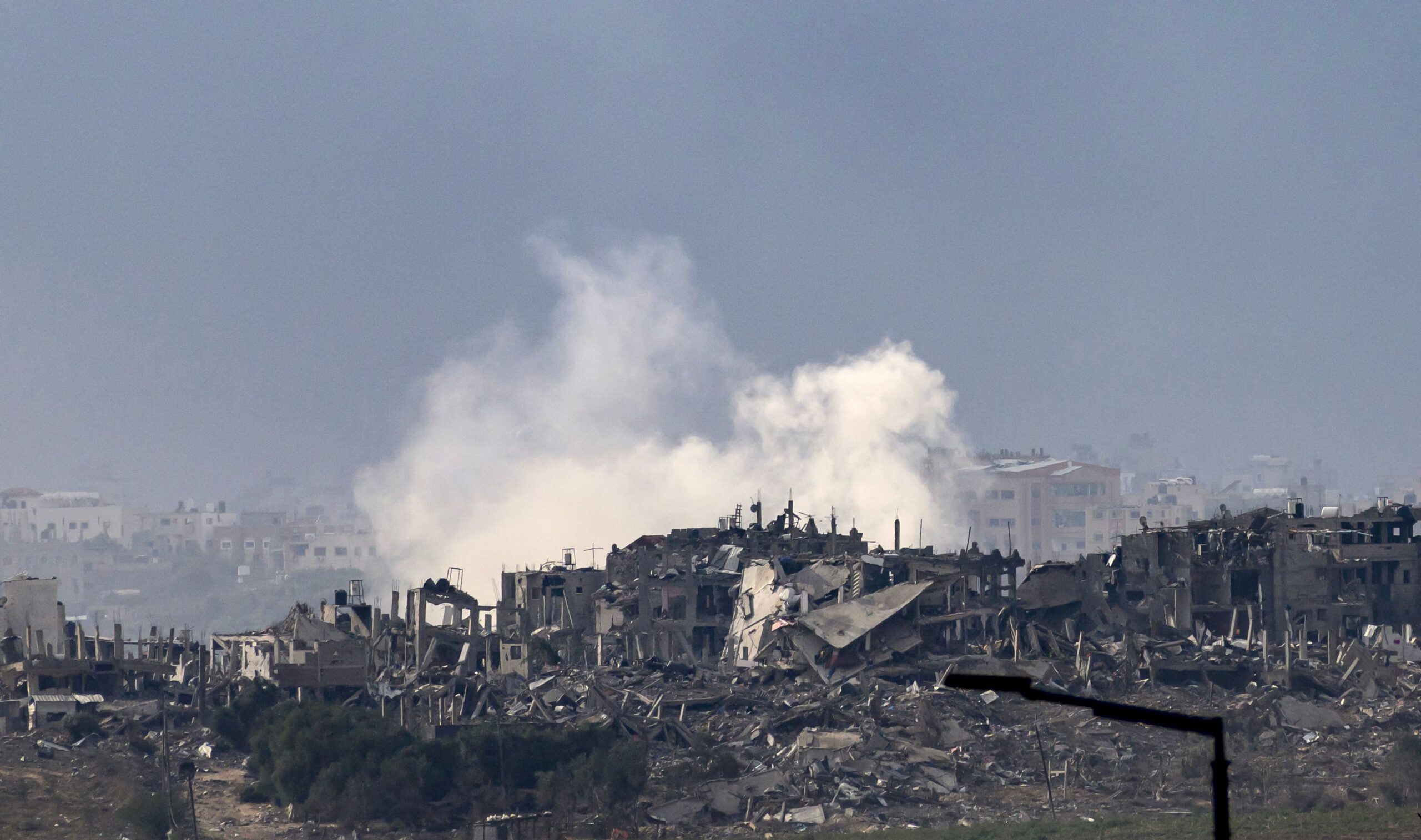
Monday Briefing: Midway through the battle, still at square one in the political endgame
Read MEI’s weekly briefing featuring expert analysis of key regional developments for the week ahead.
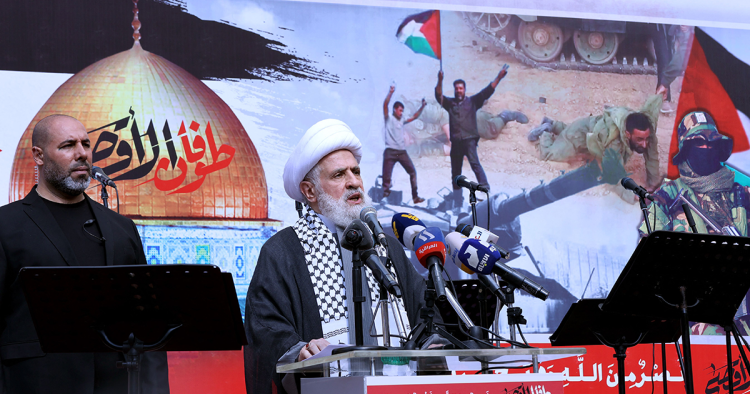
The closer Israel gets to destroying Hamas, the more likely war with Hezbollah becomes
He leads an army of more than 100,000 dedicated and battle-hardened fighters equipped with thousands of missiles, rockets, and armed drones that can hit targets deep inside Israel with pinpoint accuracy. He inspires and commands the loyalty of Iran-backed militias across the Arab world.
So when Hassan Nasrallah, the head of the Lebanese Hezbollah and the most powerful non-state actor in the world, says that he doesn’t wish to broaden the war in Gaza to help his Palestinian ally Hamas, the region should breathe a sigh of relief – because his words matter.
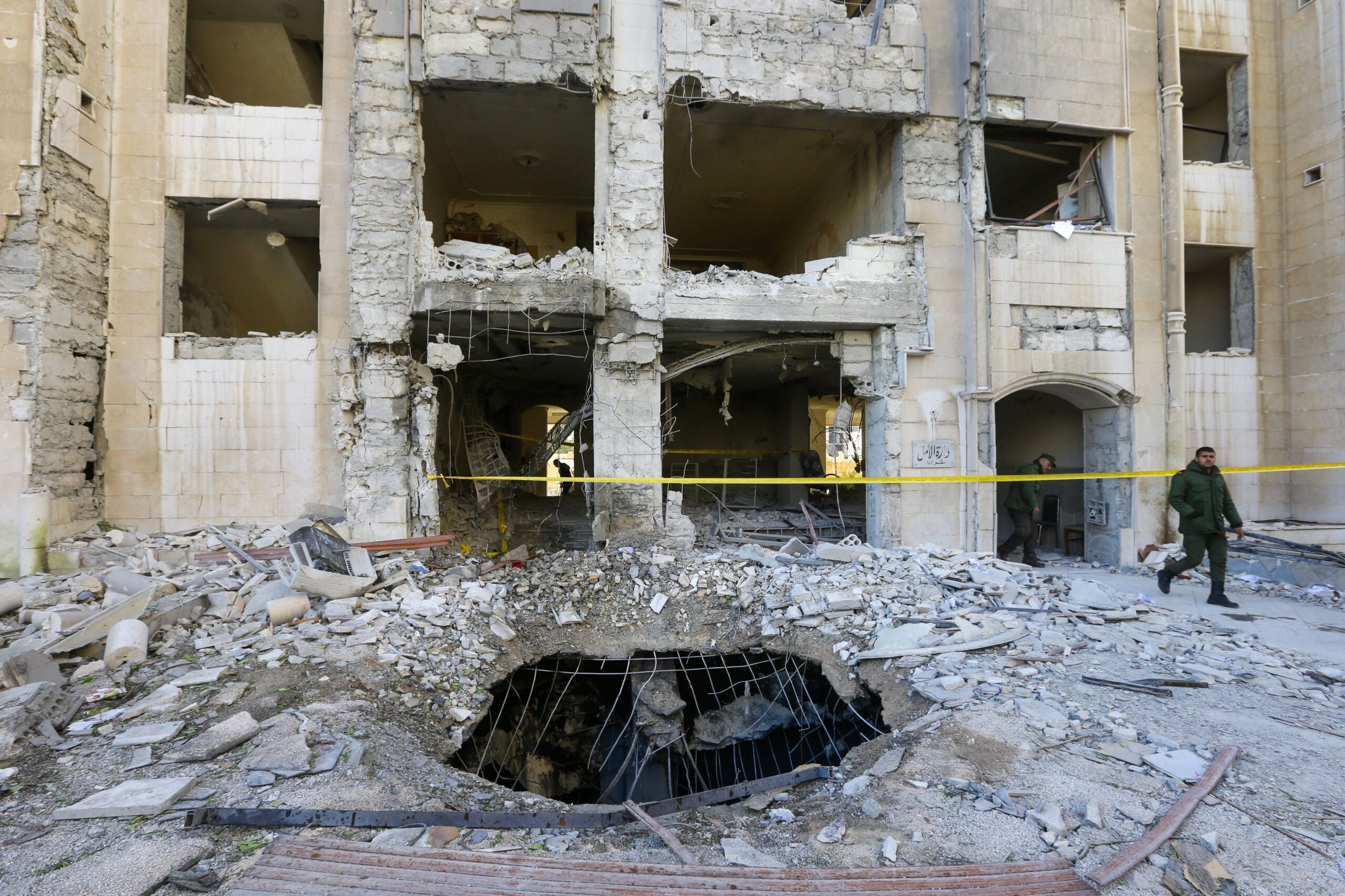
Israel’s Response to Iran in Syria: Choosing Between Escalation and Accommodation
The following quantitative analysis explores the core of Israel’s strategic airstrikes in Syria between 2013 and August 2023, a critical aspect of its defense policy during this time, aimed at mitigating Iranian influence in the region and protecting its national borders.



