This individual is a guest contributor. MEI is not able to assist with contact requests.
Jean-Pierre Cassarino holds a professorship at the Robert Schuman Center for Advanced Studies (RSCAS/European University Institute, Florence) where he directs the Return migration and Development Platform (http://rsc.eui.eu/RDP/). He is also research associate at the Tunis-based Institut de Recherche sur le Maghreb Contemporain (IRMC). Since the mid-1990s, he has published extensively on international migration, particularly on return migration and has carried out numerous field surveys investigating returnees’ manifold patterns of reintegration. Selected publications include: (ed.) Unbalanced Reciprocities: Cooperation on Readmission in the Euro-Mediterranean Area, The Middle East Institute Press, Washington, 2010; (ed.) “Conditions of Modern Return Migrants”, International Journal on Multicultural Societies, Vol. 10, Issue 2, UNESCO, Paris, 2008; (ed.) Return Migrants to the Maghreb Countries: Reintegration and development challenges, RSCAS, European University Institute, Florence, 2008; Tunisian New Entrepreneurs and their Past Experiences of Migration in Europe: Networks, Resource Mobilisation, and Hidden Disaffection. Ashgate Publishers, Aldershot, 2000. Email: [email protected]
Shifting sentiments in the Sahel: Anti-France or pro-Russia?
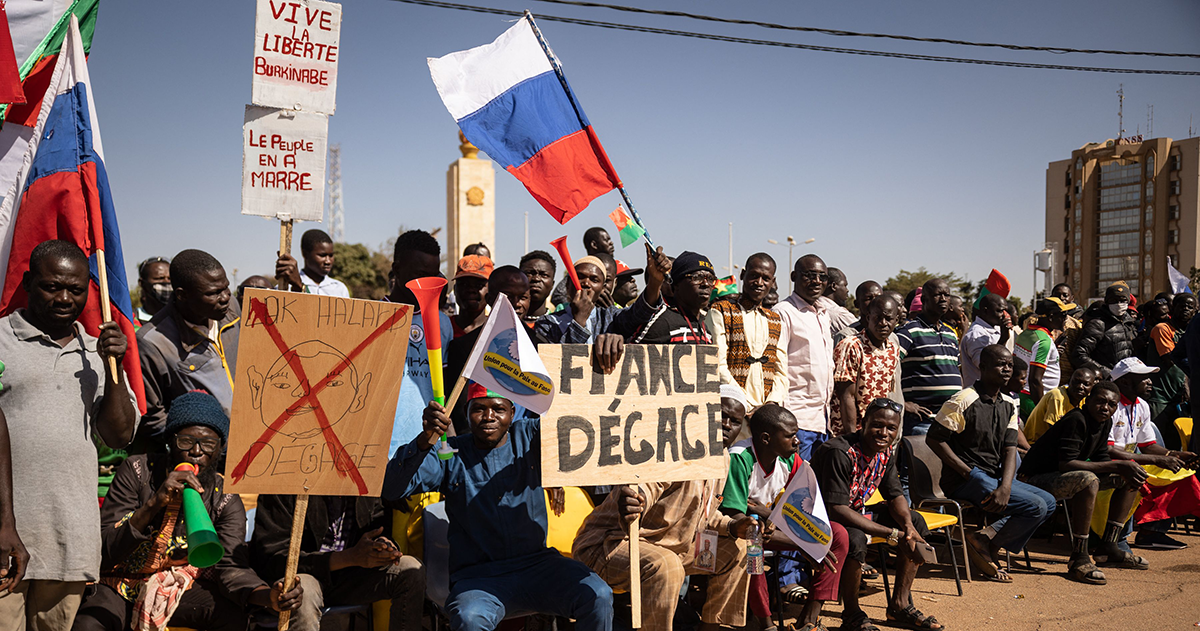
In recent months, fervent anti-French sentiment has been on the rise in Burkina Faso and Mali. In February 2023, the Burkinabe army announced the end of the French Sabre Force in the West African country. This came three weeks after the transitional government withdrew from the 2018 defense agreements with France that had previously allowed 400 French troops to be stationed in a cantonment outside of the capital, Ouagadougou.
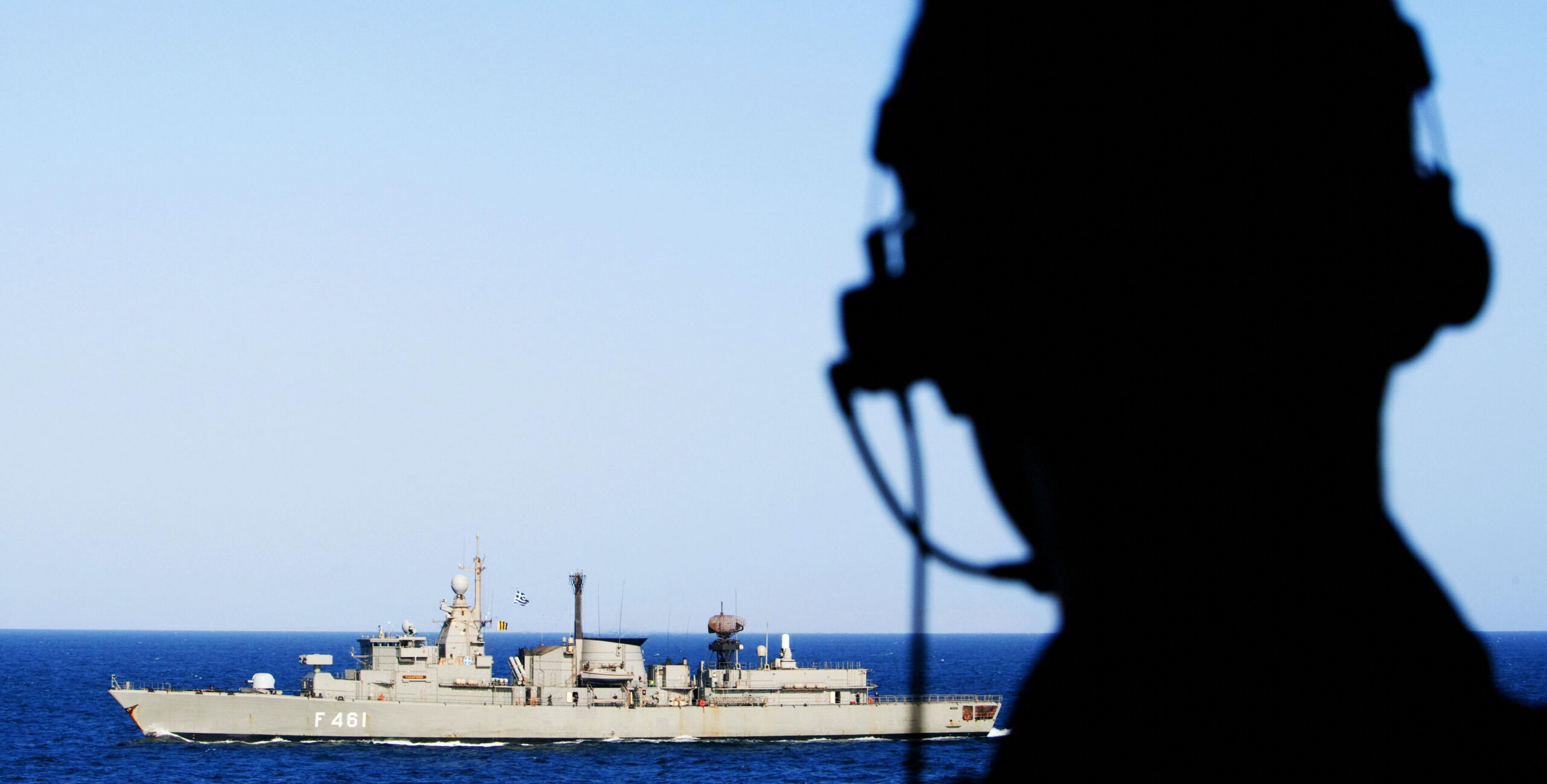
Navigating complex maritime security challenges in the Black and Mediterranean seas: Insights from the updated EUMSS
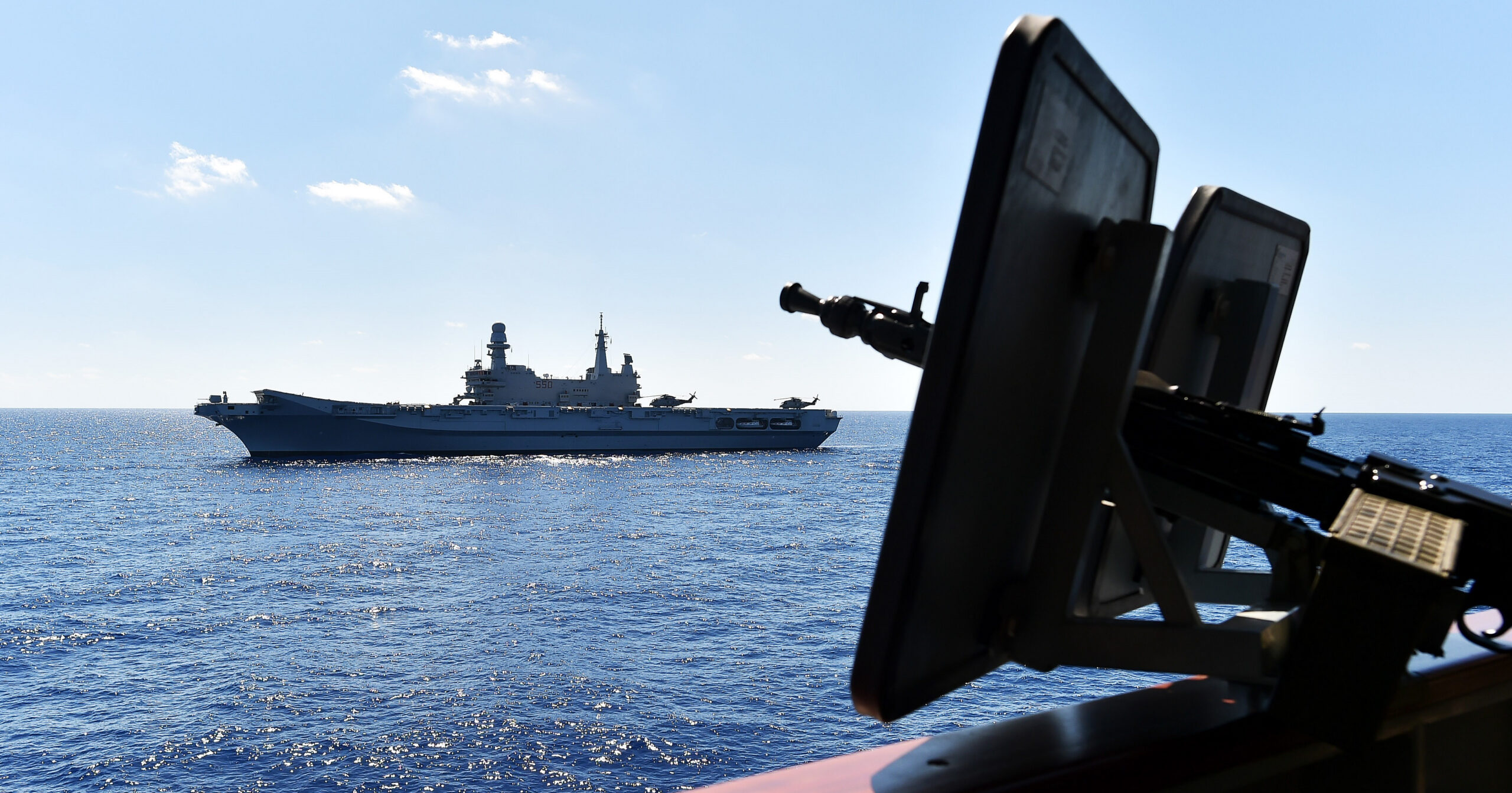
Russia’s February 2022 full-scale invasion of Ukraine helped influence the updated European Maritime Security Strategy’s approach to the Black and Mediterranean seas, with implicit and explicit references to the war dispersed throughout the document. The updated EUMSS showcases the wide array of security issues present in the region, including seaborne UXOs, human and drug trafficking, and threats to critical infrastructure. But security in the Black and Mediterranean seas will require greater cooperation with non-EU countries.
Is blue the new green? Opportunities for developing a climate-resilient blue economy in the MENA region
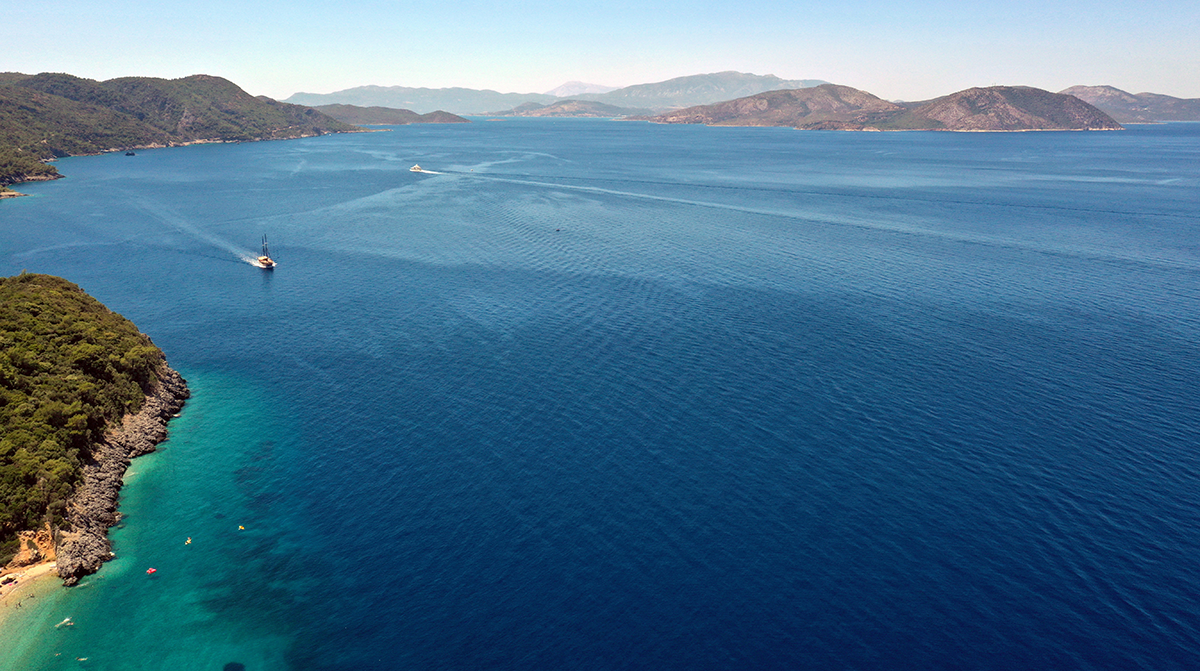
The blue economy can offer huge potential in climate change mitigation and resilience, given the fact that marine habitats, such as mangroves, tidal marshes, and seagrass meadows, provide significant protection from erratic climate events. MENA countries would benefit from developing the blue economy to aid in reversing natural resource degradation, sustaining inclusive economic development, and building resilience to climate change.
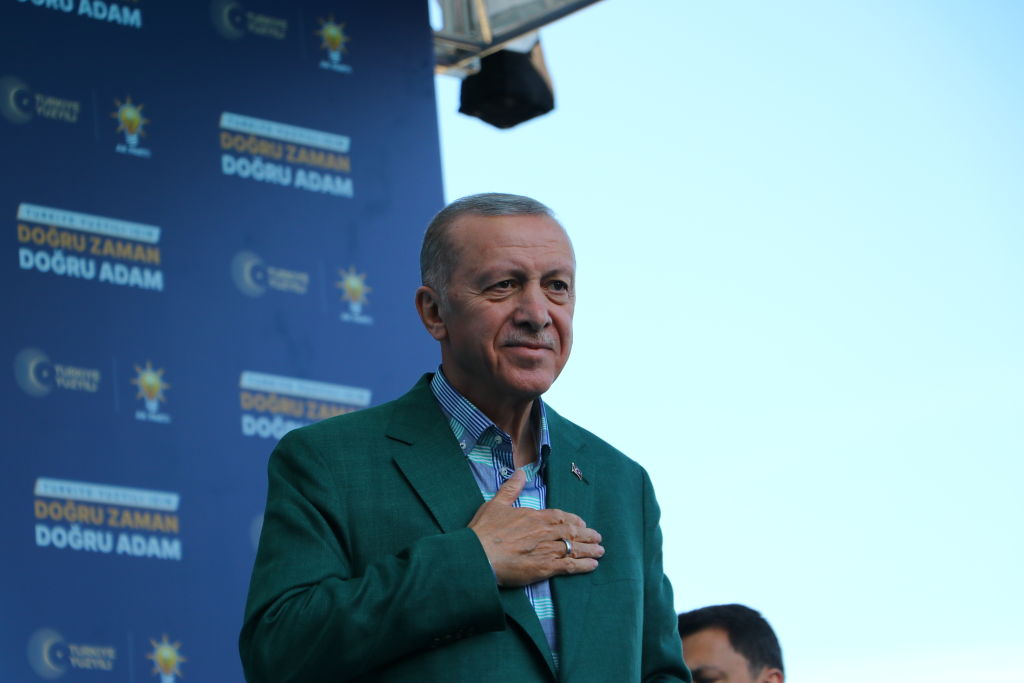
On this week’s episode Alistair Taylor, MEI’s editor-in-chief, is joined by Gönül Tol, the founding director of MEI’s Turkey Program and the author of “Erdogan’s War: A Strongman’s Struggle at Home and in Syria,” to discuss Turkey’s critical upcoming elections. After two decades in power, President Recep Tayyip Erdogan and the Justice and Development Party (AKP) are facing unprecedented challenges, including an economy in shambles, the ongoing impact of the devastating early February earthquakes, and a united opposition.
Joining the pieces together: Toward a comprehensive EU maritime approach for the Northwestern Indian Ocean, Persian Gulf, and Red Sea
Until recently, the EU has favored a piecemeal approach toward the Northwestern Indian Ocean, the Gulf, and the Red Sea, despite their close interdependence and inter-connectedness in the security, political, and economic realms. But the EU is now signaling a growing desire to steer its naval policy toward a more holistic and organic process, creating an opportunity for Brussels to become a more relevant security actor in the waters off the Arabian Peninsula.
The economic impact of Turkey’s elections: Six potential scenarios
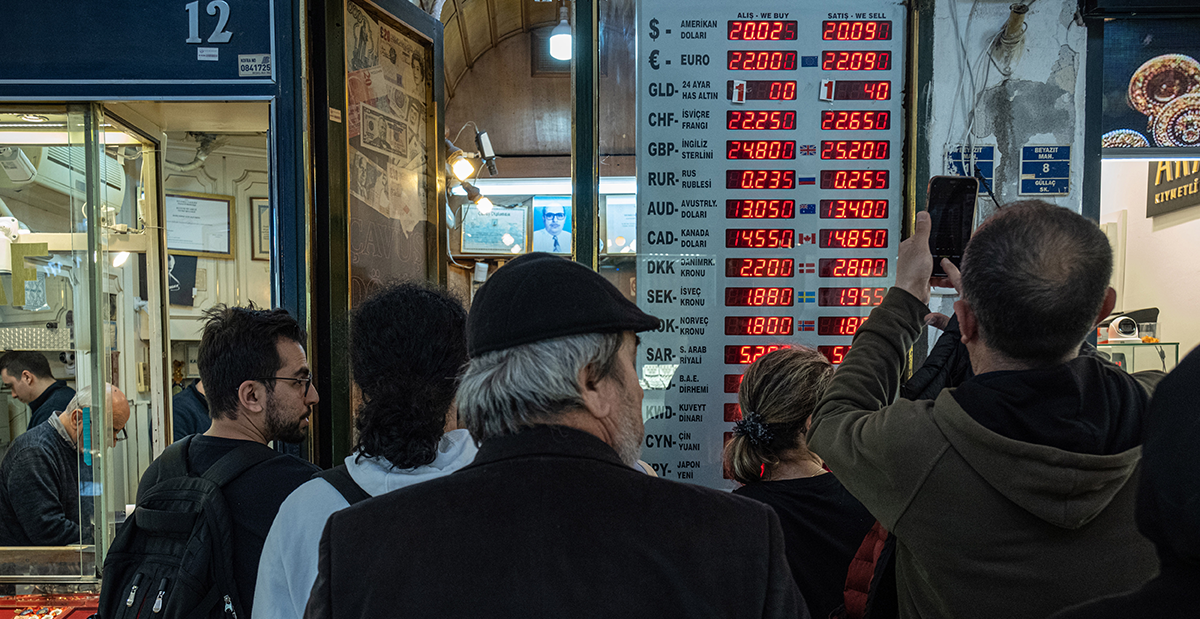
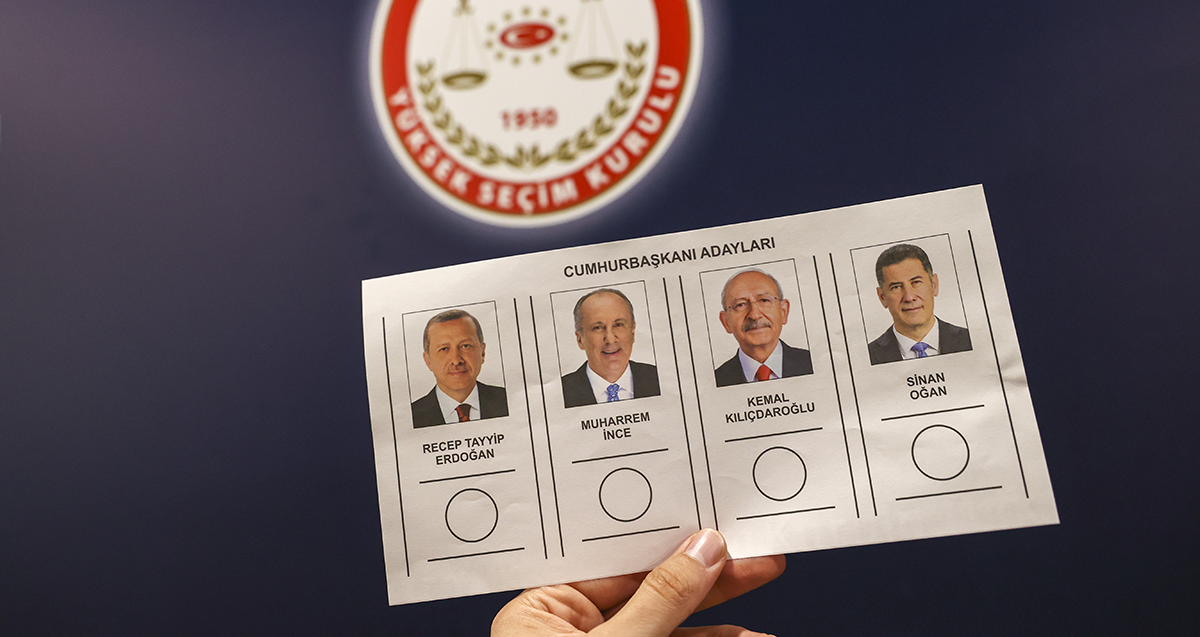
As Turkey heads to the polls for presidential and parliamentary elections this month, the consequences for its troubled economy are likely to be significant and wide-ranging. Financial stability, business confidence, purchasing power, and asset prices all depend on whether President Recep Tayyip Erdoğan’s two-decade-long rule will continue; at the same time these factors will also determine his chances for re-election. There are a number of potential election outcomes that could lead to greater uncertainty and volatility rather than clarity and stability.
If Turkish President Recep Tayyip Erdoğan and his AKP are defeated in this month’s elections, the next government, led by the CHP, will likely prove more agreeable — or at least no more difficult — on virtually every issue of importance to the United States and Turkey’s other allies in the NATO. There undoubtedly will still be areas of contention, including some of the same ones that have bedeviled the West’s relations with Turkey under Erdoğan. For reasons both ideological and economic, however, a new Turkish government would want a closer relationship with the West than Erdoğan has pursued for many years.
Assessing competing scenarios for Turkey’s parliamentary elections
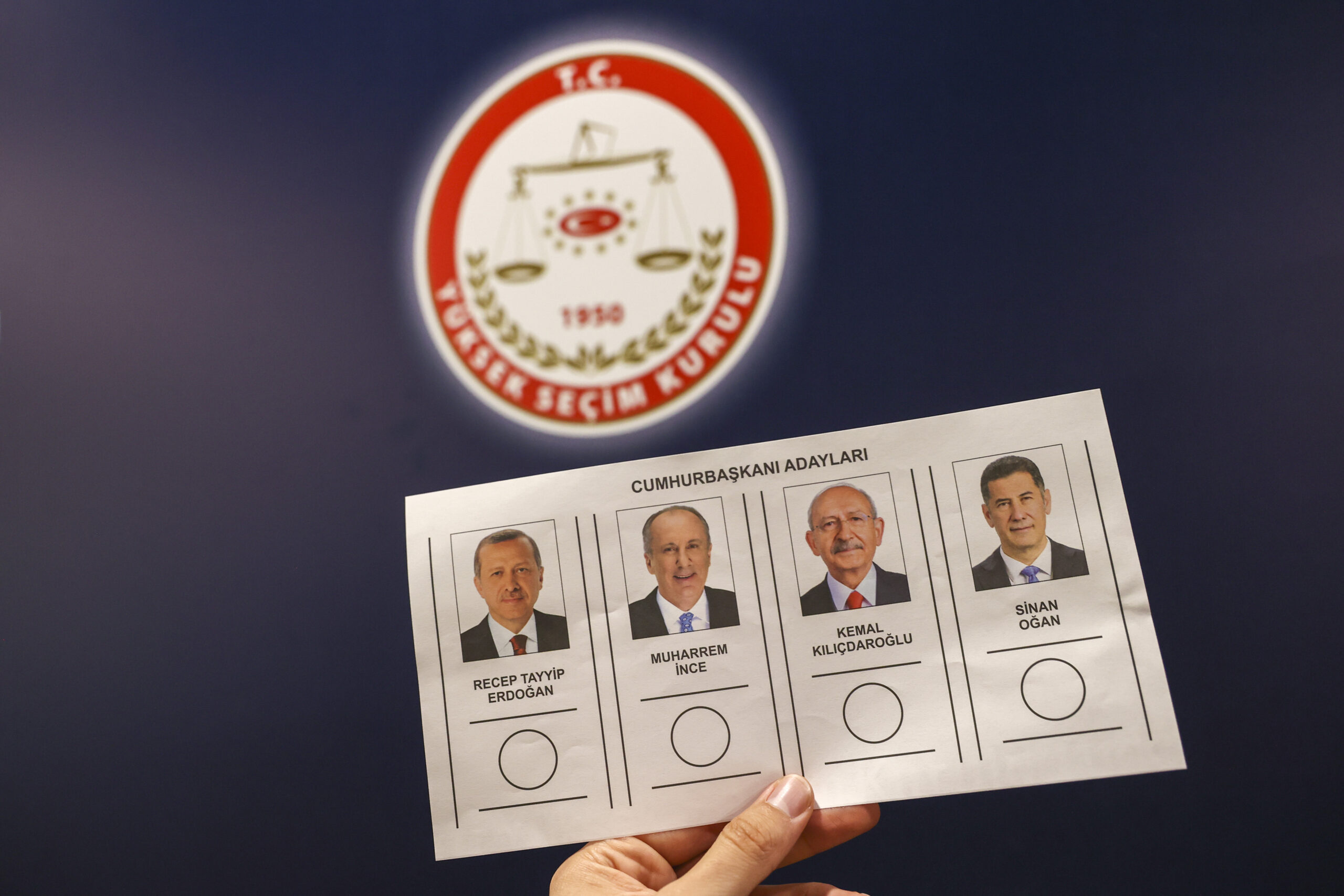
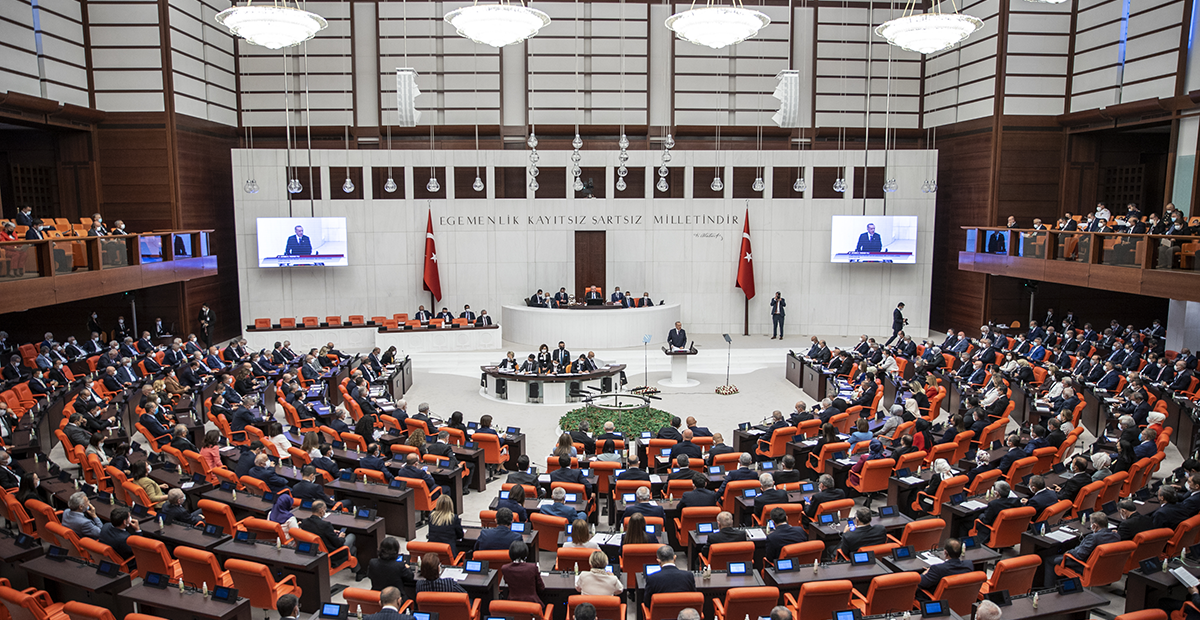
On May 14, Turkish voters are headed to the polls for twin elections — presidential and parliamentary — that are expected to shape the country’s political trajectory for years to come. While the presidential race has generated wide interest in the international media, there is little informed discussion when it comes to the parliamentary elections. Unlike the presidential elections, which quickly turned into a tight contest between President Recep Tayyip Erdoğan and the main opposition leader, Kemal Kılıçdaroğlu, the parliamentary races are more unpredictable at this point.
Polarizing populism vs. inclusive positivity: Erdoğan and Kılıçdaroğlu’s dueling campaign strategies
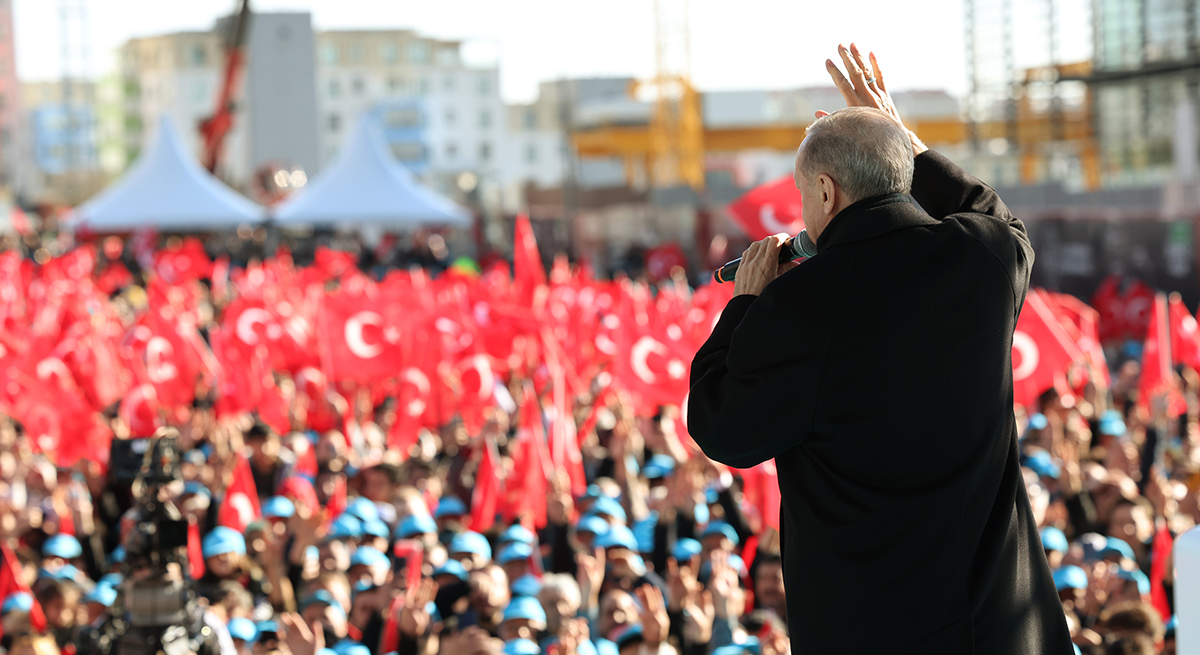
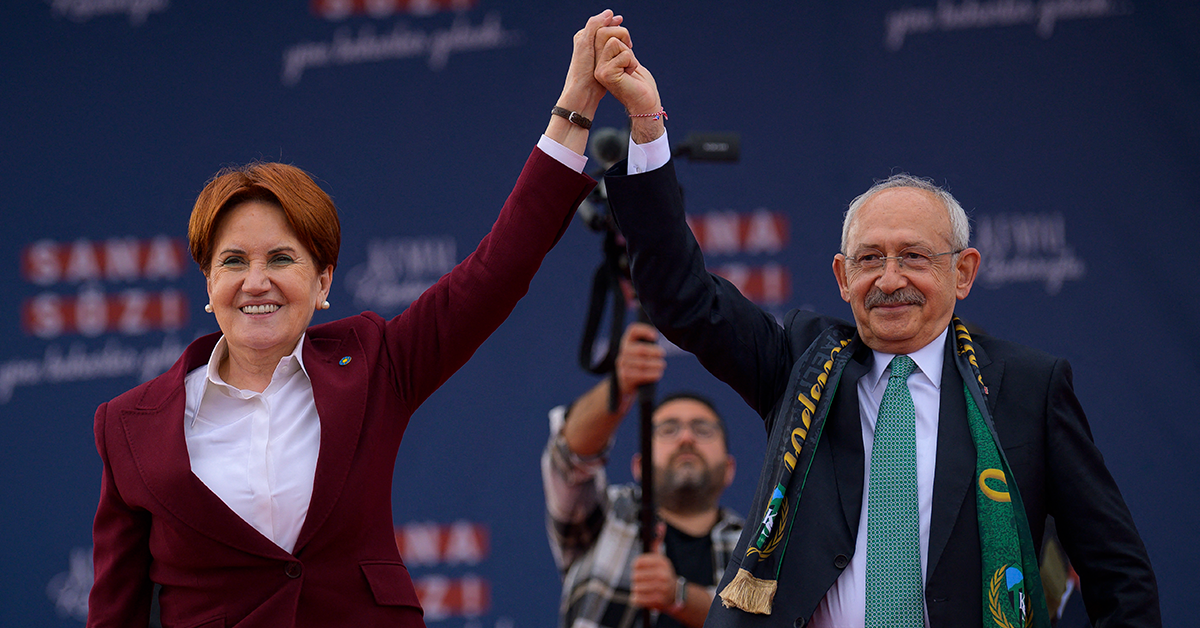
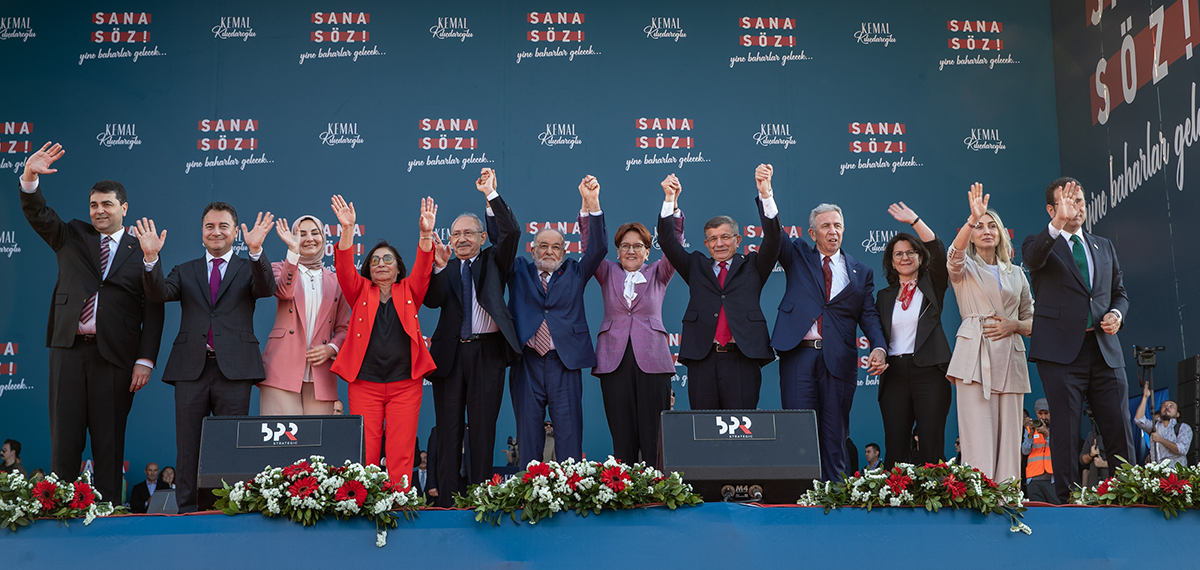
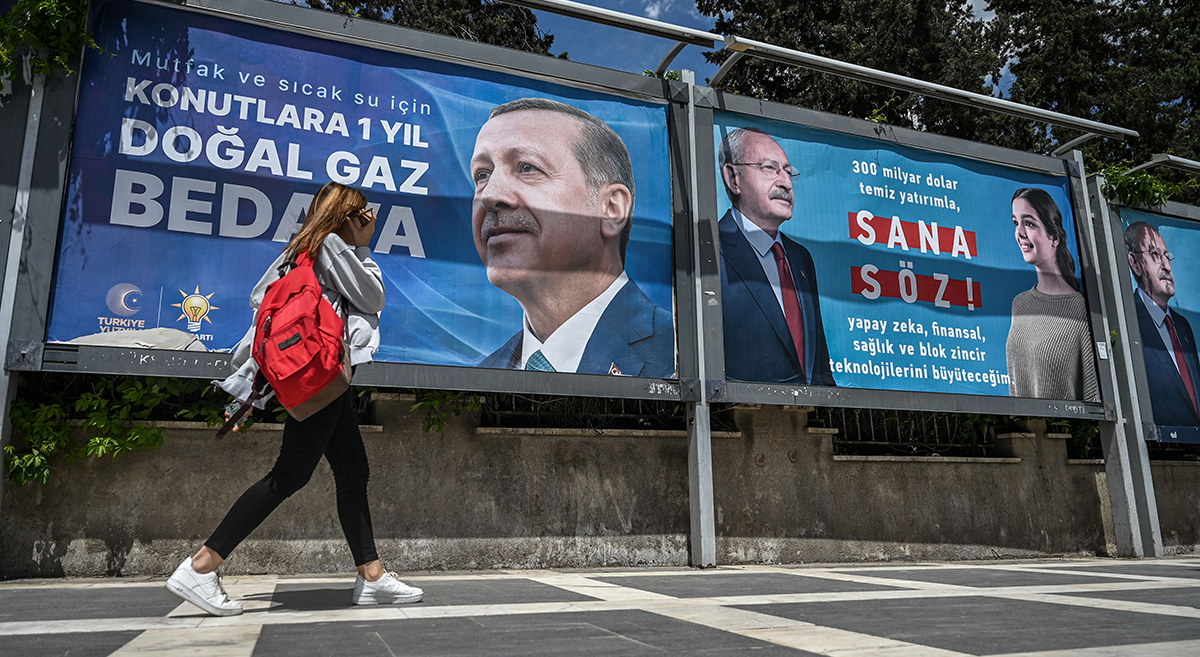
As Turkey gears up for a crucial election, the country is currently witnessing two very different political campaign styles. President Recep Tayyip Erdoğan, who is seeking re-election, is competing against Kemal Kılıçdaroğlu, the joint candidate of the Nation Alliance. The two candidates’ wildly different political and governing styles are apparent in their campaigns: President Erdoğan follows a polarizing, negative, and fear-based approach focused on energizing his base, while Kılıçdaroğlu’s campaign is dynamic, inclusive, and positive.
The dust has not yet settled ahead of Turkey’s elections
We’re only in May but it’s safe to say that 2023 has been one of the longest years in the history of Turkish politics. The main issues in the presidential and parliamentary elections on May 14 are the deteriorating economic conditions and identity politics. For the first time in two decades President Recep Tayyip Erdoğan is heading into an election not in the lead.
Turkey's 2023 Elections: Perspectives on a Critical Vote
It is a cliché for politicians to claim that an upcoming election is the most critical vote in the history of the country. In Turkey’s case, however, the presidential and parliamentary elections on May 14 are indeed the most consequential ever. The prospects for Turkey’s democratic future are at stake.
Turkish Election Watch: The Week of April 30-May 7
Catch up with the latest developments about Turkey’s May elections with weekly updates from MEI’s Turkey Program. In this week’s installment of Turkish Election Watch: more signs of opposition strength, the stoning of İmamoğlu’s campaign bus in Erzurum, Babacan’s economic role, and the ruling coalition takes off the gloves.