This individual is a guest contributor. MEI is not able to assist with contact requests.
Jean-Pierre Cassarino holds a professorship at the Robert Schuman Center for Advanced Studies (RSCAS/European University Institute, Florence) where he directs the Return migration and Development Platform (http://rsc.eui.eu/RDP/). He is also research associate at the Tunis-based Institut de Recherche sur le Maghreb Contemporain (IRMC). Since the mid-1990s, he has published extensively on international migration, particularly on return migration and has carried out numerous field surveys investigating returnees’ manifold patterns of reintegration. Selected publications include: (ed.) Unbalanced Reciprocities: Cooperation on Readmission in the Euro-Mediterranean Area, The Middle East Institute Press, Washington, 2010; (ed.) “Conditions of Modern Return Migrants”, International Journal on Multicultural Societies, Vol. 10, Issue 2, UNESCO, Paris, 2008; (ed.) Return Migrants to the Maghreb Countries: Reintegration and development challenges, RSCAS, European University Institute, Florence, 2008; Tunisian New Entrepreneurs and their Past Experiences of Migration in Europe: Networks, Resource Mobilisation, and Hidden Disaffection. Ashgate Publishers, Aldershot, 2000. Email: [email protected]
Israel’s fight to define the right matters for US security
The Israeli government is in the midst of a fight to define what it means to be on the “right” politically in Israel, and this has important implications for U.S. security policy in the Middle East. The United States’ support for Israel is a defining pillar in its Middle East policy, and the decisions made by this fragile Israeli government could have ramifications that affect the security landscape of the entire region. There are small policy shifts the U.S. can make now to lessen the security impacts of those changes.
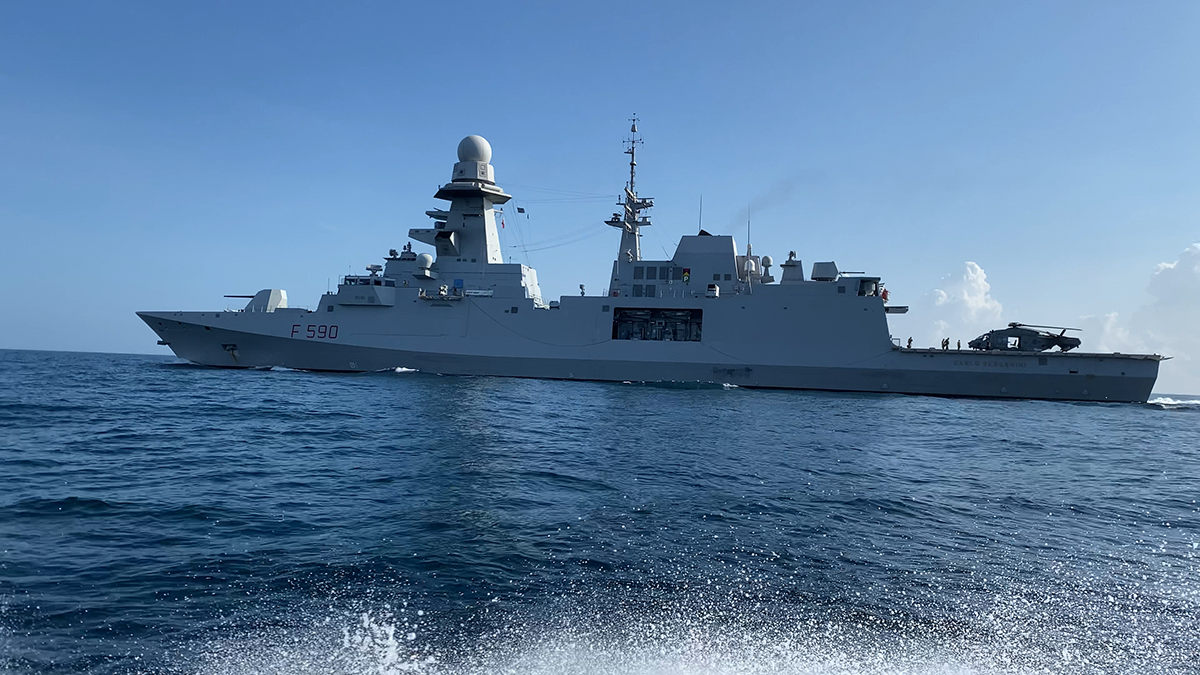
The CMF-153: Rebuilding US-GCC confidence through maritime security
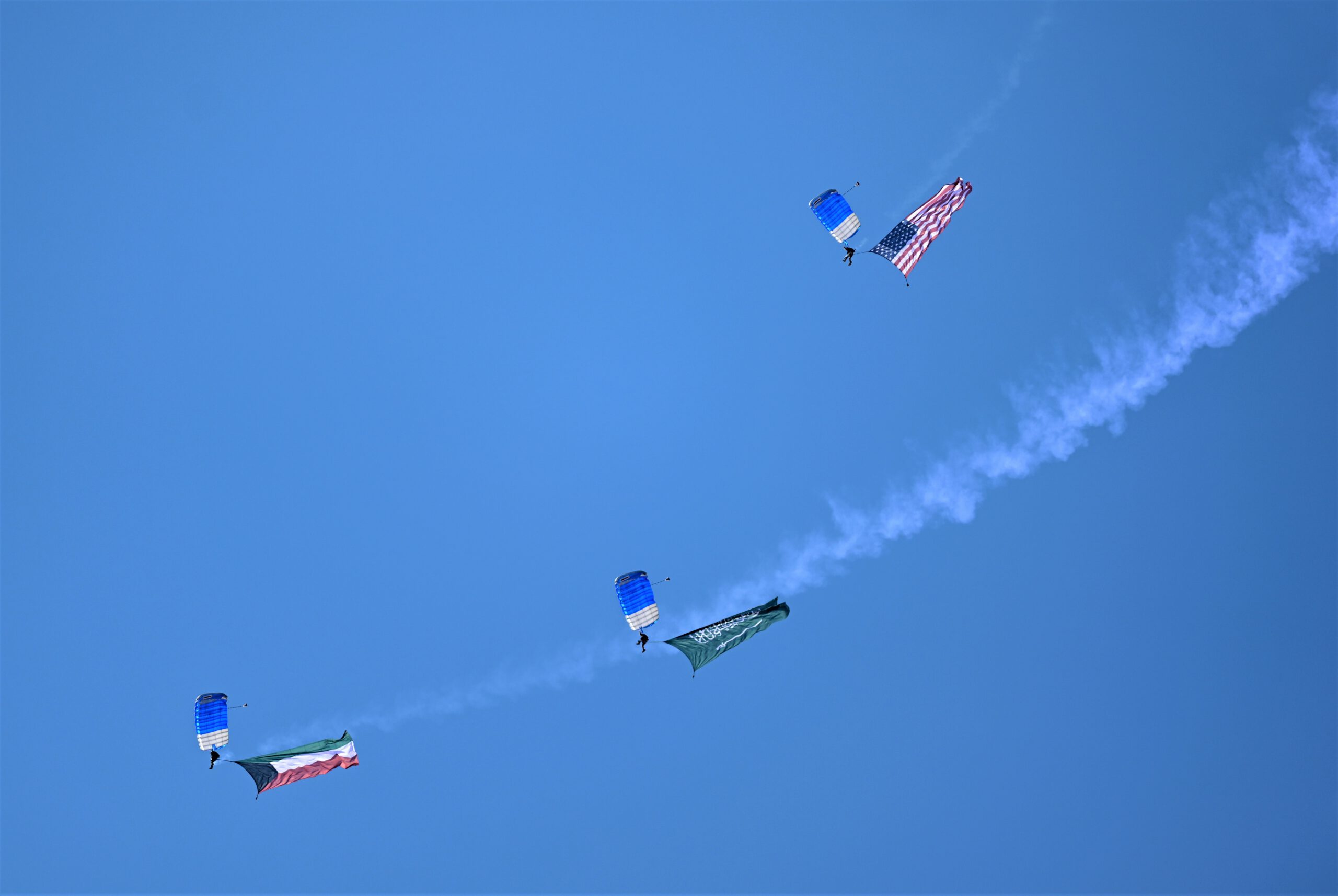
Efforts to restore confidence between the U.S. and the Arab Gulf states took a first step with the recent formation of a new naval task force, known as the Combined Maritime Forces-153 (CMF-153), to improve maritime security in the Red Sea, Bab el-Mandeb, and the Gulf of Aden, including the hotspot of Yemen. Established in mid-April, the new task force intends to target weapons smuggling for Ansar Allah, as the Houthi militias are officially known, as well as human trafficking and the drug trade.
Bad policy advice could lead to a catastrophe for Iran’s public economy
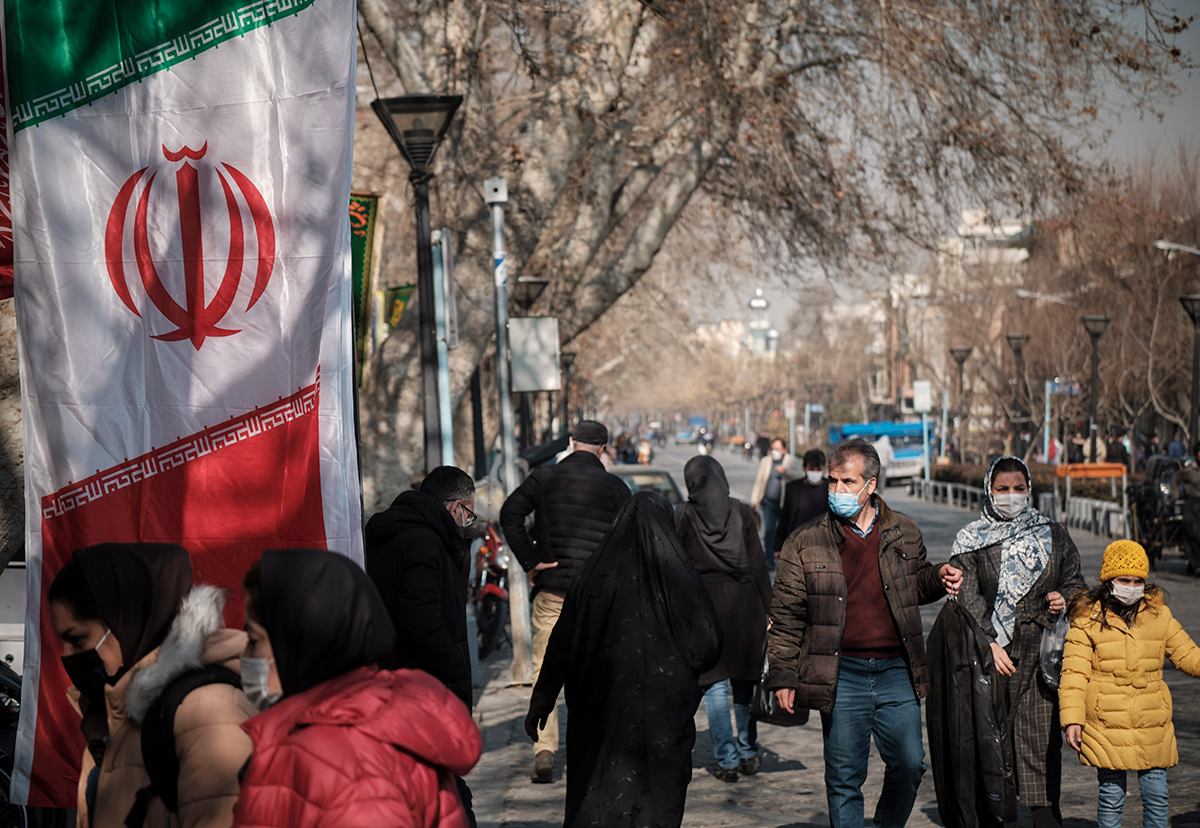
Iran began the new fiscal year on March 21, 2022 having recorded an estimated GDP growth rate of about 4% over the previous year, but CPI has grown by 35% year-on-year. While GDP growth could be the result of the stabilization of the economy after several years of recession, a steady rate of high inflation is alarming for Iran’s economy.
The UAE's food-security plans have made it a global market player
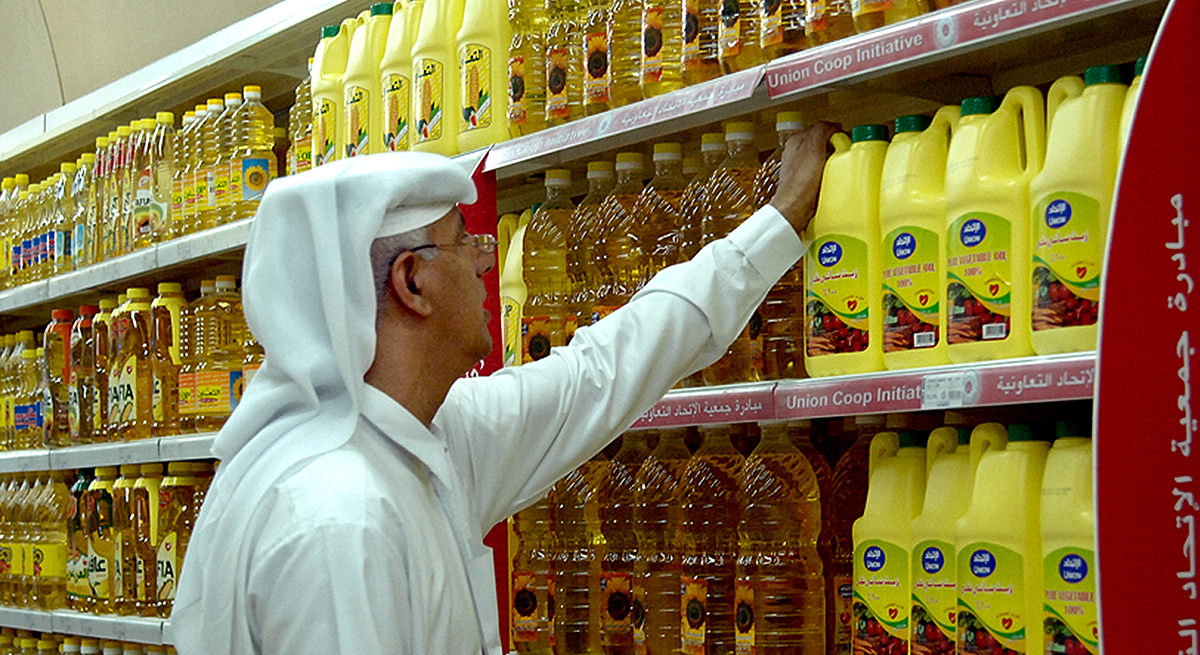
The two-month war between Russia and Ukraine has disrupted global food supplies, exposing the fragile state of food security across much of the Middle East and North Africa. Unlike those Mena nations struggling to secure cargoes of wheat and other staples, the UAE is in a better position, even though it currently imports 80 to 90 per cent of its food, thanks to its forward-looking food strategy during the past several years.
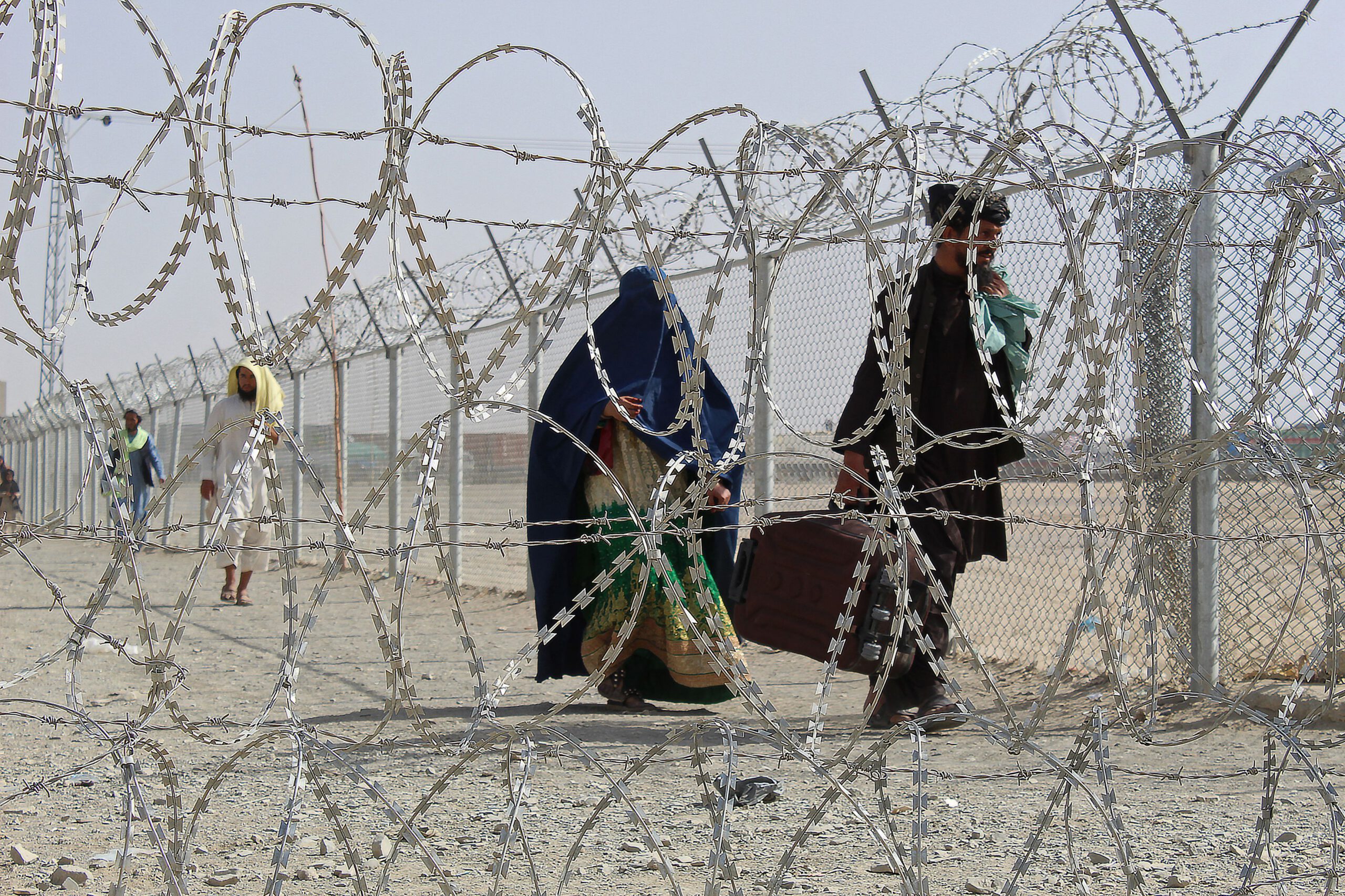
Pushed over the edge: Political and military dynamics at the Afghanistan-Pakistan border
Frequent and violent border clashes have created political tensions between Pakistan and Afghanistan. This may surprise observers, since Afghanistan is being ruled by the Afghan Taliban, long supported by Pakistan’s security establishment. Recent incidents illustrate, however, that while the interests of Pakistan and its clients in Kabul may often converge they are hardly identical. Divergent political ideologies, national histories and strategic aims are driving them apart on many crucial issues.
In February 2022, the Council of the European Union gathered in Brussels to discuss the extension of the Coordinated Maritime Presence (CMP) concept to the North-Western Indian Ocean. Its decisions constituted a rare consensus among E.U. member states that Gulf maritime security is a strategic interest for Europe as a whole.
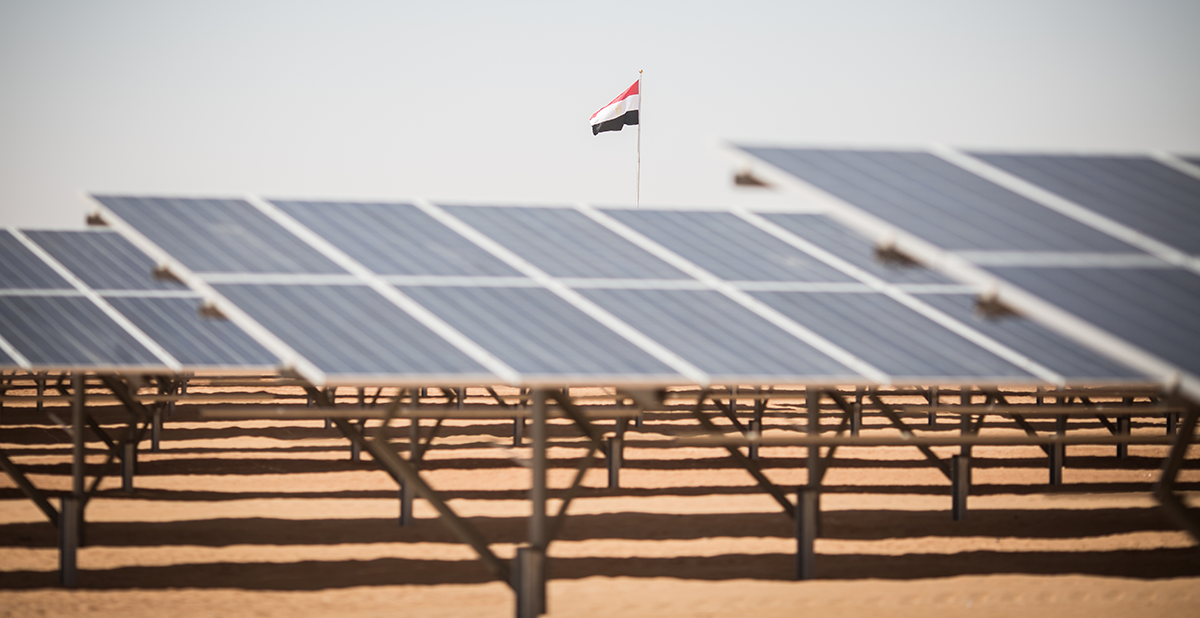
Egypt’s Synergy Between Natural Gas and Green Energy Transition: Cairo’s Advances in LNG and Green Hydrogen are Shaping the COP 27 Agenda
Egypt’s energy policy is helping to change the terms of the global debate on climate change by demonstrating that there is a basic compatibility between developing domestic natural gas resources and developing renewable energy sources. Disproving the dogma that natural gas and renewables are in a zero-sum competition, Egypt is advancing as a leader in renewable energy development while also increasing its offshore natural gas production capacity.
Karen Young, director of MEI’s Program on Economics and Energy, is joined by Emily Stromquist and Colby Connelly for a discussion on gas and energy developments in the Eastern Mediterranean.
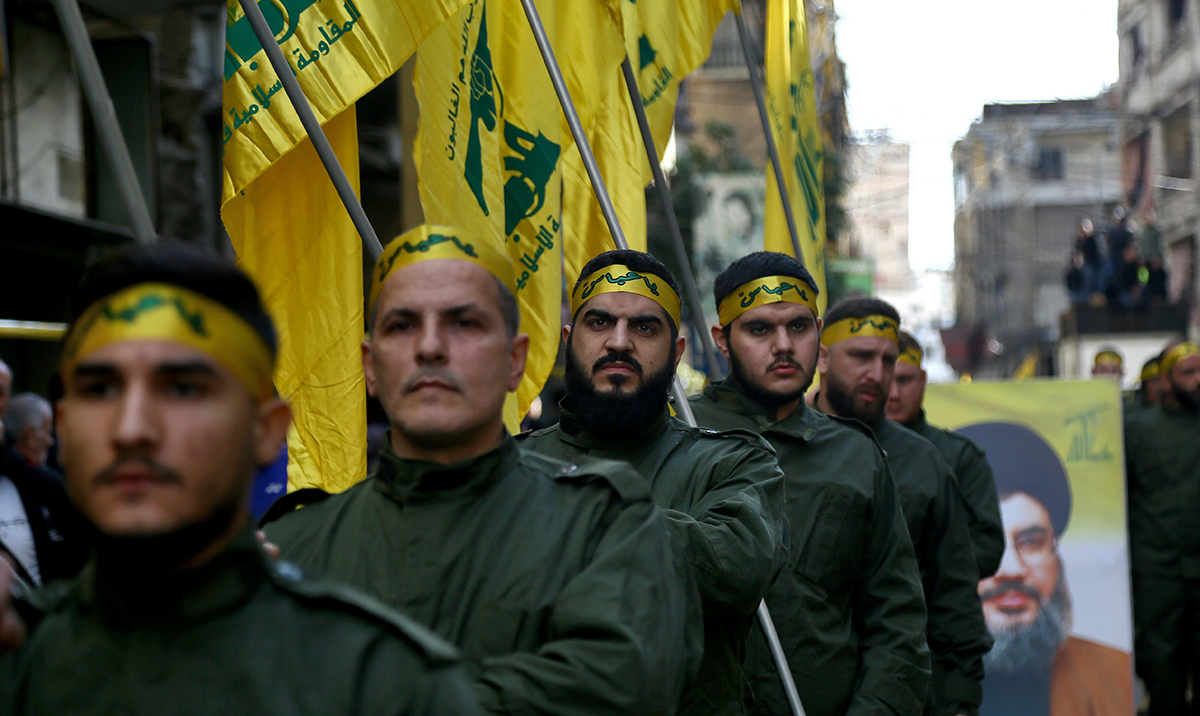
هزینه سنگین حمایت حزب الله برای اقتصاد و امنیت ایران
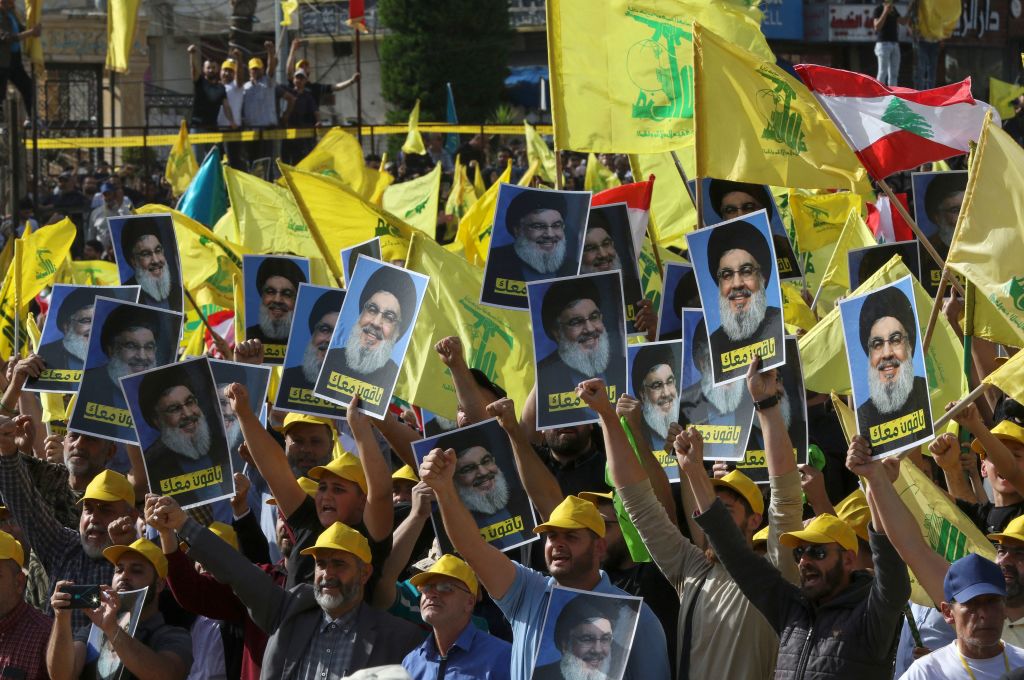
در جمهوری اسلامی ایران, این فرضیه وجود دارد که حمایت از سازمان حزب الله در لبنان, امنیت و قدرت بازدارندگی ایران را افزایش داده است. در عین حال, شواهد و قرائنی وجود دارند که نتایج انان برعکس این فرضیه را نشان می دهند.
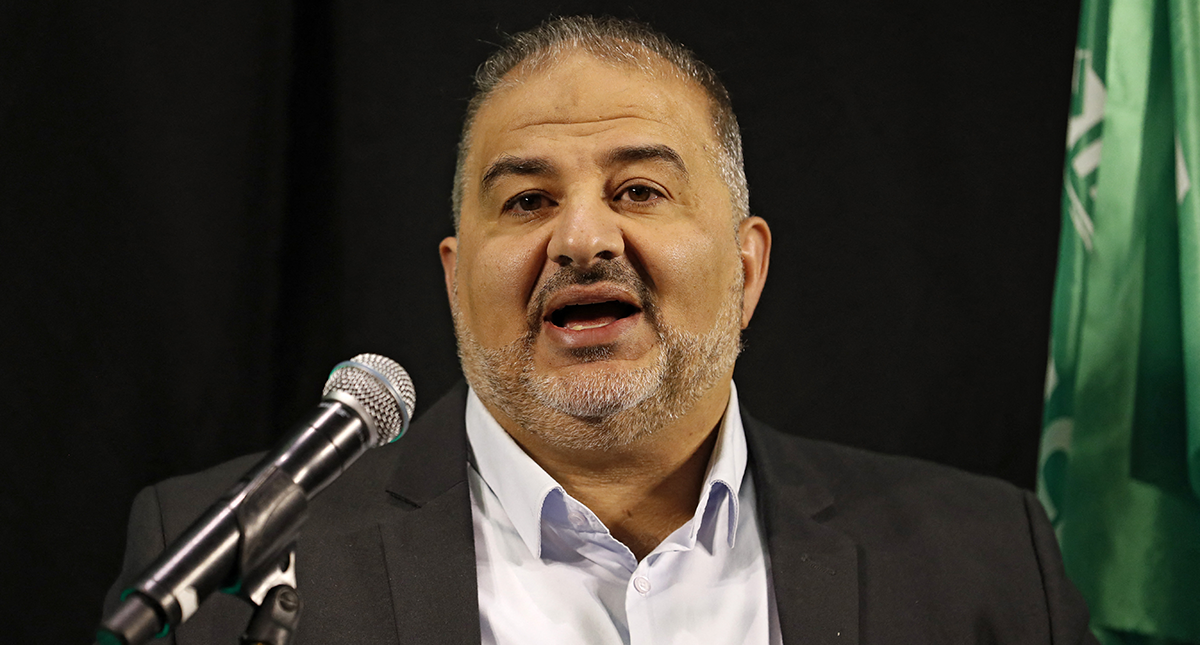
What’s driving Mansour Abbas and Ra’am’s strategy?
The United Arab List (Ra’am) political party and its chairperson, Knesset Member Mansour Abbas, have come under fire recently from Hamas Gaza head Yahya Sinwar and other Palestinian leaders for supporting Israel’s governing coalition, particularly in light of the violence at al-Aqsa Mosque over the past month. What accounts for the party’s position and what is it hoping to achieve?
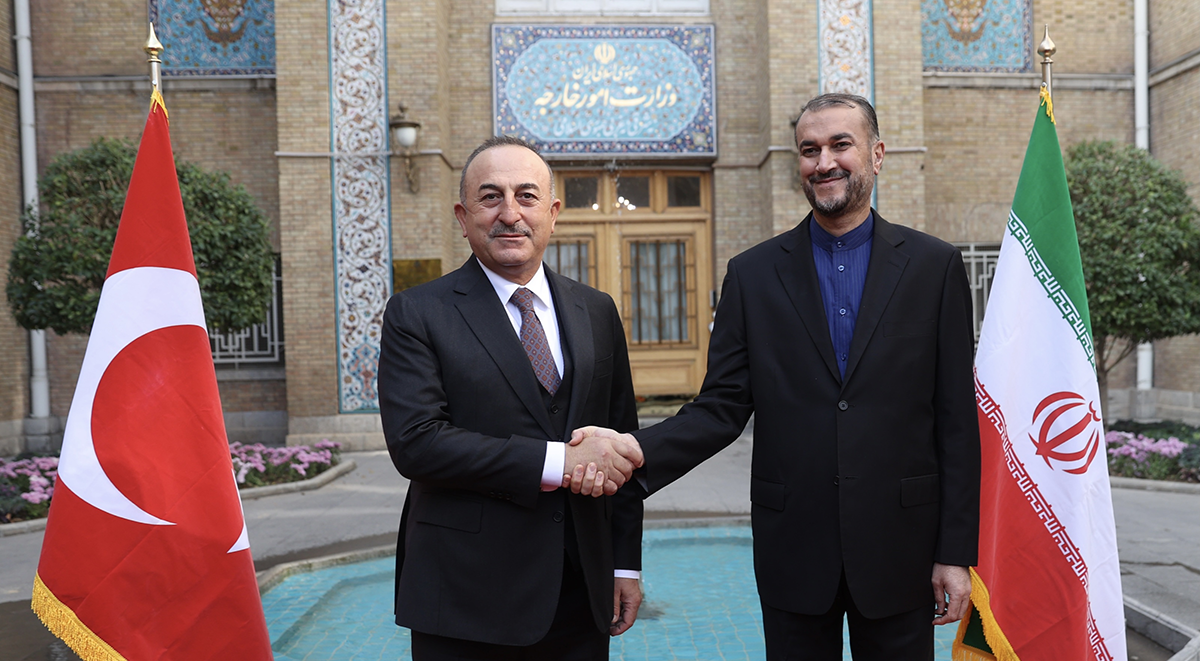
Iran, Turkey, and the future of the South Caucasus
Since late September 2021, Tehran and Baku have engaged in a process of de-escalation, largely focused on economic cooperation and regional transportation links. Such efforts should be welcomed, but underlying geopolitical tensions, especially the Iranian-Turkish competition for influence in the South Caucasus, can still derail them at any moment.