This individual is a guest contributor. MEI is not able to assist with contact requests.
Jean-Pierre Cassarino holds a professorship at the Robert Schuman Center for Advanced Studies (RSCAS/European University Institute, Florence) where he directs the Return migration and Development Platform (http://rsc.eui.eu/RDP/). He is also research associate at the Tunis-based Institut de Recherche sur le Maghreb Contemporain (IRMC). Since the mid-1990s, he has published extensively on international migration, particularly on return migration and has carried out numerous field surveys investigating returnees’ manifold patterns of reintegration. Selected publications include: (ed.) Unbalanced Reciprocities: Cooperation on Readmission in the Euro-Mediterranean Area, The Middle East Institute Press, Washington, 2010; (ed.) “Conditions of Modern Return Migrants”, International Journal on Multicultural Societies, Vol. 10, Issue 2, UNESCO, Paris, 2008; (ed.) Return Migrants to the Maghreb Countries: Reintegration and development challenges, RSCAS, European University Institute, Florence, 2008; Tunisian New Entrepreneurs and their Past Experiences of Migration in Europe: Networks, Resource Mobilisation, and Hidden Disaffection. Ashgate Publishers, Aldershot, 2000. Email: [email protected]
The United States has missed a valuable opportunity to use its influence in Iraq to encourage the government to implement the reforms Iraqi protesters have been demanding over the past six months and push back on Iran.
The difficult ordeal of forming a new Iraqi government
On March 1, Iraqi PM designate Mohammed Tawfiq Allawi announced that he had failed to form a new government to replace the current caretaker one headed by PM Adel Abdul-Mahdi. In the post-Saddam era, government formation in Iraq has always been a complicated process, but this is the first time since 2003 that a PM designate failed to form a government and the episode has revealed fundamental deficiencies in the Iraqi political process.
Manufacturing Division: The Assad Regime and Minorities in South-west Syria
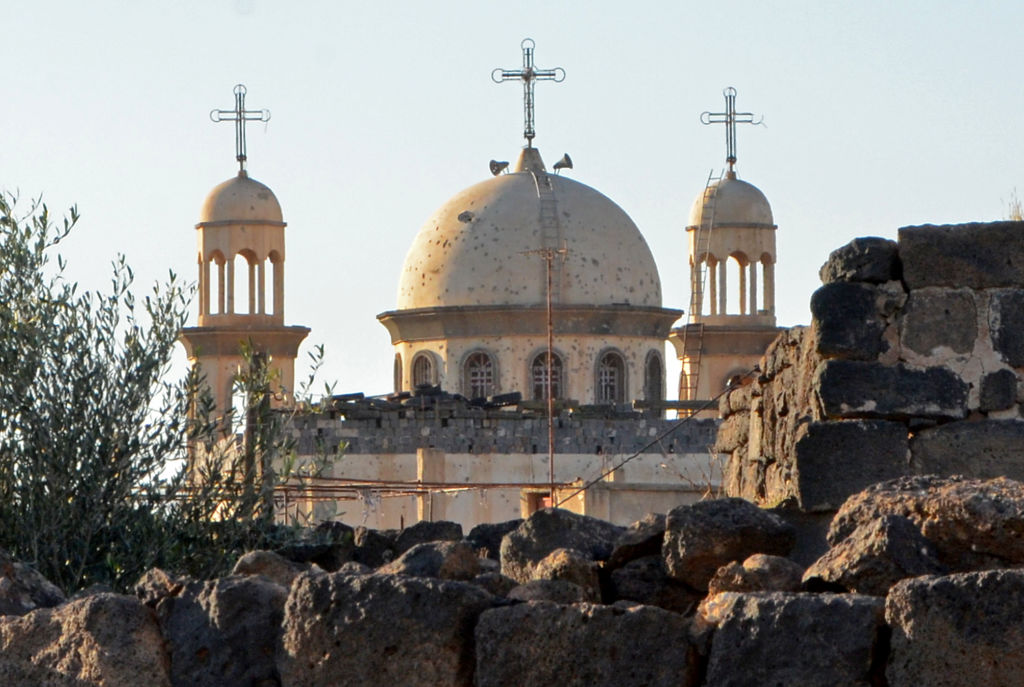
Minority communities in south-west Syria have shrunk to a fraction of their pre-2011 size, and the regime’s repressive policies perpetuate a cycle of violence and chaos that prevents their safe return. The regime’s strategy of transforming minority communities into sources of militia fighters has not only led to the deaths of thousands of young Alawite and Shi’a men, but also created sectarian tensions between formerly interconnected communities in south-west Syria. So long as the regime’s policy in the south-west is characterized by violence, the safe and dignified return of displaced Syrians will not be possible. This paper studies current and former minority communities in south-west Syria, the security and economic challenges these groups face, and the manner by which the regime exploits and weaponizes these vulnerable Syrians.
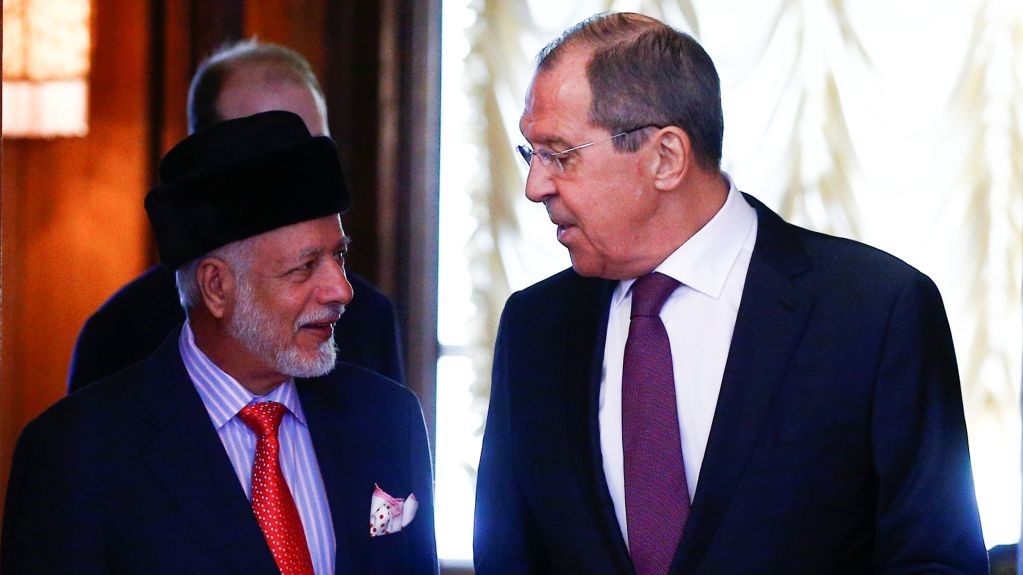
On Feb. 12, the director of Russia’s Foreign Intelligence Service, Sergei Naryshkin, made an official visit to Oman. During his trip to Muscat, Naryshkin engaged with senior Omani officials on strategies to de-escalate tensions in the Persian Gulf, counterterrorism cooperation, and approaches to conflict resolution in Syria and Yemen.
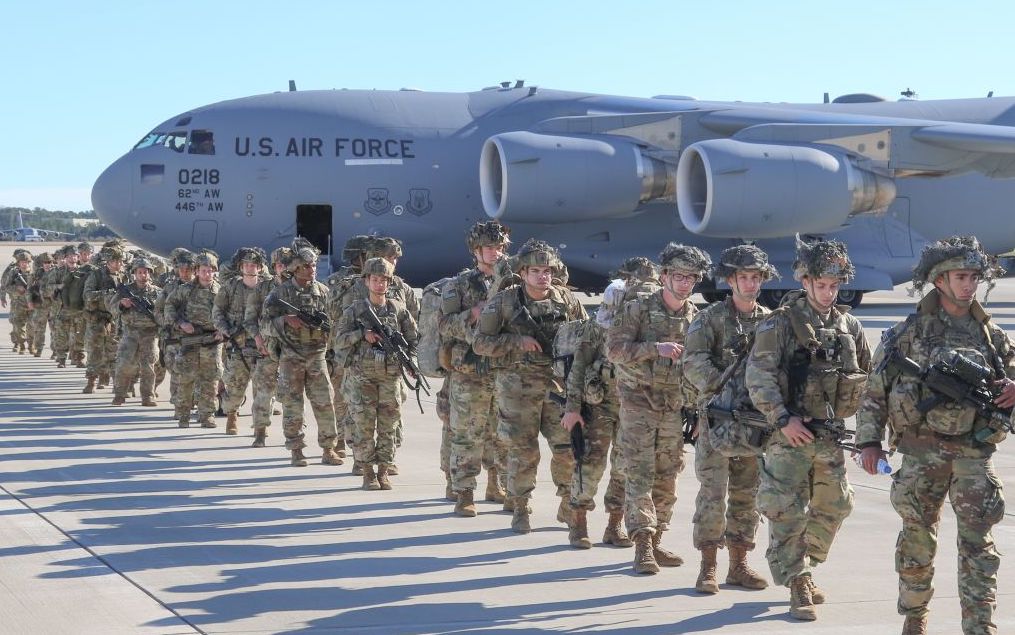
The U.S. killing of Qassem Soleimani, the Islamic Revolutionary Guard Corps’ (IRGC) Quds Force commander, along with the deputy chair of the Iraqi Popular Mobilization Forces (PMF), Abu Mahdi al-Muhandis, altered the political balance in Iraq. But the killings took place against a wider backdrop of political unrest and protests that forced the resignation of Prime Minister Adel Abdul-Mahdi at the end of 2019. With Iraq potentially headed for early elections,the country is set for significant changes as political actors vie for a seat at the table. U.S. and coalition forces in the region will inevitably be affected, and the coming months will determine the future of both Iranian proxies and the coalition presence in Iraq.
The link between Lebanon’s Hezbollah and Iraqi militias
Iraq has been relatively calm in recent weeks. This could change following Mohammad Allawi’s withdrawal as prime minister-designate, but Iran’s proxies in Iraq are giving dialogue a chance before pushing ahead with what they say is revenge for the slaying of Qasem Soleimani, head of the Iranian Revolutionary Guard’s Al-Quds Force.
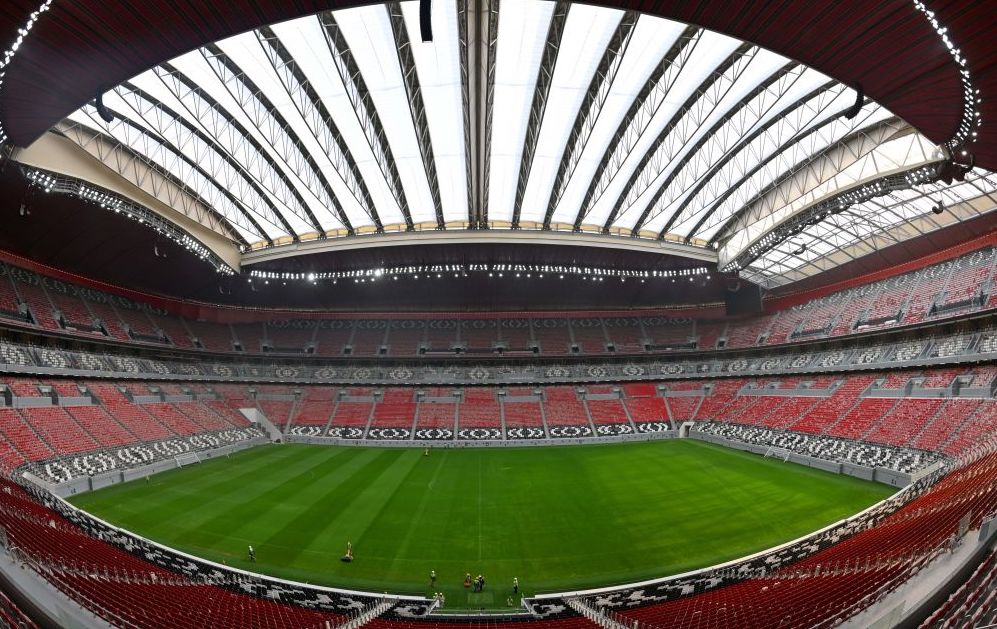
Sports diplomacy is the deliberate, strategic use of sporting events by states to create a favorable international image — the “continuation of policy by other means,” whereby sports, nationalism, commerce, and diplomacy are inextricably linked.
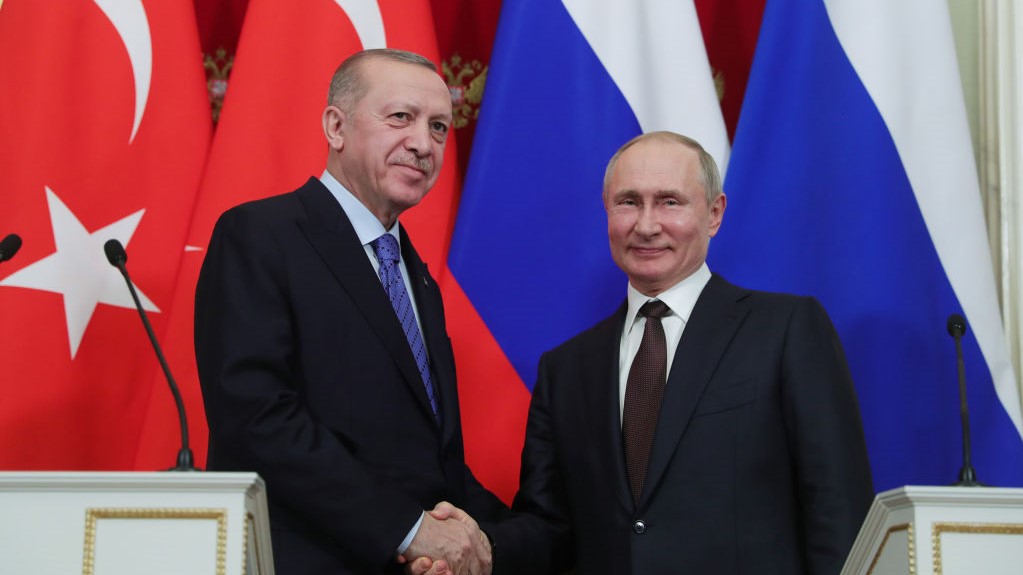
Turkey and Russia agree to a cease-fire in Idlib, but will it hold?
In the past, similar cease-fire agreements ended shortly after they were announced and were followed by more fierce fighting that further consolidated the regime’s control.
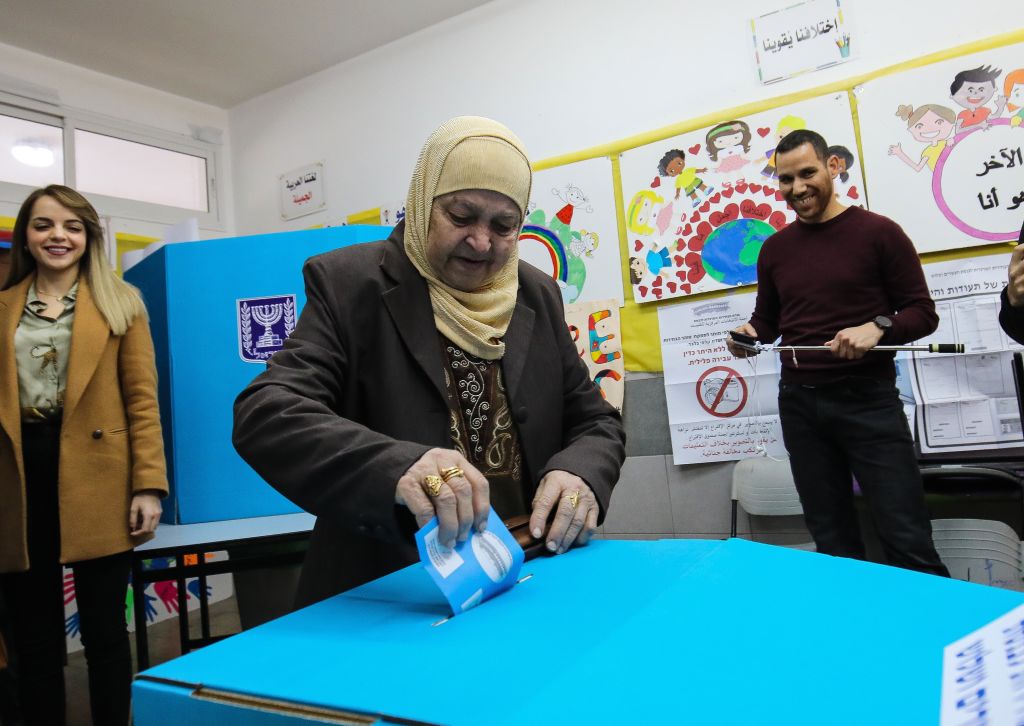
Can Palestinian citizens of Israel teach other Arabs a lesson in democracy?
While attention in the third Israeli general elections in a year has focused on the performance of the caretaker prime minister Binyamin Netanyahu, a powerful light must be shed as well on the successful performance of Israel’s Palestinian citizens, who again increased their representation in Israel’s parliament.