Jean-Pierre Cassarino holds a professorship at the Robert Schuman Center for Advanced Studies (RSCAS/European University Institute, Florence) where he directs the Return migration and Development Platform (http://rsc.eui.eu/RDP/). He is also research associate at the Tunis-based Institut de Recherche sur le Maghreb Contemporain (IRMC). Since the mid-1990s, he has published extensively on international migration, particularly on return migration and has carried out numerous field surveys investigating returnees’ manifold patterns of reintegration. Selected publications include: (ed.) Unbalanced Reciprocities: Cooperation on Readmission in the Euro-Mediterranean Area, The Middle East Institute Press, Washington, 2010; (ed.) “Conditions of Modern Return Migrants”, International Journal on Multicultural Societies, Vol. 10, Issue 2, UNESCO, Paris, 2008; (ed.) Return Migrants to the Maghreb Countries: Reintegration and development challenges, RSCAS, European University Institute, Florence, 2008; Tunisian New Entrepreneurs and their Past Experiences of Migration in Europe: Networks, Resource Mobilisation, and Hidden Disaffection. Ashgate Publishers, Aldershot, 2000. Email: [email protected]
The Latest from Jean-Pierre Cassarino
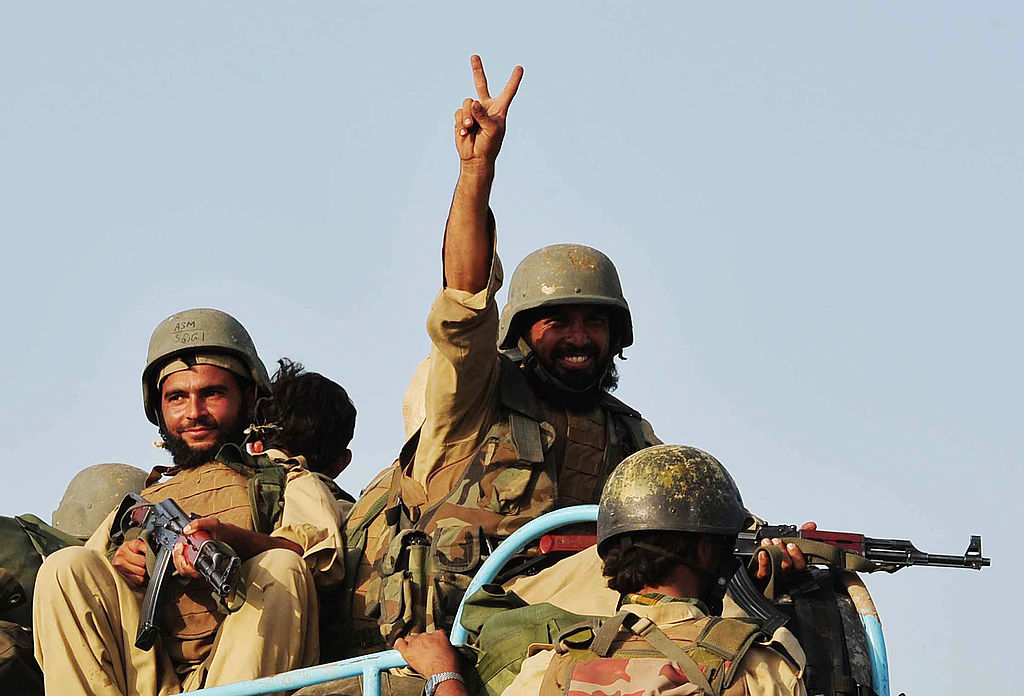
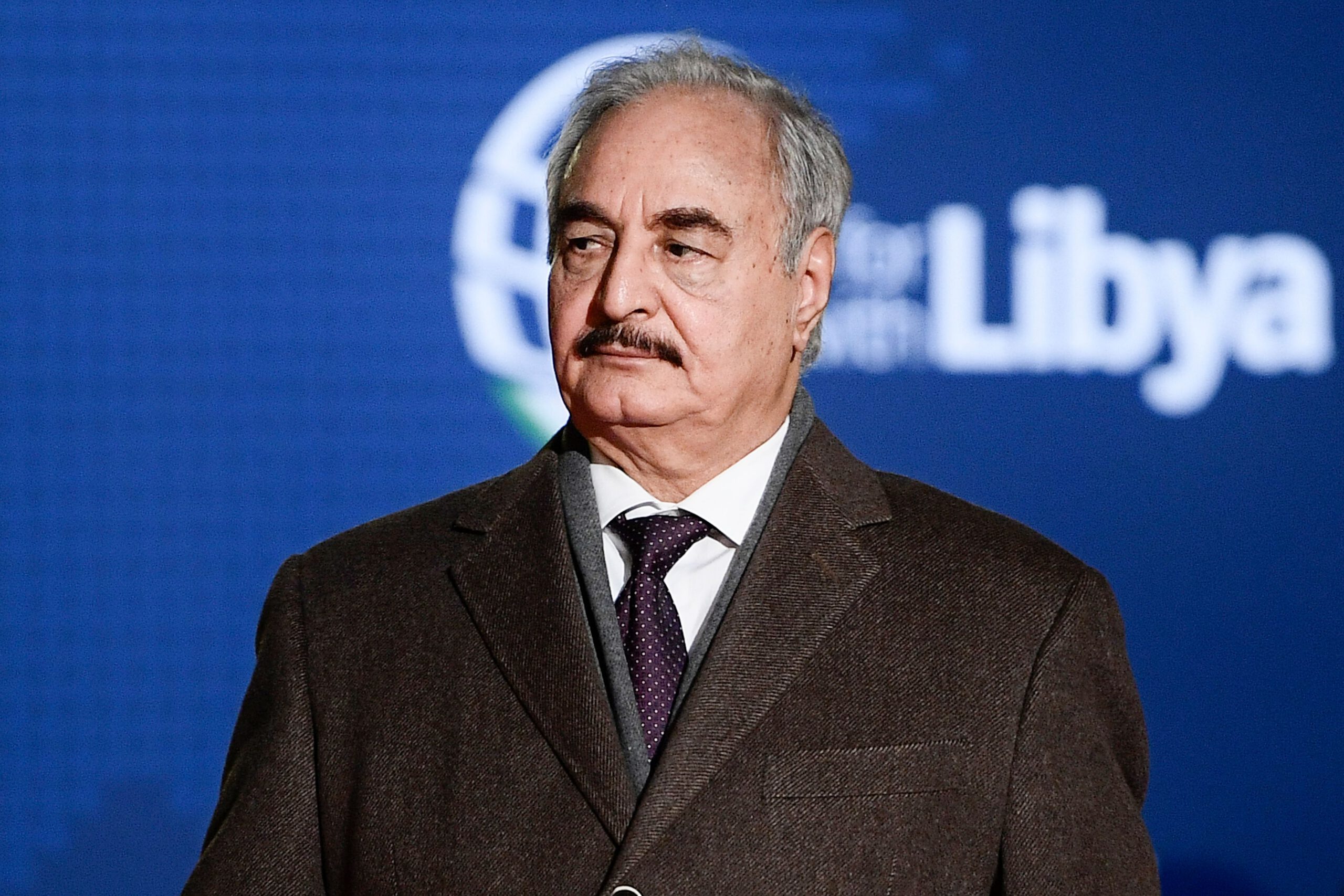
Libya’s Hifter and the false narrative of authoritarian stability
Khalifa Hifter has managed to garner outside support by appealing to foreign states’ desire for a stable Libya, but this rogue former general and would-be authoritarian has proven a troublesome proxy. In supporting his ongoing offensive on Tripoli, foreign states are undermining their own narrative of authoritarian stability.
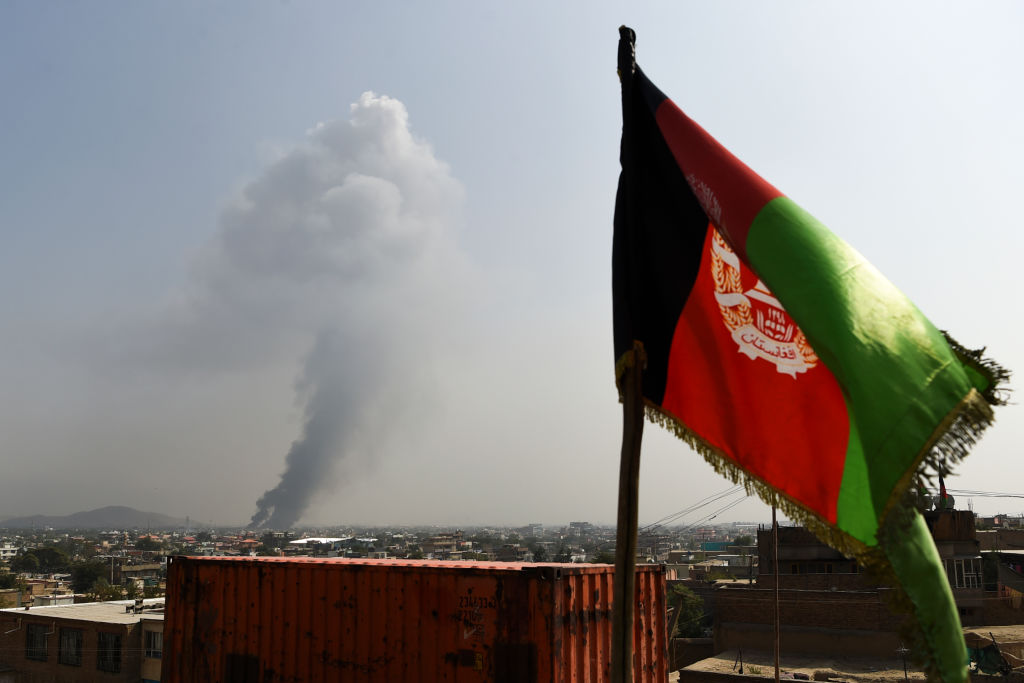
Weekly Briefing: A US-Taliban agreement but no sign of peace in Afghanistan
This week’s briefing on recent news and upcoming events in the region featuring Marvin G. Weinbaum, Randa Slim, Alex Vatanka, and Gonul Tol.
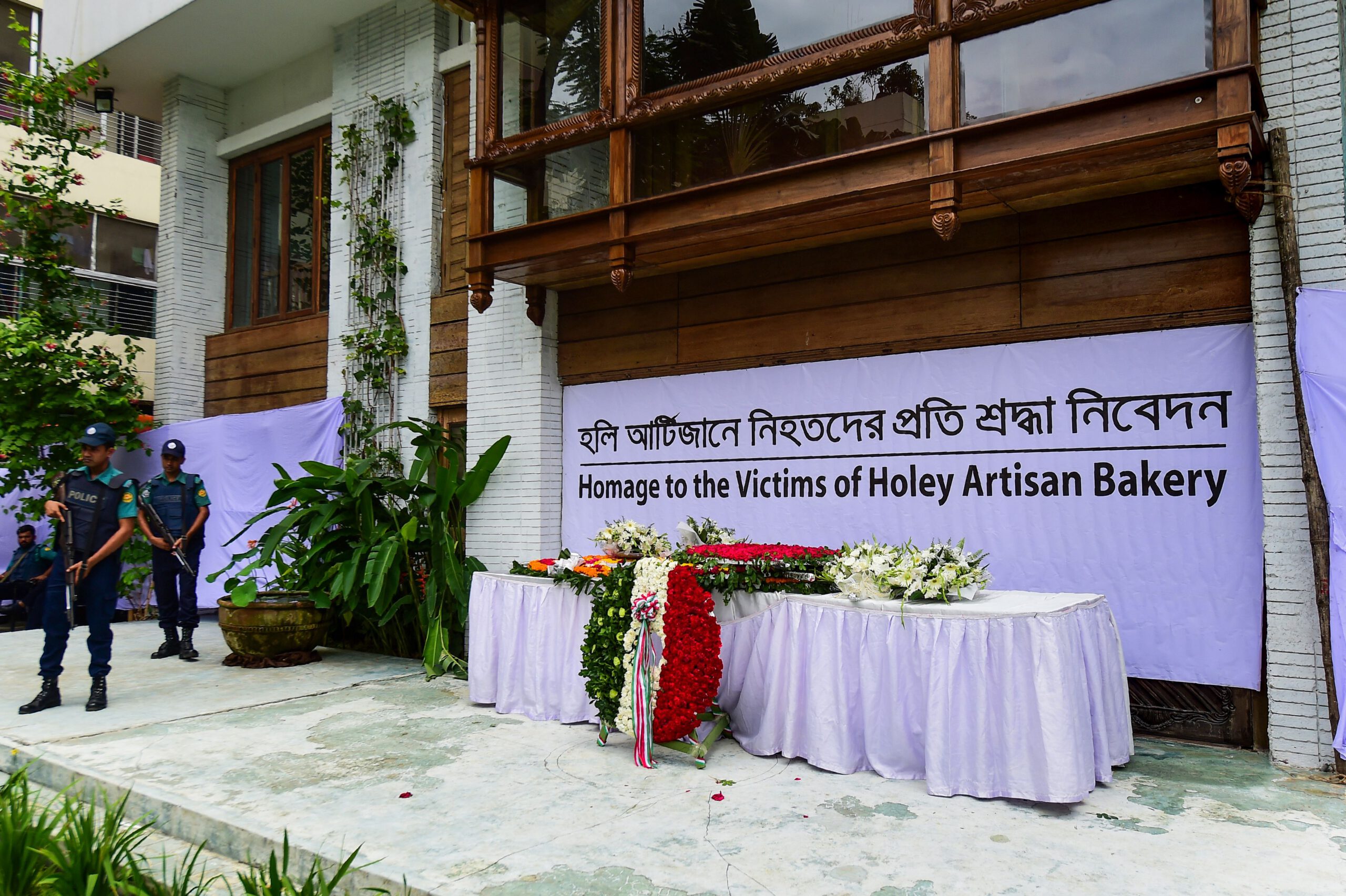
Islamic State Ideology Continues to Resonate in Bangladesh
Three years after a major Islamic State (IS)-claimed attack in its capital Dhaka, defeating the group remains a work in progress for Bangladesh. The residual and regenerative capacity of the local pro-IS cells in Bangladesh is significant as evidenced by actual and thwarted attacks in the country during the first half of 2019. Amidst the threat emanating from Bangladeshi jihadist returnees from Syria, IS ideology continues to resonate and attracts new recruits in this part of South Asia. It remains to be seen how Bangladesh will respond to the re-surfacing of the IS, especially at a time when the region is witnessing inter-religious tensions.

US and Iran testing diplomatic waters
Randa Slim, director of MEI’s Conflict Resolution and Track II Dialogues initiative, and MEI Senior Fellow Alex Vatanka join guest host Jerry Feierstein to discuss recent regional developments that may be early indicators of an emerging round of diplomatic talks between the United States and Iran, and what renewed talks might be able to achieve.
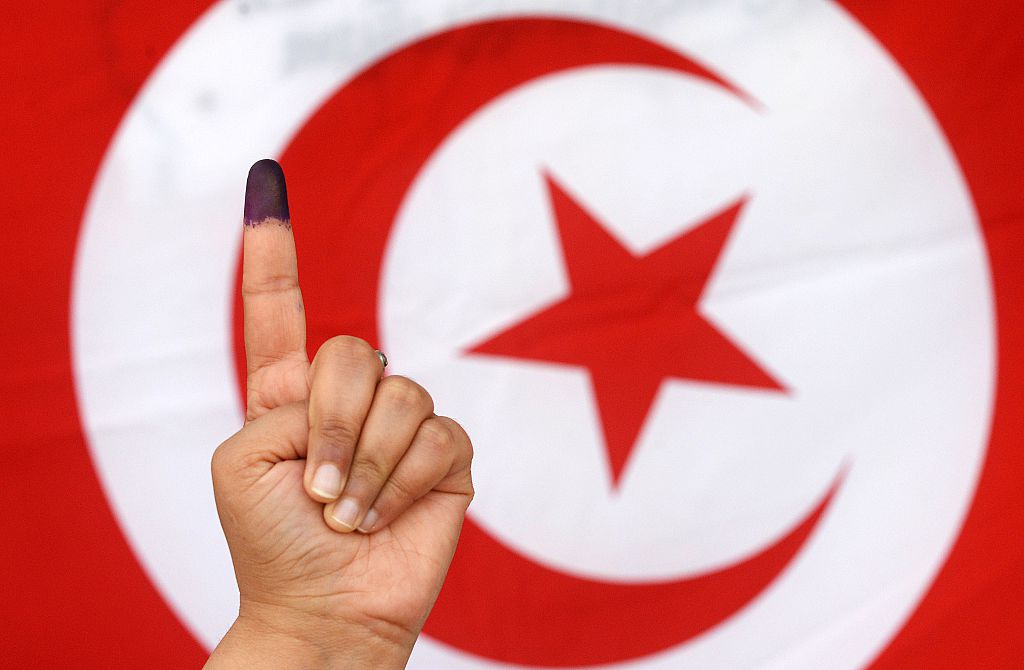
Seven keys to understanding the Tunisian election
On September 15, Tunisia will hold a presidential election brought forward two months by the unexpected death of patriarchal President Beji Caid Essebsi. Much of the election analysis so far has been flawed, sometimes because of Western, Middle Eastern, ideological, or wishful analytical filters disconnected from Tunisian realities. Here are seven keys to understanding the elections that address core mischaracterizations and misperceptions.
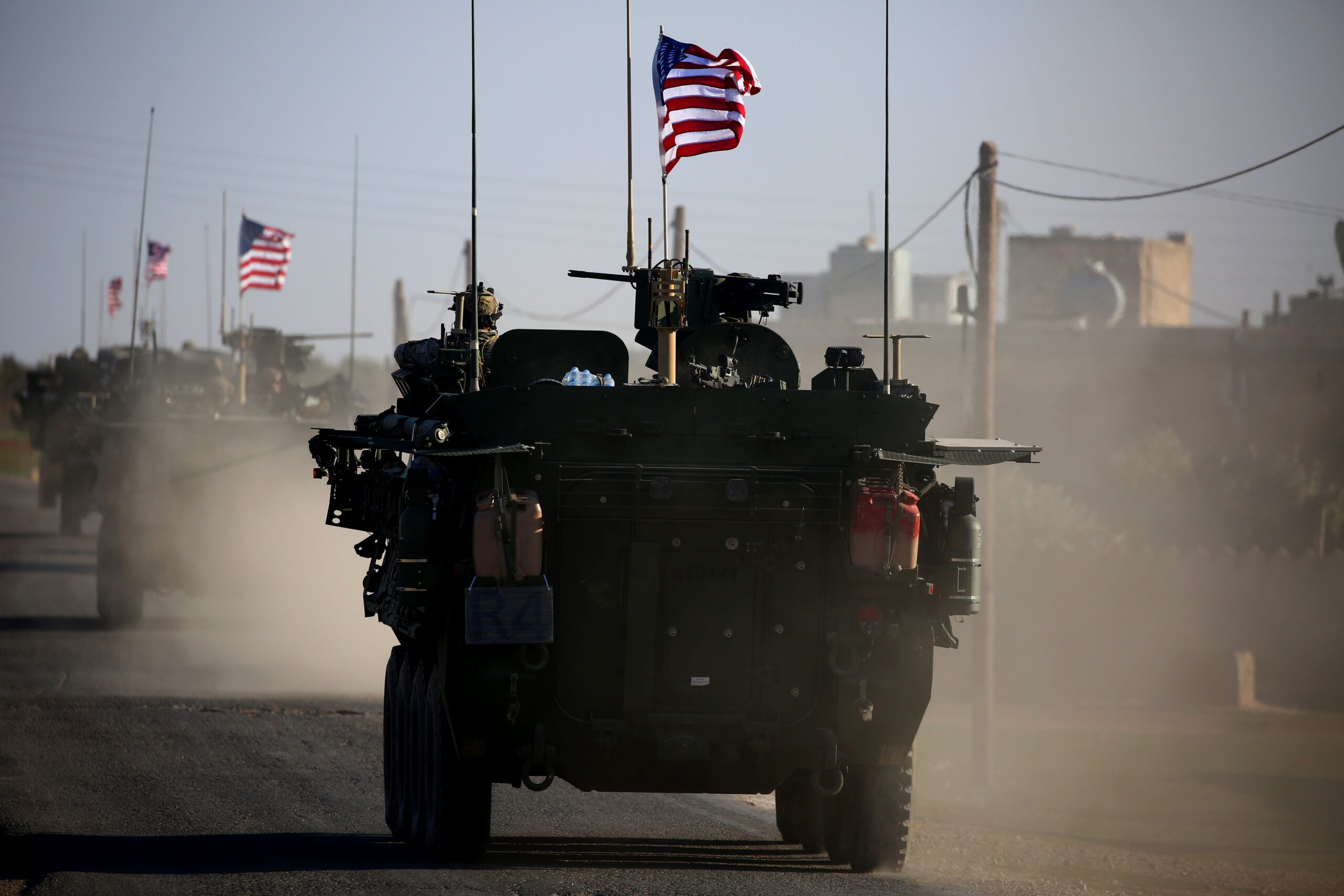
Syria: Debates won’t change reality
Over the past few weeks, my colleagues at MEI have debated whether the U.S. should stay in Syria or leave. Here I’d make a different argument: that it doesn’t really matter. The president has already made the decision to leave, and while his aides may have been able to slow roll the troop drawdown, the reality is that Donald Trump has made it clear the U.S. will not disburse any additional resources. Even within the 2020 Democratic field, not a single candidate has advocated increasing resources.
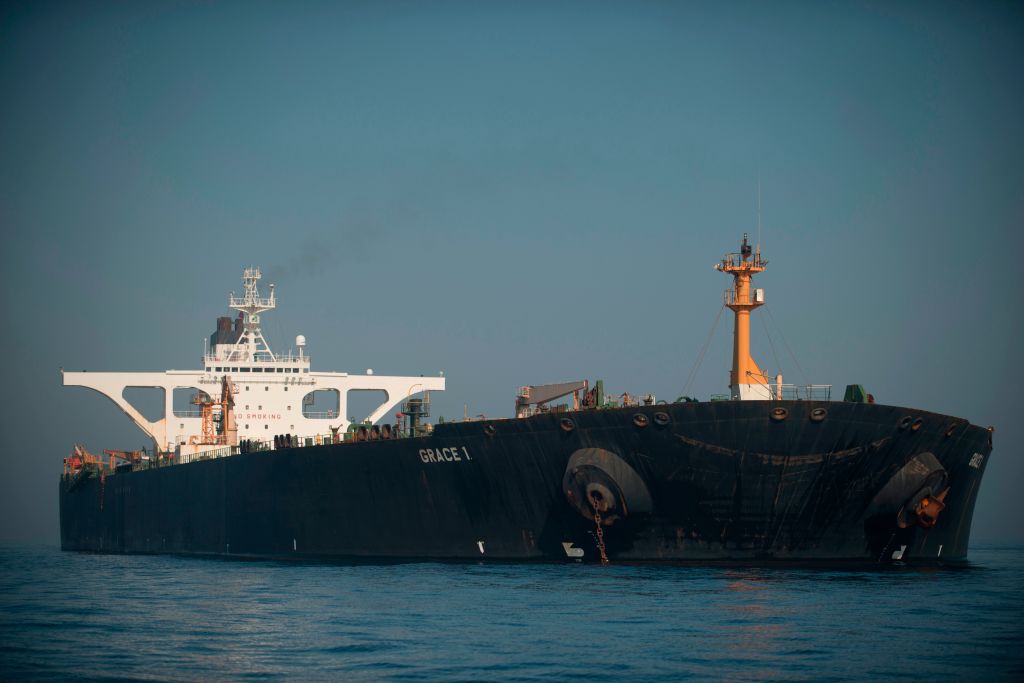
The Syrian Oil Crisis: Causes, Possible Responses, and Implications
Unlike most other goods, the inflation-adjusted prices of oil and oil derivatives actually became cheaper in the years after the Syrian uprising and the loss of most of the country’s oil fields. Iran stepped in to fill the gap by shipping oil by sea through the Suez Canal. In recent months, however, these shipments seem to have ground to a halt, crippling regime-controlled areas. This paper examines several competing explanations for the slowdown in Iranian oil shipments, explores a range of possible responses for the Assad regime, and takes a closer look at the implications for the regime, its allies, and regular Syrians.
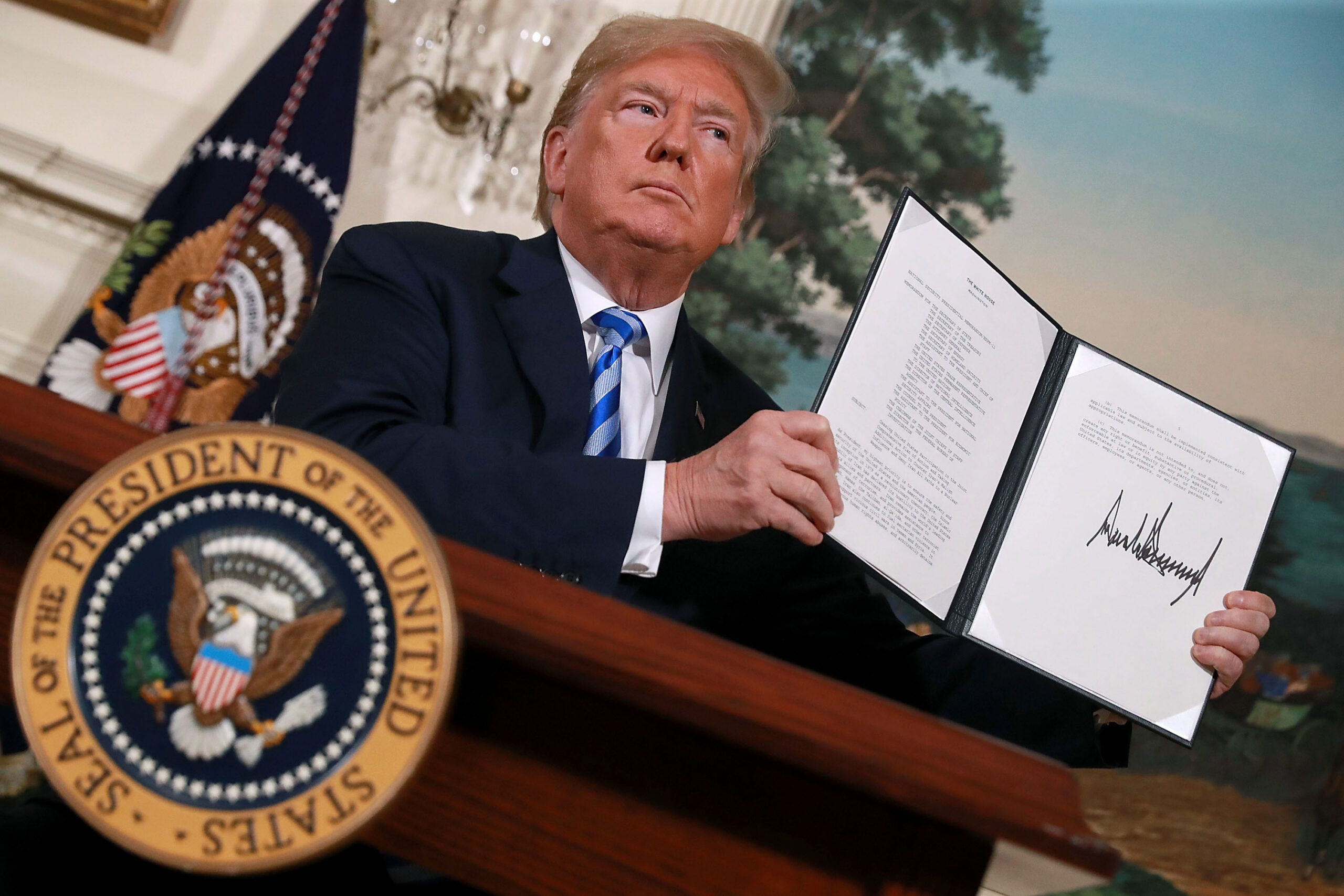
Why does Trump treat Iran and North Korea so differently?
Iran and North Korea both get a great deal of attention from the international community — for all the wrong reasons. Yet while U.S. President Donald Trump and North Korean Supreme Leader Kim Jong-un have met several times now, shaking hands, smiling, and posing for photos, Trump has not once met with Iranian President Hassan Rouhani or other senior Iranian officials. What accounts for this difference?
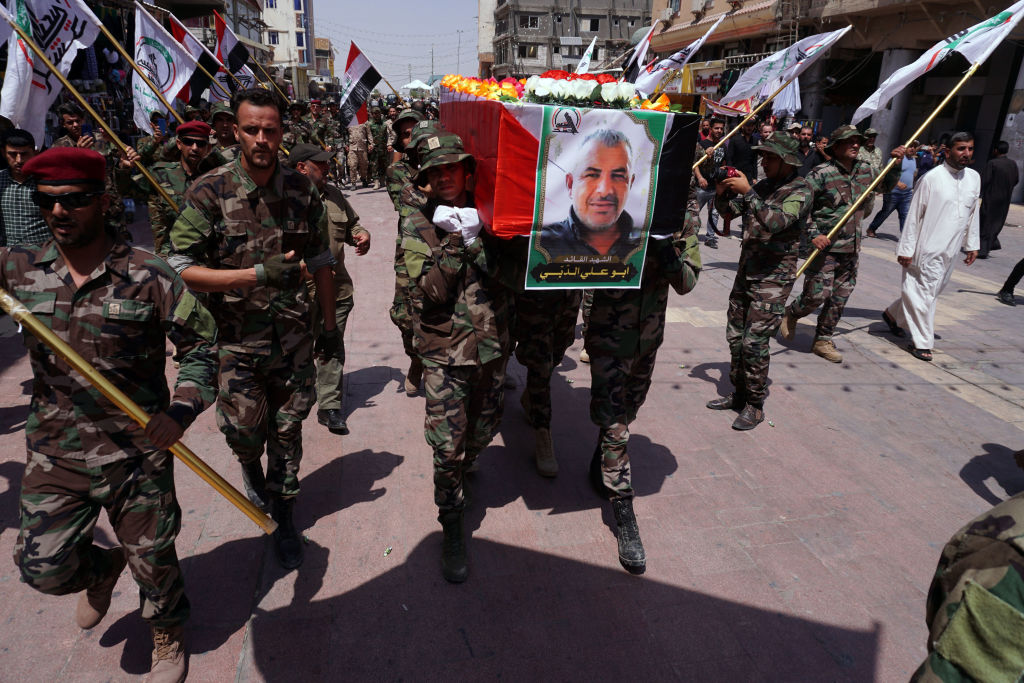
Monday Briefing: Drone strike thrusts Iraq into Iranian-Israeli military confrontation
This week’s briefing on recent news and upcoming events in the region featuring Randa Slim, Gerald Feierstein, Alex Vatanka, Robert S. Ford, and Michael Sexton.
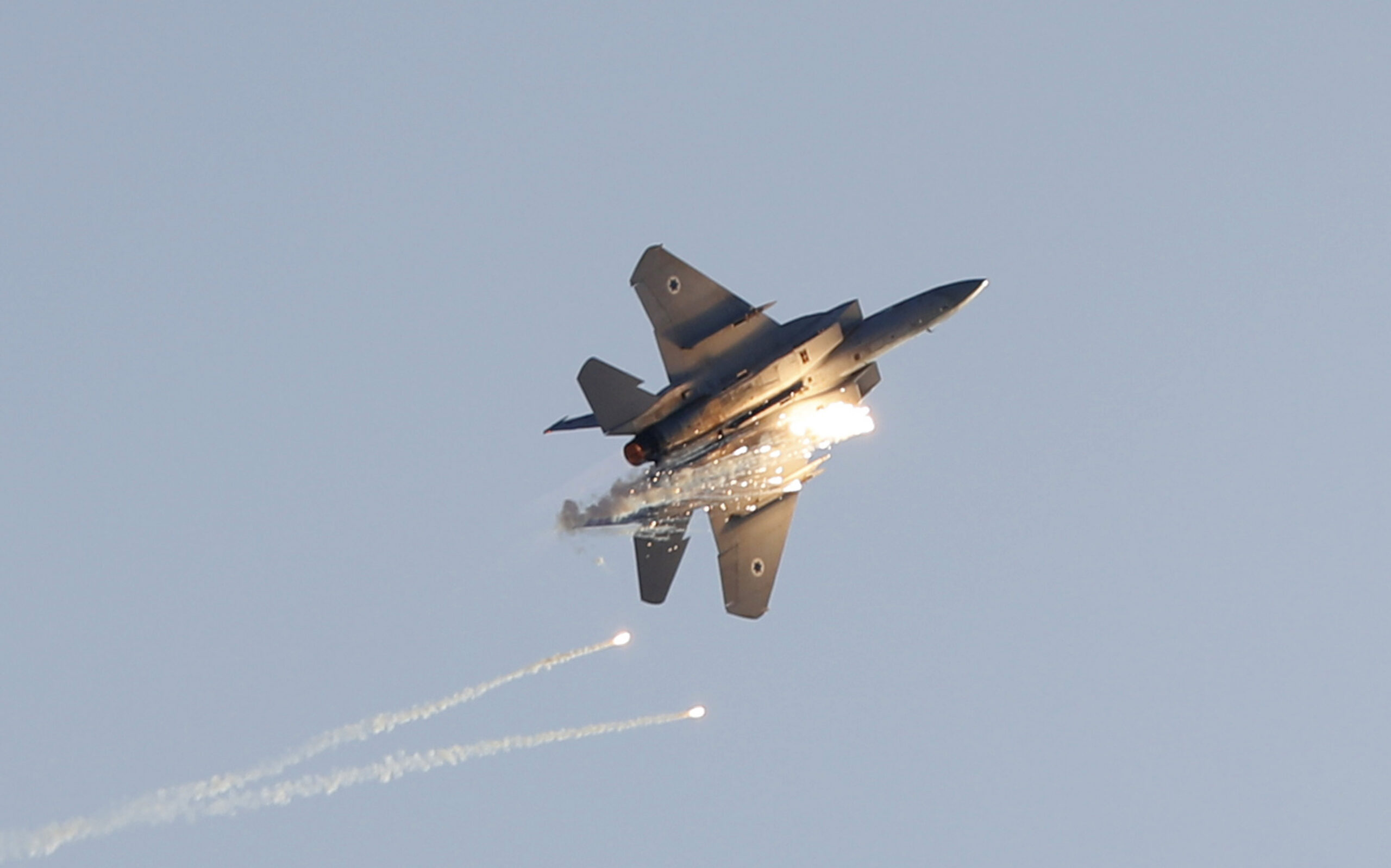
Countering and courting Iran: Israeli-Palestinian objectives in Iraq
Israel has reportedly expanded its operations against Iran in the Middle East. In July, Israeli and foreign media attributed airstrikes on Iranian targets near Baghdad to Israel. Last week, U.S. officials confirmed that Israel was responsible for the attacks, which mark the first such air raids on Iraq since 1981, when Tel Aviv destroyed Saddam Hussein’s Osirak nuclear reactor.
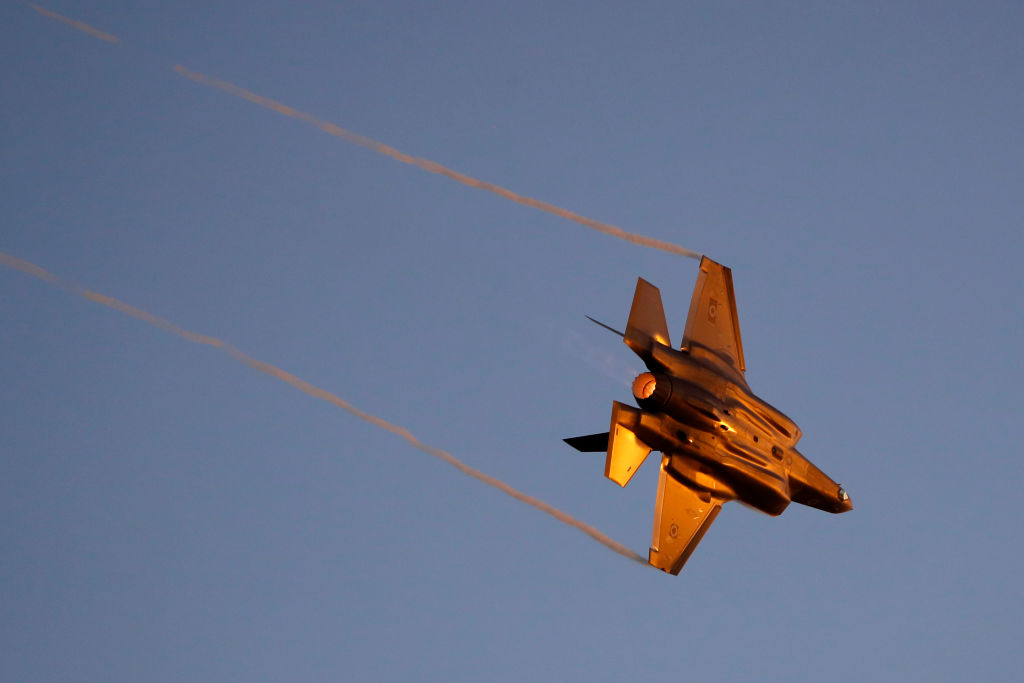
Israel’s new front in the fight against Iran
On Aug. 12, an explosion took place inside an ammunition warehouse in the al-Saqr military base in southern Baghdad, triggering hundreds of mortars and rockets to fire off in all directions throughout urban, populated areas. One person was killed and 29 wounded, as munitions and debris scattered as far as 5 kilometers away.
The looming water crisis in Egypt and beyond
Water scarcity is a global concern that disproportionately affects the Middle East. Mirette Mabrouk, director of MEI’s Egypt program, joins host Alistair Taylor to discuss steps Egypt has taken to manage its own water resources, and what more needs to be done to mitigate the impact of climate change.
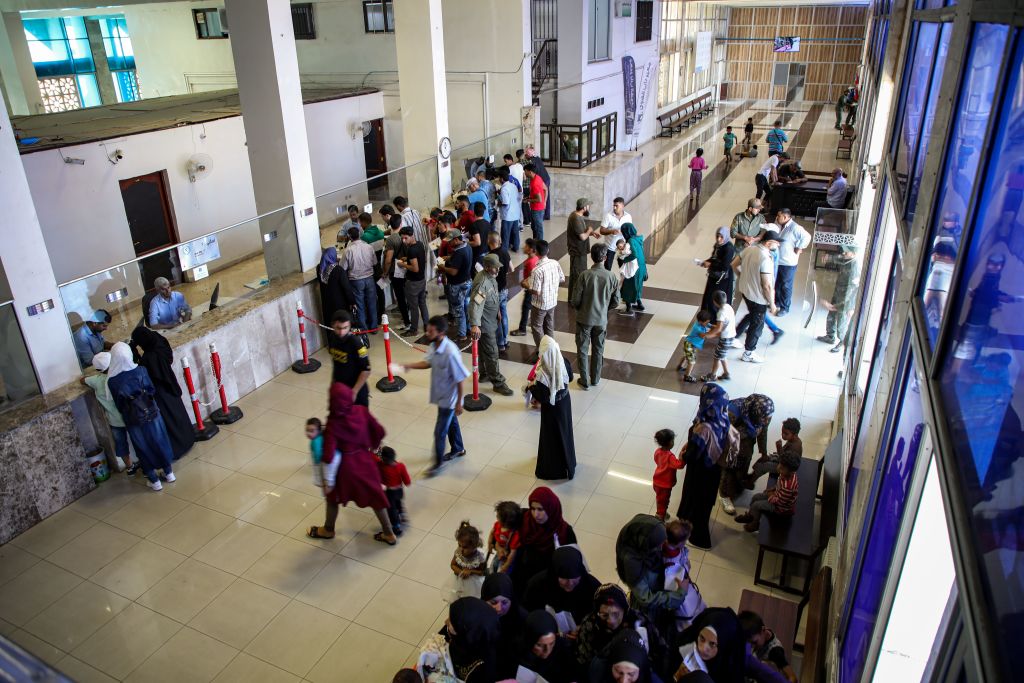
From “compassionate Islamism” to “Turkey first”
Debates about populism often lump Turkey’s President Recep Tayyip Erdogan together with Donald Trump in the US, Vladimir Putin in Russia, and Viktor Orban in Hungary. All four are kindred spirits who have used the same tactics to gain and hold onto power. They stir up fear, divide societies, fuel social conflict, criminalize the opposition, and create internal and external enemies. On the issue of refugees, however, Erdogan has been the epitome of liberalism, setting him apart from his fellow populists.
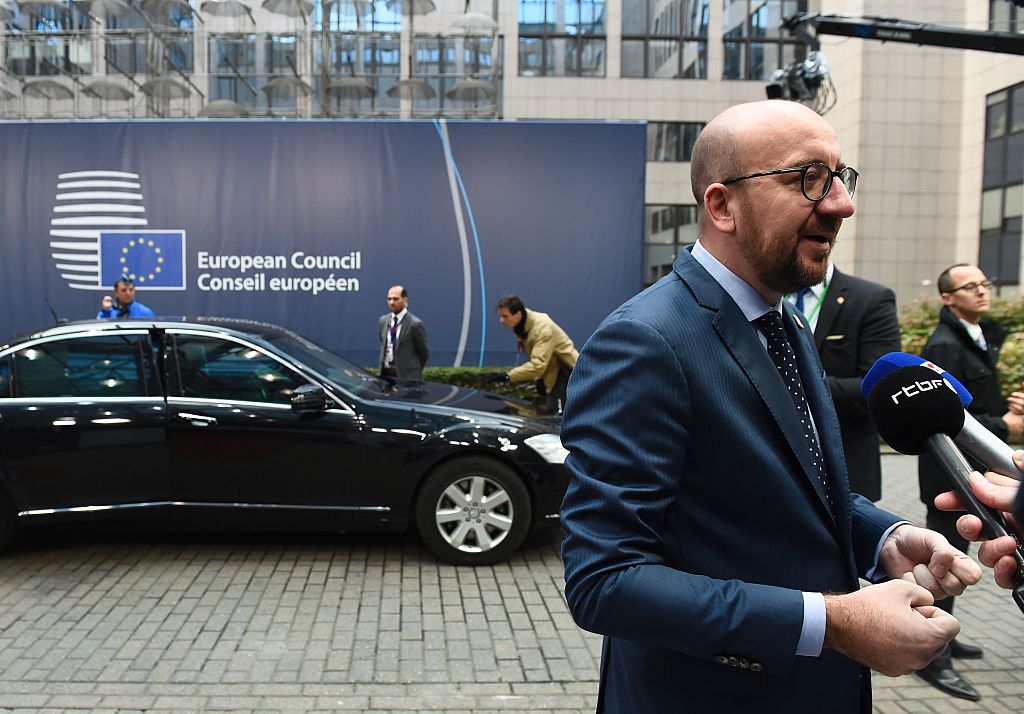
What will the European Council's new president mean for EU-MENA relations?
While some changes may be in the offing, for now most signs suggest that regional leaders should expect neither new opportunities, nor new challenges, but more likely a broad continuity of existing EU policy toward the region.



