This individual is a guest contributor. MEI is not able to assist with contact requests.
Jean-Pierre Cassarino holds a professorship at the Robert Schuman Center for Advanced Studies (RSCAS/European University Institute, Florence) where he directs the Return migration and Development Platform (http://rsc.eui.eu/RDP/). He is also research associate at the Tunis-based Institut de Recherche sur le Maghreb Contemporain (IRMC). Since the mid-1990s, he has published extensively on international migration, particularly on return migration and has carried out numerous field surveys investigating returnees’ manifold patterns of reintegration. Selected publications include: (ed.) Unbalanced Reciprocities: Cooperation on Readmission in the Euro-Mediterranean Area, The Middle East Institute Press, Washington, 2010; (ed.) “Conditions of Modern Return Migrants”, International Journal on Multicultural Societies, Vol. 10, Issue 2, UNESCO, Paris, 2008; (ed.) Return Migrants to the Maghreb Countries: Reintegration and development challenges, RSCAS, European University Institute, Florence, 2008; Tunisian New Entrepreneurs and their Past Experiences of Migration in Europe: Networks, Resource Mobilisation, and Hidden Disaffection. Ashgate Publishers, Aldershot, 2000. Email: [email protected]
Trump brings his foreign policy improv act to the Middle East
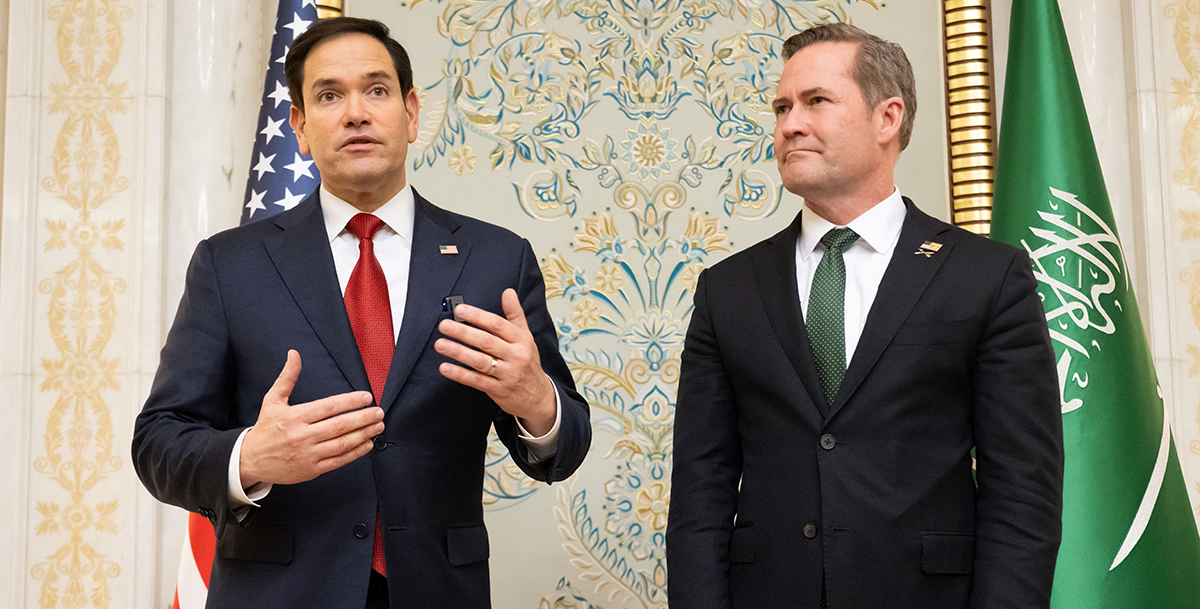
While most media attention was focused on its global economic policy moves, the Trump administration continued to keep the Middle East high on its agenda this past week, with the president sending a letter to Iran’s supreme leader and his team directly engaging with the Palestinian group Hamas. This continued engagement on the region’s top two strategic questions, Iran and Arab-Israel affairs, contrasted with America’s hands-off approach to Syria, which saw some troubling violence.
The national dialogue in Syria: A step forward or a concerning trajectory?
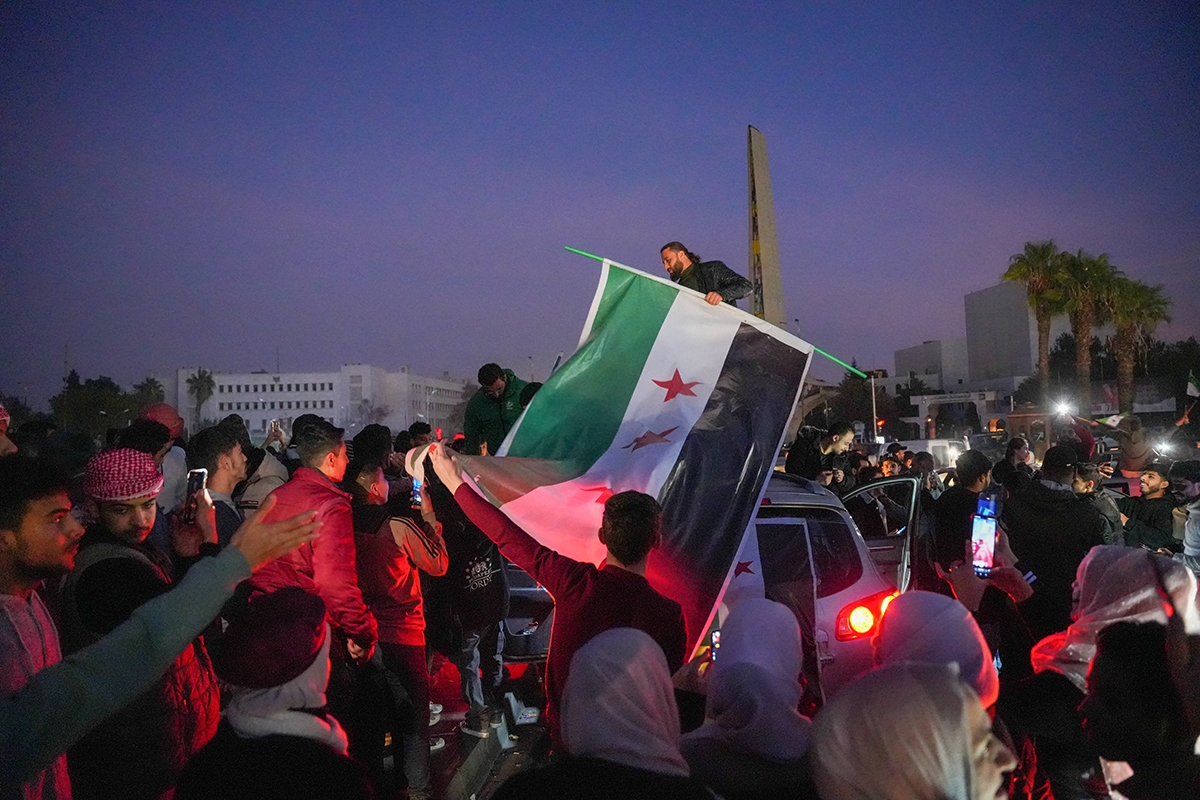
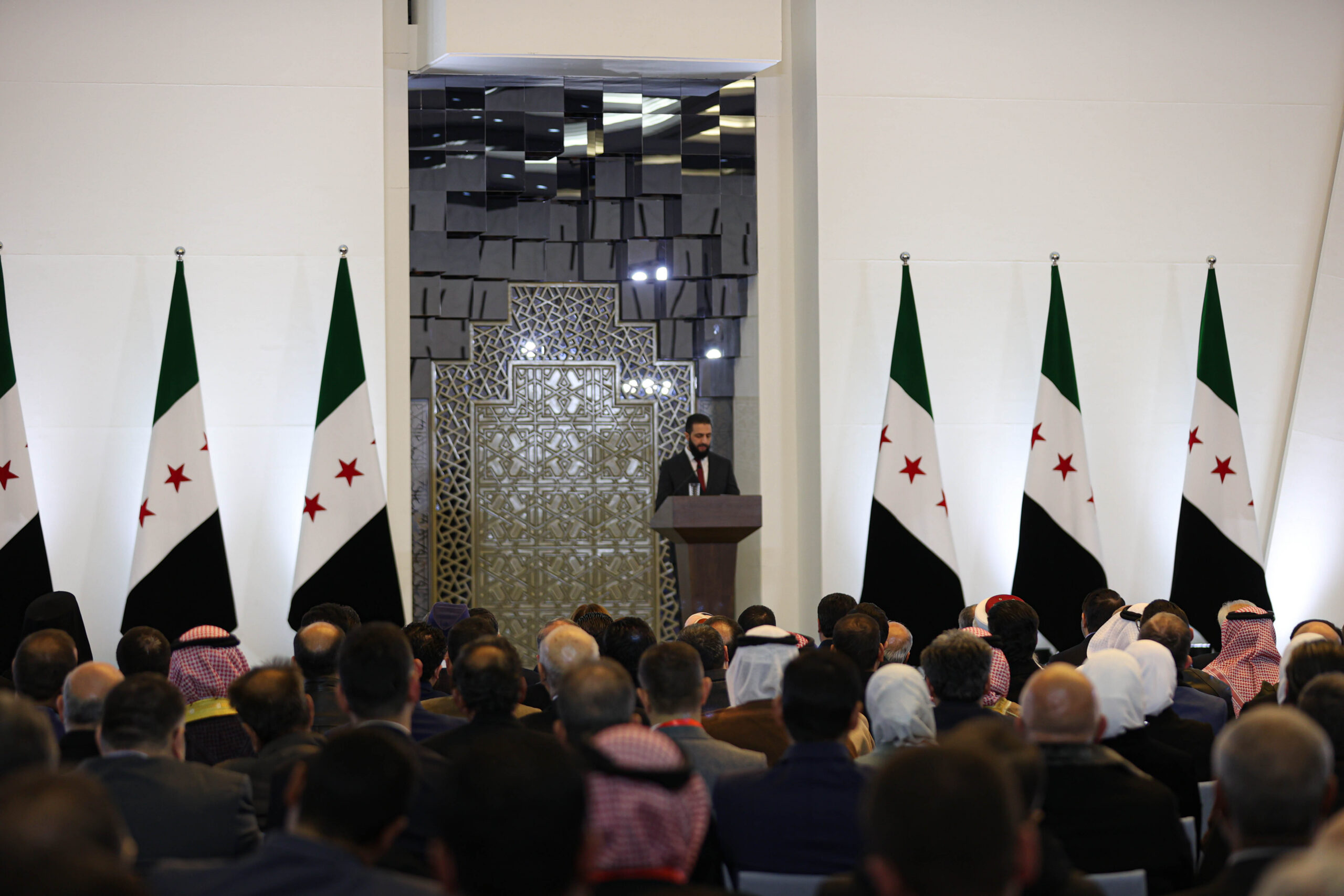
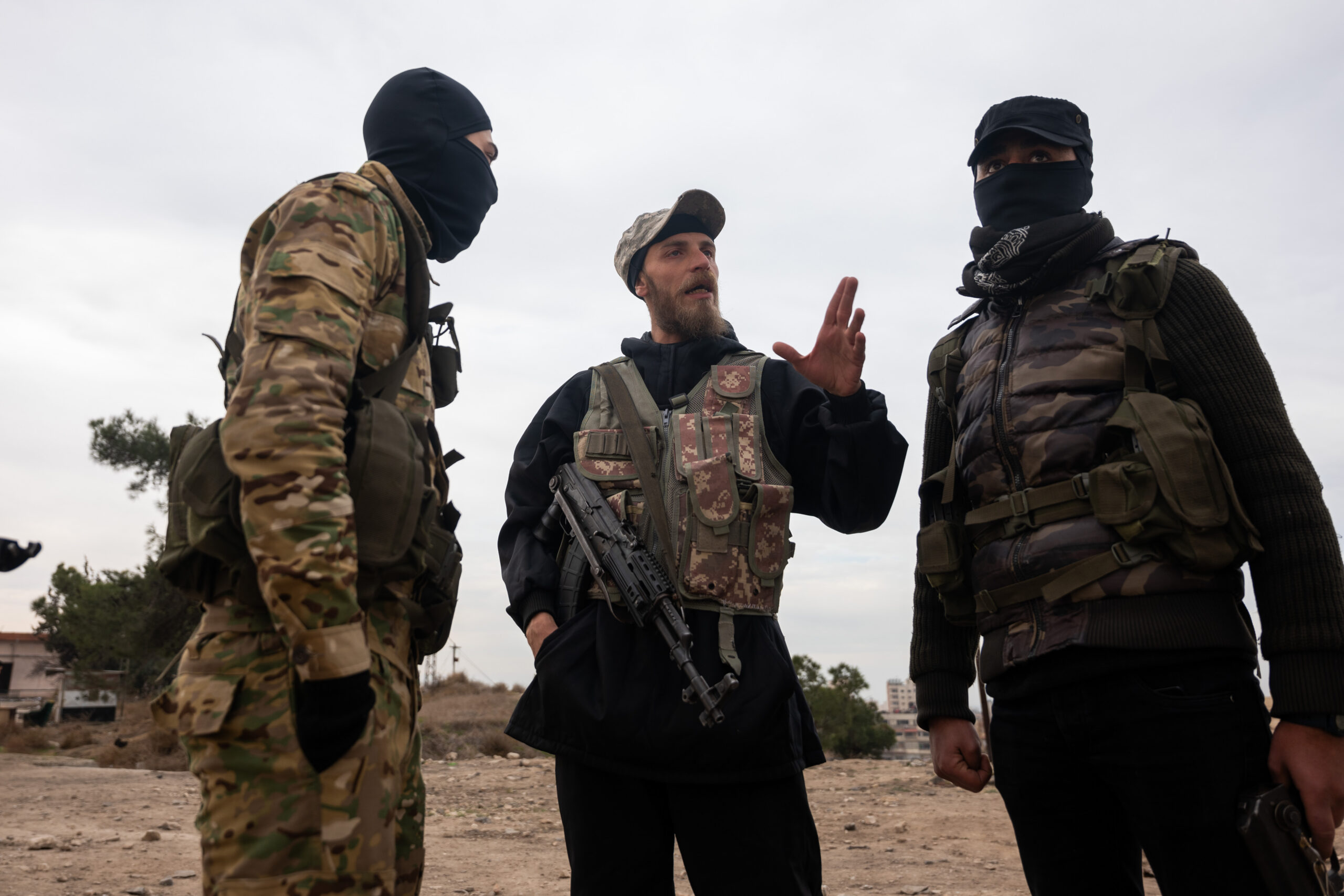
Syria’s national dialogue, held in Damascus at the end of February, was intended to chart the country’s future, one that would have been unthinkable just three months earlier. However, the process and outcomes of the dialogue were flawed, left critical questions unanswered, and raised new concerns.
A chaotic foreign policy on overdrive risks alienating key US partners in the Middle East
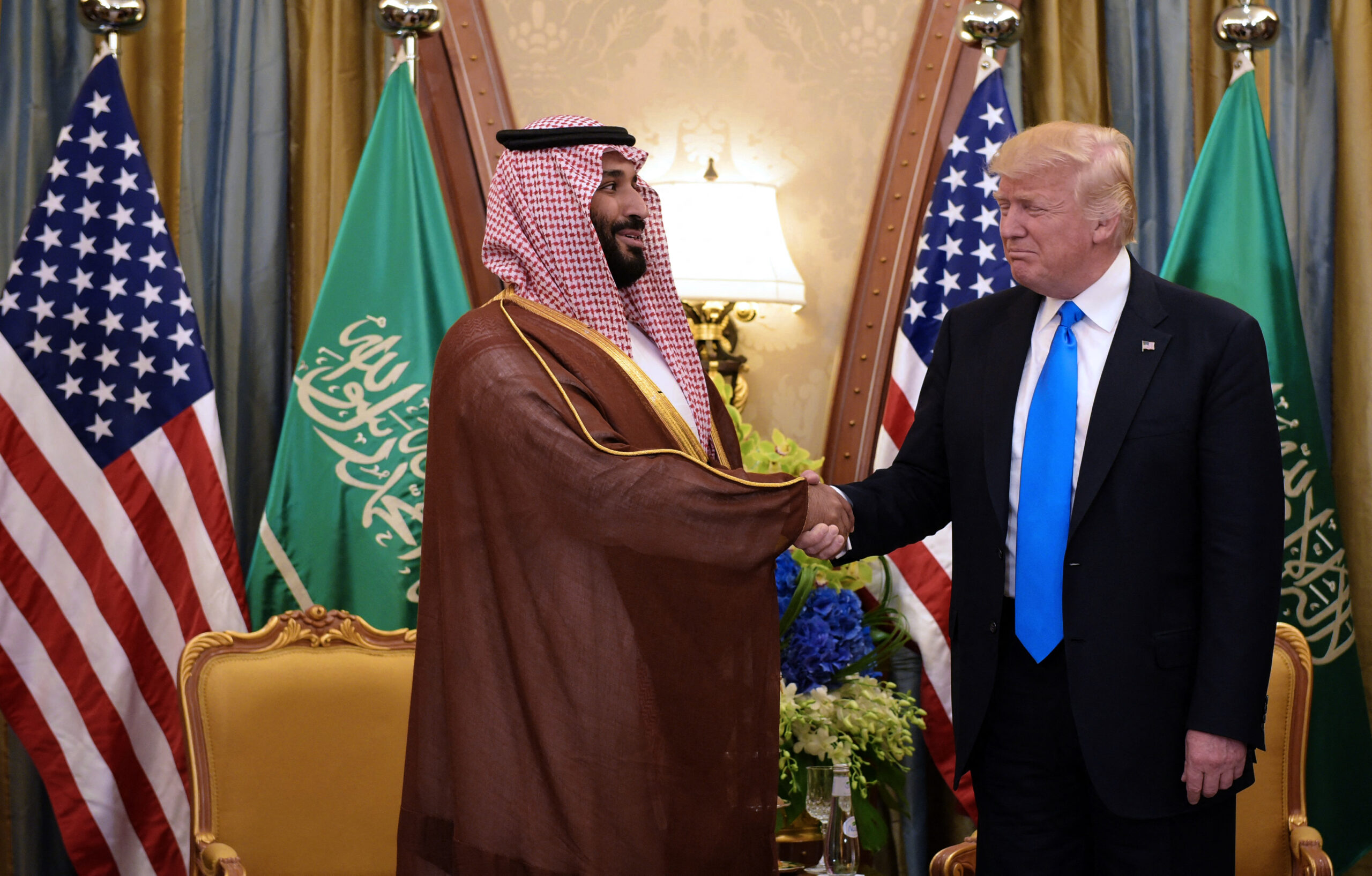
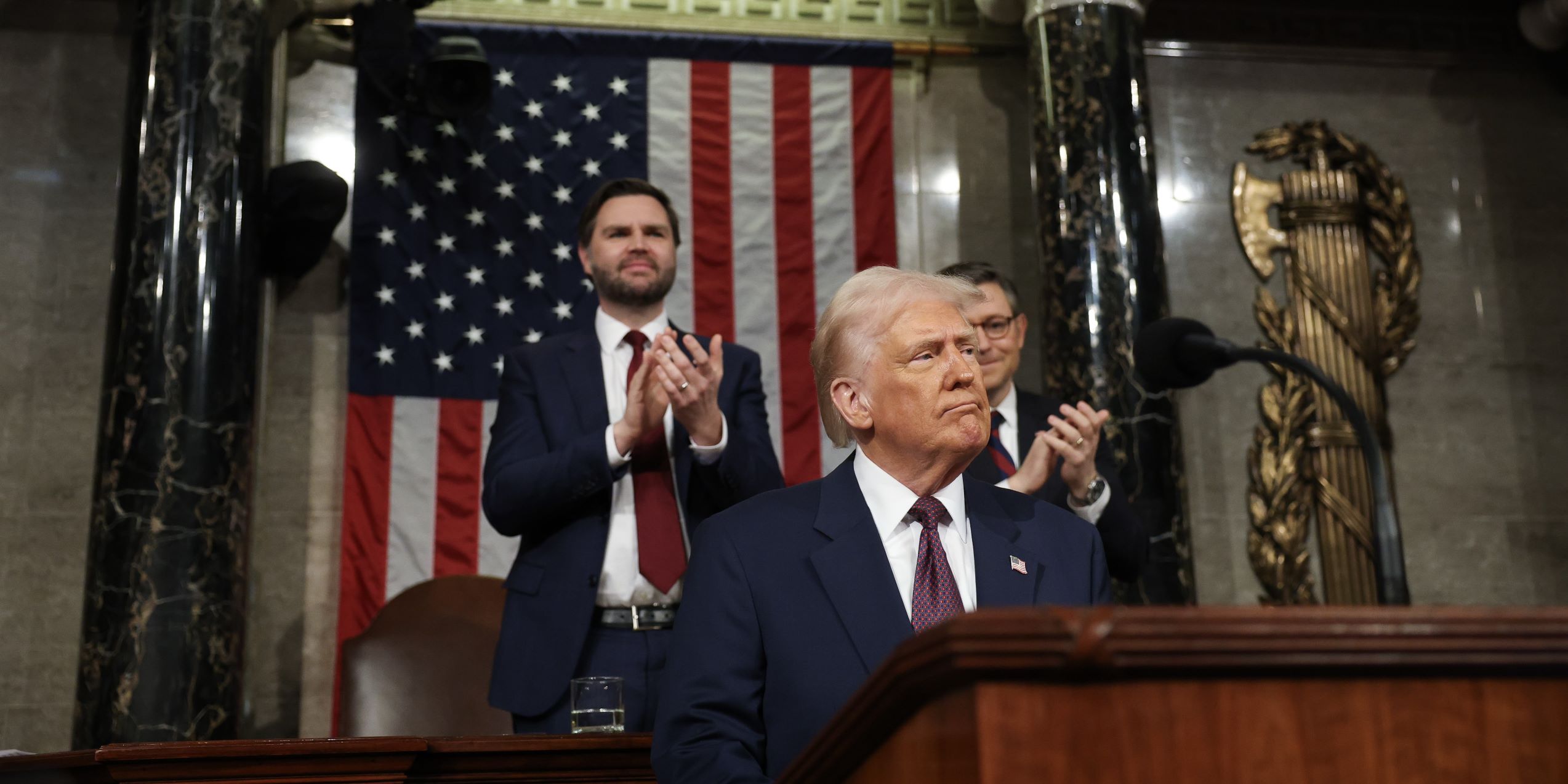
President Donald Trump’s joint address to Congress on March 4 doubled down on his disruptive and contentious domestic policy agenda. Foreign policy, including Trump’s approach to the Middle East, was mostly an afterthought. Though he said little about Middle East policy in his speech, Trump’s team is taking an irregular approach on the twin issues of Israel-Arab ties and Iran that may not produce the stability and prosperity it seeks.
In a historic call last week, Abdullah Öcalan, the jailed Kurdish militant leader, asked fighters with his Kurdistan Workers’ party (PKK) to lay down their arms. The announcement is part of recently launched talks between Öcalan and Turkish President Recep Tayyip Erdoğan’s nationalist coalition. Ending a 40-year war that left 40,000 people dead is something to be celebrated. But consider why the PKK emerged in the first place and optimism quickly fades.
Why, then, does Öcalan think it is time for the PKK to lay down its arms?
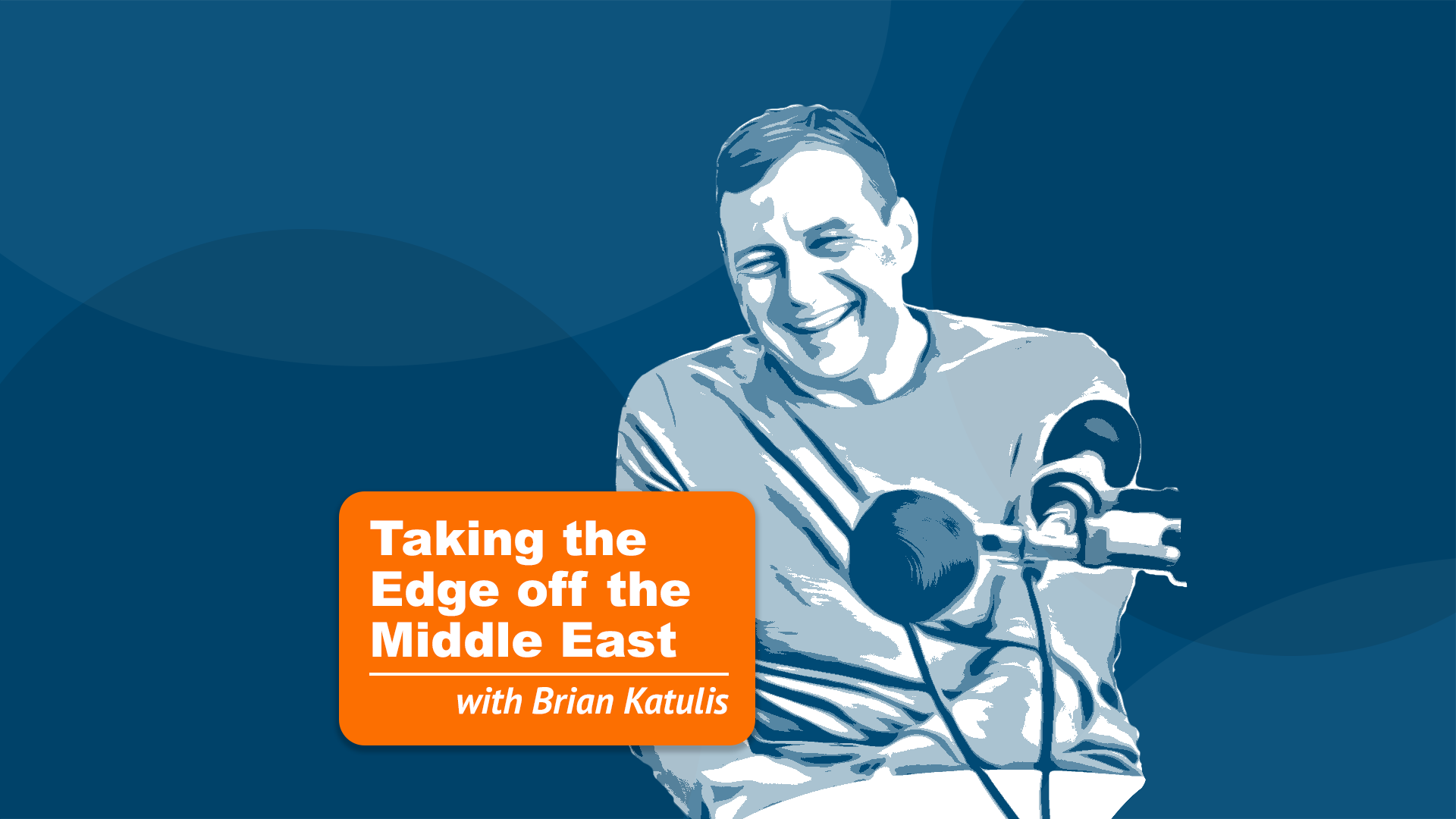
Ibrahim Dalalsha and Shira Efron | 'Taking the Edge Off the Middle East' Ep. 8
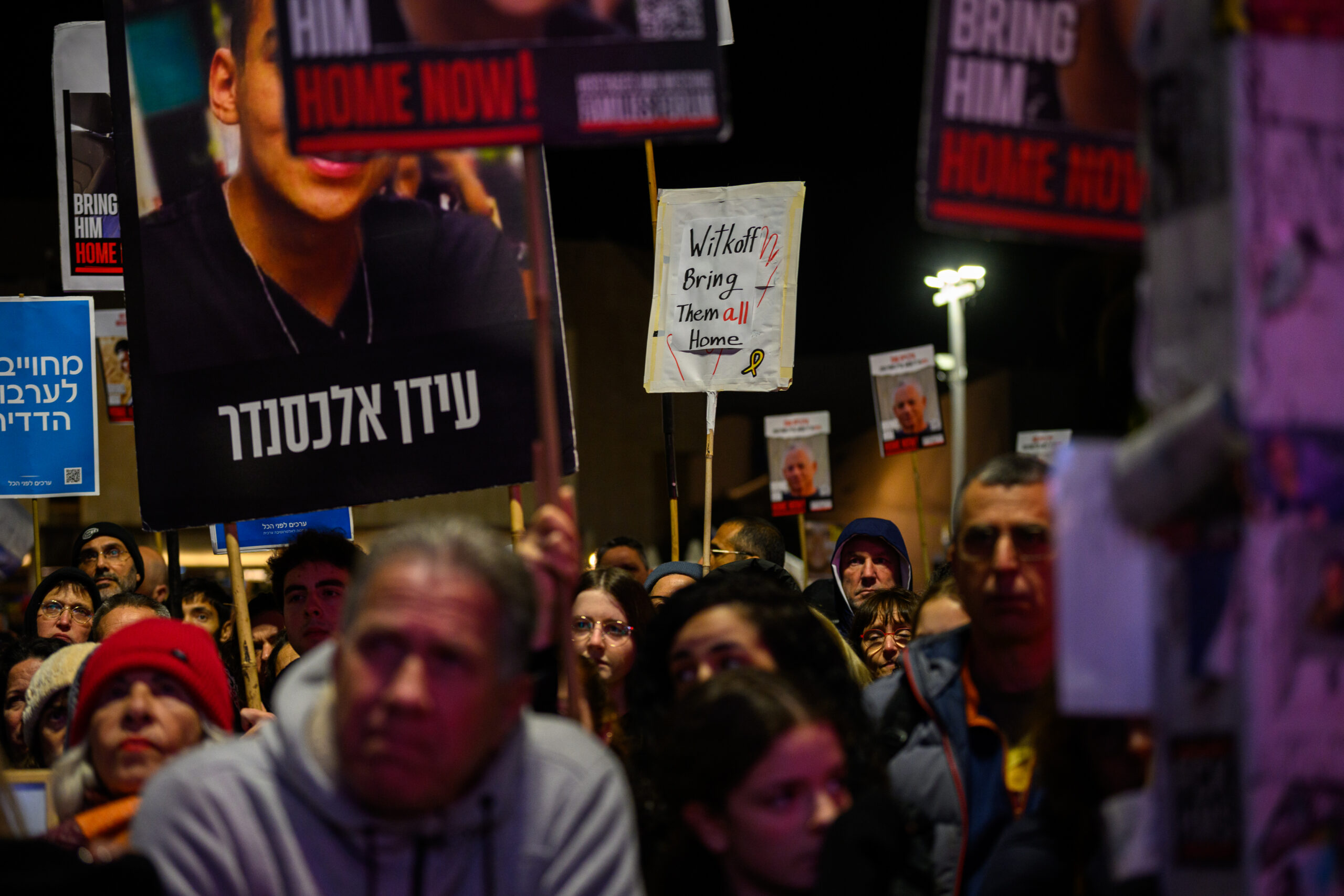
Ibrahim Dalalsha, founder and director of Horizon Center for Political Studies and Media Outreach, and Shira Efron, research director at the Israel Policy Forum, join host Brian Katulis to discuss policy developments in the devastating war between Israel and Hamas, and how Israelis and Palestinians can work together toward a peaceful resolution of conflict.
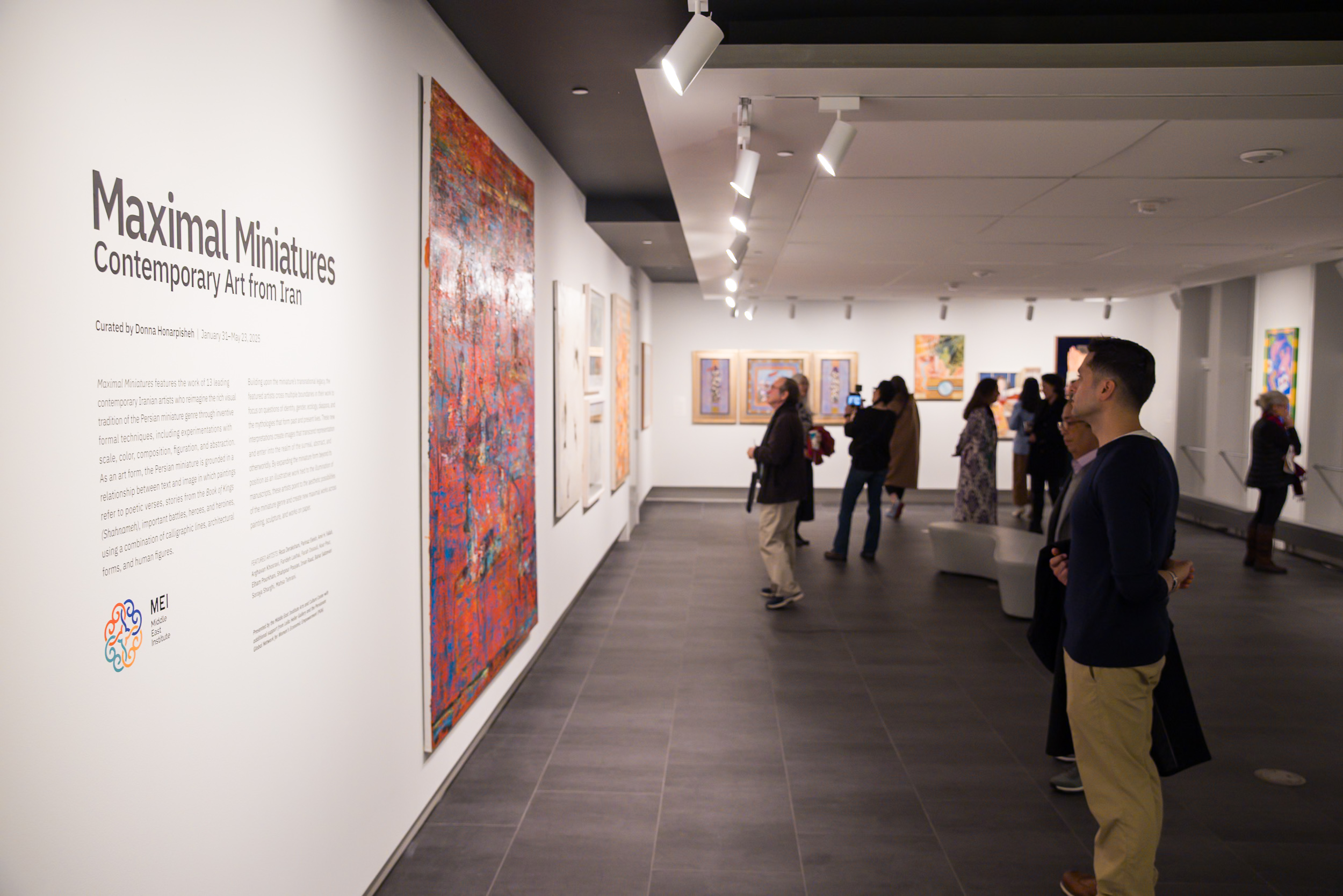
Maximal Miniatures: A Contemporary Take on a Centuries-Old Persian Art Form
معرض "المنمنمات القصوى" (Maximal Miniatures)، وهو مجموعة منسقة معروضة في معرض MEI حتى 23 مايو 2025، يهتم بالطرق التي أعاد بها الفنانون المعاصرون ابتكار فن المنمنمات الفارسية مع طرح أسئلة جديدة في أذهانهم.
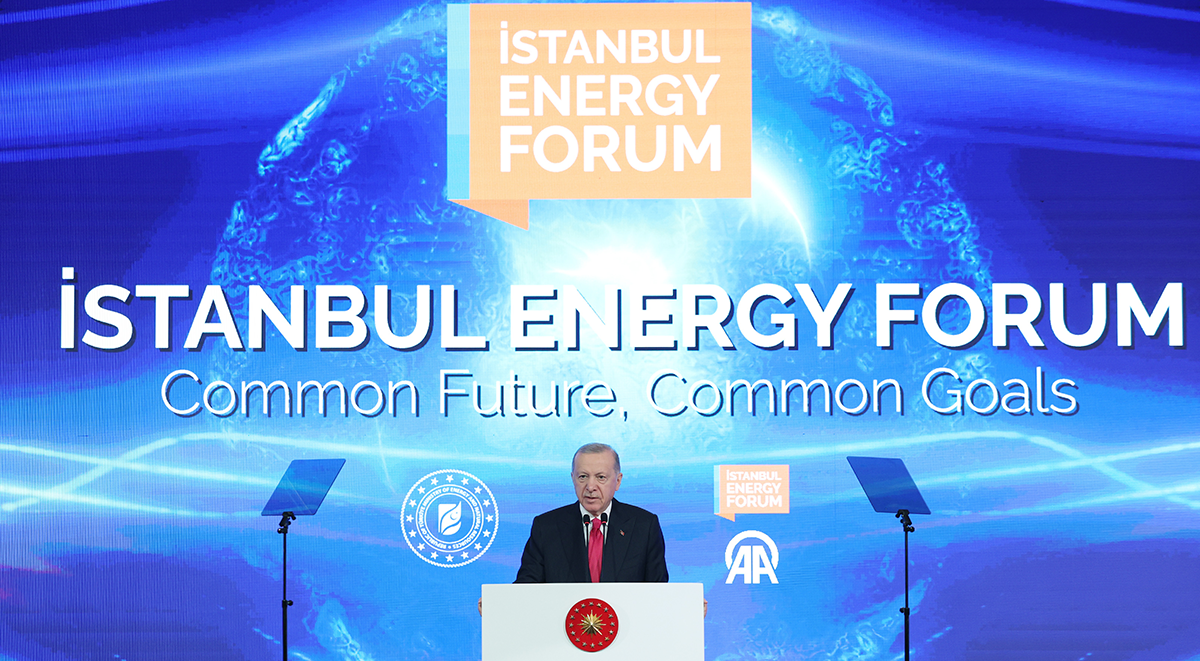
Amid regional upheaval, Turkey looks to energy to secure strategic autonomy
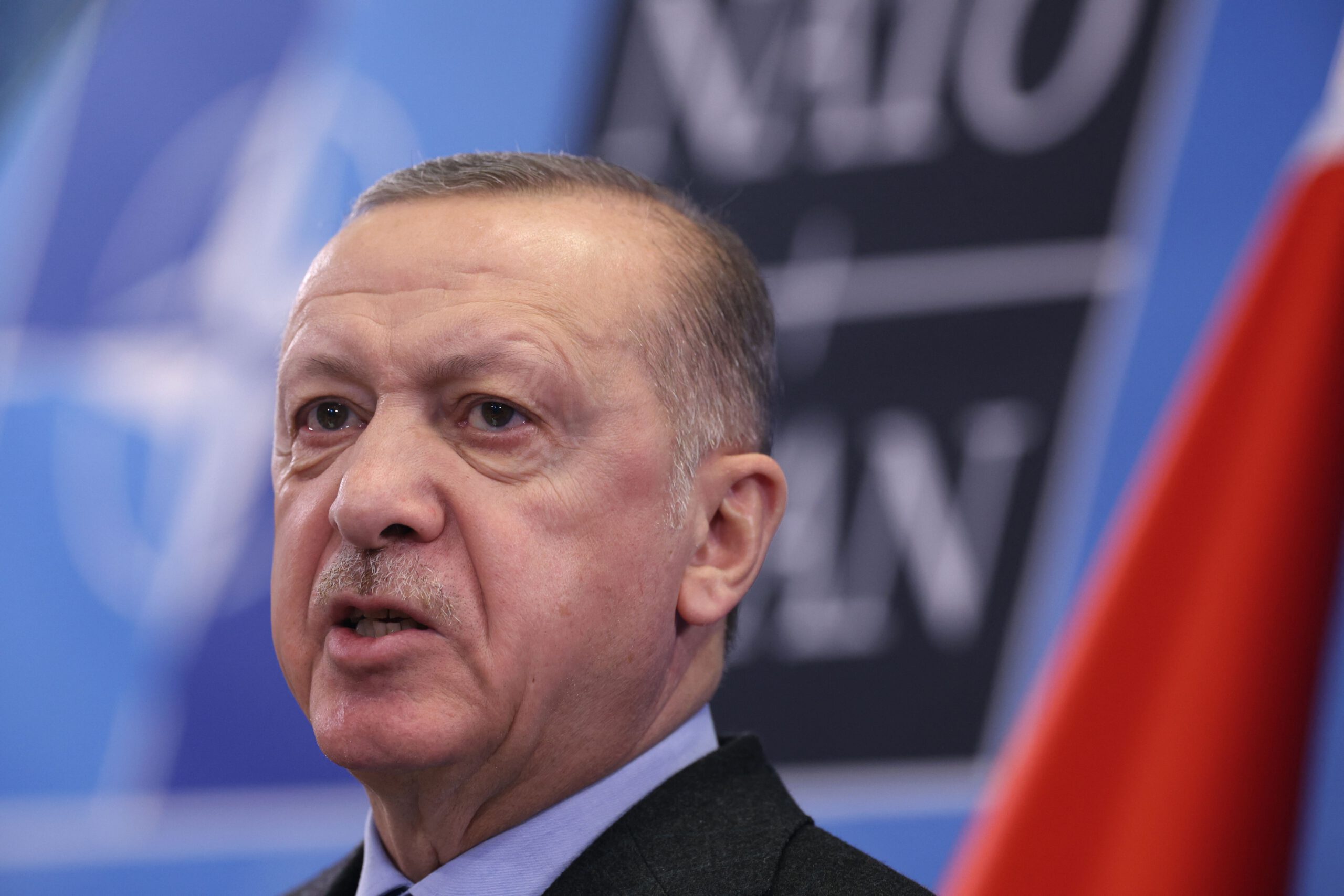
President Recep Tayyip Erdoğan has sought to position Turkey as an energy hub, connecting gas producers to its east and south and markets to the west. Turkey’s geographical position and infrastructure give it an advantage. But becoming an energy center also requires Ankara to dust off a long-abandoned foreign policy approach: “zero problems with neighbors” and the West. Amid changing regional dynamics, Ankara sees an opportunity to achieve that and revive its plans to become an energy hub.
انسحاب الولايات المتحدة والديناميات الأمنية الإقليمية الجديدة في جوار أفغانستان
تشهد الدول المجاورة لأفغانستان عملية إعادة هيكلة جوهرية لنظامها الأمني. وتواصل الدول الإقليمية الرئيسية، وهي باكستان وأفغانستان وإيران والصين، تعديل خططها الدفاعية وشراكاتها الأمنية لمواجهة التهديدات المتزايدة التي يشكلها الإرهاب المحلي والعابر للحدود. وفي الوقت نفسه، تبحث هذه الدول الأربع عن سبل جديدة لملء الفراغ الذي خلفه انسحاب الجيش الأمريكي من أفغانستان في جنوب آسيا.
Trump’s mixed messages and actions on the Arab-Israeli front
Some analysts try to explain Trump’s Middle East rhetoric as an effort to provoke a new type of conversation and to break the mold. But one unconventional source that helps explain Trump’s tactics is pro wrestling, in which the actions are understood to be illusory but still prompt a response from all sides.
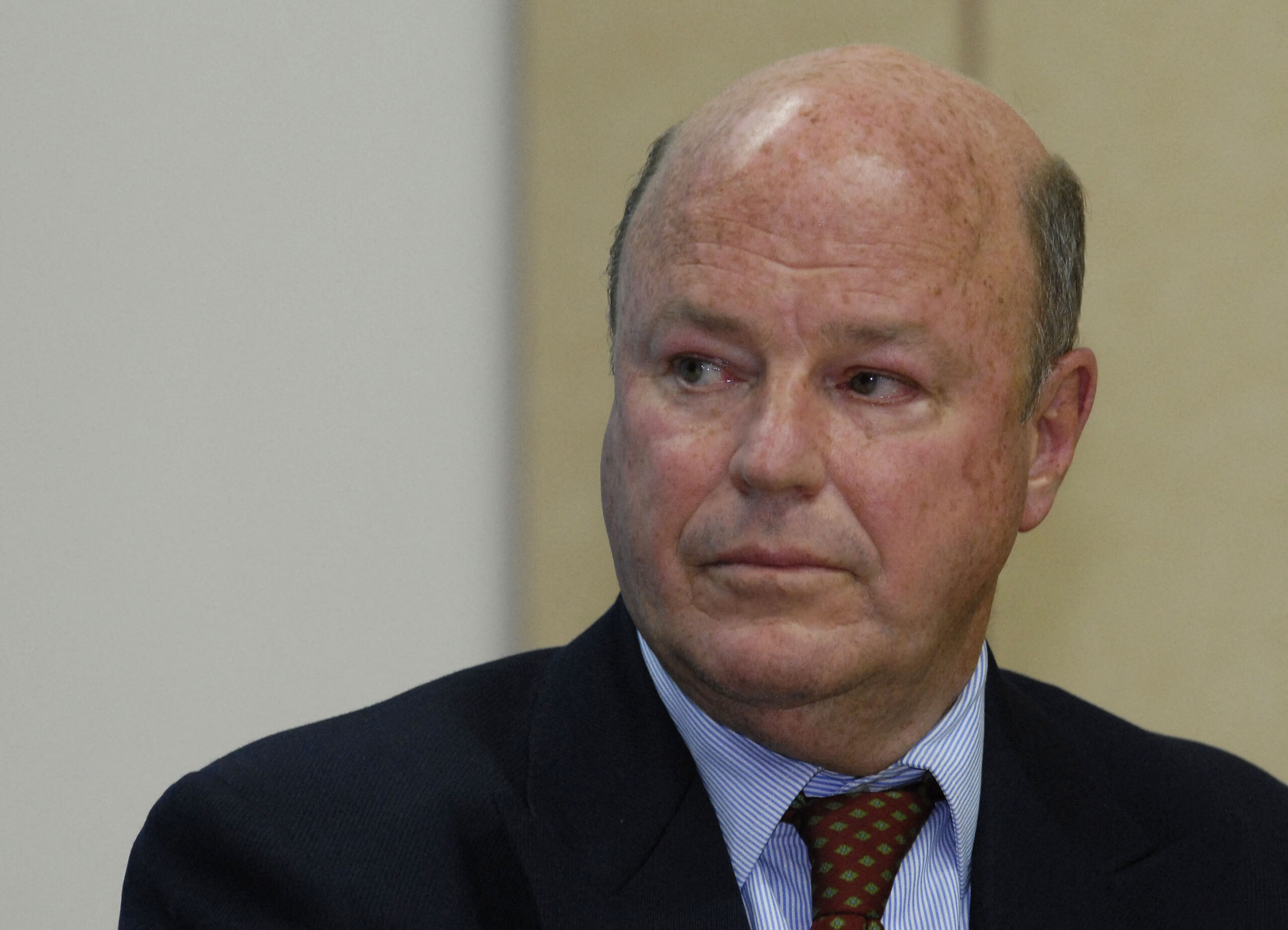
The Middle East Institute (MEI) is deeply saddened by the passing of Ambassador (ret.) Frank Wisner, a valued member of our International Advisory Council (IAC), on Feb. 24, 2025.