This individual is a guest contributor. MEI is not able to assist with contact requests.
Jean-Pierre Cassarino holds a professorship at the Robert Schuman Center for Advanced Studies (RSCAS/European University Institute, Florence) where he directs the Return migration and Development Platform (http://rsc.eui.eu/RDP/). He is also research associate at the Tunis-based Institut de Recherche sur le Maghreb Contemporain (IRMC). Since the mid-1990s, he has published extensively on international migration, particularly on return migration and has carried out numerous field surveys investigating returnees’ manifold patterns of reintegration. Selected publications include: (ed.) Unbalanced Reciprocities: Cooperation on Readmission in the Euro-Mediterranean Area, The Middle East Institute Press, Washington, 2010; (ed.) “Conditions of Modern Return Migrants”, International Journal on Multicultural Societies, Vol. 10, Issue 2, UNESCO, Paris, 2008; (ed.) Return Migrants to the Maghreb Countries: Reintegration and development challenges, RSCAS, European University Institute, Florence, 2008; Tunisian New Entrepreneurs and their Past Experiences of Migration in Europe: Networks, Resource Mobilisation, and Hidden Disaffection. Ashgate Publishers, Aldershot, 2000. Email: [email protected]
The weight of past mistakes and the post-election push for economic normalization
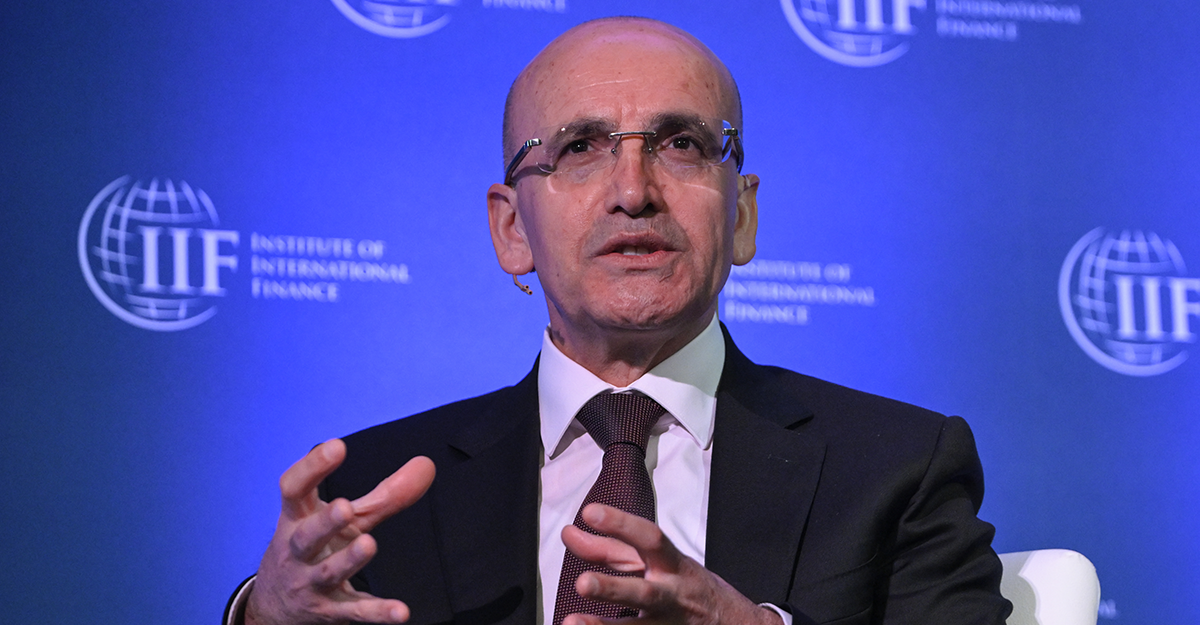
For years under President Recep Tayyip Erdoğan, Turkey pursued an unconventional monetary policy. The situation, long untenable, finally became unsustainable in the run-up to the presidential and parliamentary elections in May 2023. In the immediate aftermath of the vote, President Erdoğan announced a dramatic shift, returning to orthodox monetary policy. While there have been tangible improvements on a number of fronts as a result, the country faces both declining household purchasing power in the short term and a range of broader economic challenges in the longer run.
Normalizing transactionalism: Turkish foreign policy after the 2023 elections
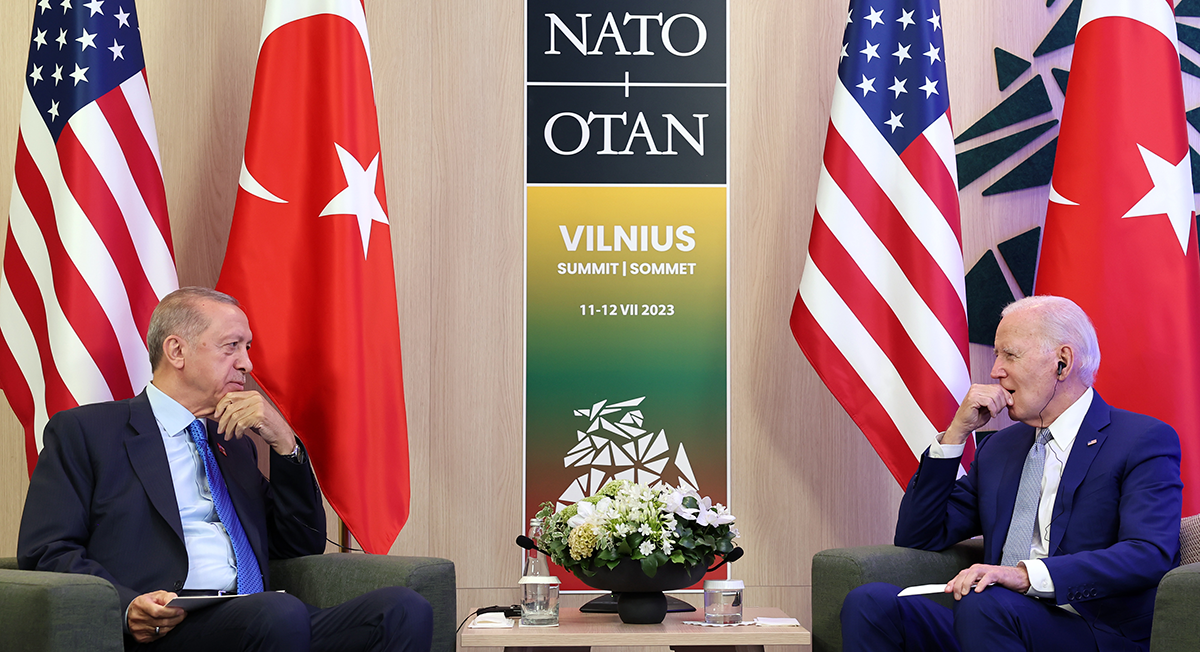
Similar to the normalization trends in domestic politics, the Justice and Development Party (AKP) government has bolstered normalization in foreign policy, aiming for integration into regional and international blocs. The domestic economic and political crises further underscored this trend, and the results of the March 2024 local elections demonstrated to the government that its polarizing discourse no longer resonates either inside or outside the country. This article analyzes the changing domestic political dynamics of foreign policy, Turkey’s role in the Western alliance with a specific emphasis on the Ukrainian War, and the Middle East normalization process in light of the Gaza conflict.
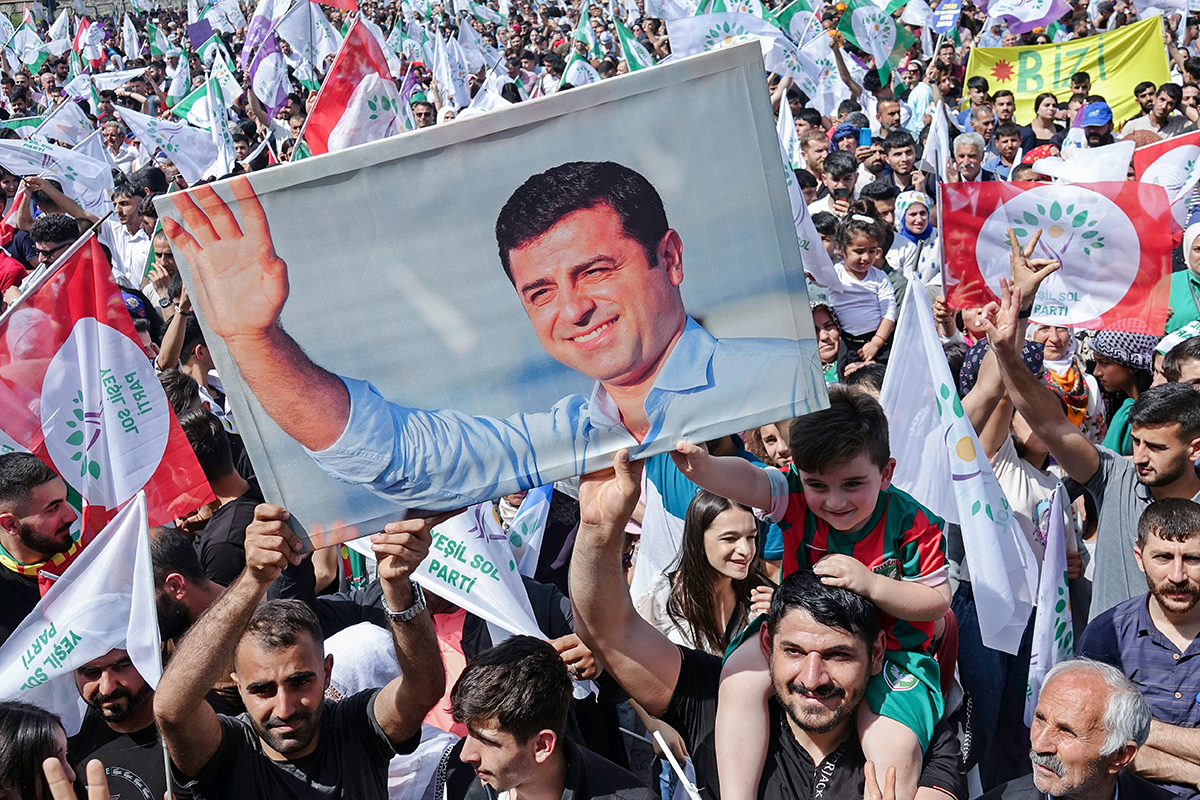
If the pro-Kurdish Peoples’ Equality and Democracy Party (DEM) were to take a more active role in efforts to peacefully resolve the Kurdish issue in Turkey, it could potentially help to break the current impasse. What this role might entail and whether the party is capable of playing it effectively are key questions. This piece will explore these issues by examining the experience of its predecessor, the Peoples’ Democratic Party (HDP), over the past decade, as well as the debates following the May 2023 general elections and March 2024 local elections.
Turkey after the 2024 elections: Transition to democracy or bumpy road to authoritarian consolidation?
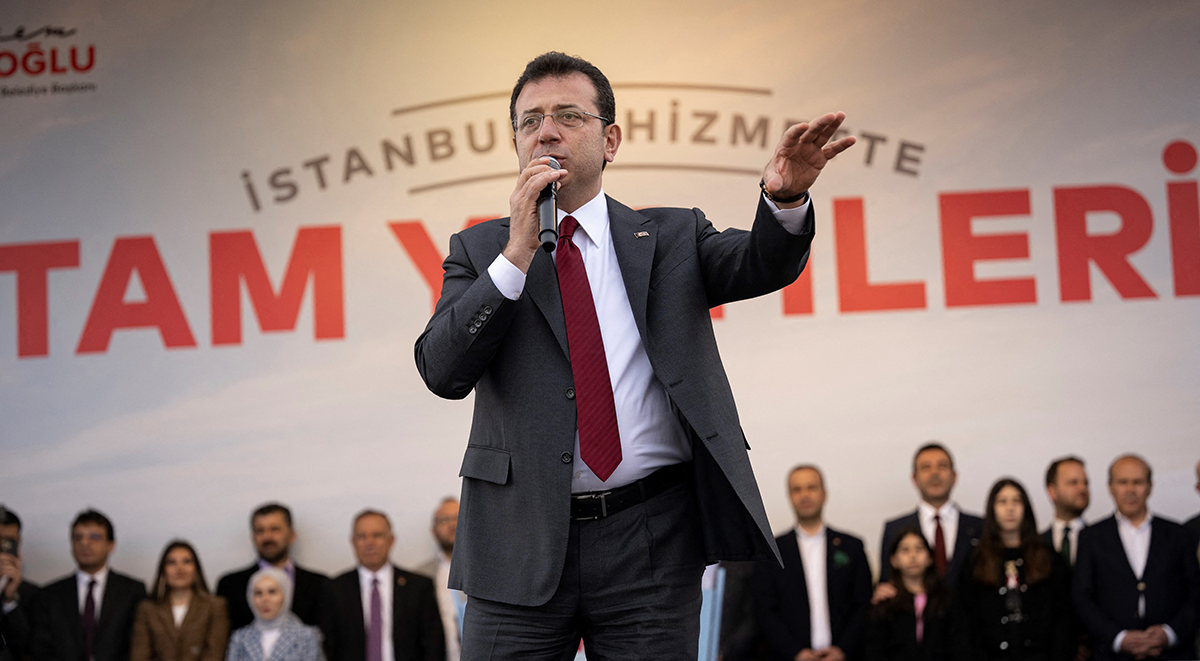
While the 2023 elections caused widespread disappointment among op-position voters and an acute rise in political apathy, the 2024 elections once again restored hopes for Turkish democratization. About a month after the local elections, President Erdoğan held a private meeting with CHP leader Özgür Özel at the AKP headquarters. The meeting ended with both leaders announcing the beginning of a new period in Turkish politics, which Erdoğan described as a “softening” and Özel as a “normalization.”
Central Asian states look to Iran as they seek to expand regional transit corridors
When Russia launched its full-scale invasion of Ukraine in late February 2022, it prompted the Central Asian states, and others, to reconsider Iran’s potential role as a transit country. In a little more than two years, Central Asia’s view of Iran has changed from international pariah to key link in lucrative trade routes.
الناتو وشمال أفريقيا والساحل: تسوية مثلث انعدام الأمن
مع احتفال حلف الناتو بمرور 75 عامًا على تأسيسه، سيجتمع أعضاء الحلف في واشنطن العاصمة في الفترة من 9 إلى 11 يوليو لعقد قمة تاريخية. ومن بين القضايا الرئيسية على جدول الأعمال معالجة التهديدات الحادة الناشئة عن منطقة البحر الأسود واعتماد نهج استراتيجي تجاه الشرق الأوسط وأفريقيا.
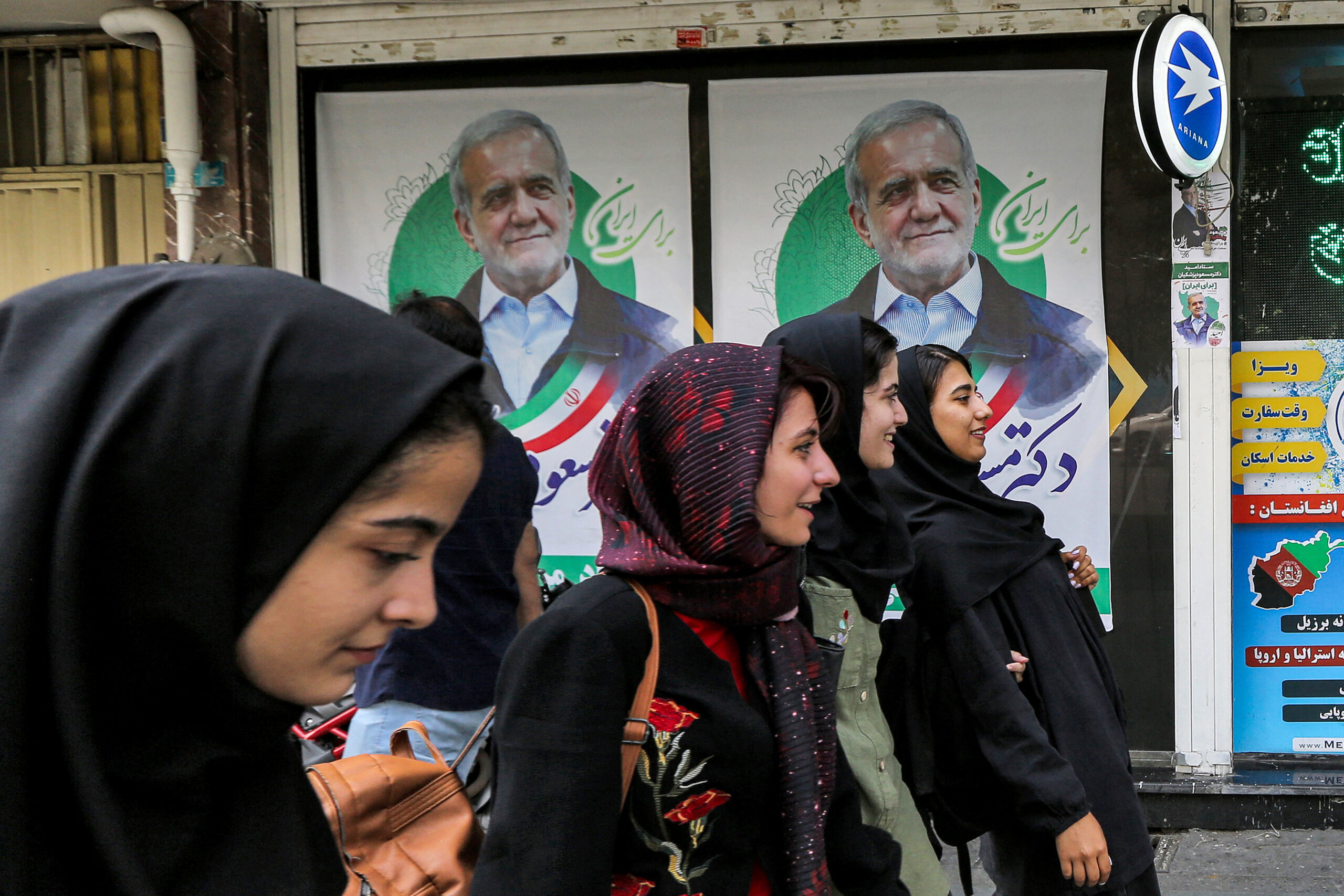
What’s at stake as Iran heads to a presidential runoff?
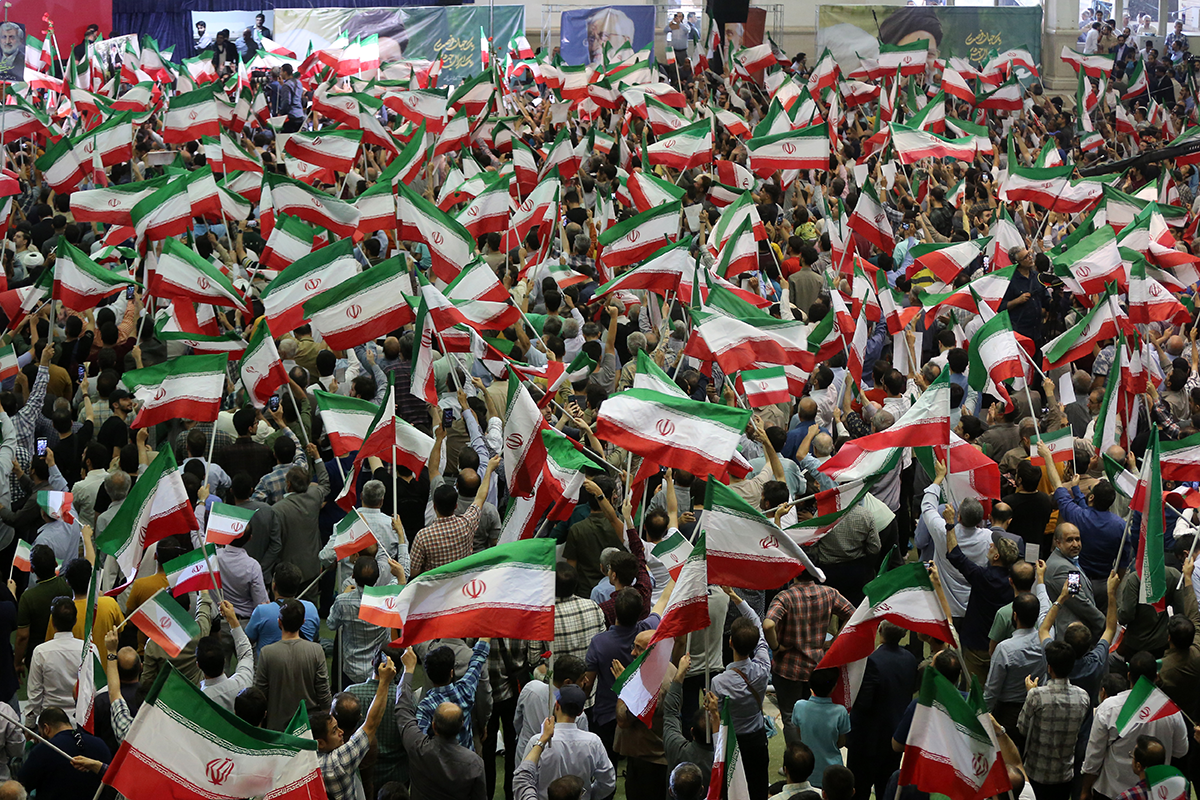
On June 28, Iran held its third election in the span of just four months. A fourth contest, a presidential runoff, is scheduled for July 5. And yet the opposite of election fervor has gripped the country. The June 28 election made history by setting a new record low for turnout, with official data suggesting 39.9% of voters cast a ballot. Participation is unlikely to rise in the second round, on July 5, but where turnout will end up is the million-dollar question.
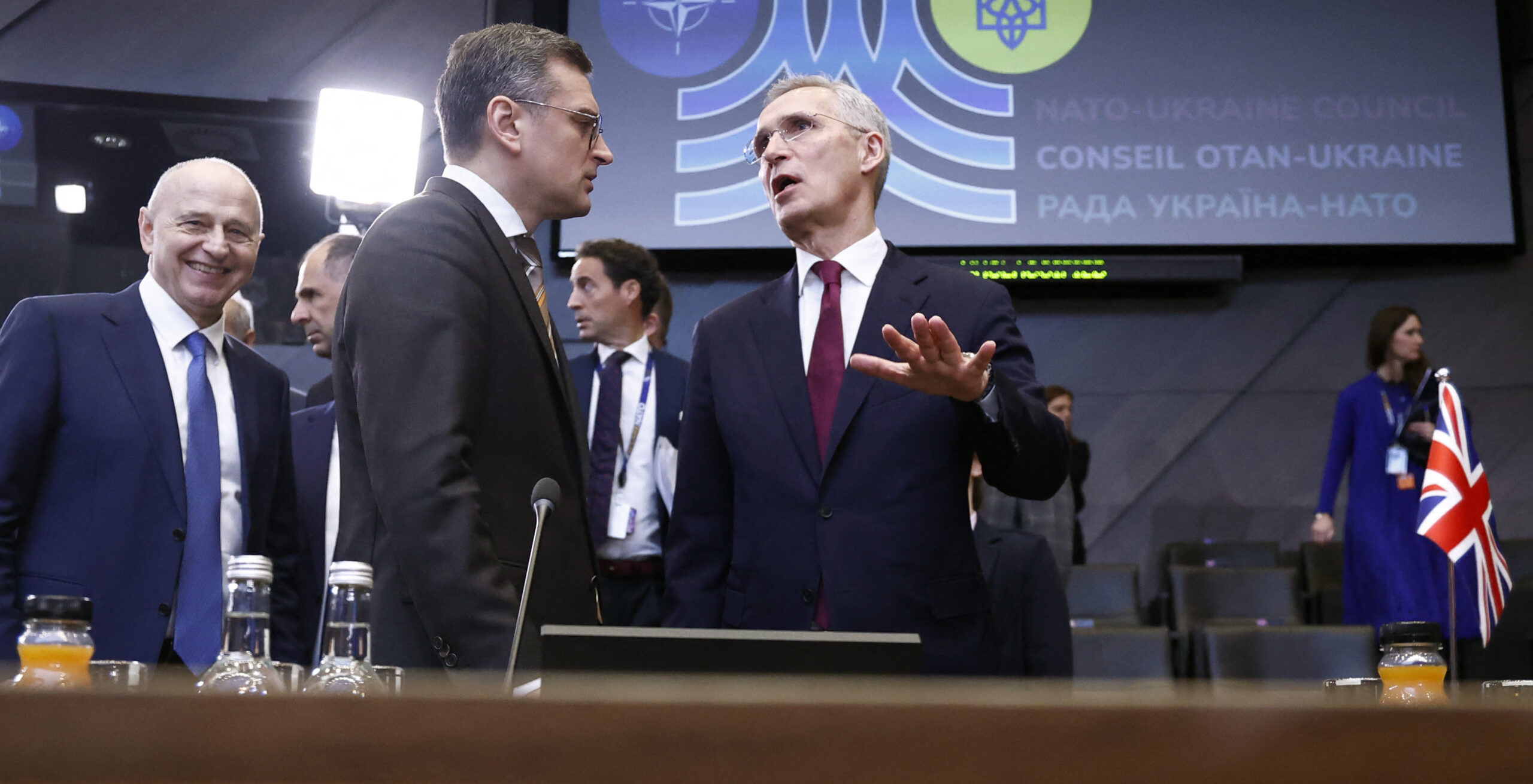
On the Eve of the Washington Summit: Shoring up NATO’s Vulnerable Flanks
On July 9-11, Washington will host the leaders of NATO’s 32 member states for a special anniversary summit, celebrating 75 years since the Alliance’s founding. But the NATO heads of state and government are unlikely to spend much time reminiscing. Their agenda will be full, spanning from Ukraine, Russia, wars in the Middle East, China, terrorism, cyber threats, NATO enlargement, boosting Allied capabilities, freedom of navigation around the world, nuclear deterrence, and more.
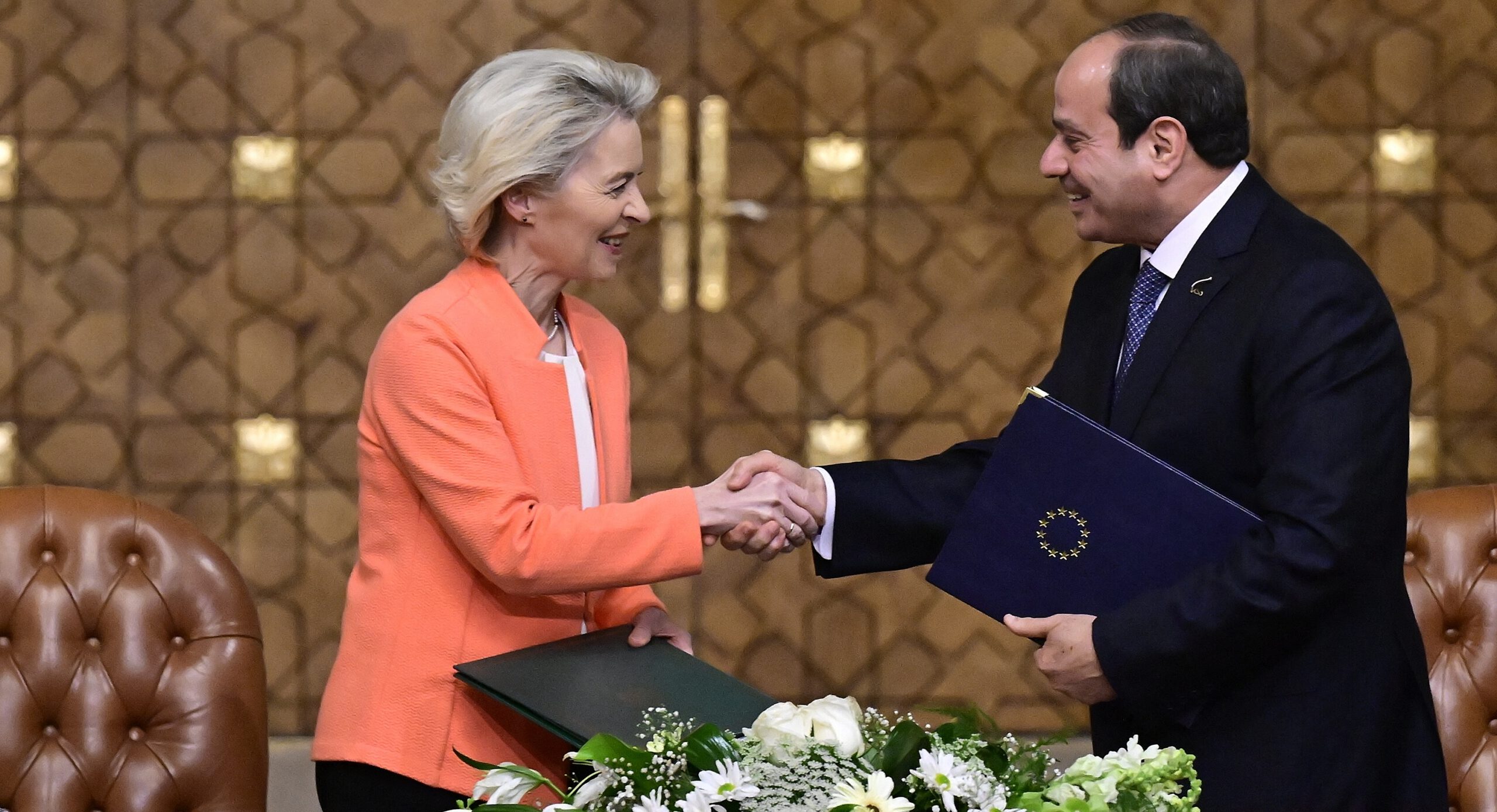
New EU aid and investment in Egypt linked to migration control
On June 29, at an aid and investment conference in Cairo, Egypt and the EU reached a €1 billion investment deal, and over 20 MoUs, collectively worth approximately €40 billion in private investment, were signed on the sidelines. Little mention has been made of migration in the new European agreement with Egypt, but there is little doubt that it is a pivotal factor.
In its 2022 Strategic Concept, NATO declared the Black Sea Region (BSR) of strategic importance for the Alliance, yet this recognition has never translated into NATO developing a proper strategy toward its critical southeastern flank. That glaring gap must be addressed right away.
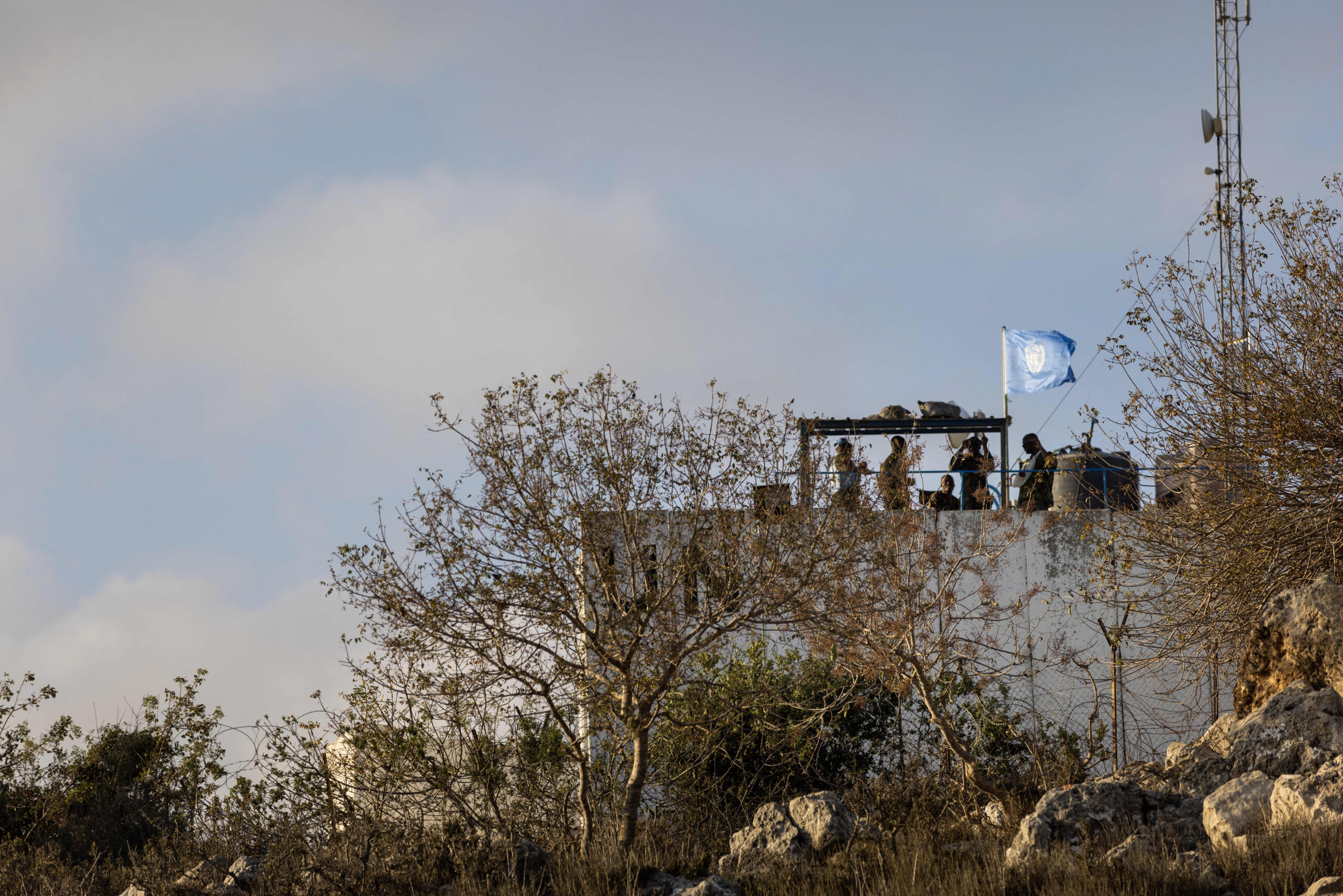
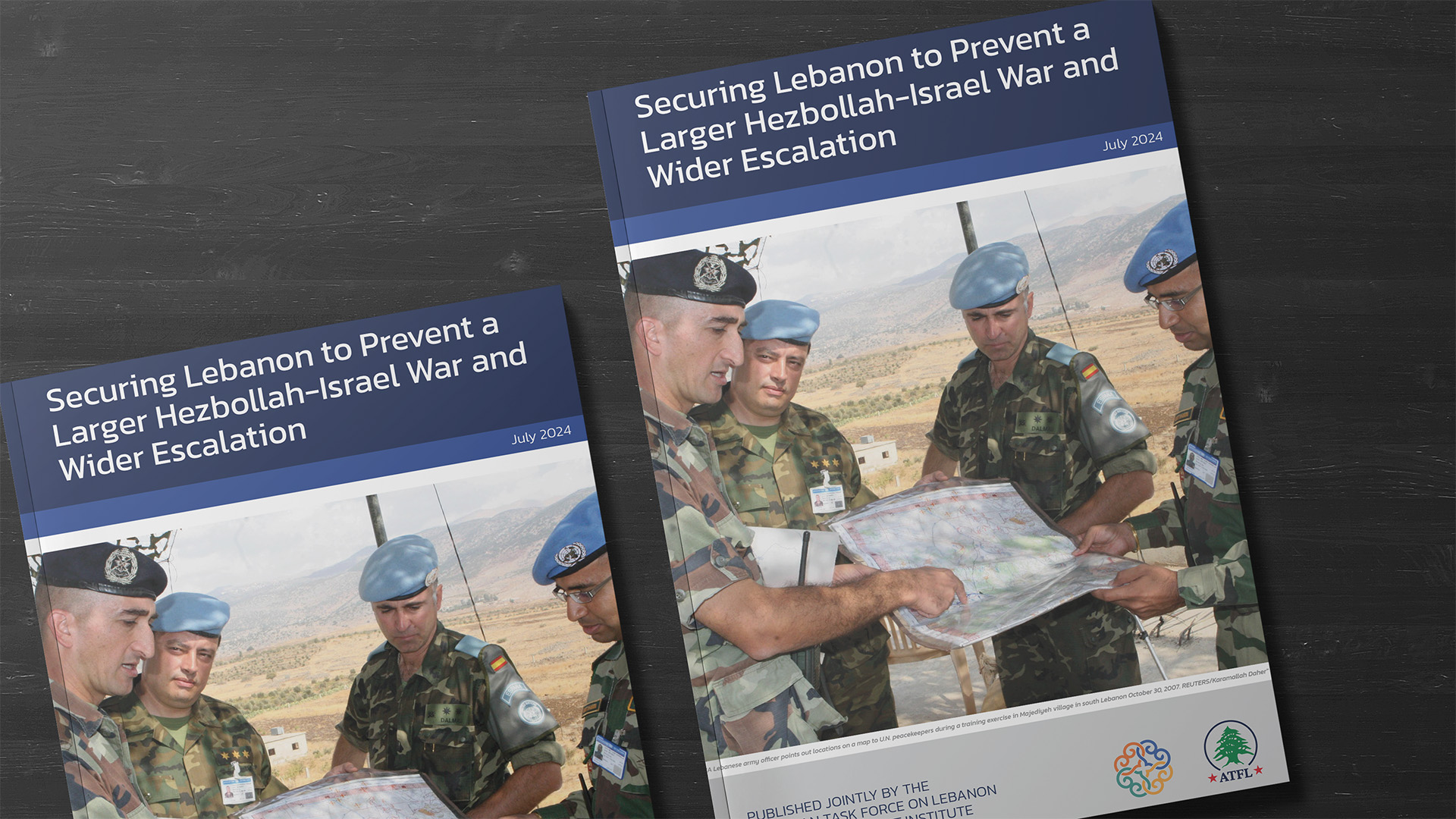
Securing Lebanon to Prevent a Larger Hezbollah-Israel War and Wider Escalation
The Middle East Institute (MEI) and the American Task Force on Lebanon (ATFL) convened a group of experts on Lebanon who co-authored this policy brief.
Executive Summary
As tensions between Israel and Hezbollah escalate, the specter of a full-scale war, with the potential to draw in the United States and Iran, demands the US’s immediate attention. The Biden-Harris Administration has tasked, in response, White House Senior Advisor Amos Hochstein with mediating efforts to de-escalate the conflict and bring stability to the Lebanon-Israel border.