This individual is a guest contributor. MEI is not able to assist with contact requests.
Jean-Pierre Cassarino holds a professorship at the Robert Schuman Center for Advanced Studies (RSCAS/European University Institute, Florence) where he directs the Return migration and Development Platform (http://rsc.eui.eu/RDP/). He is also research associate at the Tunis-based Institut de Recherche sur le Maghreb Contemporain (IRMC). Since the mid-1990s, he has published extensively on international migration, particularly on return migration and has carried out numerous field surveys investigating returnees’ manifold patterns of reintegration. Selected publications include: (ed.) Unbalanced Reciprocities: Cooperation on Readmission in the Euro-Mediterranean Area, The Middle East Institute Press, Washington, 2010; (ed.) “Conditions of Modern Return Migrants”, International Journal on Multicultural Societies, Vol. 10, Issue 2, UNESCO, Paris, 2008; (ed.) Return Migrants to the Maghreb Countries: Reintegration and development challenges, RSCAS, European University Institute, Florence, 2008; Tunisian New Entrepreneurs and their Past Experiences of Migration in Europe: Networks, Resource Mobilisation, and Hidden Disaffection. Ashgate Publishers, Aldershot, 2000. Email: [email protected]
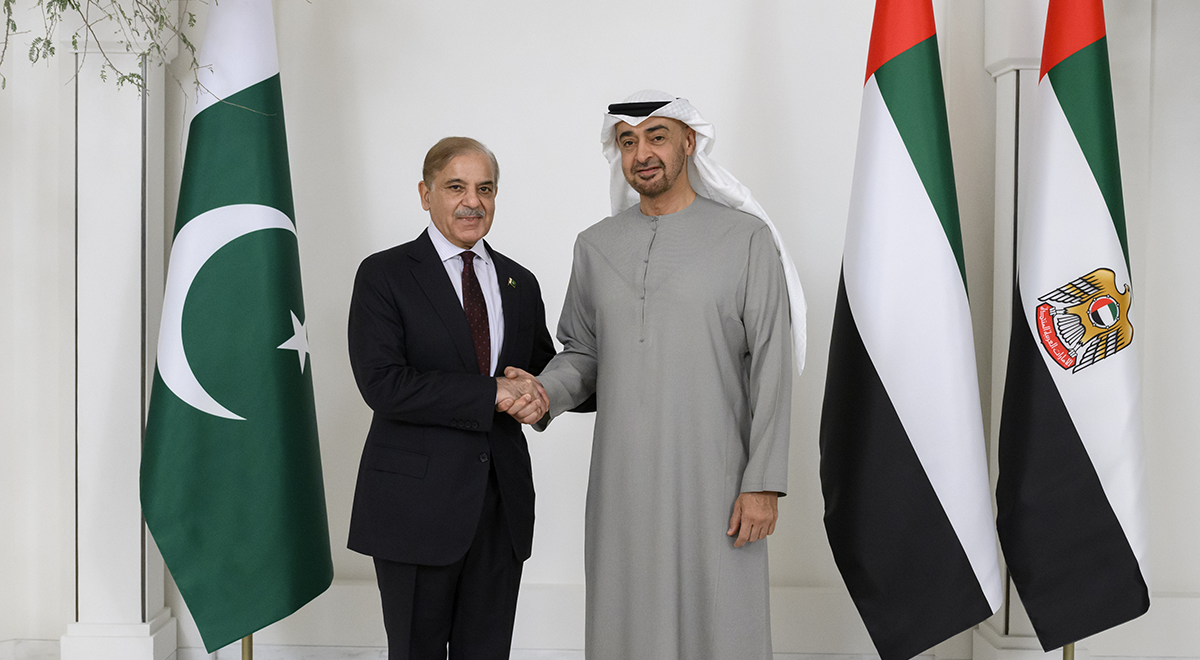
Why Pakistan is looking to Saudi Arabia and the UAE to ramp up investment
Pakistan’s government is pursuing a two-track approach to stabilize the country’s long-troubled economy. It is engaged in lengthy negotiations with the IMF to secure at least $6 billion in loans to shore up its ability to service its external debt. At the same time, Islamabad is also trying to woo its Gulf allies, most notably Saudi Arabia and the UAE, in a bid to diversify its sources of external financing, address the lingering threat of insolvency, and put its economy on an upward trajectory of sustainable growth.
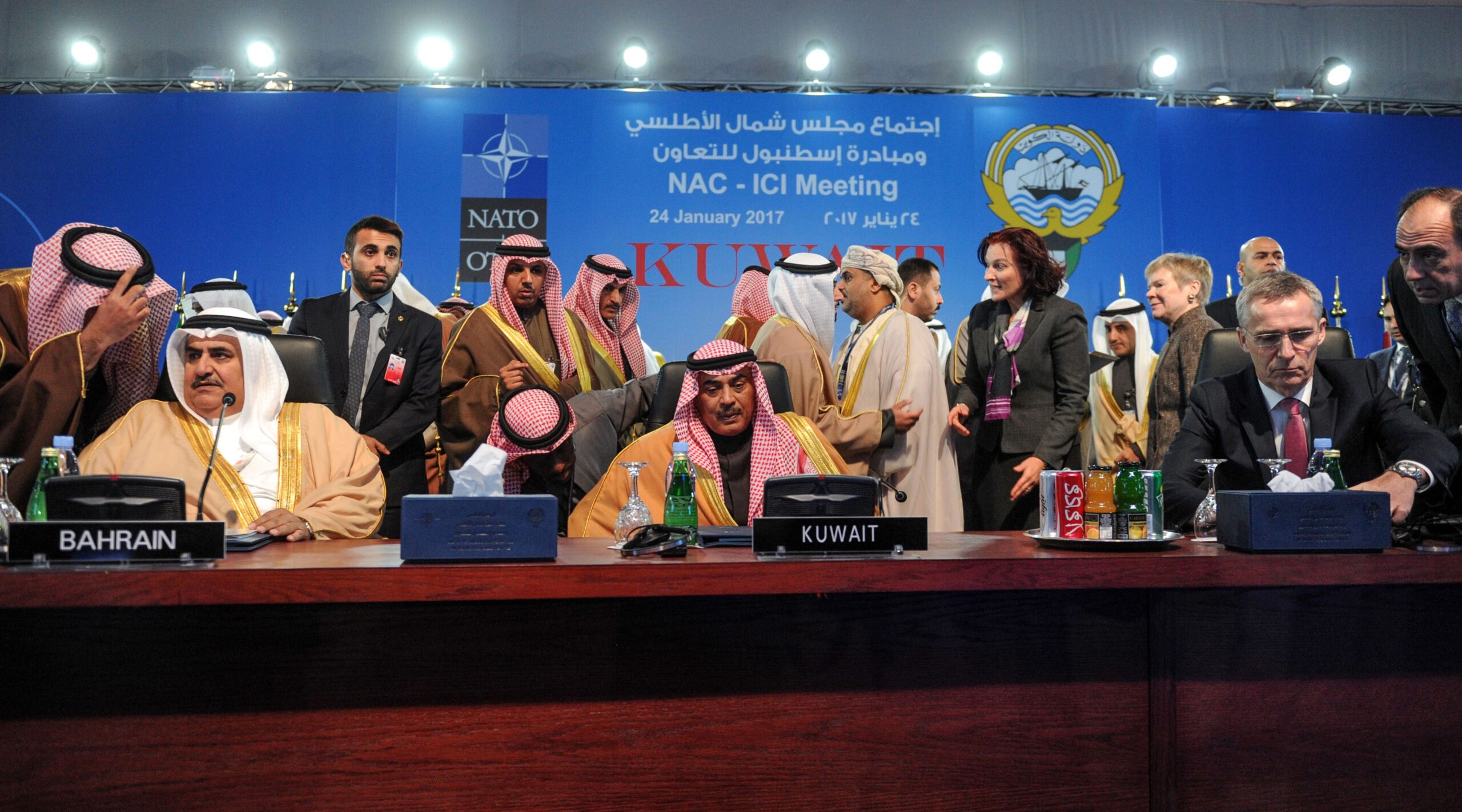
While the Washington Summit is unlikely to deliver any ground-breaking outcome, it certainly offers the opportunity to articulate the nexus between security in Europe and the Mediterranean-African region. NATO also has the opportunity to renew and streamline its partnerships with Middle Eastern and North African countries while strengthening its outreach to Africa.
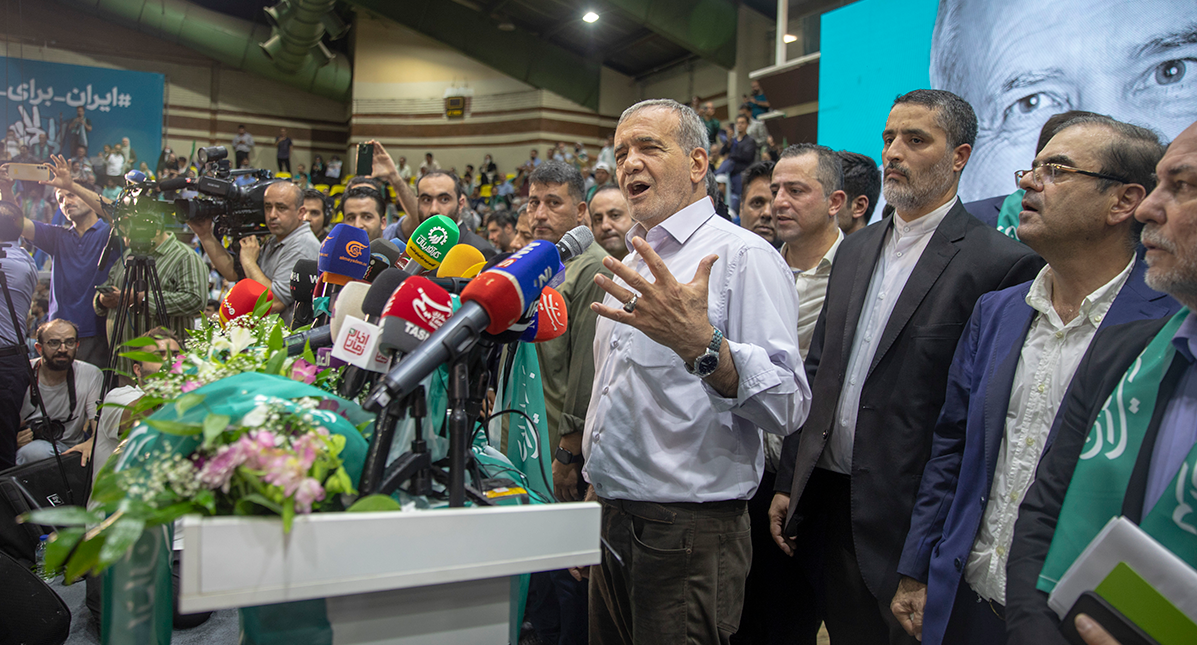
Polling on Iran highlights key social and political issues ahead of presidential vote
The latest survey from Stasis Consulting estimates that voter turnout in the June 28 Iranian presidential election is likely to exceed 50%. Despite the sudden death of President Ebrahim Raisi, Iranians do not believe his passing will cause any significant challenges for the country. Iranians view addressing youth concerns as a top priority for the next president, alongside dealing with the country’s long-standing economic challenges. In addition, there is widespread opposition to the way in which the government is dealing with the mandatory hijab and a majority of Iranians dislike the Guidance Patrol and support making the wearing of the veil optional.
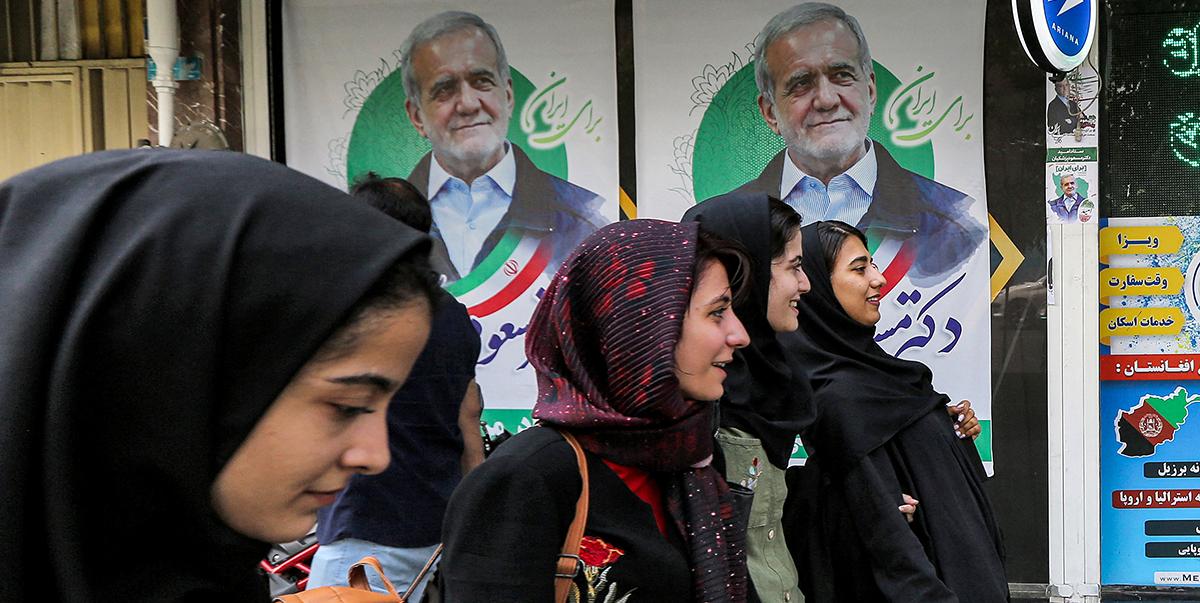
Change isn’t on the ballot as Iranians head to the polls
With just a few days left before Iranians head to the polls, it is clear that the June 28 presidential election is not exciting the country’s voters. After several televised debates, some of which have been mildly contentious, the six men in the race have failed to energize the public. In fact, a major “no vote” campaign has been under way on social media and elsewhere, aimed at convincing Iranians to stay home.
“Vision of darkness balanced by light”: Lebanese-American Artist Nabil Kanso’s Works Express the Current Moment, Decades After Their Creation
Nearly six decades after Kanso moved to America and began his career as a visual artist, his work remains enormously important, channeling the zeitgeist of our uncertain and violent era. Yet as dark as Kanso’s vision is, he also reminds us that even the most hellacious of contexts can contain light and the possibility of rebirth and renewal.
Alex Vatanka (Director, MEI’s Iran Program) and Ali Afshari (Iranian political analyst and pro-democracy activist) discuss Iran’s snap presidential elections, set to be held on June 28th, following the sudden death of President Ebrahim Raisi in a helicopter crash last month. The 63-year-old regime loyalist was widely viewed as a leading potential successor to the Islamic Republic’s 85-year-old supreme leader, Ayatollah Ali Khamenei. The elections come as Iran faces a number of challenges both at home and abroad, ranging from long-running domestic economic troubles and preparations for an eventual leadership transition to the regional reverberations of the ongoing war in Gaza and the tit-for-tat exchange of missile and drone strikes with Israel in April.
ليبيا تظل مفتاح الناتو لمواجهة الأنشطة الروسية الخبيثة في أفريقيا
قبل ثماني سنوات، لم يكن أحد يتوقع أن روسيا ستتوسع في أفريقيا بهذه السرعة والشمولية. واليوم، هناك إدراك واسع النطاق للتهديد الذي يشكله التوسع الروسي المزعزع للاستقرار في أفريقيا على حلف الناتو وأعضائه والمنطقة الأفريقية.
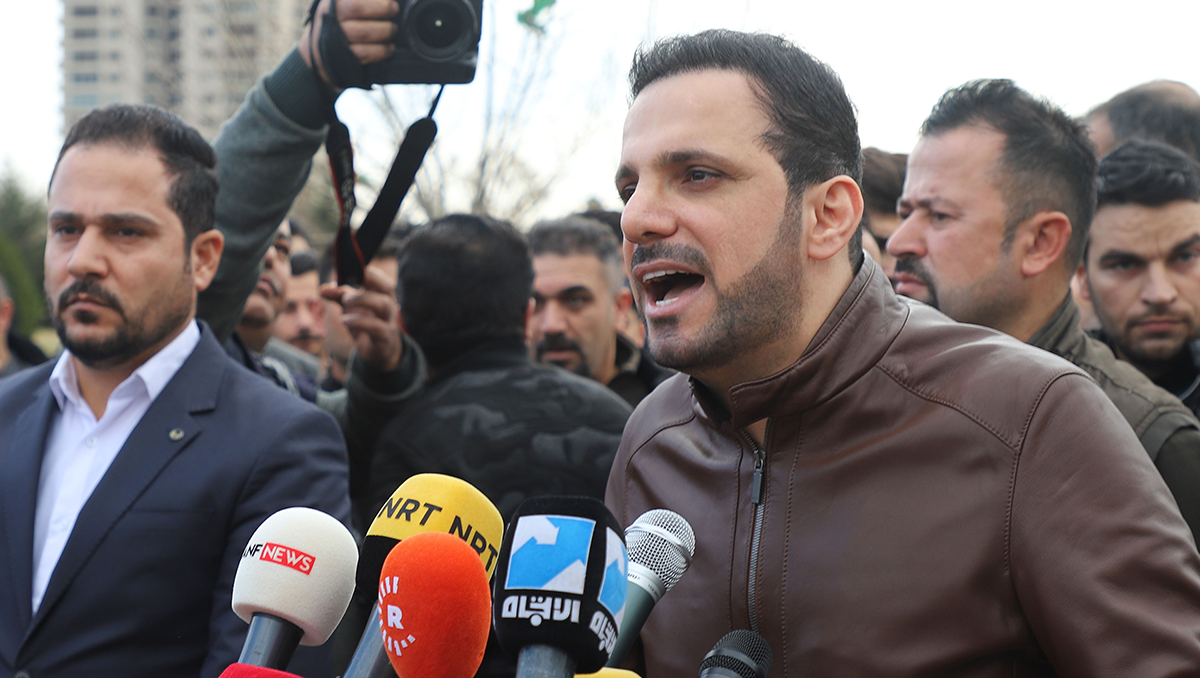
No real alternative: The failure of opposition parties in Iraq’s Kurdistan Region
Politics in Iraq’s Kurdistan Region is centered on the ruling duopoly of the Kurdistan Democratic Party (KDP) and the Patriotic Union of Kurdistan (PUK). Other political parties — broadly referred to as the opposition — offer themselves as alternatives to the KDP and the PUK, but are disorganized, divided, and largely unable to capitalize on public grievances about governance. At present, they do not constitute a viable alternative to the ruling parties.
New US pier off Gaza holds opportunities beyond humanitarian aid
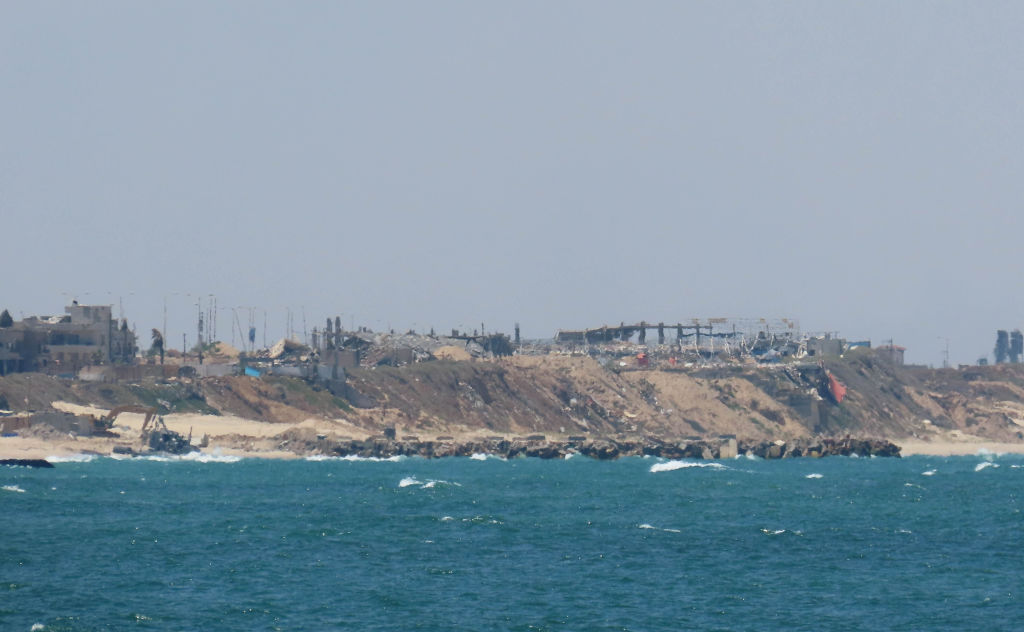
The new U.S. pier off Gaza is back in operational mode, after breaking apart and undergoing a week of repairs. Despite the rocky start, this American initiative could serve as a steppingstone towards a new, more peaceful, post-war Israeli-Palestinian reality. But for this to happen, the U.S. will need to leverage opportunities, address regional skepticism and bring the Palestinians on board.