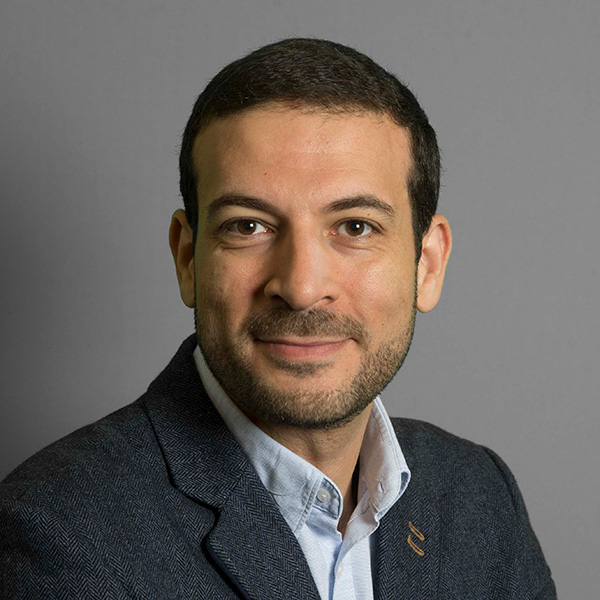
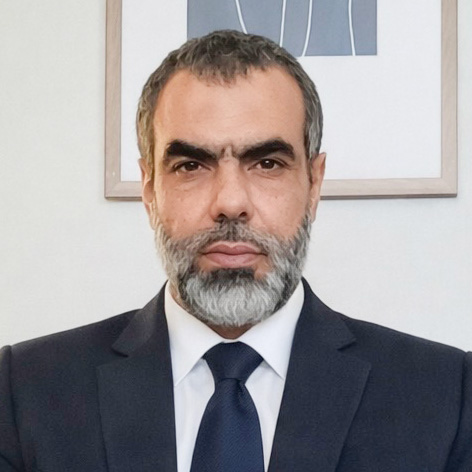
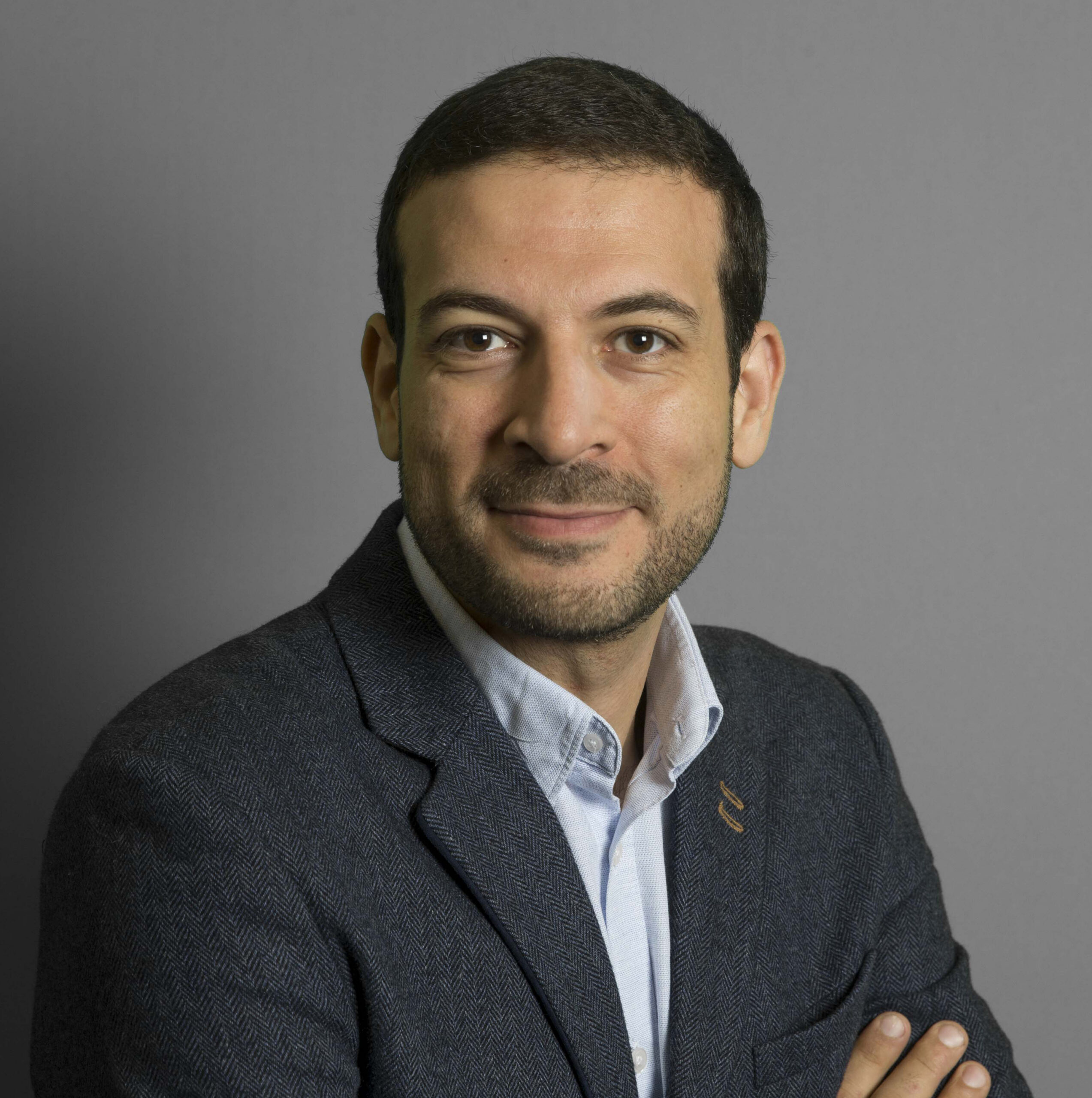
Karim Elgendy is an expert on energy transition and climate policy in the Middle East and North Africa. His research examines the intersection of climate diplomacy, energy geopolitics, and sustainable development across the region. Elgendy investigates how countries navigate energy transitions and climate change impacts within shifting geopolitical landscapes, and analyzes how regional and global power dynamics influence climate action and policy implementation. He possesses deep expertise in energy and climate policies across the Eastern Mediterranean and Gulf Cooperation Council states, with particular focus on renewable energy, climate resilience, and diplomacy.
Elgendy has authored numerous articles and policy publications in leading journals and platforms. He has presented at over one hundred public speaking engagements and has delivered guest lectures at several prestigious universities. His expert analysis is regularly featured in broadcast, print, and digital media outlets, and he has appeared in most mainstream media outlets.
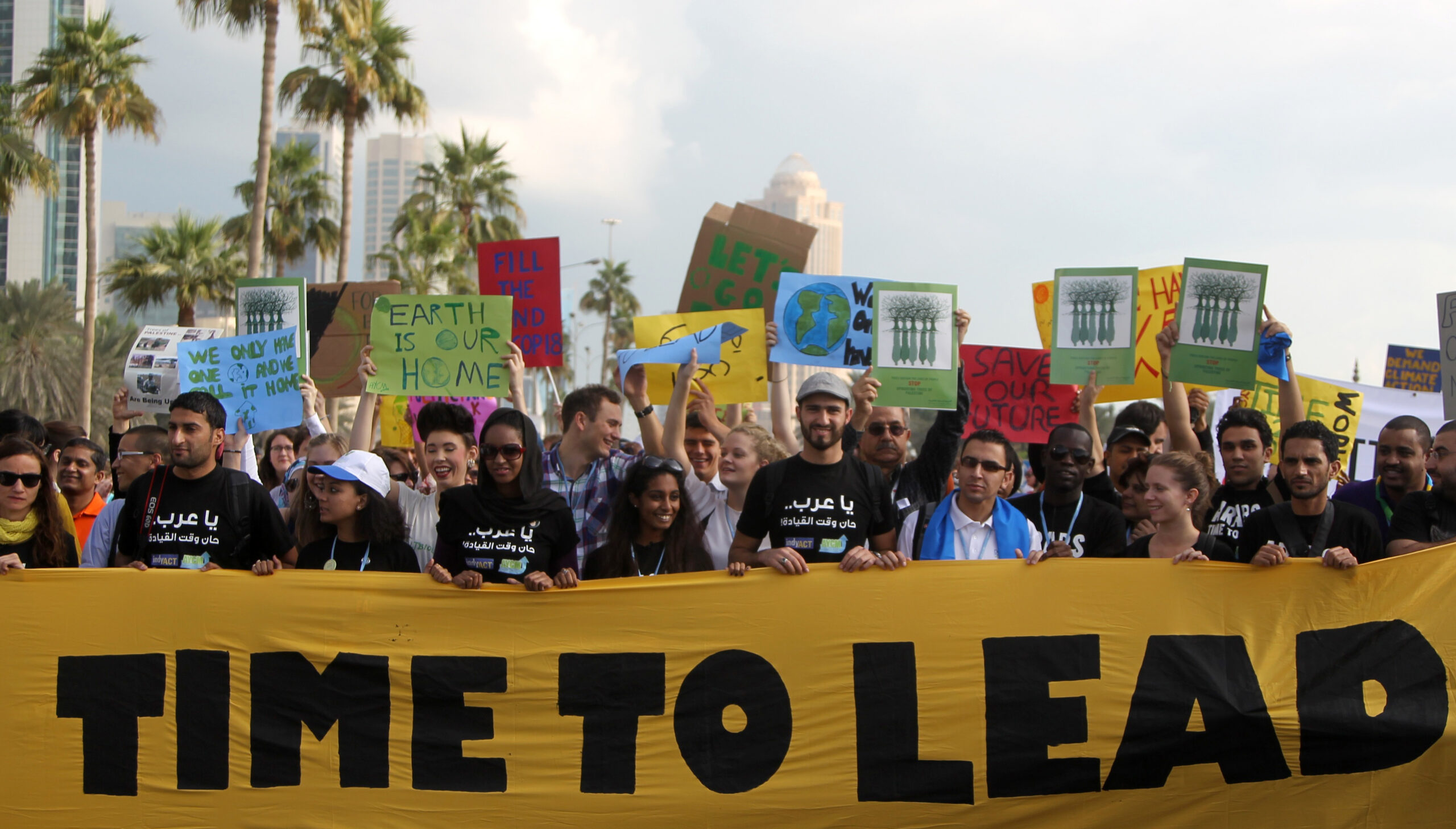
Circus of Parties: The COP is broken but it is the only show in town
COP28 was billed as our last best chance to get the world’s act together and save our chances of limiting warming to 1.5 degrees Celsius. However, the final outcome fell far short of the commitments so desperately needed to keep the target alive. The future of COP lies in refocusing on its fundamental objective: ensuring that countries are held accountable to science-based targets that prioritize the needs of vulnerable communities most affected by climate change.
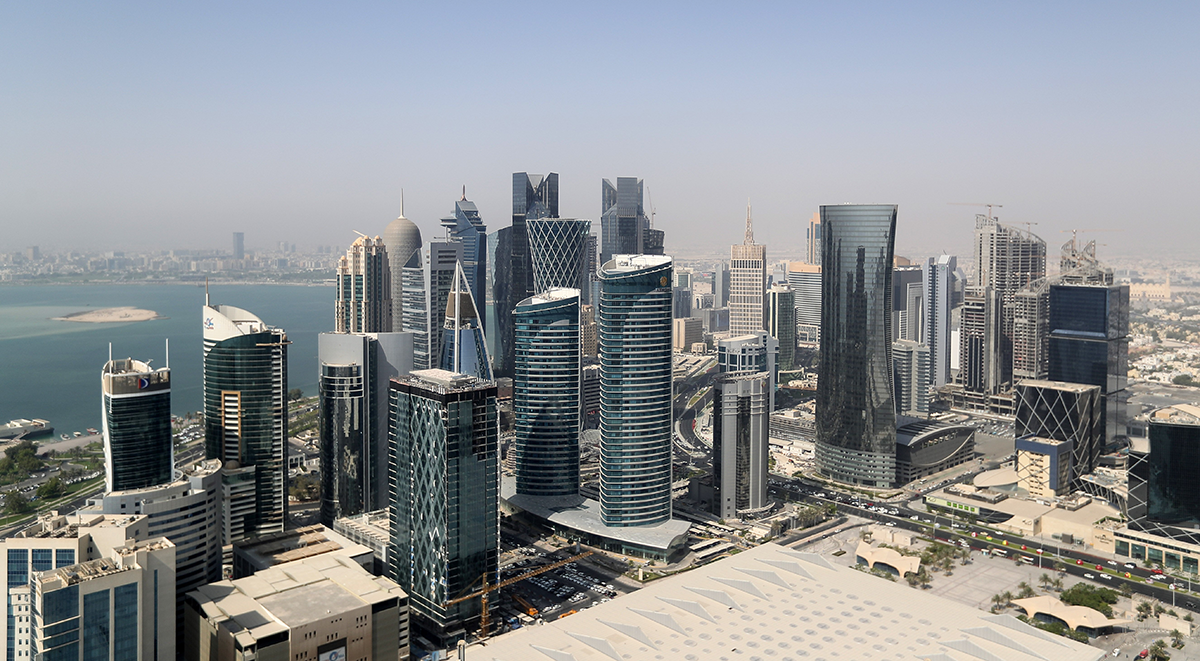
Pillars of sand: The environmental fragility of Gulf cities
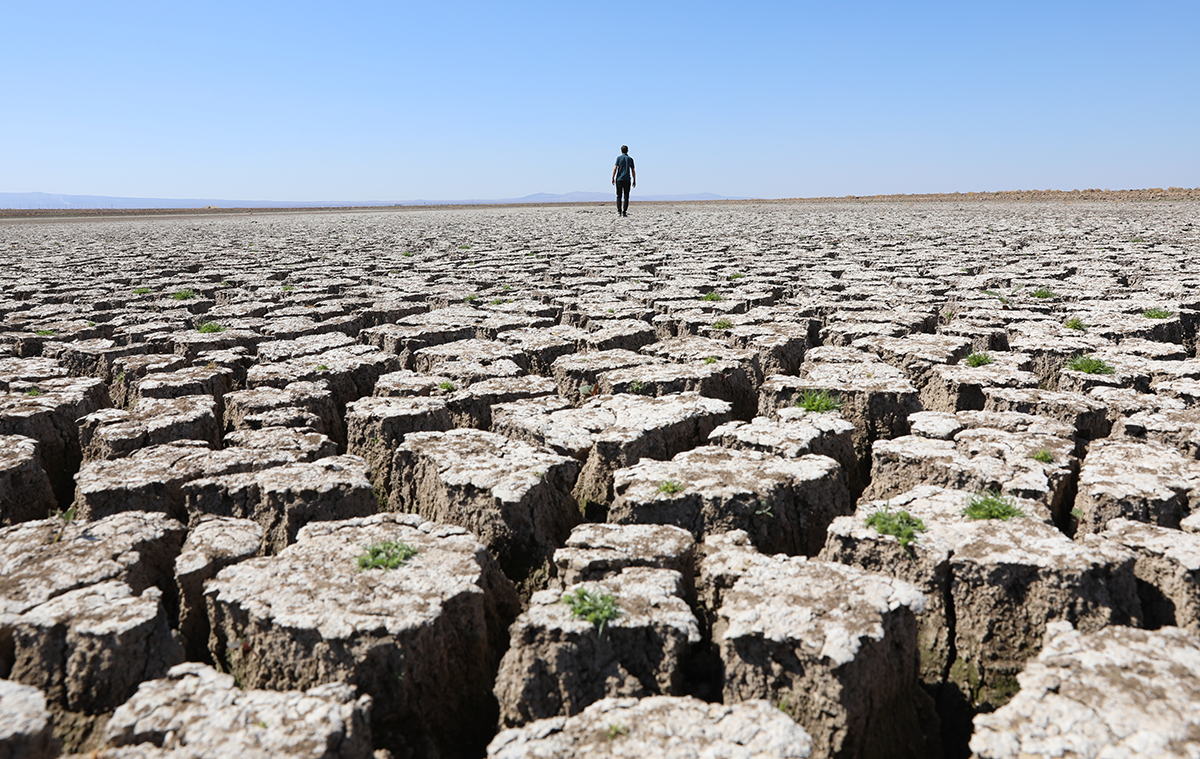
Future climate change is set to increase temperatures around the Gulf further still, rising twice as fast as the global average and pushing the cities of this rapidly growing region toward the edge of their viability as human habitats. But how did this situation come to be in the first place, and why did humans settle in such an inhospitable environment and build such cities around the Gulf waters?
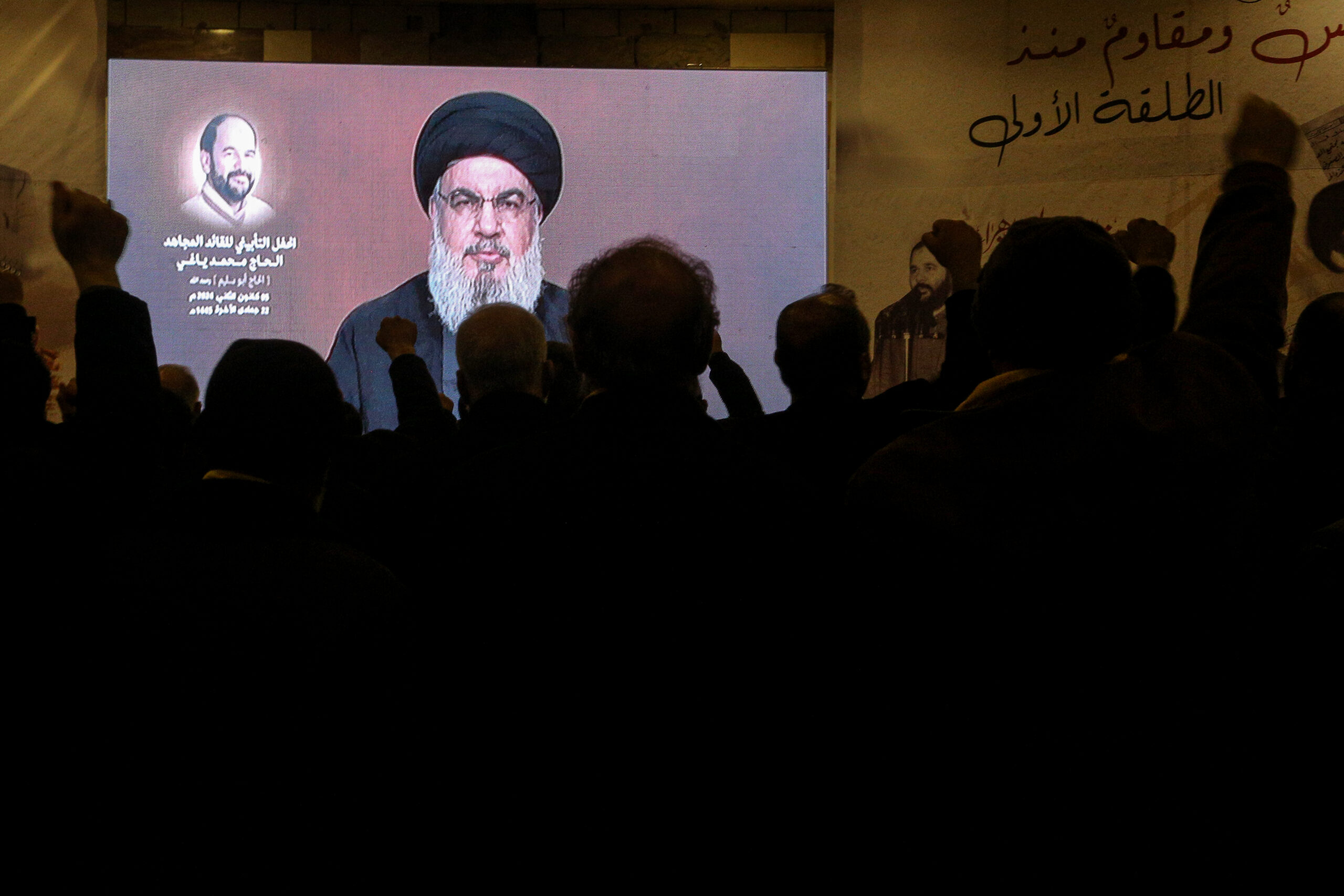
Climate casualties: How the Gaza war threatens Mideast climate action
The renewed violence in Gaza could not have come at a less opportune time for the climate agenda in the Middle East. From energy economics to environmental degradation, the ripple effects of conflict will complicate the path ahead.
In the eye of the storm: The battle over fossil fuels at COP28
As the existential threat of climate change continues to intensify, the future of fossil fuels has been thrust into the international spotlight. Reducing hydrocarbon production and consumption has gained traction in international climate talks amid warnings that the window to avoid catastrophic warming is closing quickly.
Egypt as an Eastern Mediterranean power in the age of energy transition
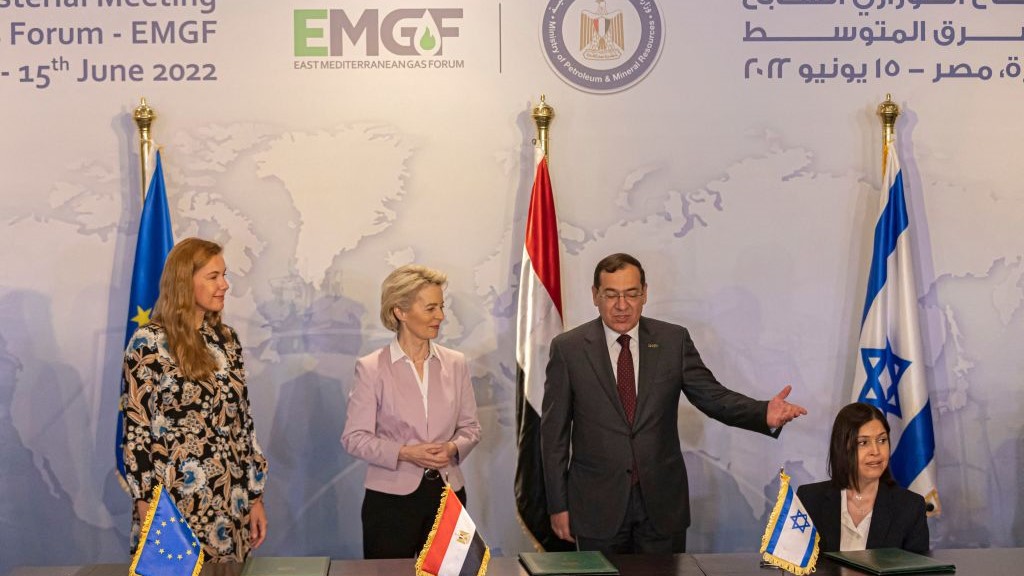
The emergence of Egypt as an Eastern Mediterranean energy hub resulted from a culmination of years of deliberate efforts. Increasingly, Egypt will be able to re-export Israeli natural gas or convert it into blue hydrogen, generate green electricity for export, or utilize its growing wind and solar power capacity to produce green hydrogen.
From rivalry to partnership: Managing climate risks through regional collaboration
Countries across the region face similar climate risks and impacts, but tensions and socio-economic challenges have hampered regional collaboration and collective efforts to tackle climate change. One way to address this problem and to circumvent poor policy coordination is through technical research and knowledge-sharing.
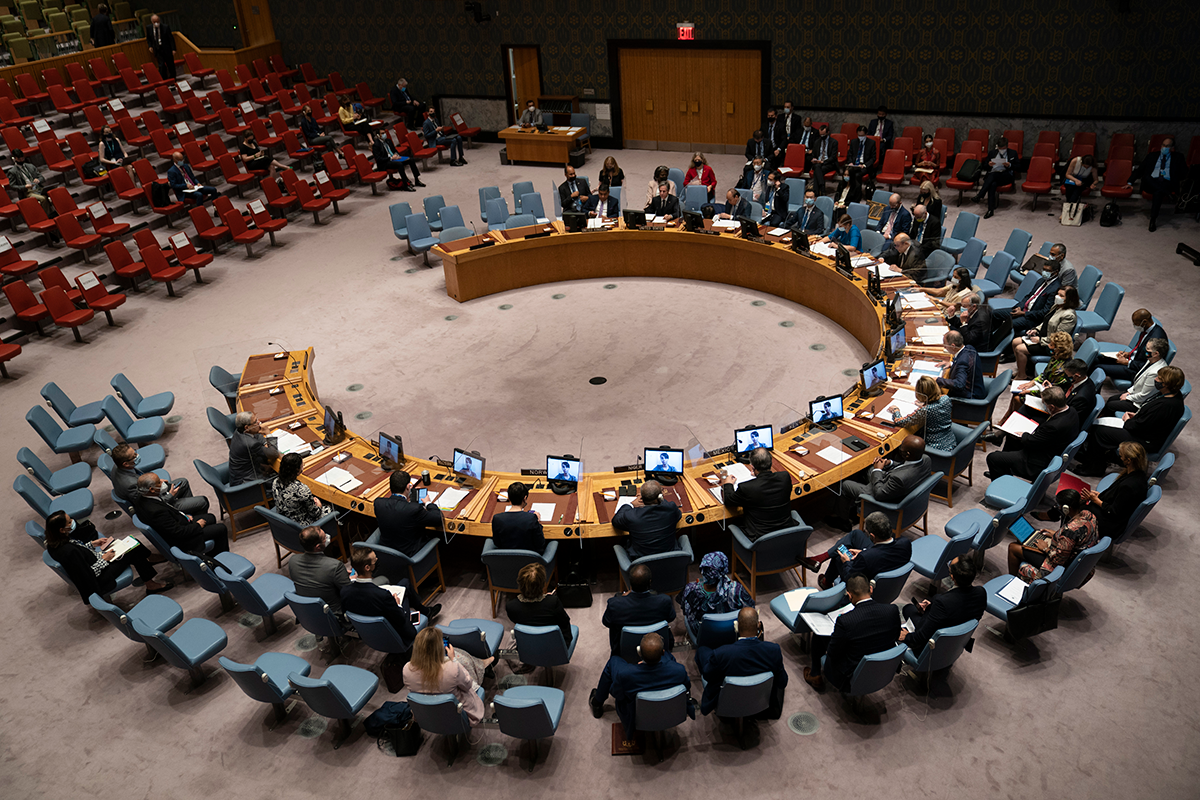
On Dec. 13, 2021, at a United Nations Security Council (UNSC) meeting, a draft resolution that would have recognized climate change as a security threat was rejected. The resolution, co-sponsored by Niger and Ireland, would have incorporated climate change as a security risk within the U.N. framework of conflict prevention strategies. What are the potential implications of this and what comes next? We asked seven experts to weigh in with their thoughts.
Sustainable Development and the Built Environment in the Middle East: Challenges and Opportunities
Originally posted February 2011
In the Western context, notions of sustainable development often refer to the need to adjust existing economic models in order to maintain better balances between economic growth and social needs, while protecting local ecologies and reducing the negative impact of growth on the global environment.