This individual is a guest contributor. MEI is not able to assist with contact requests.
Jean-Pierre Cassarino holds a professorship at the Robert Schuman Center for Advanced Studies (RSCAS/European University Institute, Florence) where he directs the Return migration and Development Platform (http://rsc.eui.eu/RDP/). He is also research associate at the Tunis-based Institut de Recherche sur le Maghreb Contemporain (IRMC). Since the mid-1990s, he has published extensively on international migration, particularly on return migration and has carried out numerous field surveys investigating returnees’ manifold patterns of reintegration. Selected publications include: (ed.) Unbalanced Reciprocities: Cooperation on Readmission in the Euro-Mediterranean Area, The Middle East Institute Press, Washington, 2010; (ed.) “Conditions of Modern Return Migrants”, International Journal on Multicultural Societies, Vol. 10, Issue 2, UNESCO, Paris, 2008; (ed.) Return Migrants to the Maghreb Countries: Reintegration and development challenges, RSCAS, European University Institute, Florence, 2008; Tunisian New Entrepreneurs and their Past Experiences of Migration in Europe: Networks, Resource Mobilisation, and Hidden Disaffection. Ashgate Publishers, Aldershot, 2000. Email: [email protected]
American Diplomacy Toward Lebanon With Amb. David Hale
Ambassador David Hale joins MEI’s US-Lebanon Fellow Fadi Nicholas Nassar to discuss his book American Diplomacy Toward Lebanon: Lessons in Foreign Policy and the Middle East. They cover takeaways from his time as ambassador and the state of US-Lebanon and regional diplomacy following the Gaza war.
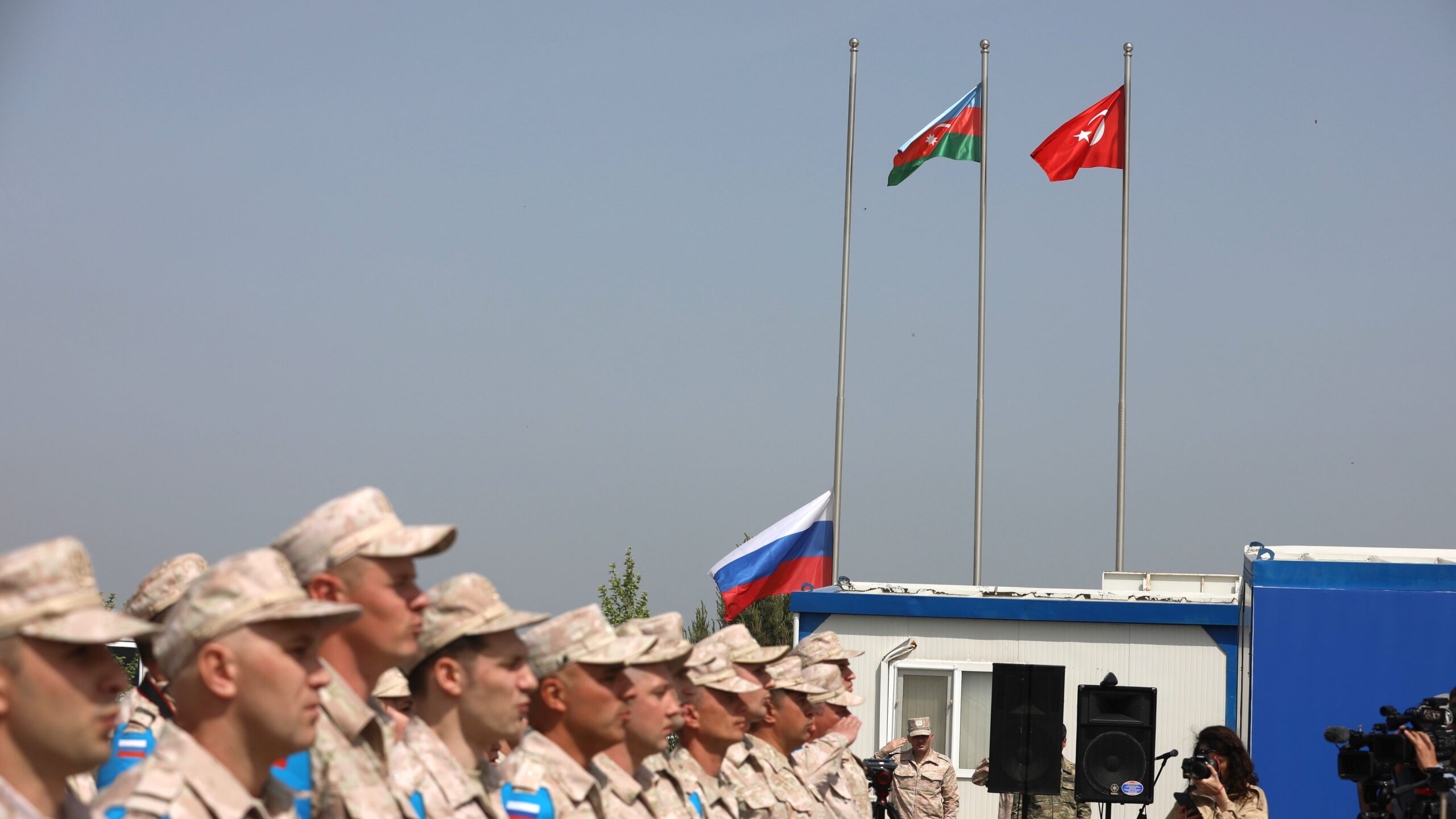
Why they left: The causes and implications of the Russian peacekeepers’ withdrawal from Karabakh
On April 17, Russian and Azerbaijani officials confirmed that the Russian peacekeeping forces deployed in Karabakh since November 2020 had begun pulling out from the region. The reasons behind the decision remain a matter of intense debate; but it is possible to draw several important conclusions from its timing and consequences.
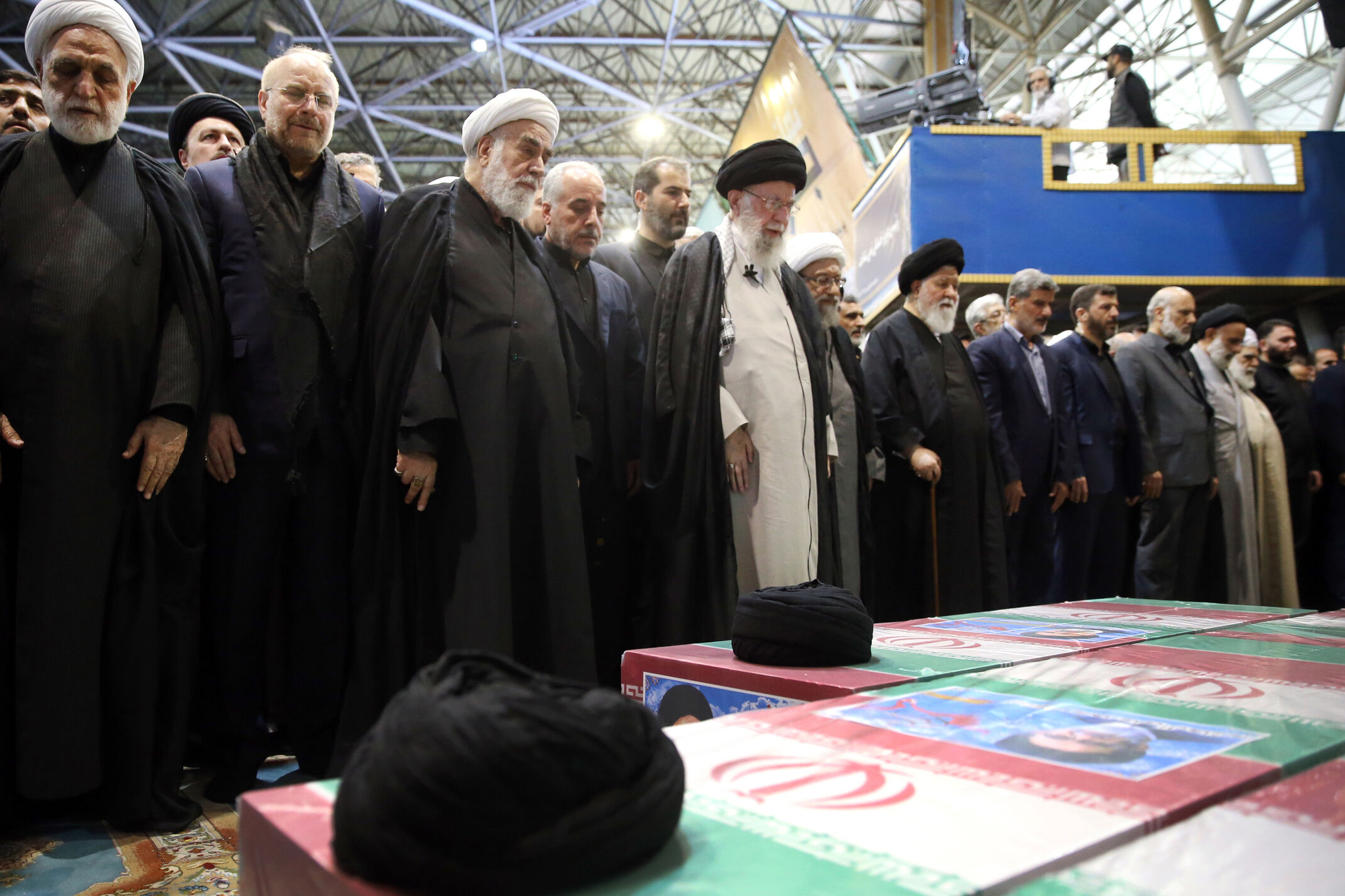
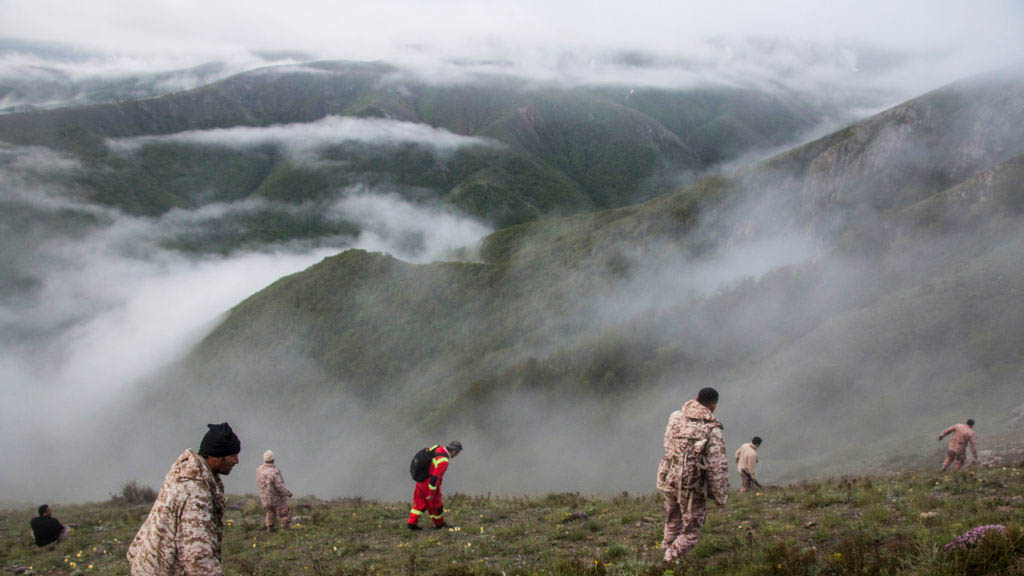
Khamenei will maintain tight grip on Iran’s snap presidential election
The sudden death of President Ebrahim Raisi obliged Iran to hold snap presidential elections by June 28. In the first phase of this electoral process, all eyes will be on Supreme Leader Ali Khamenei, since the relative competitiveness of the upcoming contest depends entirely on who the leader allows to run.
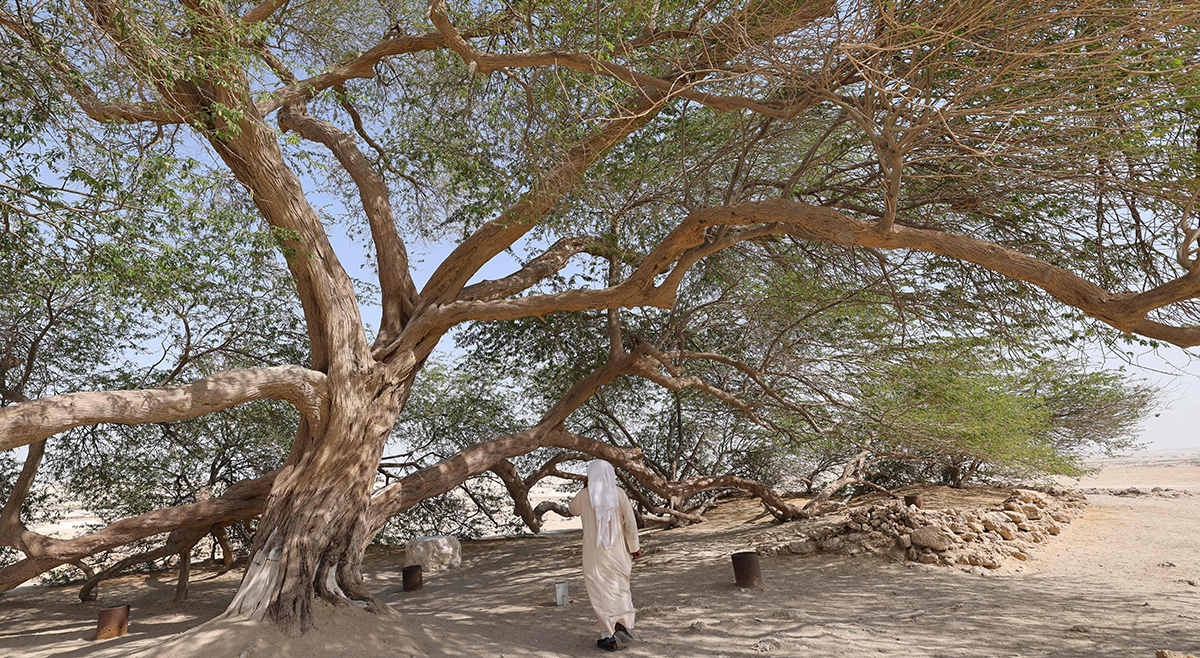
Building a More Resilient Bahrain: An Integrated Approach to Climate Change, Socioeconomic, and Governance Challenges
From extreme heat and drought to dust storms and rising sea levels, the Kingdom of Bahrain is facing the growing impact of climate change, with projections indicating conditions will only get worse in the future. Manama’s vulnerability to the effects of climate change directly intersects with its broader societal and governance issues, necessitating comprehensive climate-resilience strategies to address these interconnected challenges.
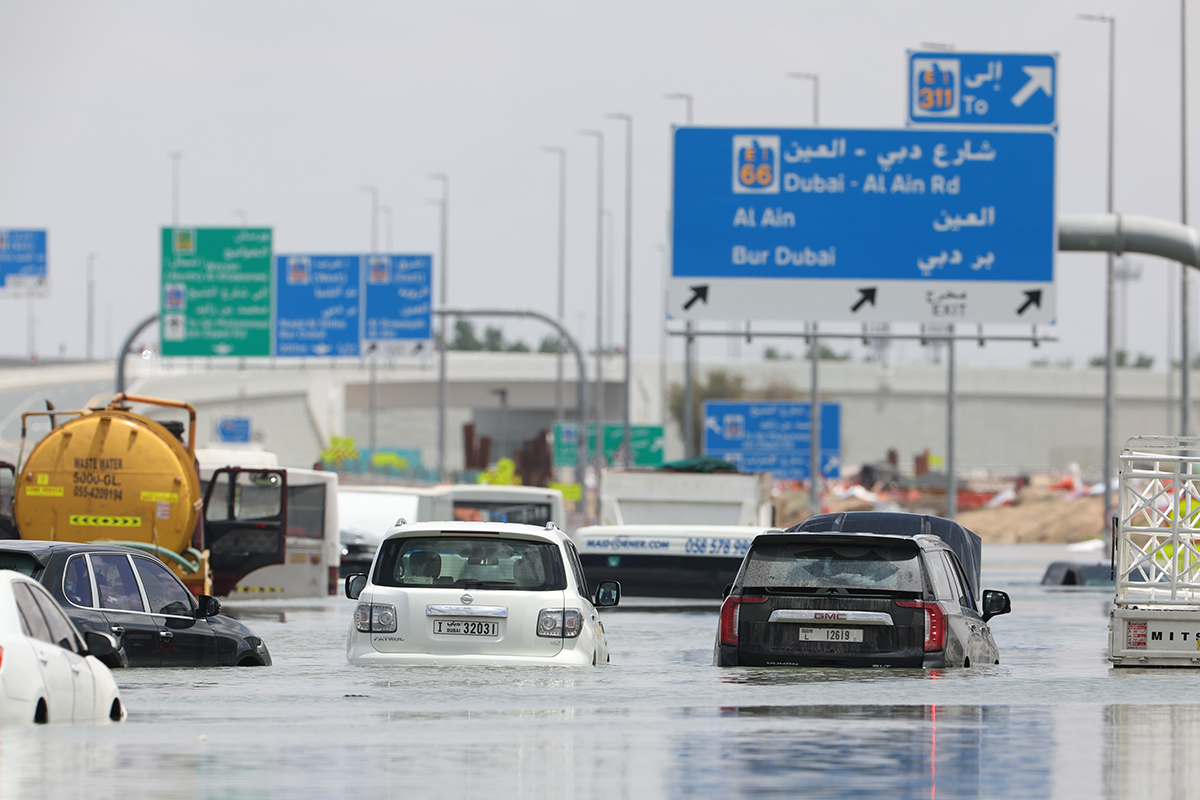
Debunking the role of cloud seeding in the April Arabian Gulf floods
Intense flooding across the Arabian Peninsula caused by a storm in mid-April sparked speculation about the role cloud seeding might have played in the precipitation event, giving rise to conspiracy theories on social media and warnings trumpeting the hazards of human intervention into natural processes. Cloud seeding is not the only climate change-adaptive strategy to have been targeted in this way, and the effort being expended to combat such disinformation (though nascent) is growing.
Rafah operation won’t help Israel escape its political doom loop
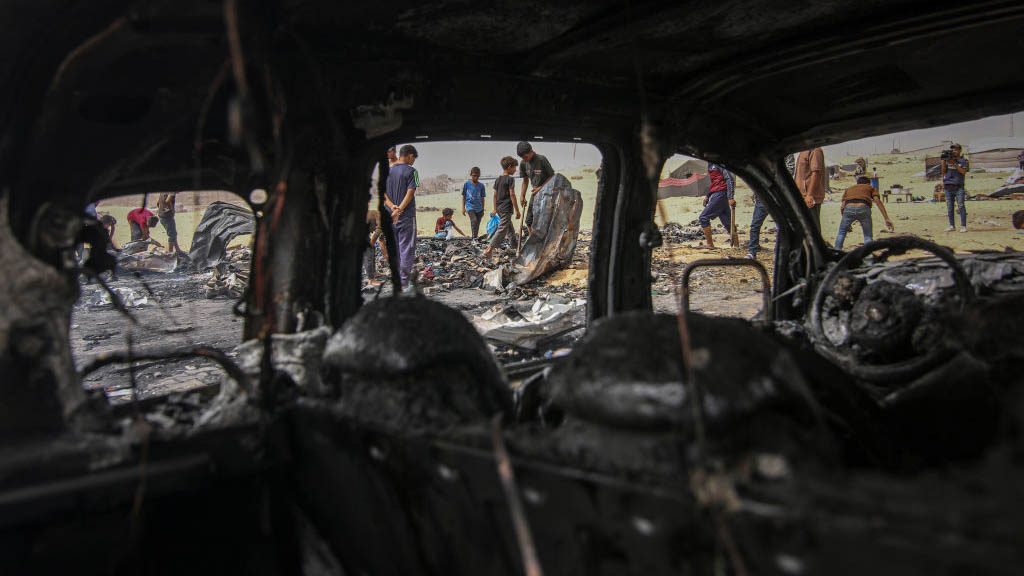
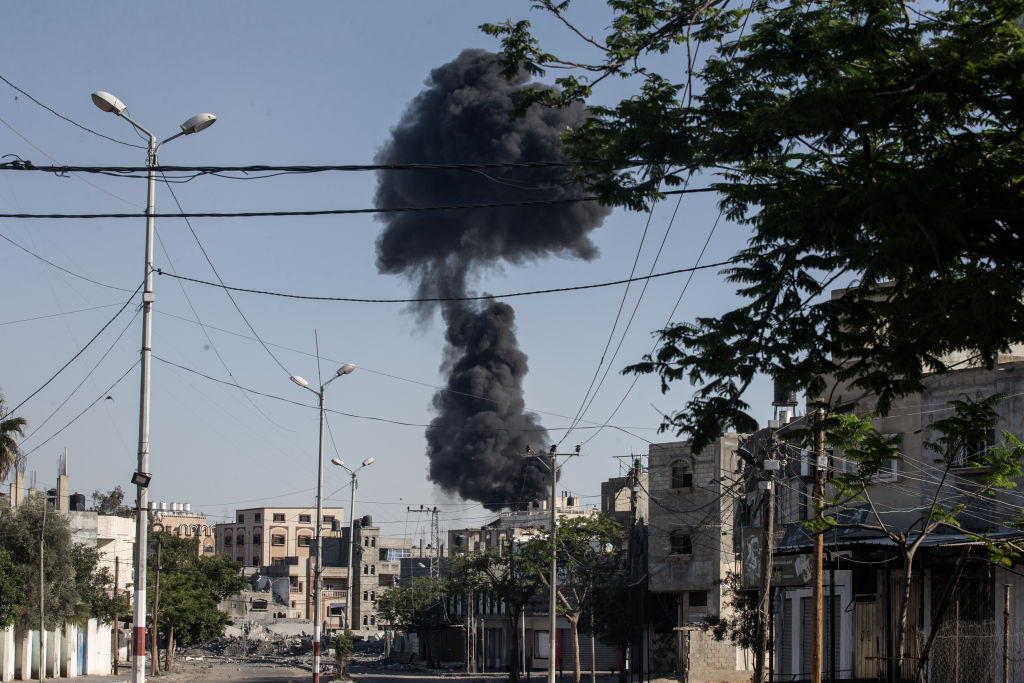
As the ongoing attempts to revive a ceasefire and hostage deal between Israel and Hamas are showing minimal signs of success, Israel is moving forward with its plan for an operation in Rafah, the most southern city in Gaza that borders Egypt. On May 6, the Israeli military issued an evacuation order for more than 200,000 Gazans in the southern-west part of the Gaza Strip.
إعادة الإعمار بعد الكوارث: معالجة مشكلة أمن المياه في درنة بعد عاصفة دانيال
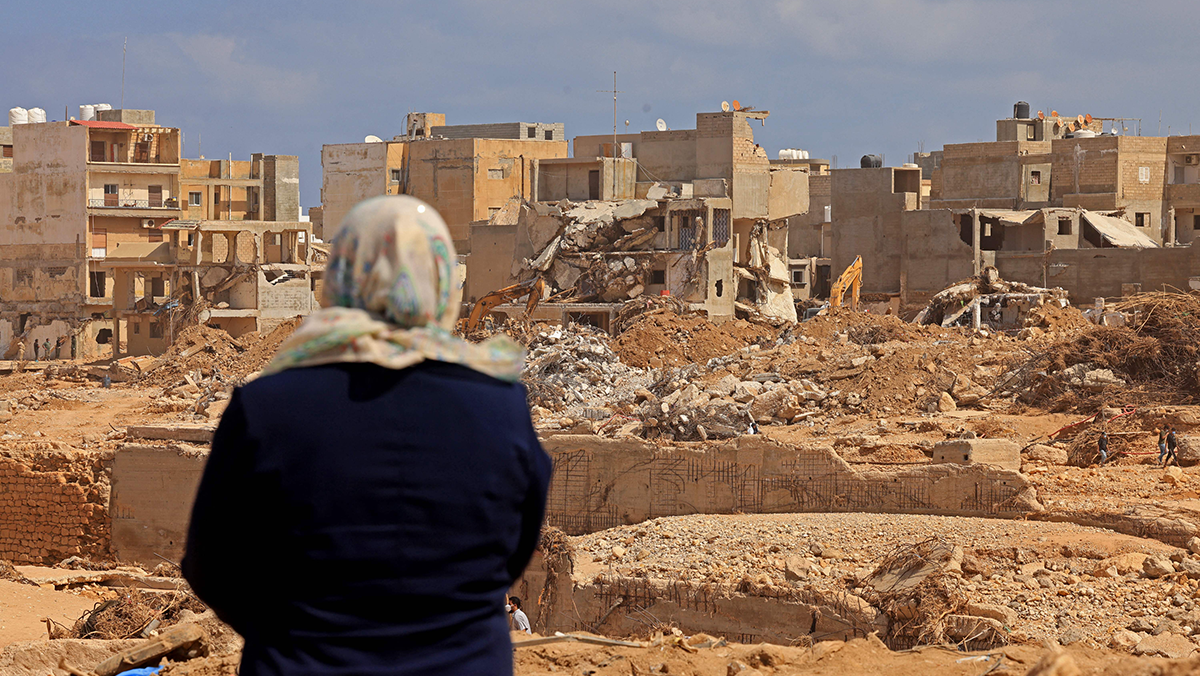
ضربت العاصفة دانيال ليبيا في 10 سبتمبر 2023. وكان الساحل الشمالي الشرقي للبلاد هو الأكثر تضرراً من العاصفة، وخاصة مدينة درنة. تسببت العاصفة في رياح قوية وأمطار غزيرة أدت إلى فيضانات هائلة في جميع أنحاء المدينة، مما أدى إلى جرف أحياء سكنية بأكملها. كان عدد القتلى جراء الفيضانات مذهلاً، حيث قُدر بالآلاف.
Netanyahu Must Choose: Endless War in Gaza or Biden's Remarkable Deal
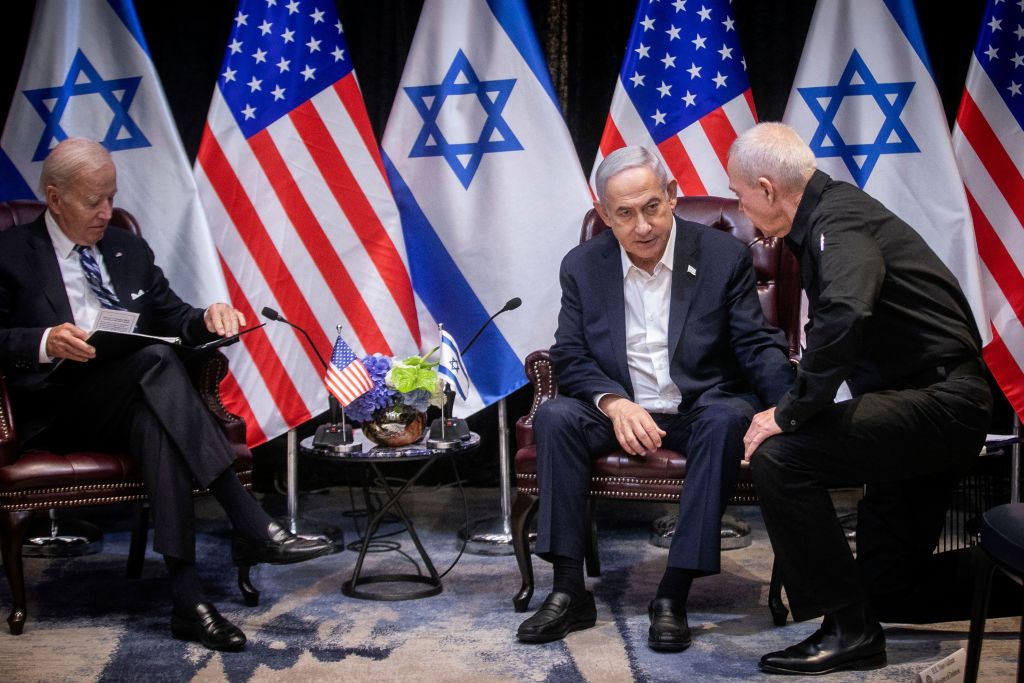
The Biden administration has presented Netanyahu a plan that could potentially defeat Hamas and cinch Saudi normalization with Israel. But Washington is growing impatient with the prime minister’s inaction which threatens to undermine America’s credibility in the region — and Israel’s very future.
This week’s visit by Jake Sullivan, U.S. President Joe Biden’s national security advisor, came at a turbulent. uncertain time both inside Israel’s domestic politics and U.S.-Israel Relations.
Deterrence Reasserted? Debating Iran's Missile Capabilities and Willingness to Use Force
On this week’s episode, David DesRoches and Abdolrasool (Farzam) Divsallar, a Non-Resident Scholar with MEI’s Iran Program, speak to MEI Managing Editor Matthew Czekaj on Iran’s April 13 missile and drone attack on Israel and what it reveals about both countries’ attack and deterrence capabilities.
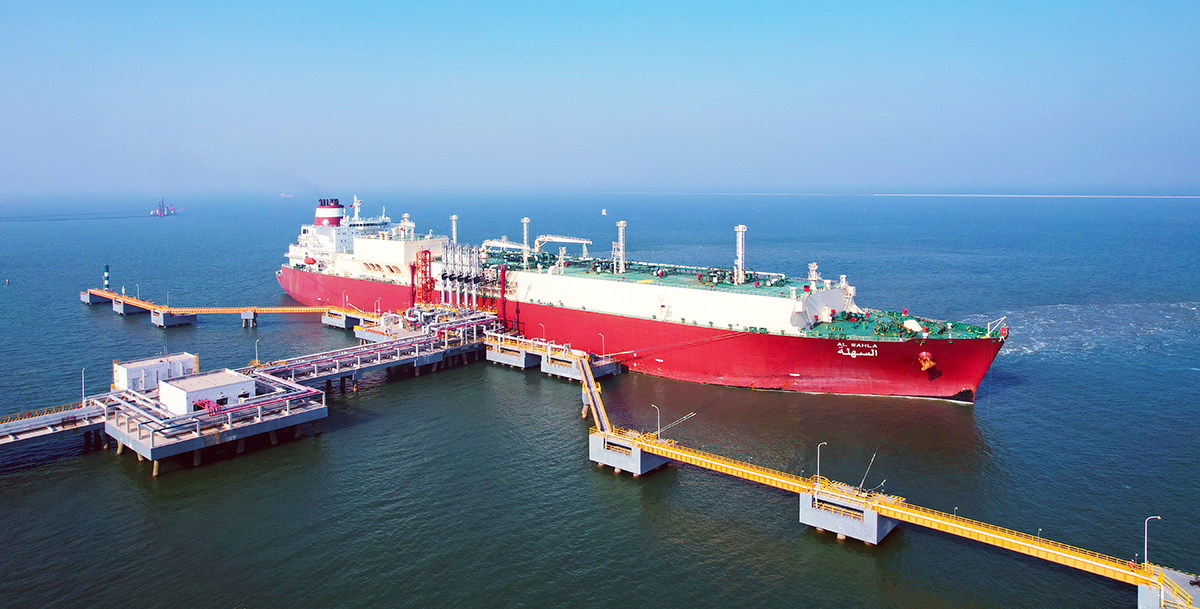
خطط قطر لتوسيع إنتاج الغاز الطبيعي المسال ومسألة فائض العرض في السوق
On Feb. 25, 2024, Qatar announced plans to increase its LNG production capacity by a further 16 million tons per annum (mtpa) in 2029-30, bringing the total to 142 mtpa. This would be the third such large-scale expansion of its LNG production within the next six years, but there’s one wrinkle: These new production volumes are set to come online at a time of significant oversupply in the LNG market. What accounts for Qatar’s decision?
China, the US, and the battle for Middle Eastern technology
The US is changing its approach to dealing with China’s technology statecraft in the Middle East. The recent Microsoft-G42 deal offers a new model for technology competition that helps to secure American technologies while accommodating its partners’ aspirations.