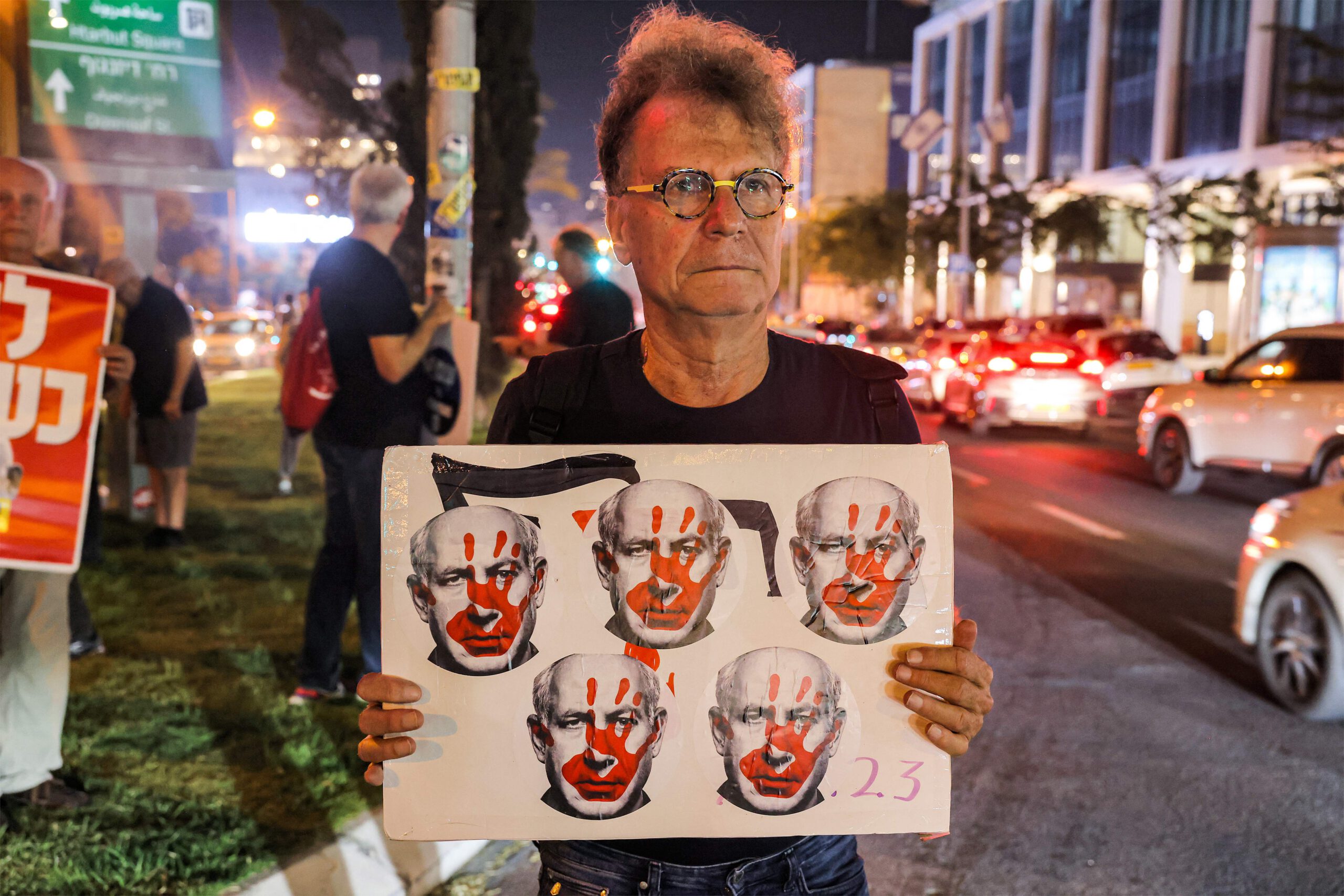
Jean-Pierre Cassarino holds a professorship at the Robert Schuman Center for Advanced Studies (RSCAS/European University Institute, Florence) where he directs the Return migration and Development Platform (http://rsc.eui.eu/RDP/). He is also research associate at the Tunis-based Institut de Recherche sur le Maghreb Contemporain (IRMC). Since the mid-1990s, he has published extensively on international migration, particularly on return migration and has carried out numerous field surveys investigating returnees’ manifold patterns of reintegration. Selected publications include: (ed.) Unbalanced Reciprocities: Cooperation on Readmission in the Euro-Mediterranean Area, The Middle East Institute Press, Washington, 2010; (ed.) “Conditions of Modern Return Migrants”, International Journal on Multicultural Societies, Vol. 10, Issue 2, UNESCO, Paris, 2008; (ed.) Return Migrants to the Maghreb Countries: Reintegration and development challenges, RSCAS, European University Institute, Florence, 2008; Tunisian New Entrepreneurs and their Past Experiences of Migration in Europe: Networks, Resource Mobilisation, and Hidden Disaffection. Ashgate Publishers, Aldershot, 2000. Email: [email protected]
The Latest from Jean-Pierre Cassarino

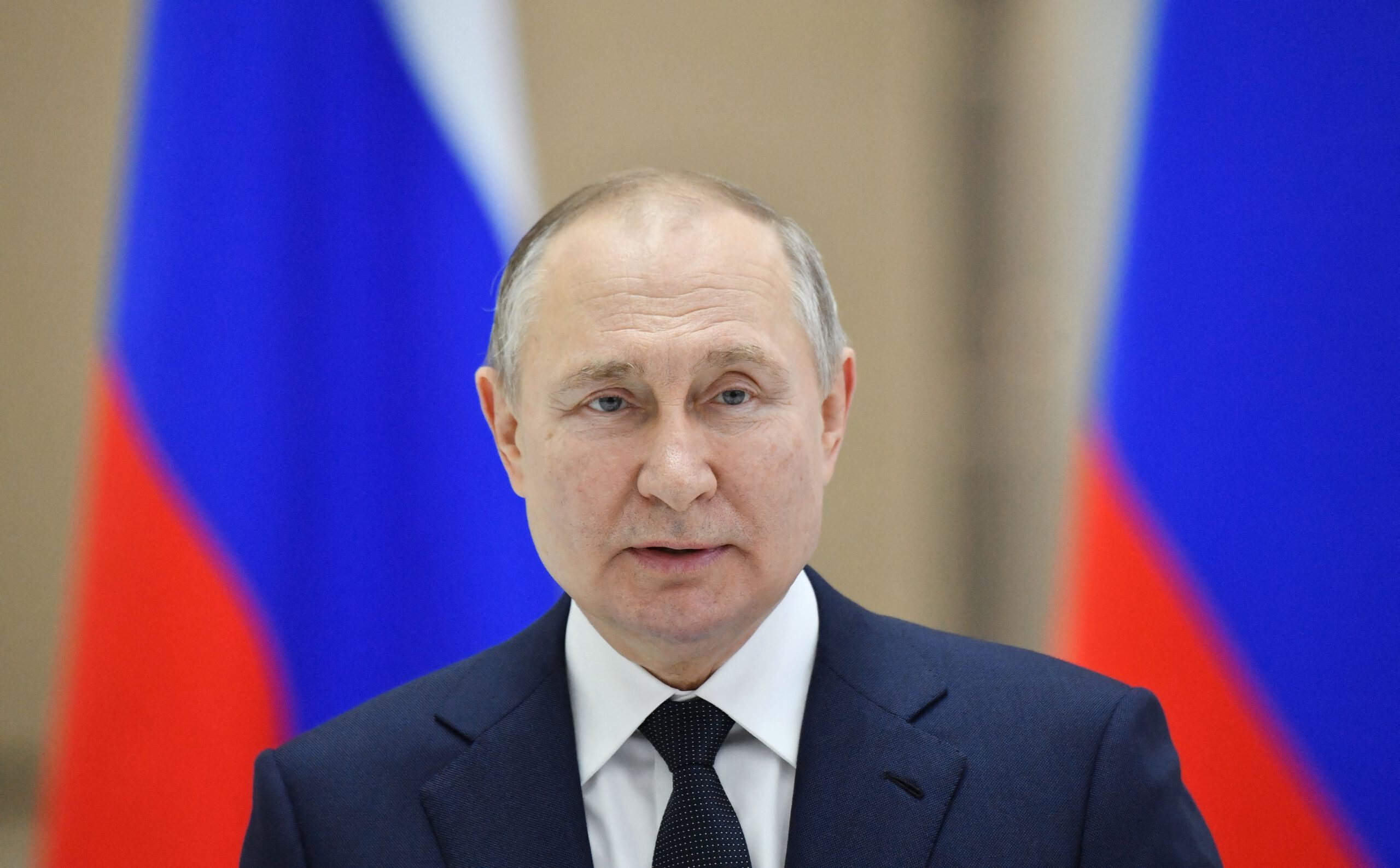
Opinion: Wake up, West! Putin can gain upper hand in Ukraine in ‘24 if we do nothing
The European Union just approved membership talks with Kyiv; that’s symbolically important.
But the EU’s postponement of critical military assistance is an alarm bell.
NATO Secretary General Jens Stoltenberg says to prepare for bad news this winter.
German Chancellor Olaf Scholz suggests support for Ukraine may be crumbling across Europe.
And there’s faltering confidence in America, as Europeans are beginning to ask whether the strategic interests of the United States end at its border with Mexico.
How did we get here?
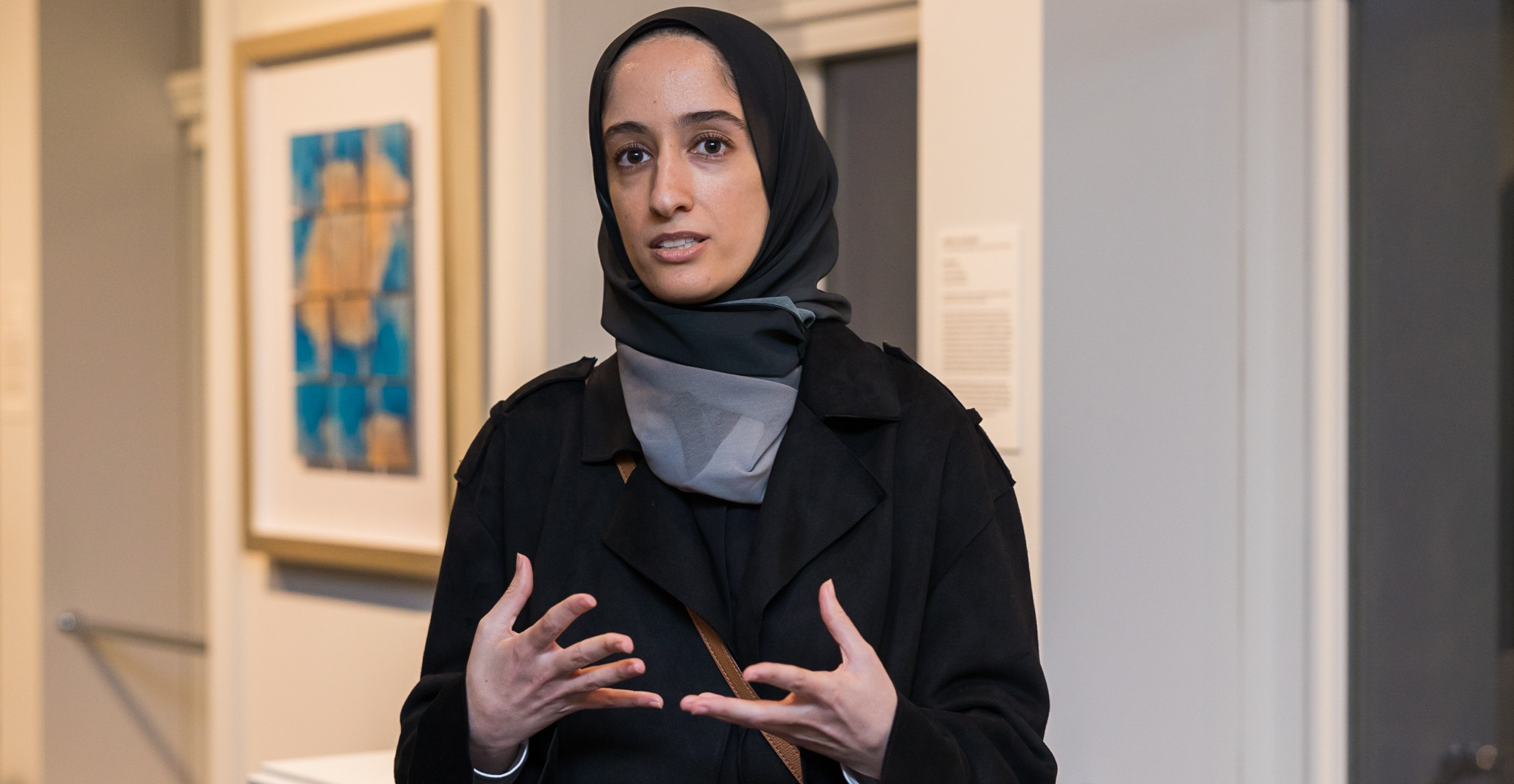
Shifting Tides: Environment, History, and Culture Shape the Work of Bahraini Artists
تُترجم كلمة "البحرين" حرفياً إلى "أرض البحرين"، في إشارة إلى مصدرين للمياه داخل الجزيرة وحولها: الينابيع الأرضية والبحرية العذبة، والمياه المالحة المحيطة بالمحيطات. لعبت المياه دوراً محورياً في تاريخ هذه الدولة الجزرية الخليجية، وكان لها تأثير كبير على أعمال الفنانين البحرينيين، إلى جانب المناظر الطبيعية الفريدة والبيئة الطبيعية للبلاد، فضلاً عن تأثير التنمية الاقتصادية والحضرية السريعة.
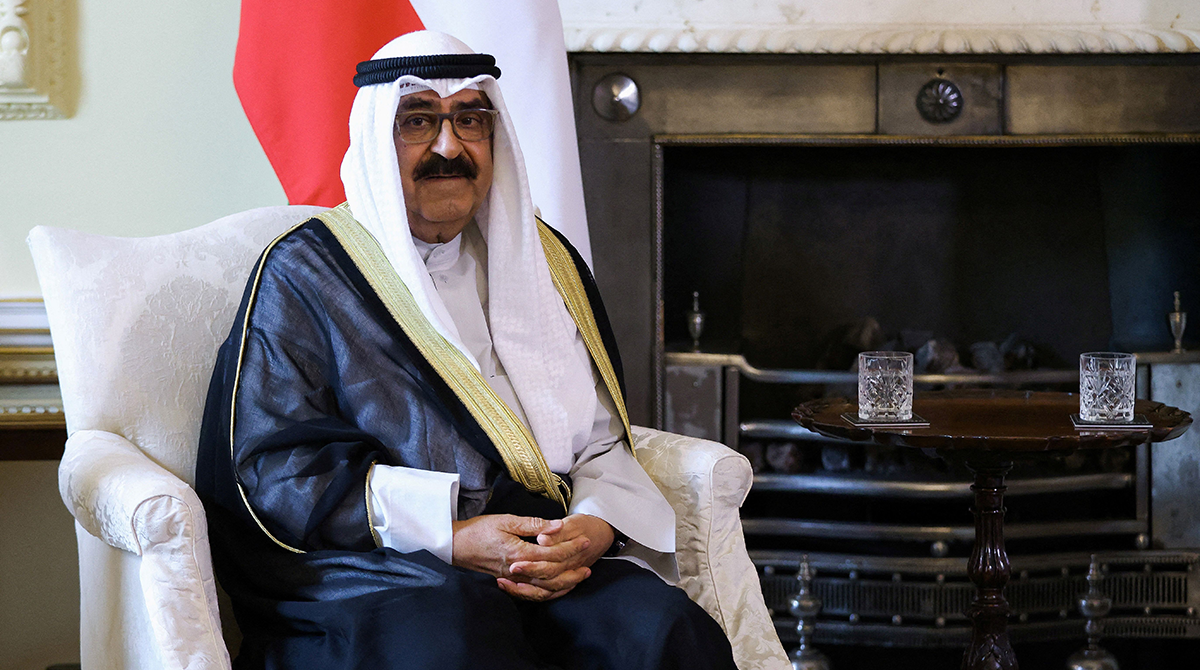
Following emir’s death, Sheikh Mishal Al Sabah named Kuwait’s new ruler, signaling continuity
Sheikh Mishal al-Ahmad al-Jaber Al Sabah, Kuwait’s 83-year-old crown prince and half-brother of the late emir, was named to replace Sheikh Nawaf immediately following news of his death on Dec. 16.
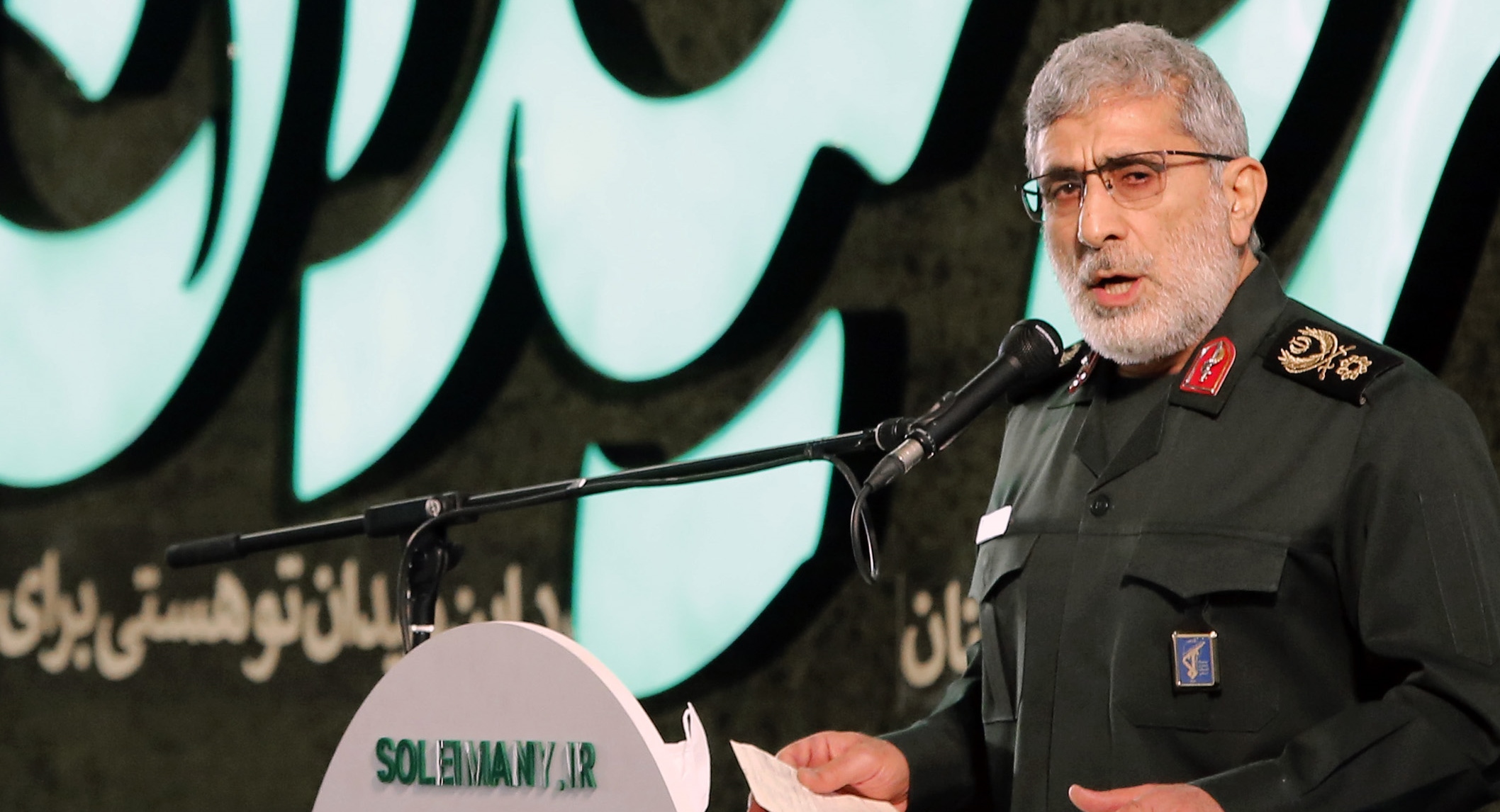
Soleimani birthed Iran’s Axis of Resistance, Ghaani coordinated it
Iranian strategy in the Middle East has long centered on nurturing regional proxies and partners — a so-called “Axis of Resistance” — to mount an existential threat to Israel by encircling it in a ring of fire. The bloody war between Israel and Hamas sparked by the latter’s Oct. 7 massacre is the first large-scale implementation of this Axis of Resistance doctrine. Quds Force commander Esmail Ghaani’s lasting contribution will be the network’s entry into the battlefield in a comprehensive and coordinated manner.
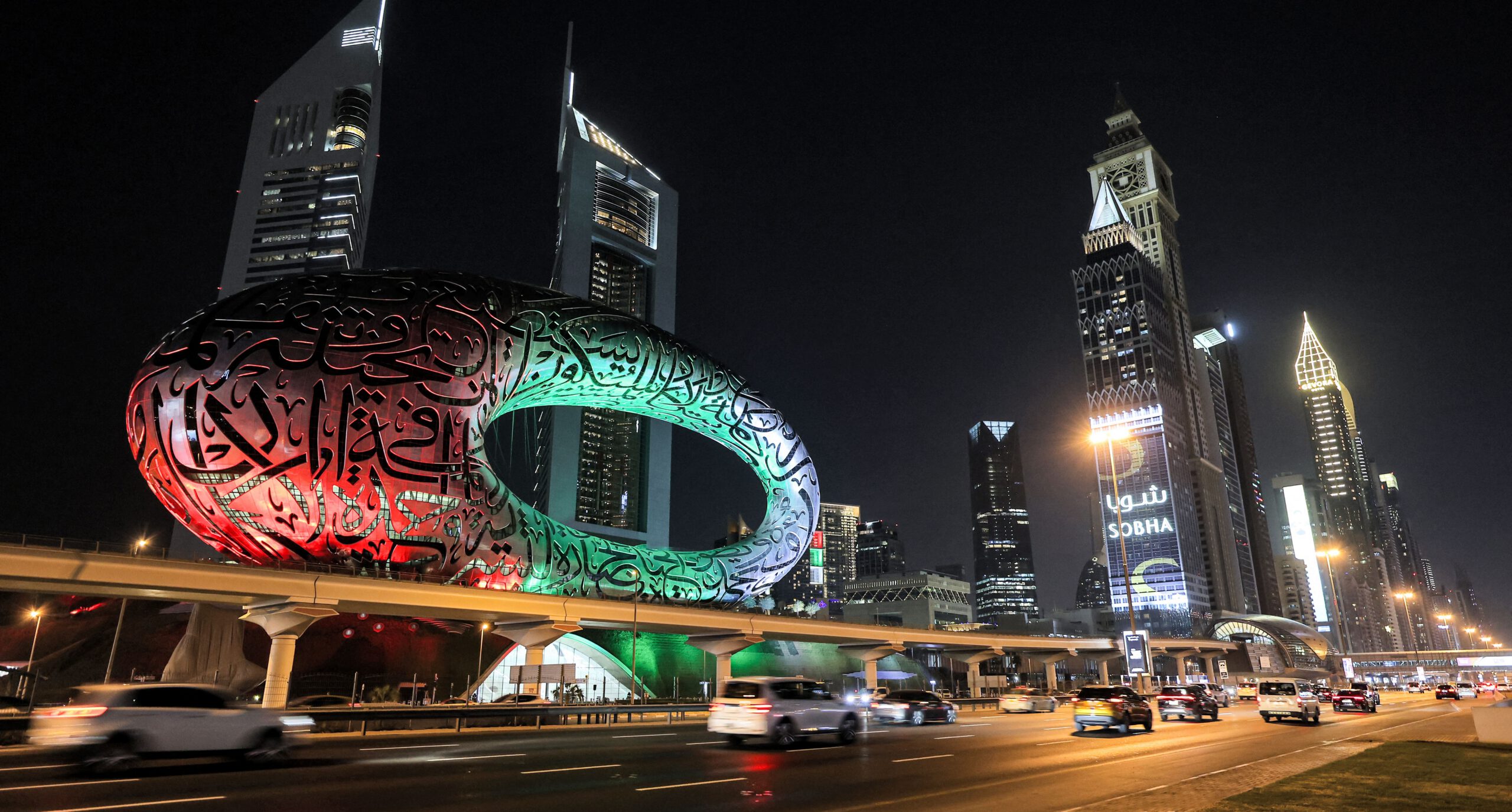
Reflections on the Dubai Future Forum 2023
Two weeks ago, I had the privilege of joining more than 800 fellow futurists, and another 1,500 “futures-adjacent” collaborators, from over 100 countries at the second annual forum convened by the Dubai Future Foundation. Arriving with high expectations, I left even more enthused than I’d anticipated, and with invaluable new learning from those around me.
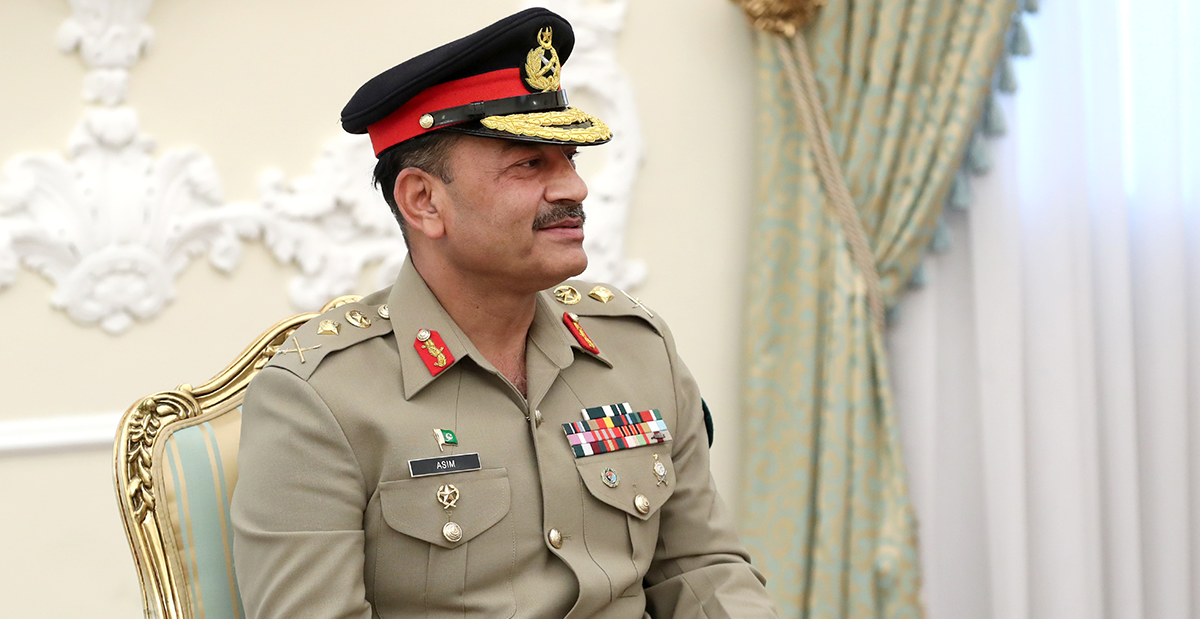
Pakistan’s military and foreign policy under Gen. Asim Munir
Gen. Qamar Javed Bajwa orchestrated a paradigm shift in Pakistan’s traditional geostrategic focus, transitioning from geopolitics to geoeconomics. His successor, Gen. Asim Munir, in command of Pakistan’s military for the past year, now faces the challenging task of turning Gen. Bajwa’s unrealized vision into a reality, a goal that requires cultivating positive interdependence and multi-alignment with a diverse range of partners, while also ensuring domestic stability.

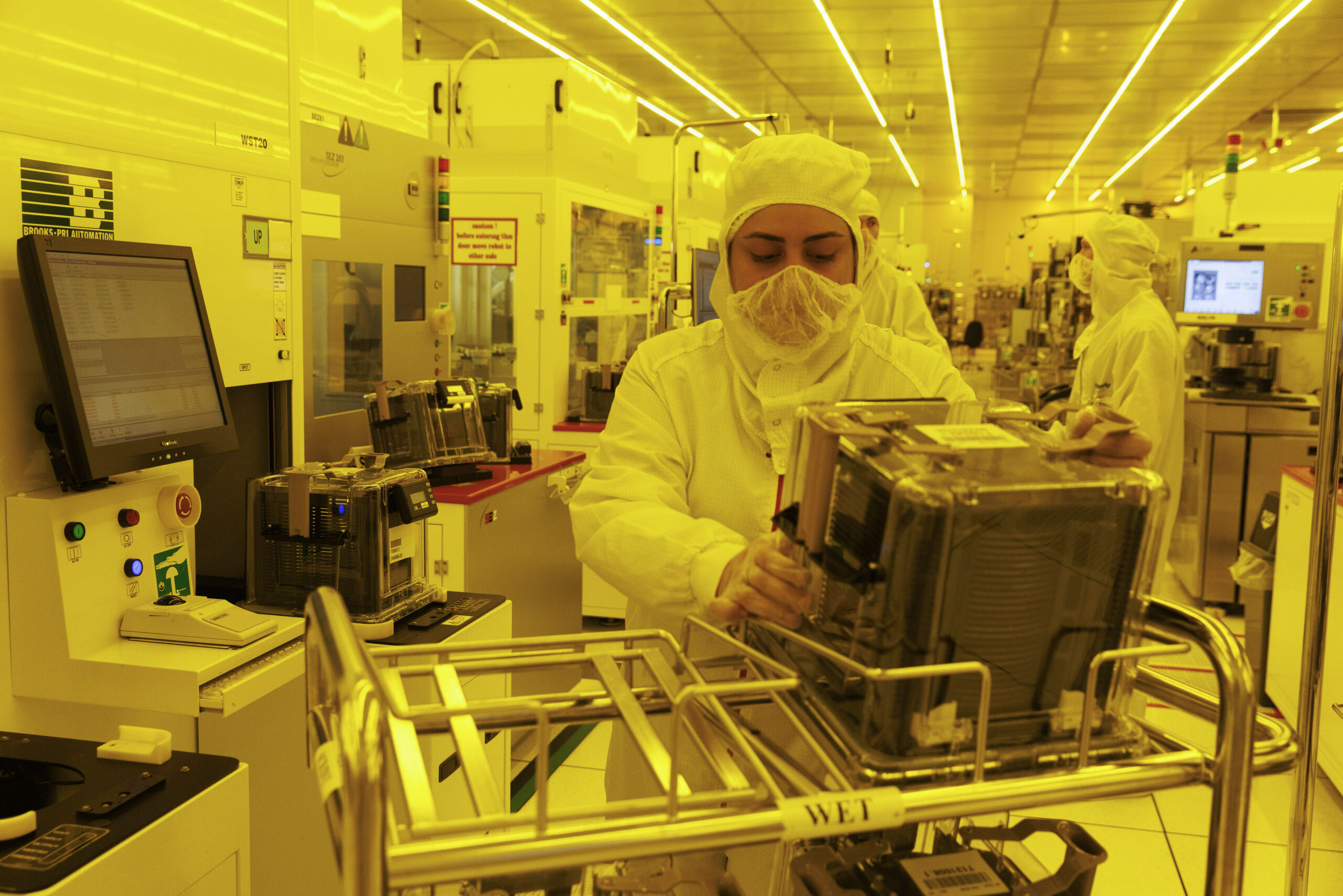
The Middle East and Navigating the U.S.-China Tech Cold War
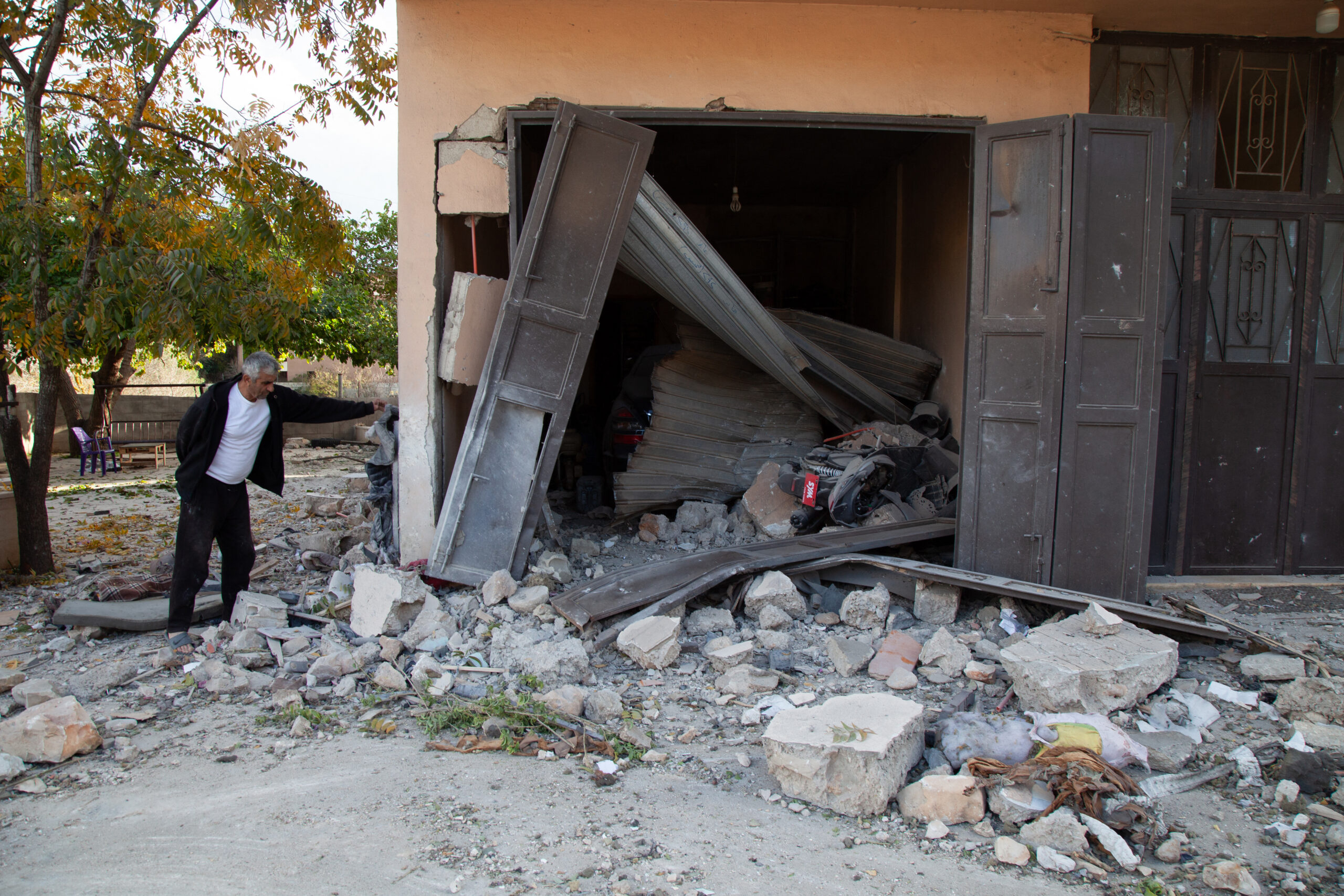
Why Lebanon Matters and Innovative Solutions for Sustainable Change
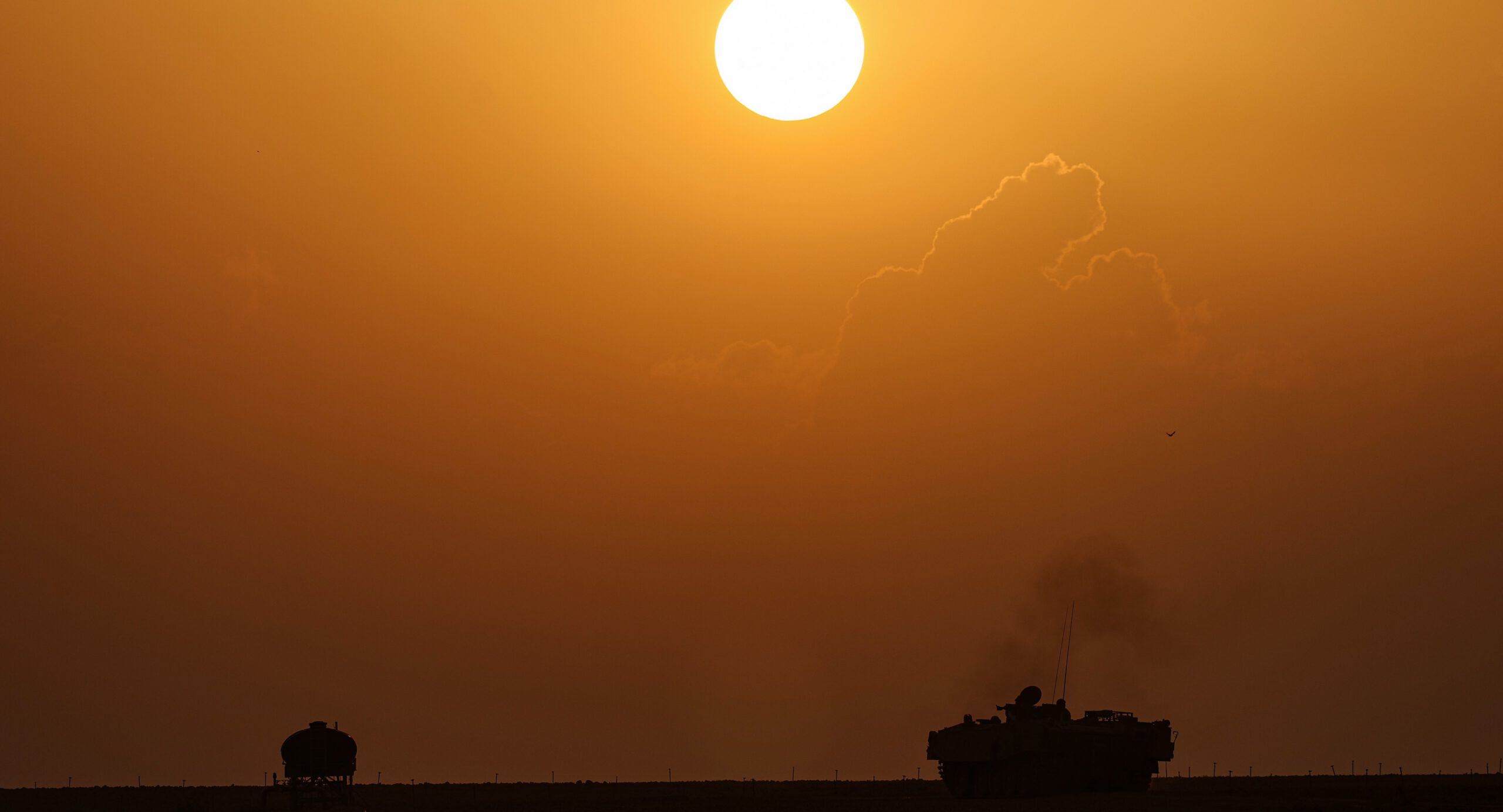
Conflict, competition, and containment will shape the contours of the MENA region in 2024
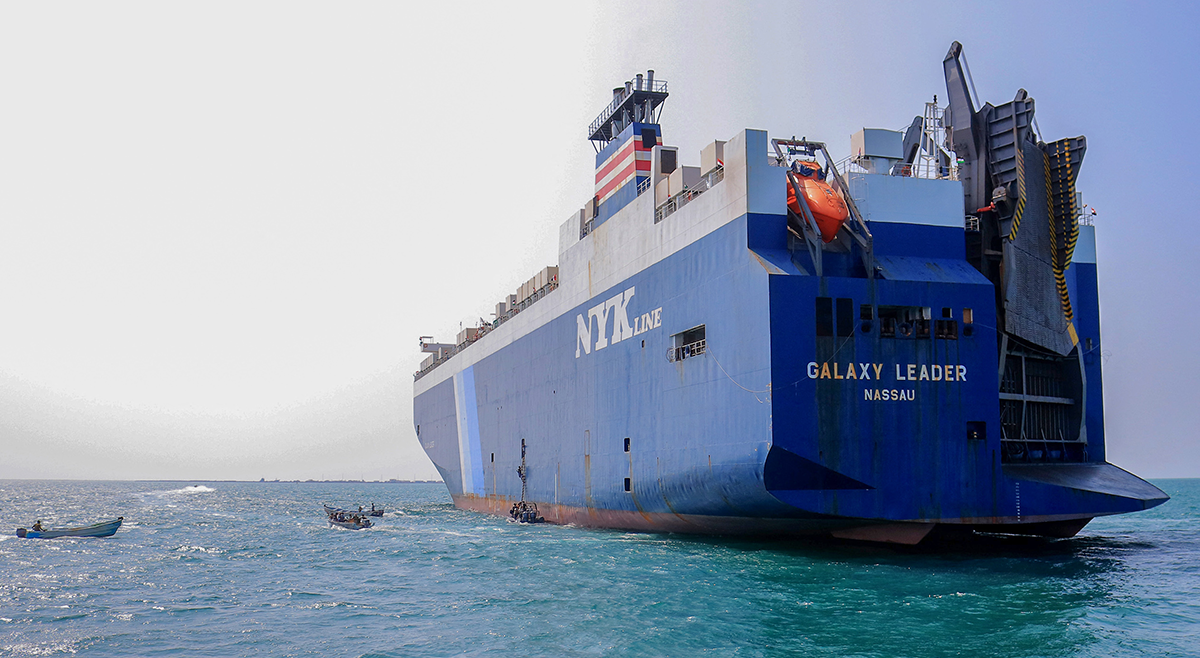
Gaza war hasn’t halted de-escalation efforts in Yemen
Over the past two months, the Houthi rebels in Yemen have launched missiles and drones into Israel, attacked several commercial ships in the Red Sea, and threatened to block all ships sailing to Israel, regardless of nationality, until Gaza receives humanitarian aid. In the Gulf, there is a growing fear that the situation could constrain ongoing de-escalation talks between Riyadh, the Republic of Yemen Government, and the Houthis, or even take them back to square one were conflict dynamics to escalate.

Transformational implications of moving toward smart cities in the Gulf
As Gulf nations embrace the opportunities presented by developing smart cities, challenges such as cybersecurity and infrastructure sustainability must be addressed through strategic policies and trusted partnerships to ensure a secure and sustainable digital transition.