This individual is a guest contributor. MEI is not able to assist with contact requests.
Khaled Elgindy is a former senior fellow and director of MEI’s Program on Palestine and Israeli-Palestinian Affairs.
He is the author of the book, Blind Spot: America and the Palestinians, from Balfour to Trump, published by Brookings Institution Press in April 2019. Elgindy previously served as a fellow in the Foreign Policy program at the Brookings Institution from 2010 through 2018. Prior to arriving at Brookings, he served as an adviser to the Palestinian leadership in Ramallah on permanent status negotiations with Israel from 2004 to 2009, and was a key participant in the Annapolis negotiations of 2007-08. Elgindy is also an adjunct instructor in Arab Studies at Georgetown University.
Khaled’s writings have appeared in a wide range of publications, including The Christian Science Monitor, CNN.com, Foreign Affairs, Foreign Policy, The Los Angeles Times, The National Interest, The Washington Quarterly, and others. He is frequently quoted in The New York Times, The Washington Post, The Los Angeles Times, The Hill, Politico, and other print media, and is a regular commentator on TV and radio, including Al Jazeera, BBC, CNN, Fox News, MSNBC, NPR, PBS Newshour and others.
Dehumanization, lack of empathy for Palestinians is alarming—and dangerous
The scale and brutality of Hamas’s grisly attack on Israel last Saturday has understandably triggered a massive outpouring of sympathy and solidarity with Israel. And yet, there has been no similar outpouring of sympathy for Palestinians, who are now also dying in disturbingly large numbers.
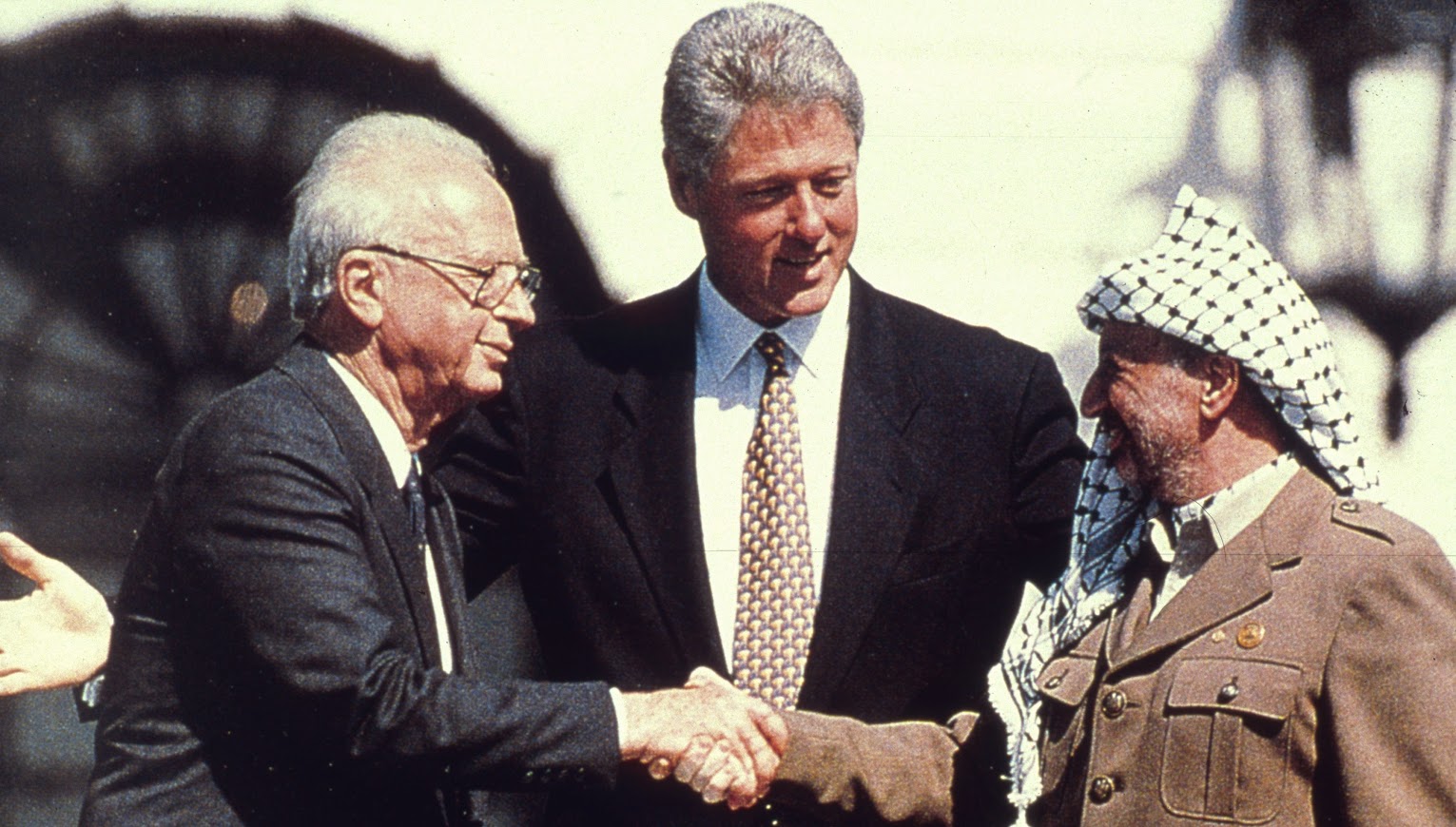
Thirty years on since its historic signing, the Oslo Accords framework continues to define virtually all aspects of Israeli-Palestinian relations as well as America’s and the broader international community’s approach to the peace process. Yet Oslo’s extraordinary longevity stands not as a testament to its utility but to its unmitigated and ongoing failure.
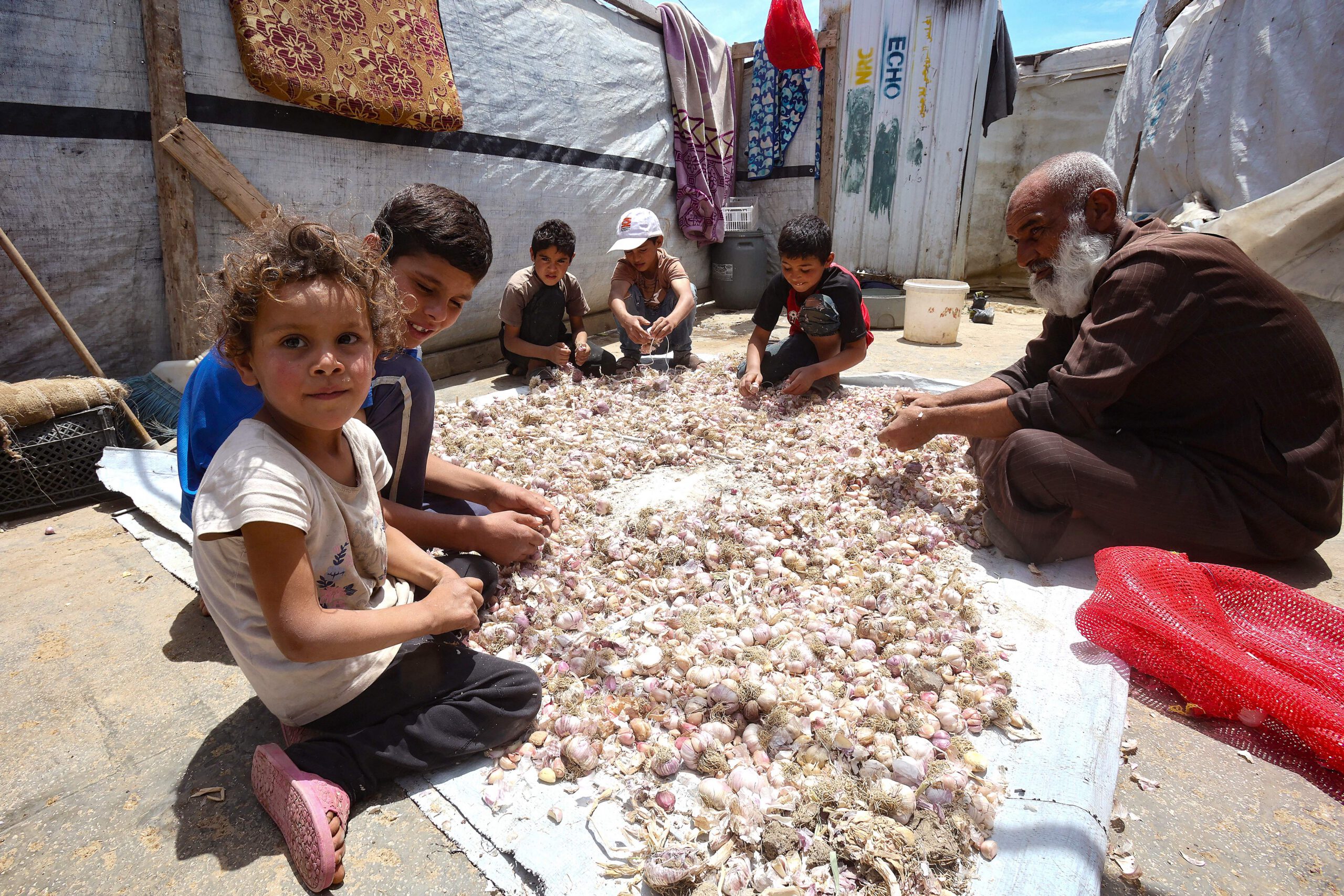
One wouldn’t know it from the headlines, but the next violent eruption in the Gaza Strip may be just around the corner. As most of Washington remains mired in its traditional August doldrums, yet another a potential crisis is brewing in the already isolated and impoverished Gaza Strip.
No real winners, only losers, following Israeli assault on Jenin
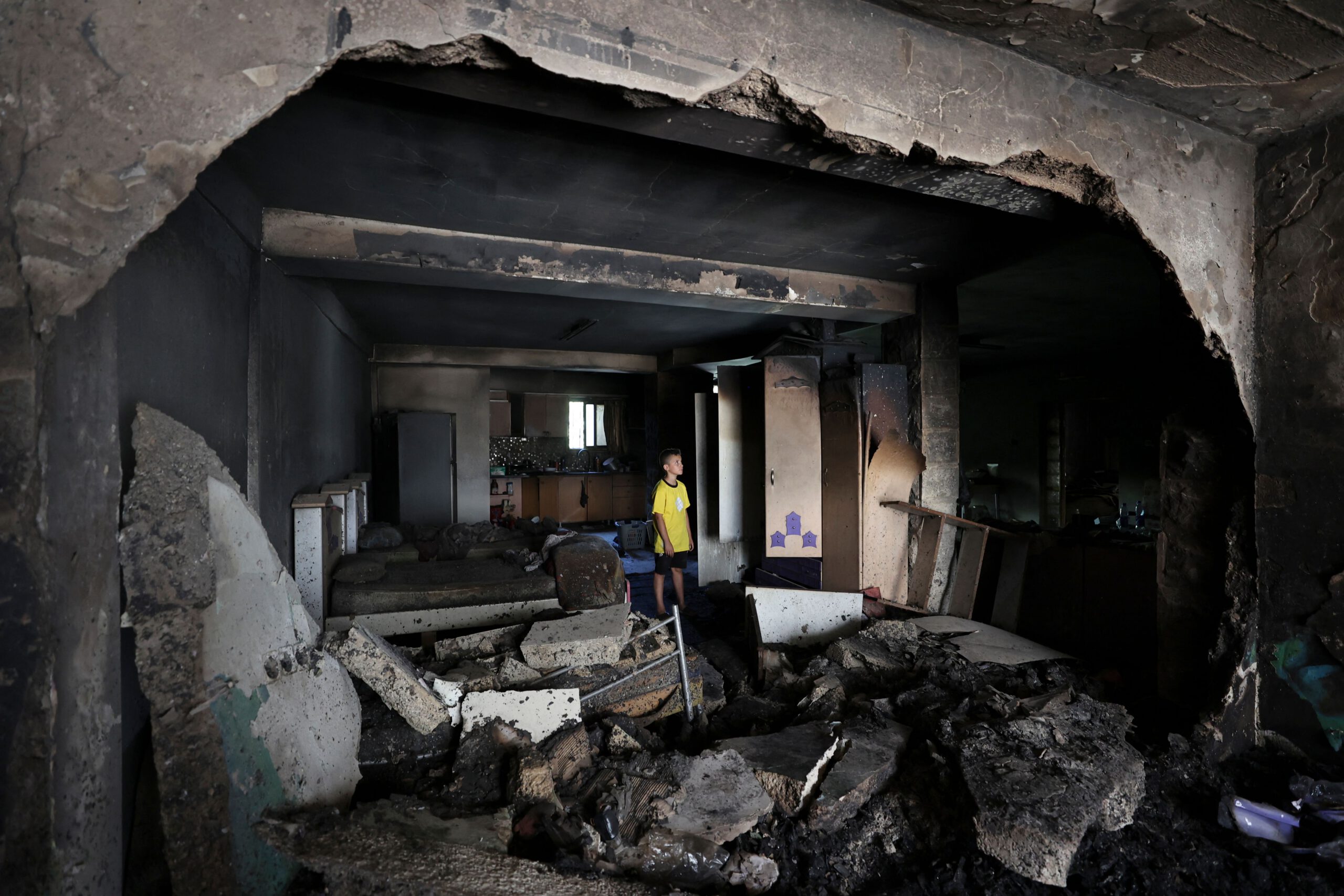
In the wake of Israel’s deadly assault on the Jenin refugee camp, the largest military operation in the West Bank in nearly two decades, Israeli military officials have been quick to declare victory. But contrary to such bluster, the attack produced no real winners and only losers.
Putting Diplomacy First in the Middle East: Creating Incentives for De-Escalation
The Middle East is undergoing a historic transformation with unprecedented opportunities to build new relationships, de-escalate tensions, and foster conditions for stronger integration. At the same time, the region remains on edge because of ongoing tensions in Yemen, Syria, Iraq, and other conflict zones, a civil war that broke out recently in Sudan, along with the overarching challenges presented by fraught relations between Iran, Israel, and several Arab Gulf countries — with the longer-term implications of the still-fragile Iranian-Saudi rapprochement yet to be fully assessed.
Surge in West Bank violence further undercuts Abbas’s precarious leadership
In addition to the terrible human and material toll, among the many casualties of the ongoing Israeli offensive in the West Bank is Palestinian Authority (PA) President Mahmoud Abbas’s leadership. Without outside intervention, Israel’s violent military crackdown is likely to fuel more violence while further undercutting Abbas’s already embattled leadership and whatever may be left of the PA’s domestic credibility.