Ragui Assaad is Professor at the Humphrey Institute of Public Affairs at the University of Minnesota. He has written extensively on labor market and youth issues in the Middle East and North Africa. The author acknowledges the able research assistance of Stefan Johansson in the preparation of this essay.
The Latest from Ragui Assaad
المنشورات السياسية والحركة الديمقراطية في اليمن
تعكس المنشورات السياسية التي تحتفظ بها مكتبة عمان لحظة مفصلية في التاريخ اليمني، في الوقت الذي خضعت فيه اليمن لإصلاح اجتماعي وسياسي كبير ناتج عن الوحدة اليمنية في مايو ١٩٩٠، والتي وحدت شمال اليمن وجنوبه.
Political Ephemera Serves as Unique Window Into 1990s Yemen
The collection of political documents held by the Oman Library reflects a watershed moment in Yemeni history, at a time when Yemen underwent substantial social and political reform as a result of Yemeni unification in May 1990, which merged North and South Yemen.
Saudi Arabia’s international natural gas aspirations
Saudi Aramco seeks to enter the global gas business again. The company aims to build new business opportunities in the hydrogen and CCS sectors utilizing forecasted new domestic gas production. Its main challenges are long-term consistent commodity-cycle-insulated investment and domestic gas resources.
Jordan is walking a diplomatic tightrope on Russia’s invasion of Ukraine
In spite of Jordan’s close ties to the United States and Europe, Amman has found itself walking a diplomatic tightrope in the wake of Russia’s invasion of neighboring Ukraine in late February.
The keys to reading the UAE’s strategic map
Some observers have been perplexed by perceived changes in the UAE’s foreign policy on a number of fronts. These supposed changes, however, are more consistent than they may first appear and certainly do not reflect the wider strategic direction of the UAE. These policy moves can be better understood through three “keys” that explain the UAE’s strategic map and its international engagement.
US-Gulf Relations at the Crossroads: Time for a Recalibration
The global response to Russia’s invasion of Ukraine has focused new attention on friction between the United States and its traditional partners in the Gulf and reinforced skepticism regarding the United States’ status as the dominant international partner in the region. It’s time for both sides to identify a realistic way forward that sheds outdated notions of mutual obligation without becoming merely transactional.
How Biden can rebuild U.S. ties with the Gulf states
As tensions between the United States and the Gulf monarchies have been laid bare in recent weeks against the backdrop of Russia’s war in Ukraine, spiraling energy prices, and Houthi attacks on Saudi and Emirati territory, it’s clear that there will not be a return to the U.S.-Gulf partnership of the past—but there can be a new understanding between the two sides.
Monday Briefing: Pakistan seems headed toward a deepening political crisis
Read MEI’s weekly briefing featuring expert analysis of key regional developments for the week ahead.
What does Russia’s war in Ukraine mean for Iraq?
Iraq has refrained from taking a firm position on the war and political opinion on Russia’s conduct is divided along partisan and factional lines. The imposition of sanctions against Russia has complicated its energy investments in Iraq and prospective arms purchases from Moscow and could have a long-lasting adverse impact on the Iraqi economy.
The Taliban: Unrecognized and unrepentant
Despite expectations that China, Russia, and other states would try to exploit the Western military departure from Afghanistan, the Taliban’s regime remains unrecognized by any other government. Neighboring countries have not gone beyond limited diplomatic engagement, economic detachment, and security containment.
The Parallels of Ukraine and Syria
Iulia-Sabina Joja and Charles Lister discuss the parallels between the wars in Ukraine and Syria, the similarities of Russia’s tactics in both conflicts, and what the recent history in Syria may signal for Ukraine in the months ahead.
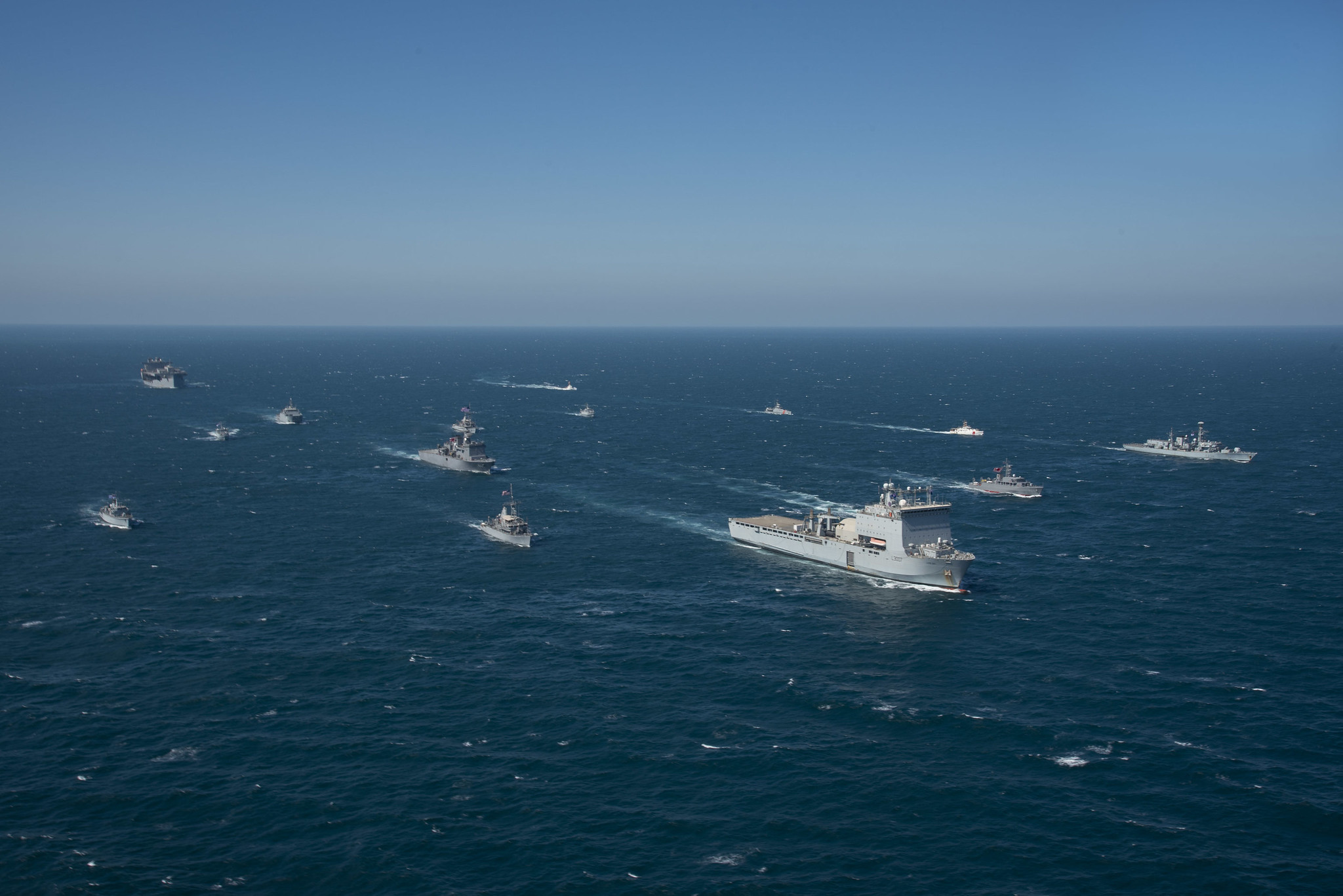
Russia’s Invasion of Ukraine and Implications for Black Sea Security
Syria’s Education Crisis: A Sustainable Approach After 11 Years of Conflict
Education in Syria faces major disruptions amid the ongoing humanitarian catastrophe. Failure by international governments to act urgently endangers the prospects of stabilizing Syria and facilitating recovery.
Gulf oil producers feel vindicated, but don’t expect them to turn on Russia
The war in Ukraine has brought back to the forefront the conversation about the need for new investments in oil and gas for the foreseeable future. As the calls multiply for Gulf producers to step in and fill the gap in gas and oil supplies as Russia faces sanctions, producers now feel vindicated after being shunned, and even targeted, at the COP26 in Glasgow last year.