تمت ترجمة هذا النص بواسطة الذكاء الاصطناعي وقد يحتوي على أخطاء.
تخطي إلى المحتوى

Sara Sadek

Affiliated Researcher and Coordinator

الخبرة

Egypt, Iraq, Sudan

This individual is a guest contributor. MEI is not able to assist with contact requests.

Sara Sadek is an affiliated researcher and coordinator at the Center for Migration and Refugee Studies (CMRS) at the American University in Cairo. She obtained an MA in Refugee Studies from the University of East London. Since 2005, she has worked on  various research projects on Iraqi and Sudanese communities in Egypt, contributing to a report on Iraqis in Egypt and recently producing a paper on challenges of  integration for Iraqis in Arab states for the Henry L. Stimson Center’s forthcoming volume Transnational Challenges.

The Latest from Sara Sadek

تصفية حسب
9994 Results
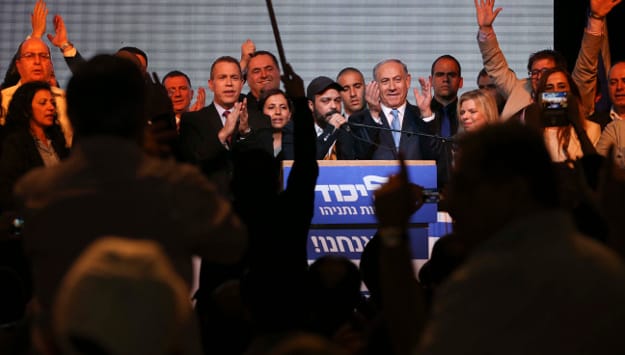
Israel in 2020: Heading for yet another election
Israel's Prime Minister Benjamin Netanyahu attends the weekly cabinet meeting in Jerusalem on January 5, 2020.
  • تعليق
  • Israel in 2020: Heading for yet another election

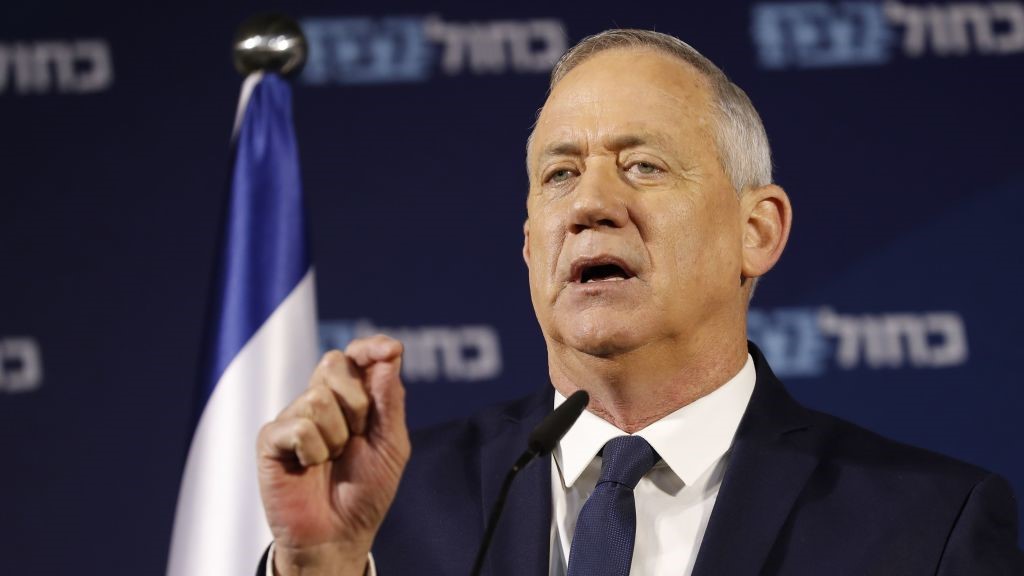
    Politically Netanyahu seems to be about as popular as before his long-awaited indictment, which portends another inconclusive election and a political system unable to break the deadlock.

    January 6, 2020

    Stalemate and violence in Israel-Palestine
    Palestinians wave national flags as they march in the streets of the occupied West Bank city of Ramallah, calling for the cessation of divisions between Fatah and Hamas and the unification of the West Bank and Gaza Strip, on January 12, 2019.
  • تعليق
  • Stalemate and violence in Israel-Palestine

    Holding long overdue elections for the Palestinian presidency and the legislative arm of the Palestinian Authority could be a step toward redressing the Fatah-Hamas conflict.

    January 6, 2020

    How we planted the seeds of war with Iran: Decisions made in Washington brought us to this fateful moment
  • التحليل
  • How we planted the seeds of war with Iran: Decisions made in Washington brought us to this fateful moment

    For almost 40 years, American national security officials have looked down the barrel of the gun of war with Iran. I sat in rooms in the White House and Pentagon several times as small groups of senior officials considered what such a war would look like, how it would end, and whether we would be better off for having fought it.

    The answer was always the same: It would be highly destructive in several nations, it would end in a stalemate with the Iranian regime in place, and nothing positive would have been accomplished.

    January 5, 2020

    With Soleimani’s death, war is coming
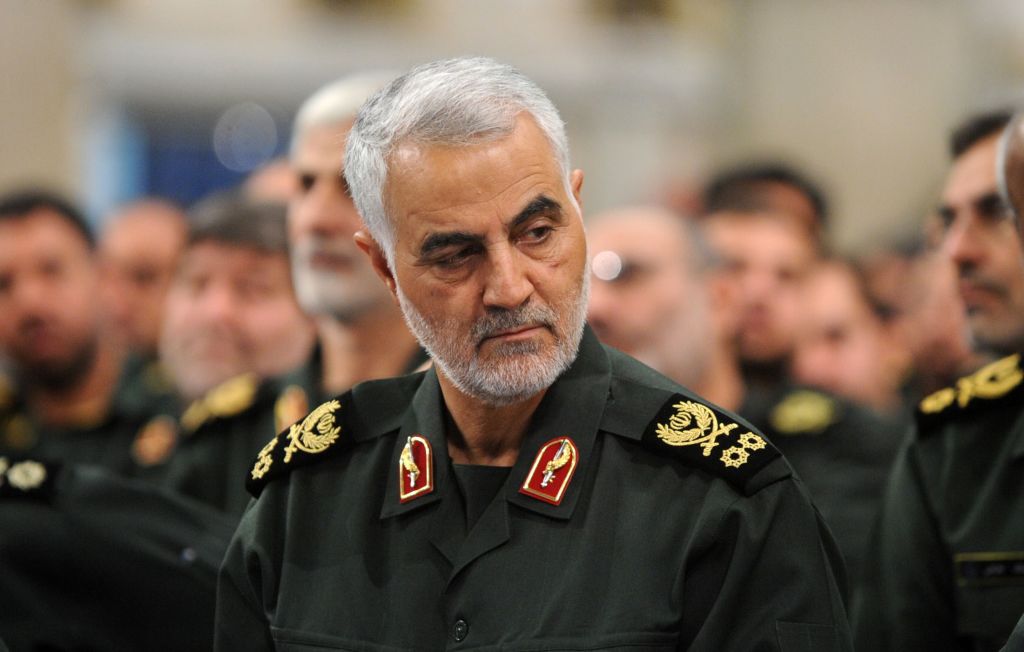
    Iranian Quds Force commander Qassem Soleimani (C) attends Iranian supreme leader Ayatollah Ali Khamenei's meeting with the Islamic Revolution Guards Corps (IRGC) in Tehran, Iran on September 18, 2016.
  • تعليق
  • With Soleimani’s death, war is coming

    The killing of Qassem Soleimani is one of the biggest developments in the Middle East in decades — it far eclipses the deaths of Osama bin Laden or Abu Bakr al-Baghdadi in terms of strategic significance and implications.

    Why now?
    US President Donald Trump makes a statement on Iran at the Mar-a-Lago estate in Palm Beach Florida, on January 3, 2020.
  • تعليق
  • Why now?

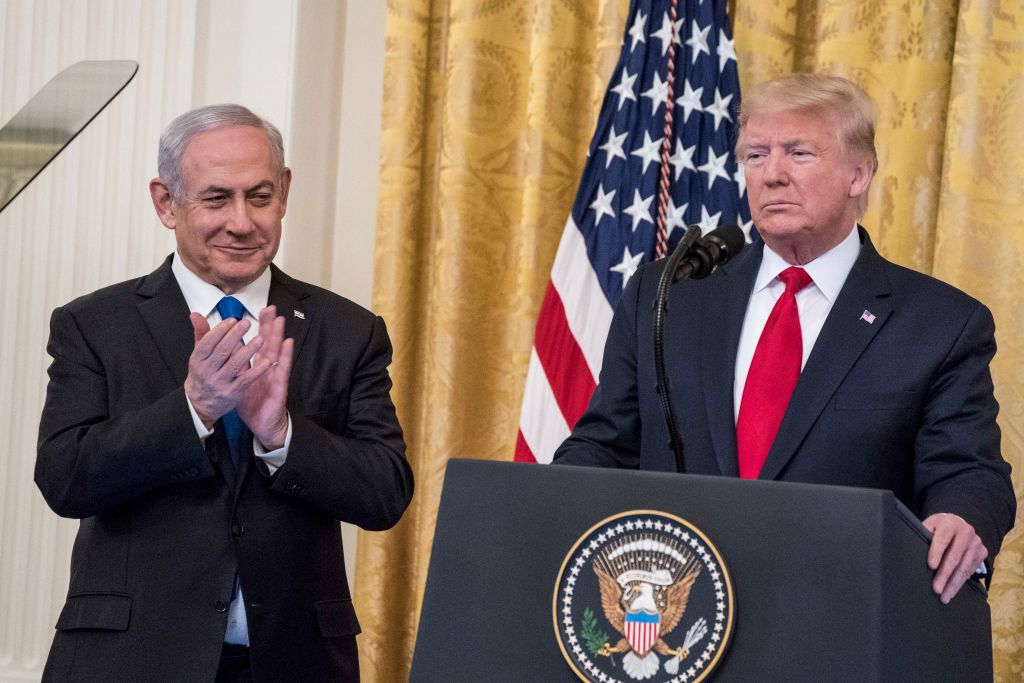
    Just when we thought we had a good understanding of President Donald Trump’s Middle East policy — which boils down to “get out of the region and avoid another endless war there” — he pulls off something dramatic like this.

    January 3, 2020

    A new escalation in the US-Iran crisis
    People gather to stage a protest against the killing of Iranian Revolutionary Guards' Quds Force commander Qasem Soleimani by a US air strike in the Iraqi capital Baghdad, after Friday prayer in Tehran, Iran on January 3, 2020.
  • تعليق
  • A new escalation in the US-Iran crisis

    We must keep in mind that Iran exercises what Barack Obama liked to call “strategic patience.” They pursue strategies and tactics that serve their interests, not emotions. Their interests remain to get Trump to ease off on crippling economic sanctions; to maintain or increase their influence in Iraq, Syria, and Lebanon; and to maintain regime security at home. The death of a senior military officer of theirs is significant but doesn’t change their institutional relations, their interests, or their overall strategy. 

    January 3, 2020

    US airstrike prompts widespread Iraqi criticism
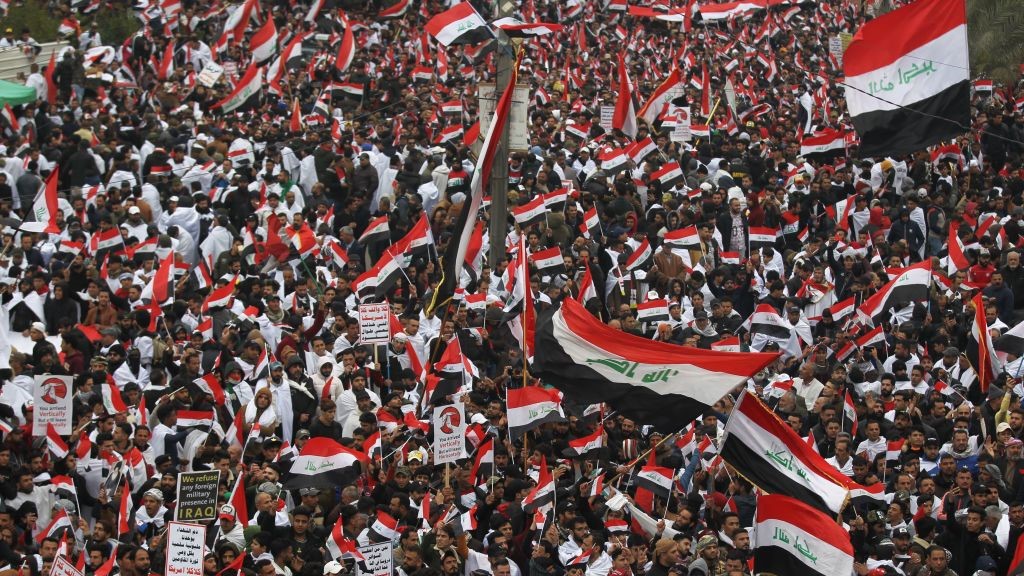
    Supporters of the predominantly Shia Muslim Popular Mobilization Forces (PMF) gather with flags and posters of the PMF deputy head Abu Mahdi al-Muhandis during an anti-US protest after the US airstrike in Baghdad
  • تعليق
  • US airstrike prompts widespread Iraqi criticism

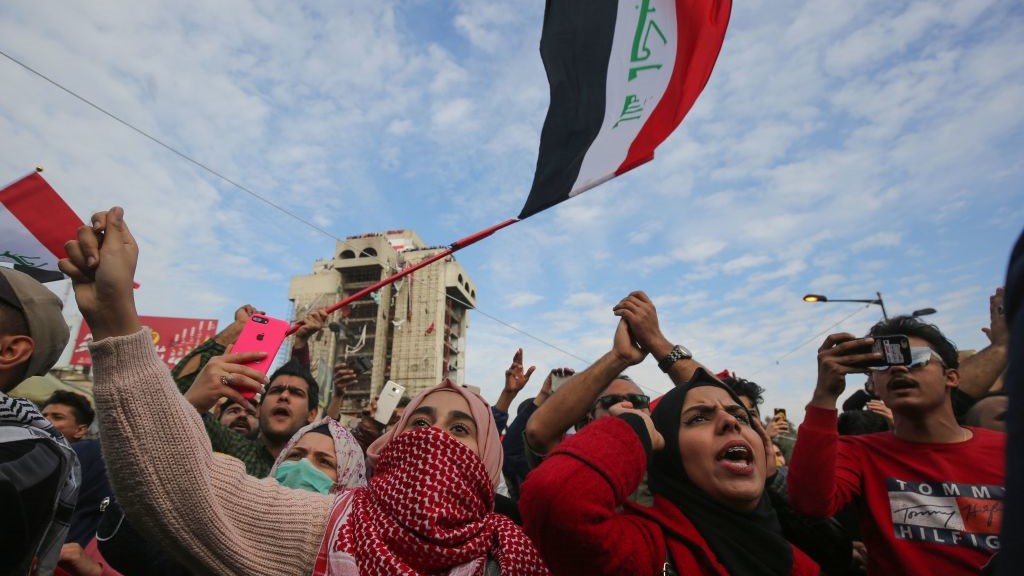
    In the wake of the airstrike, there have been many calls inside Iraq for restraint among Iraqis and between the Americans and the Iranians, most notably from the Shi’a clerical establishment in Najaf. There is a wide consensus in Iraq that the country should not be at the center of an American-Iranian military fight.

    The old rules of the game have been shattered
     A protester stands inside a burned checkpoint during the sit-in against deadly US airstrikes on sites of a Shiite militia in front of the US embassy. Iraqi mourners on Tuesday stormed the building of the US embassy in Baghdad's heavily fortified Green Zone.
  • تعليق
  • The old rules of the game have been shattered

    The killing of Gen. Qassem Soleimani, head of Iran’s Revolutionary Guards Quds Force, was a major and unexpected blow to the Iranian leadership. It punctured the aura of invincibility and the hubris that have characterized Soleimani and his colleagues’ behavior.

    January 3, 2020

    Refugees Adrift? Responses to Crises in the MENA and Asia
    معهد الشرق الأوسط
  • التحليل
  • Refugees Adrift? Responses to Crises in the MENA and Asia

    This essay series explores the human costs and policy challenges associated with the displacement crises in the Middle East and Asia.

    In 2014 the UNHCR reported that the number of people forced to flee their homes had exceeded 50 million for the first time since World War Two, and that the exponential increase in the number of those forcibly displaced had already stretched aid organisations and host countries nearly to the breaking point. 

    January 1, 2020

    المزيد من الخبراء مثل هذا