Sara Sadek is an affiliated researcher and coordinator at the Center for Migration and Refugee Studies (CMRS) at the American University in Cairo. She obtained an MA in Refugee Studies from the University of East London. Since 2005, she has worked on various research projects on Iraqi and Sudanese communities in Egypt, contributing to a report on Iraqis in Egypt and recently producing a paper on challenges of integration for Iraqis in Arab states for the Henry L. Stimson Center’s forthcoming volume Transnational Challenges.
The Latest from Sara Sadek
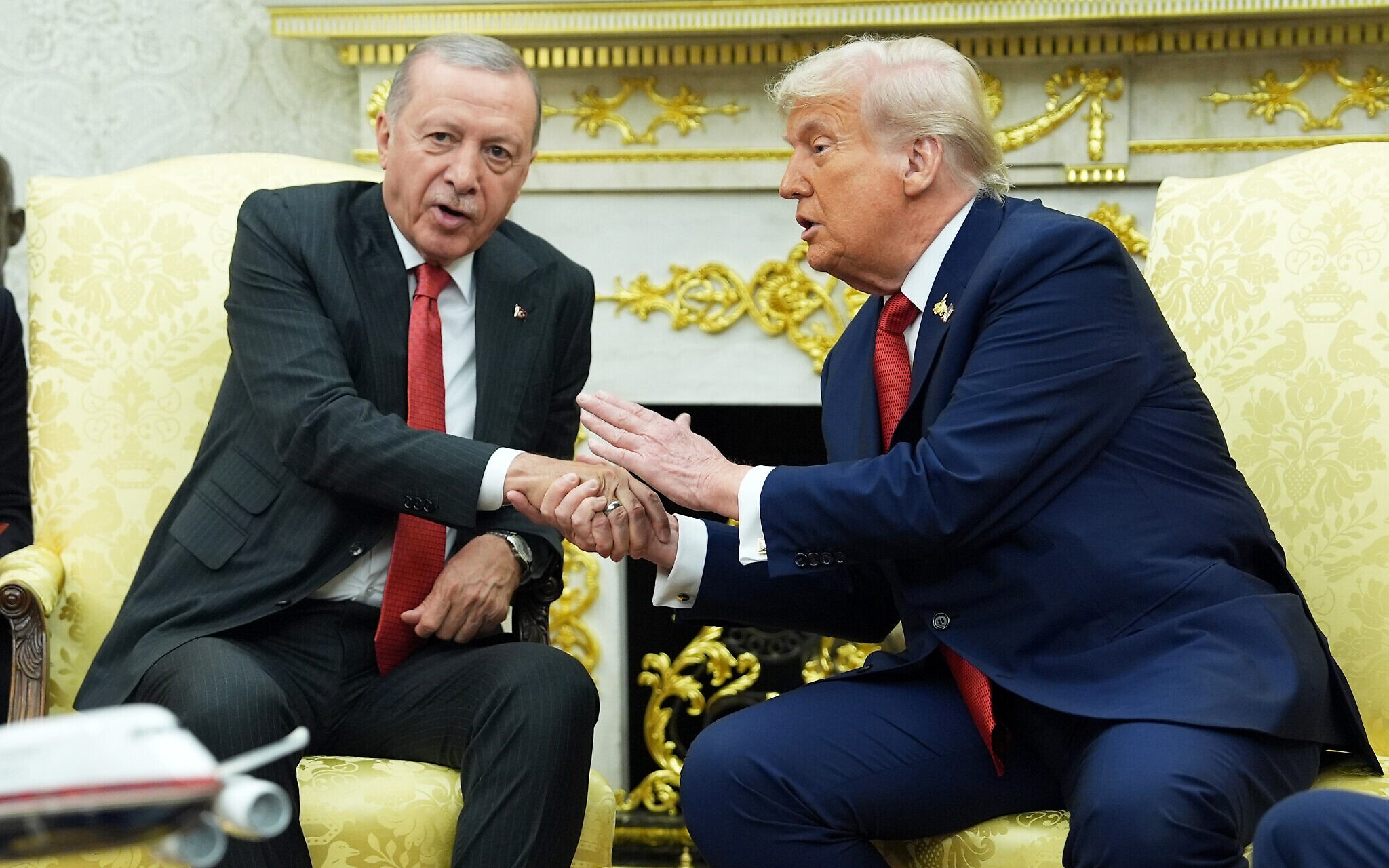
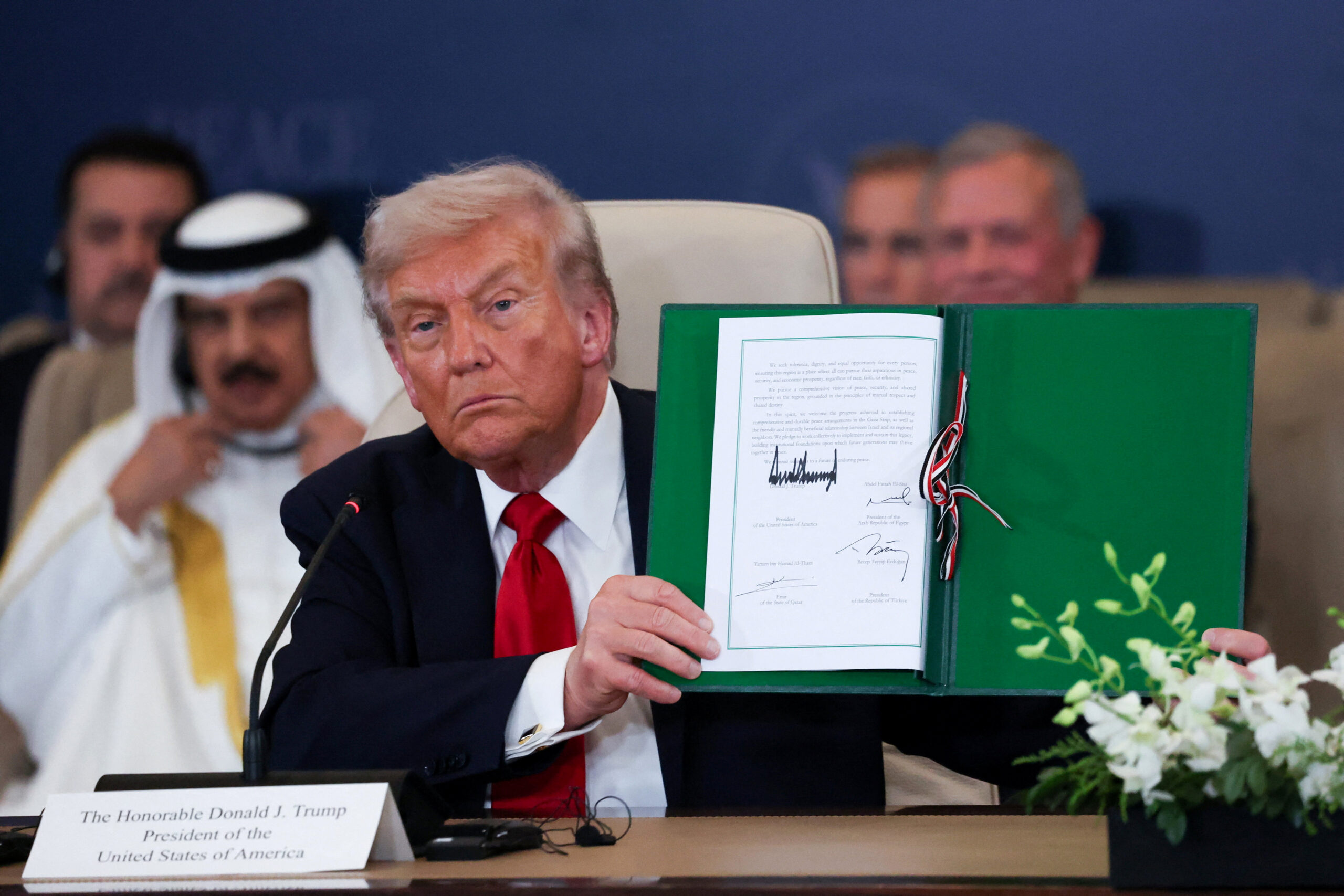
من وقف إطلاق النار في غزة إلى السلام في الشرق الأوسط؟
اتفاق وقف إطلاق النار وإطلاق سراح الرهائن المبرم في أكتوبر 2025، والذي أنهى الصراع بين إسرائيل وحماس، يمثل بداية مرحلة ما بعد الحرب المعقدة. في مذكرة سياسية جديدة صادرة عن معهد الشرق الأوسط (MEI)، يشرح براين كاتوليس أهمية هذا الاتفاق بالنسبة للولايات المتحدة والاعتبارات السياسية ذات الصلة.
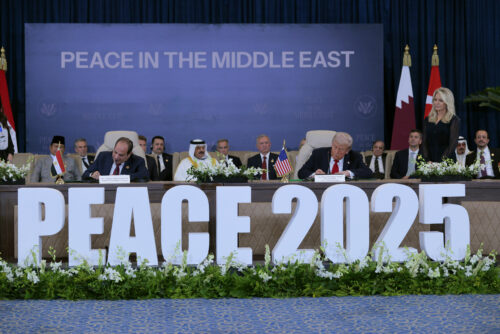
من وقف إطلاق النار في غزة إلى السلام في الشرق الأوسط؟
The October 2025 cease-fire and hostage-release deal that ended the Israel-Hamas conflict marks the beginning of a complicated post-war phase. The agreement has created important opportunities to advance stability in the Middle East and build a lasting and sustainable peace marked by enhanced regional security and integration, but there are considerable risks to manage. Achieving these goals will require coordinated international action along multiple lines of effort: security, rule of law, recovery and reconstruction, responsive governance, and steady and focused diplomacy to build confidence among key parties.
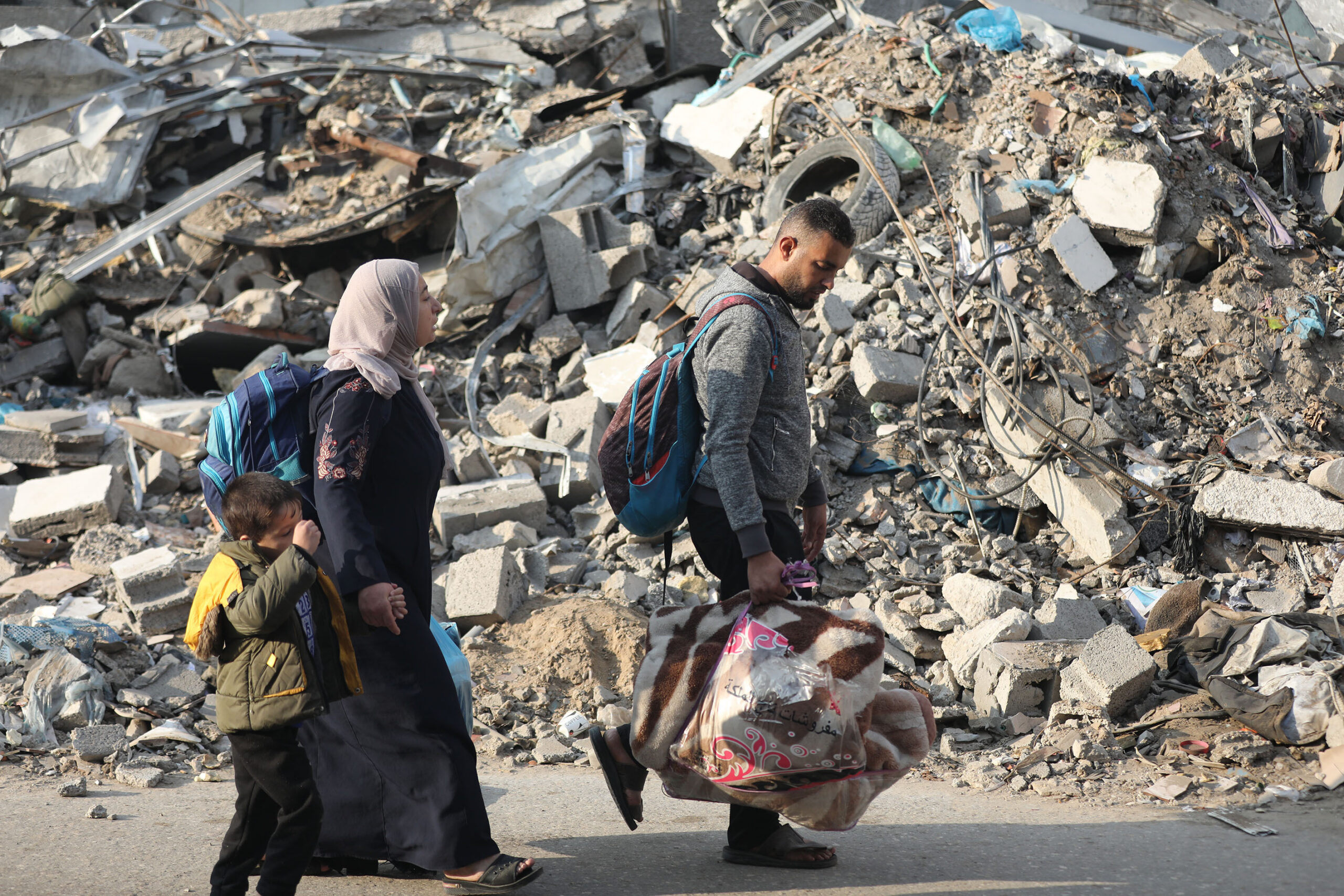
وقف إطلاق النار في غزة يبدأ، لكن من المتوقع حدوث اضطرابات في المستقبل
لنستخدم تشبيهاً، إذا كان اتفاق وقف إطلاق النار في غزة طائرة، فإنها تكتسب حالياً سرعة على مدرج المطار وتصل إلى النقطة الحاسمة للإقلاع الفوري عندما يتم إطلاق سراح جميع الرهائن المحتجزين في غزة مقابل 2000 فلسطيني في السجون الإسرائيلية. ستشكل لحظة "الإقلاع" هذه نهاية الحرب، ولكنها ستكون بداية رحلة طويلة ومضطربة بالتأكيد. وسيحدد الوقت ما إذا كانت الطائرة سترتفع إلى ارتفاعات أعلى أم ستتحطم على الأرض.

هل وافقت باكستان على استخدام القوة النووية للدفاع عن المملكة العربية السعودية؟
وقّعت المملكة العربية السعودية وباكستان اتفاقية دفاع مشترك في 17 سبتمبر/أيلول 2025، تنص على أن "أي عدوان على أي من البلدين يعتبر عدوانًا على كليهما". أثارت صياغة الاتفاقية تكهنات بأن باكستان قد تستخدم قدراتها النووية للدفاع عن المملكة العربية السعودية. إلا أن الباحث ف. غريغوري غوس من معهد الشرق الأوسط يؤكد خلاف ذلك، ويقدم نظرة ثاقبة على التاريخ والحسابات الاستراتيجية التي أدت إلى إبرام الاتفاق. لمعرفة المزيد عن الصفقة، يرجى زيارة موقعنا الإلكتروني.

After Two Years of War in Gaza, Can Trump’s Plan Deliver Peace?
Two years after Hamas’ October 7 attack and Israel’s punishing response, both sides say they accept in principle President Donald Trump’s 20-point plan to halt the war and chart a path toward enduring peace. MEI Senior Fellow Lucy Kurtzer-Ellenbogen joins hosts Alistair Taylor and Matthew Czekaj to unpack what’s in the plan, how compatible it is with earlier Arab and European proposals, and whether its vague “credible pathway” to Palestinian statehood can withstand politics in Jerusalem, Ramallah, and Washington. They also explore the sticking points—Hamas disarmament, Israeli withdrawal, and Palestinian Authority reform—as well as what success would actually look like on the ground.
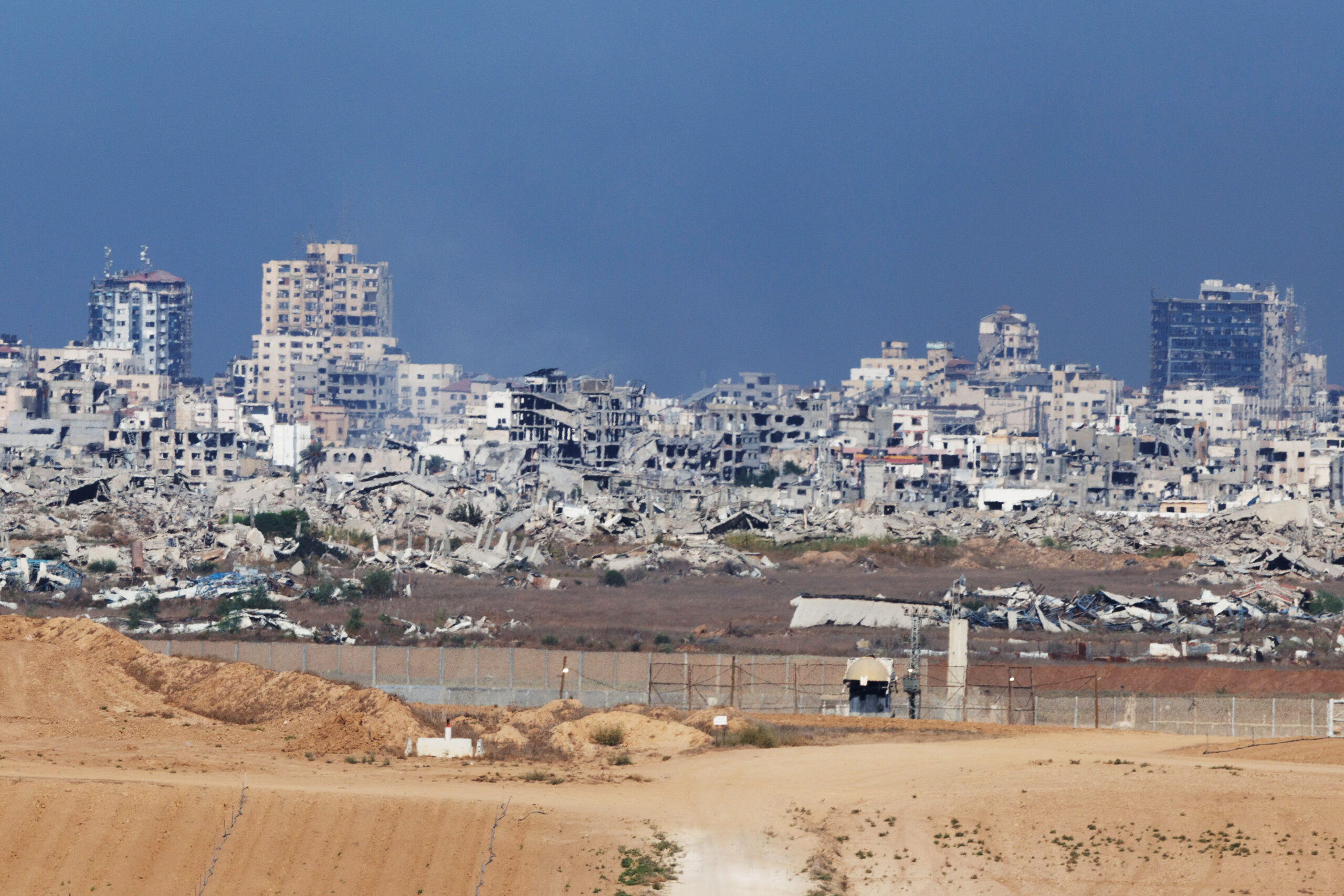
هل هناك ضوء في نهاية نفق حرب غزة؟ ثلاثة أسئلة حول خطة ترامب المكونة من 20 نقطة
أرسل الرئيس الأمريكي دونالد ترامب مبعوثه الخاص إلى الشرق الأوسط ستيف ويتكوف وصهره جاريد كوشنر للمشاركة في محادثات إسرائيل وحماس التي تستضيفها مصر هذا الأسبوع بهدف إنهاء الحرب في غزة، وتأمين الإفراج عن الرهائن، وإحراز تقدم نحو حل دائم ومستدام للصراع. فيما يلي ثلاثة أمور يجب الانتباه إليها في سياسة الولايات المتحدة على هذا الصعيد في الأيام والأسابيع المقبلة.

اتفاق الدفاع الاستراتيجي بين باكستان والمملكة العربية السعودية: بنية أمنية جديدة في منطقة الشرق الأوسط الكبير
في أعقاب الضربة التي شنتها إسرائيل في 9 سبتمبر على أهداف لحماس في قطر، اتخذت باكستان خطوات سريعة وهامة في سياستها الخارجية رداً على ذلك، واتخذت موقفاً حازماً بشكل غير معتاد. وقد تأثر هذا التحول إلى حد كبير بقائد الجيش الباكستاني، المشير عاصم منير. فالأخير مصمم على تعزيز الاستقلالية الاستراتيجية لبلاده ونفوذها الدبلوماسي في بيئة دولية تزداد تعقيداً، من خلال وضع باكستان في موقع الفاعل الأمني الرئيسي والقوة المتوسطة الصاعدة على الساحة العالمية.
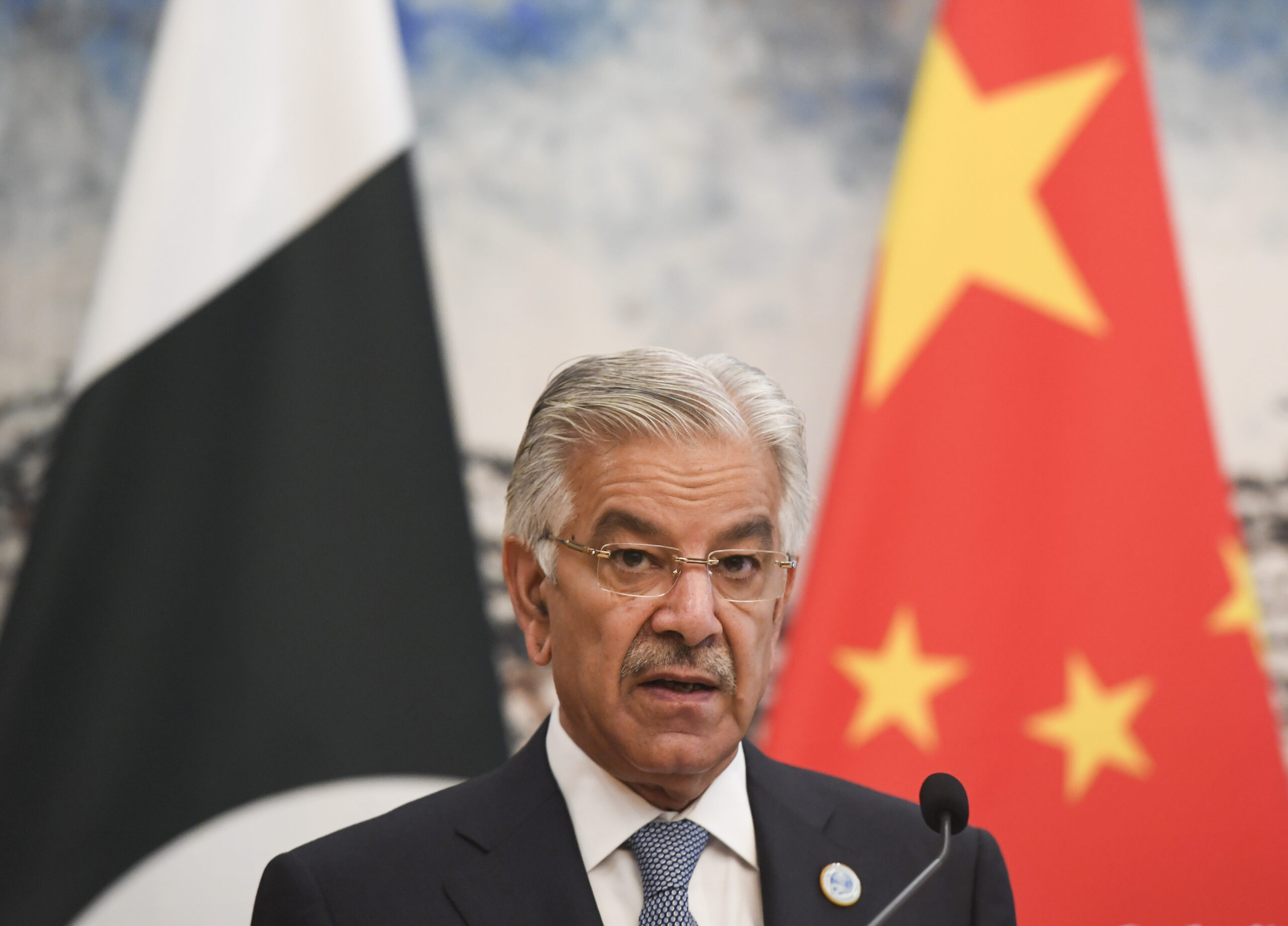
نفوذ صامت، مكاسب هادئة؟ الصين وميثاق الدفاع السعودي-الباكستاني
اتفاقية الدفاع المتبادل الاستراتيجي (SMDA) بين المملكة العربية السعودية وباكستان، التي تم توقيعها في الرياض في 17 سبتمبر، هي أكثر بكثير من مجرد تعهد ثنائي. فهو يمثل إعادة ترتيب عميقة للتحالفات في الخليج وجنوب آسيا، مما يعكس ويعزز التآكل الأوسع نطاقاً لسيادة الولايات المتحدة في البنية الأمنية الأوروبية الآسيوية. في حين ركزت معظم التعليقات الأولية على الالتزام المذهل من قبل ملكية خليجية ثرية بالدفاع عن دولة جنوب آسيوية حائزة للأسلحة النووية، فضلاً عن مسألة ما إذا كانت باكستان قد مدت بالفعل مظلتها النووية إلى المملكة العربية السعودية، فإن القصة الأعمق هي على الأرجح التقدم المحتمل للصين.
لا تصدقوا الضجة الإعلامية: الحقيقة المتواضعة للاتفاقية الدفاعية السعودية-الباكستانية
أثار اتفاق الدفاع السعودي الباكستاني المبرم في 17 سبتمبر موجة من التعليقات المتحمسة حول وجود المملكة العربية السعودية الآن تحت المظلة النووية الباكستانية وكيف أن واقعًا استراتيجيًا جديدًا يلوح في الأفق في منطقة الخليج الفارسي وجنوب آسيا. على المحللين أن يهدئوا من روعهم. فالردع الموسع أمر بالغ الصعوبة. يكمن الشيطان في التفاصيل، التي لا نعرف عنها شيئًا.
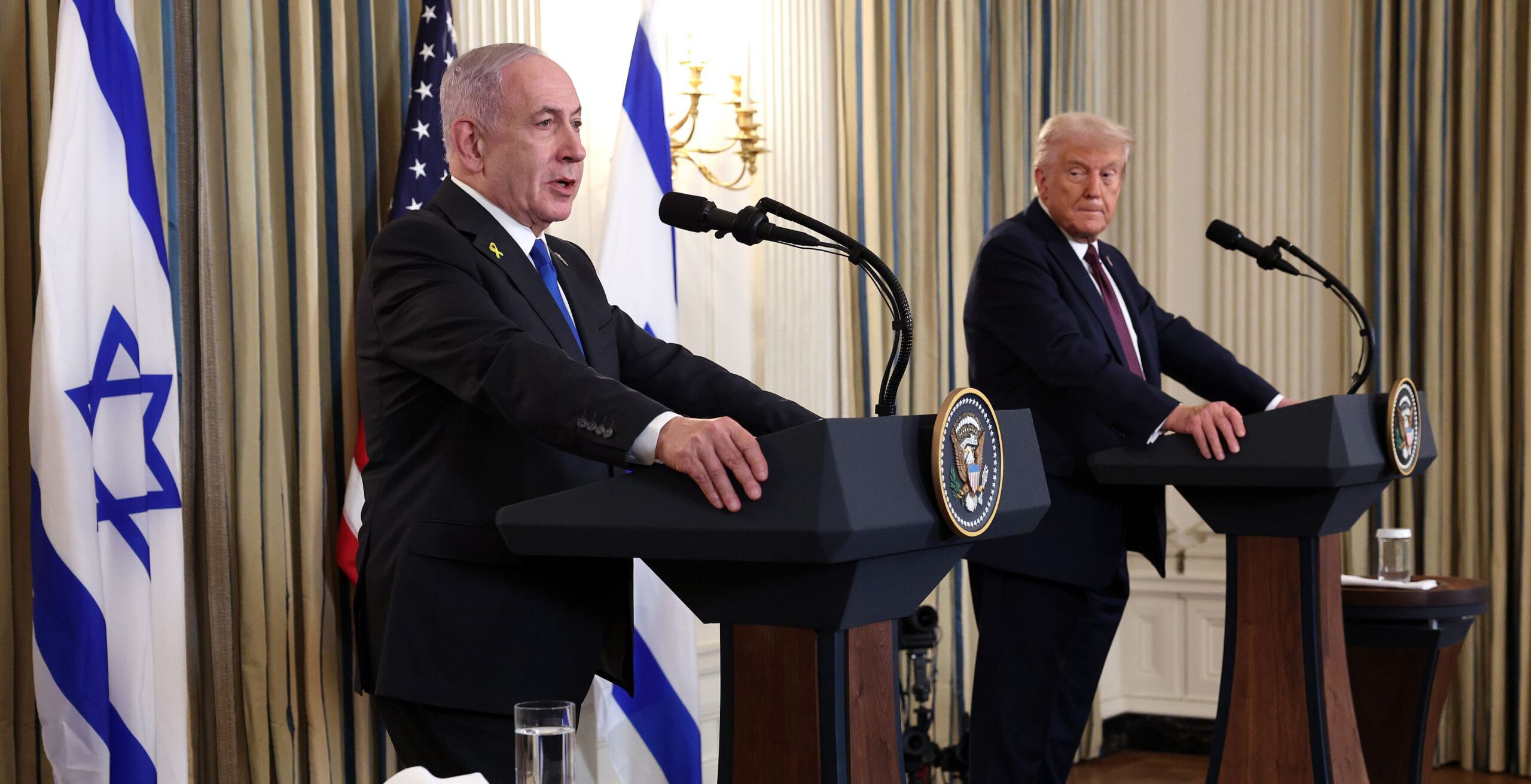
السلام في الشرق الأوسط — أو الغموض البناء في الاتجاه المعاكس
بعد عامين مروّعين — بدأوا في صباح يوم 7 أكتوبر 2023 المروّع — هناك الآن فرصة لإنهاء حرب غزة. هذه الفرصة موجودة ليس لأن الاقتراح المكون من 20 نقطة الذي أصدرته الولايات المتحدة في 29 سبتمبر 2025 هو نموذج للتفاصيل الدبلوماسية أو الفروق الدقيقة. إنها موجودة لأن راعيها، الرئيس دونالد ترامب، يبدو مصمماً على عدم قبول الرفض كإجابة.
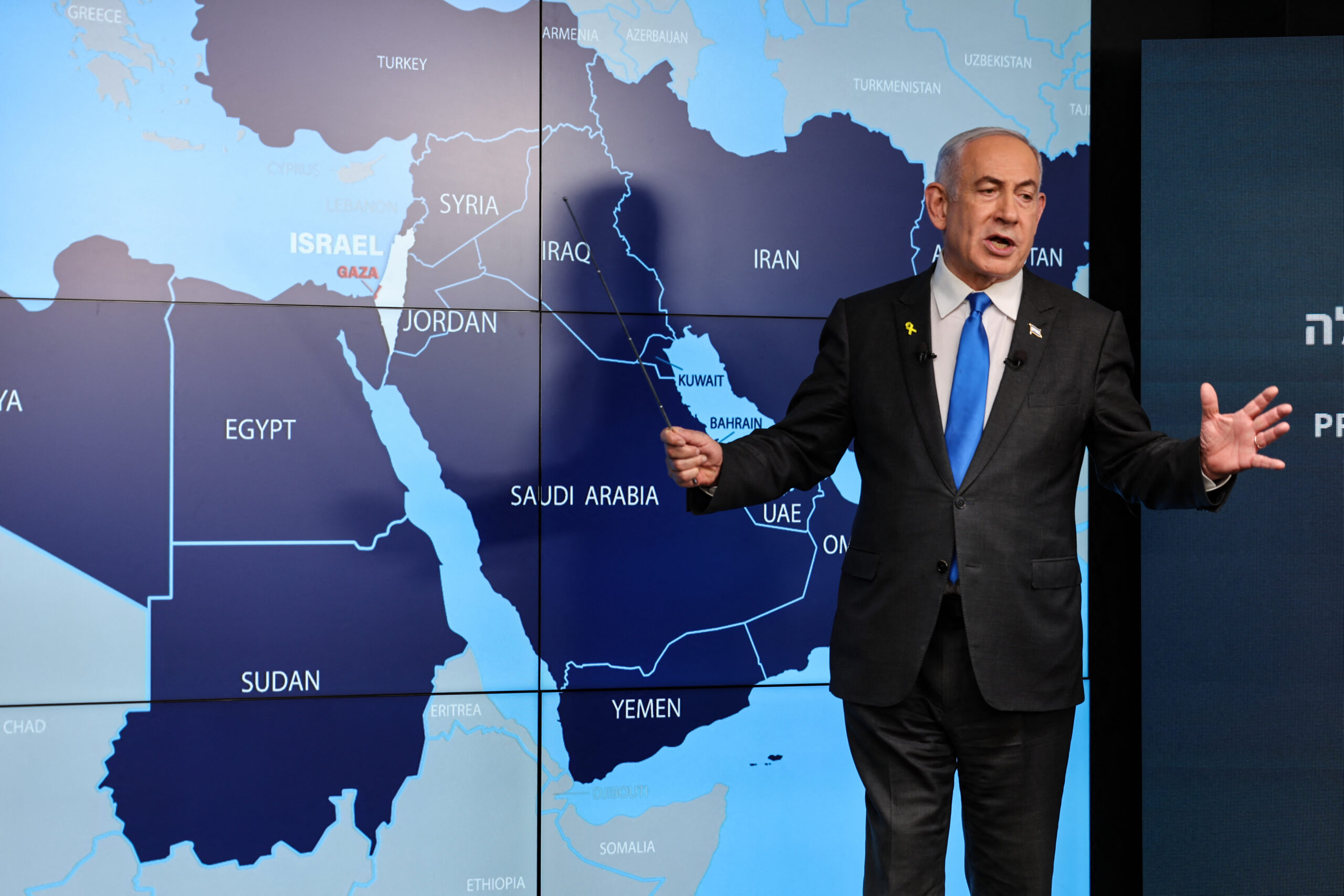
بعد عامين من 7 أكتوبر: منطقة بين الفوضى والانتقال
مع اقتراب الذكرى السنوية الثانية للصراع الذي اندلع في المنطقة جراء هجمات 7 أكتوبر 2023، من المهم أن نقيّم كيف غيّرت هذه الأزمات المتعددة منطقة الشرق الأوسط، وكيف قد تتطور في الأشهر المقبلة.
Elliott Abrams Tells All
Veteran US foreign policy official Elliott Abrams joins Brian for a sweeping conversation on America’s role in the world amid global upheaval. With nearly 50 years of experience under Presidents Reagan, George W. Bush, and Donald Trump, Abrams offers lessons from past crises— from Ukraine to Gaza. Abrams makes his case for why he doesn’t see a two-state solution as realistic and what his alternative vision is. The discussion explores the chaotic uncertainty of Trump’s second term, Israel’s security two years after October 7, and the future of Palestinian governance and regional integration. Abrams also shares insights from his decades in government, including his work with Ariel Sharon on Gaza disengagement, his reflections on the Iraq War, and what it was like briefing presidents in the Oval Office.