This individual is a guest contributor. MEI is not able to assist with contact requests.
Sara Sadek is an affiliated researcher and coordinator at the Center for Migration and Refugee Studies (CMRS) at the American University in Cairo. She obtained an MA in Refugee Studies from the University of East London. Since 2005, she has worked on various research projects on Iraqi and Sudanese communities in Egypt, contributing to a report on Iraqis in Egypt and recently producing a paper on challenges of integration for Iraqis in Arab states for the Henry L. Stimson Center’s forthcoming volume Transnational Challenges.
الذكاء الاصطناعي والتكنولوجيا ومستقبل العلاقات بين الولايات المتحدة ودول الخليج
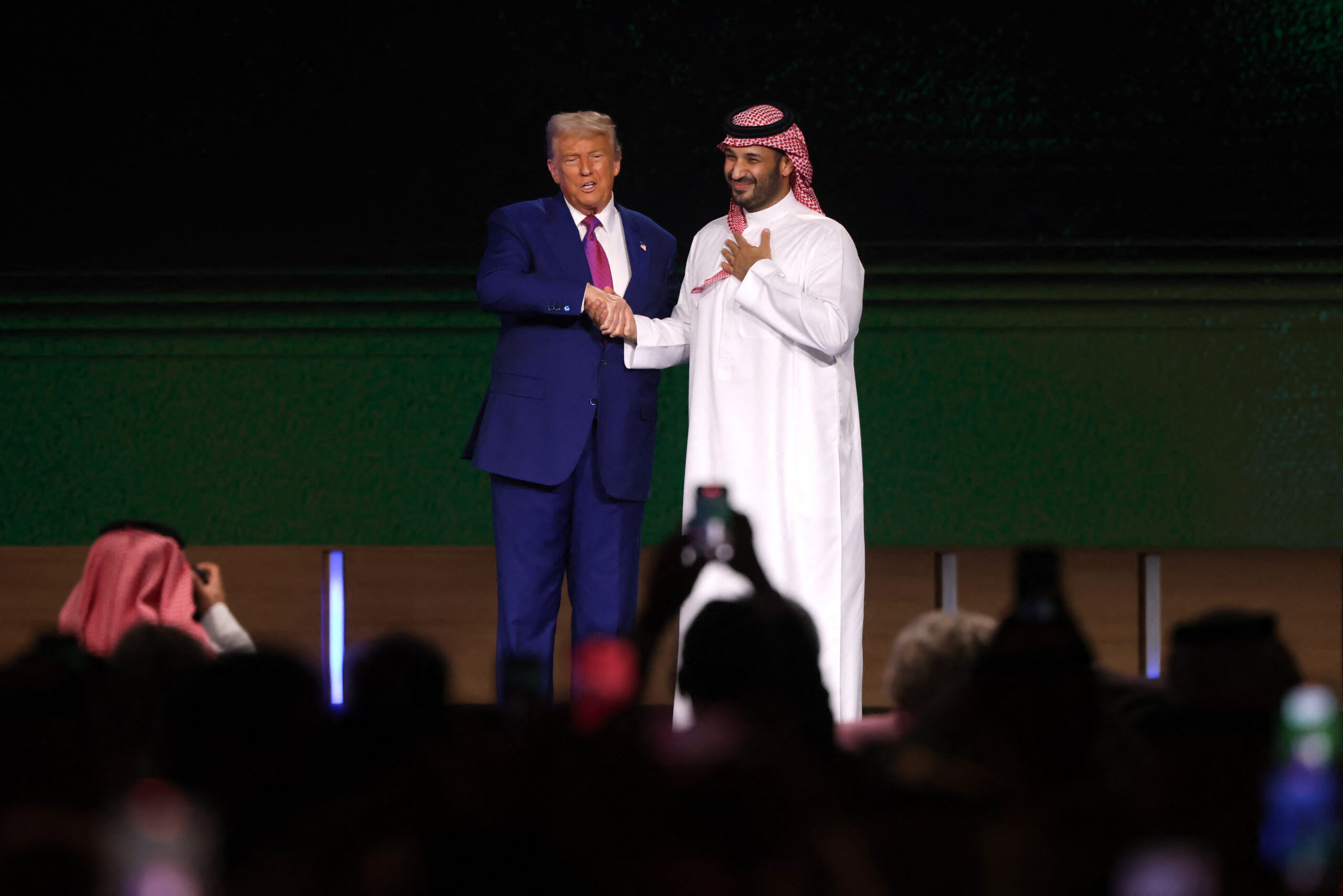
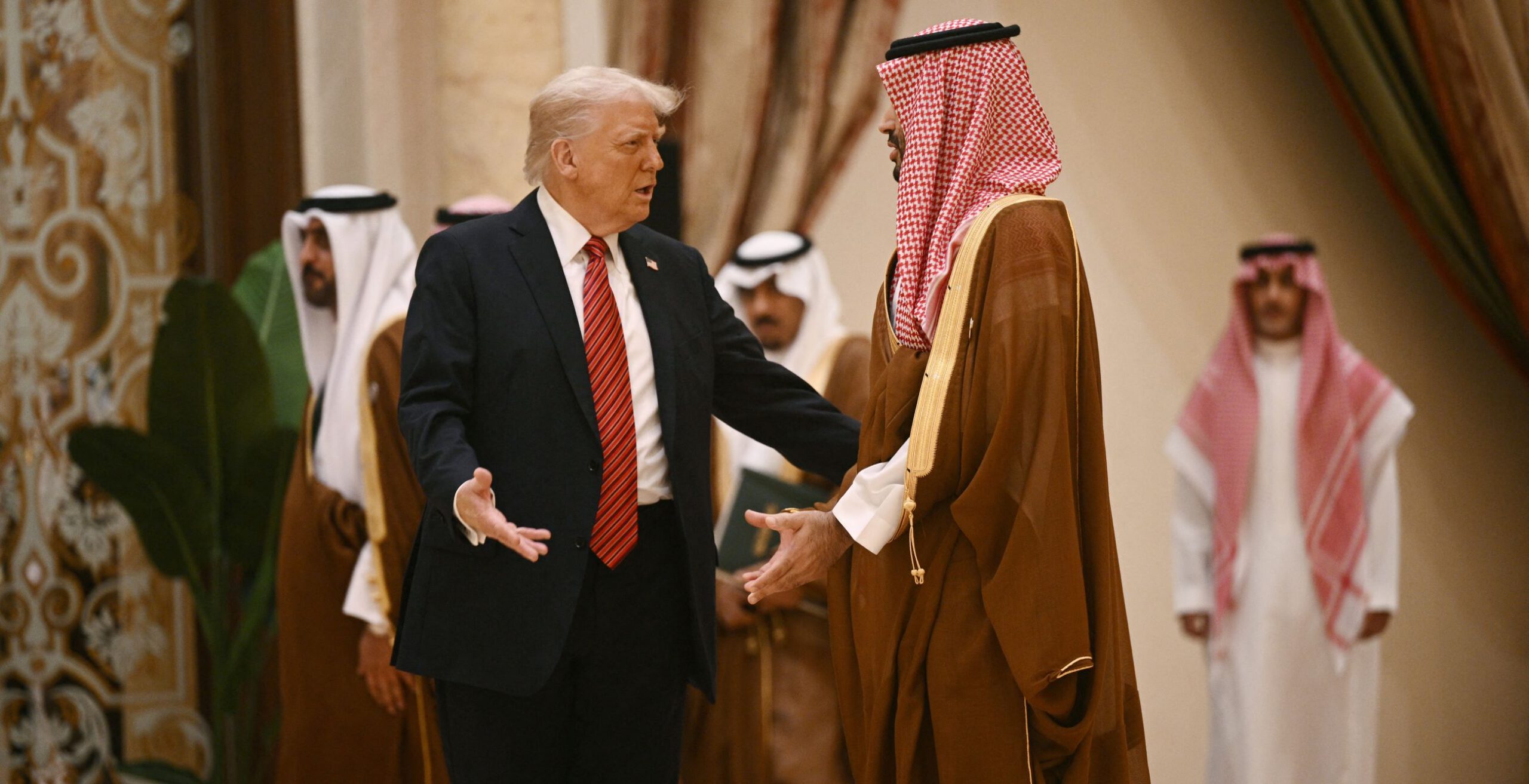
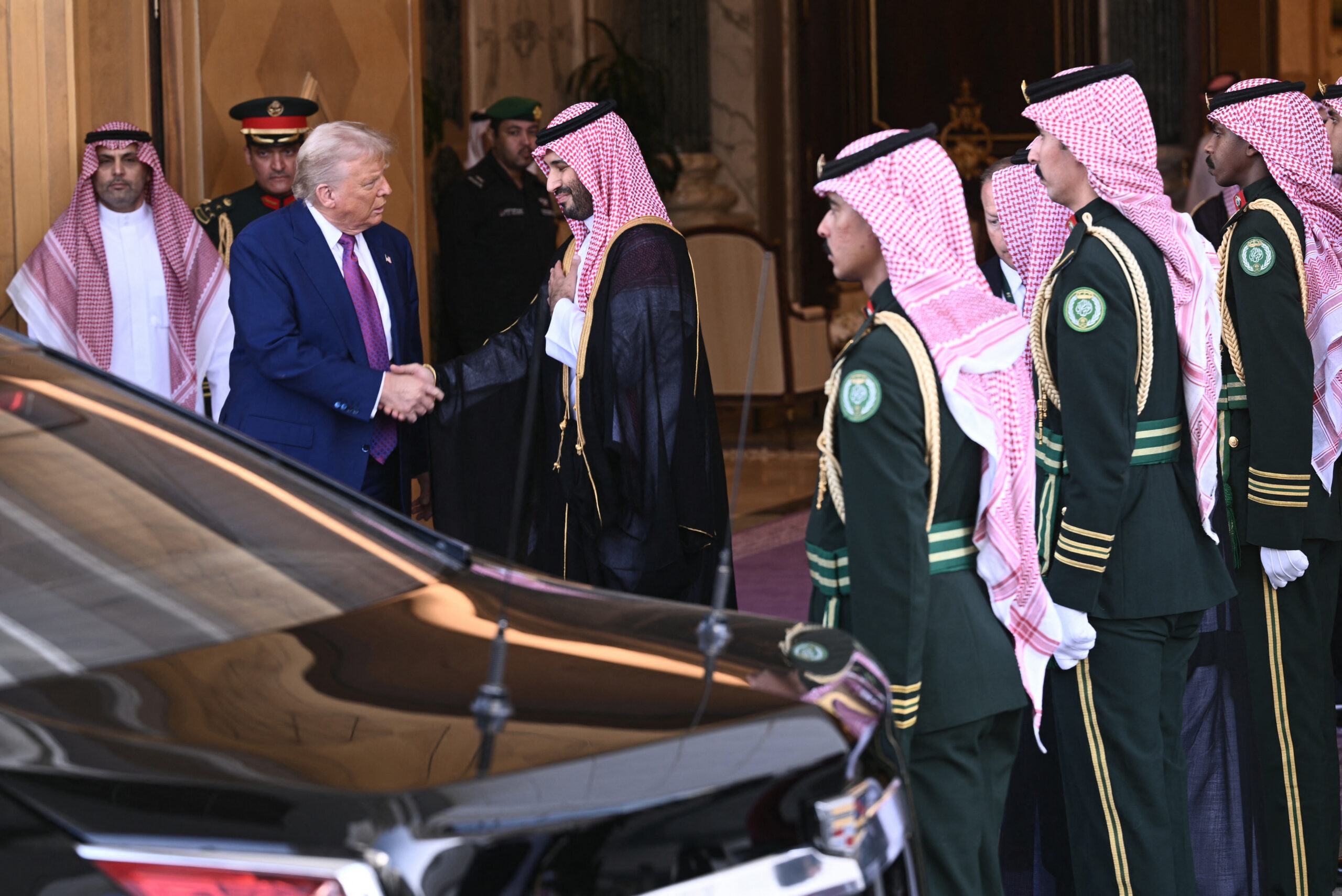
يتحدث المضيفان أليستر تايلور وماثيو تشيكاج مع محمد سليمان، زميل أول في معهد الشرق الأوسط، عن الزيارة الأخيرة التي قام بها الرئيس دونالد ترامب إلى المملكة العربية السعودية والإمارات العربية المتحدة وقطر، والتي أسفرت عن موجة من الصفقات الكبرى بين الولايات المتحدة ودول الخليج في مجالي التكنولوجيا والذكاء الاصطناعي. يشرح سليمان كيف تمثل هذه الشراكات تحولاً في العلاقة بين الطرفين - من النفط والأسلحة إلى القوة الحاسوبية والبنية التحتية للبيانات - وما يعنيه ذلك بالنسبة للدور الاستراتيجي لدول الخليج في النظام البيئي العالمي للذكاء الاصطناعي.
العودة إلى الواقع: الجاذبية لا تزال قائمة بعد رحلة ترامب
الواقع القاسي للتهديدات والتحديات التي تواجهها المنطقة، مثل إيران وحرب غزة، لا يزال قائماً بثبات بعد ضجة جولة ترامب "الربيعية" التي تميزت بأرقام مذهلة بالدولار وعرض طائرة جامبو فاخرة من قطر.
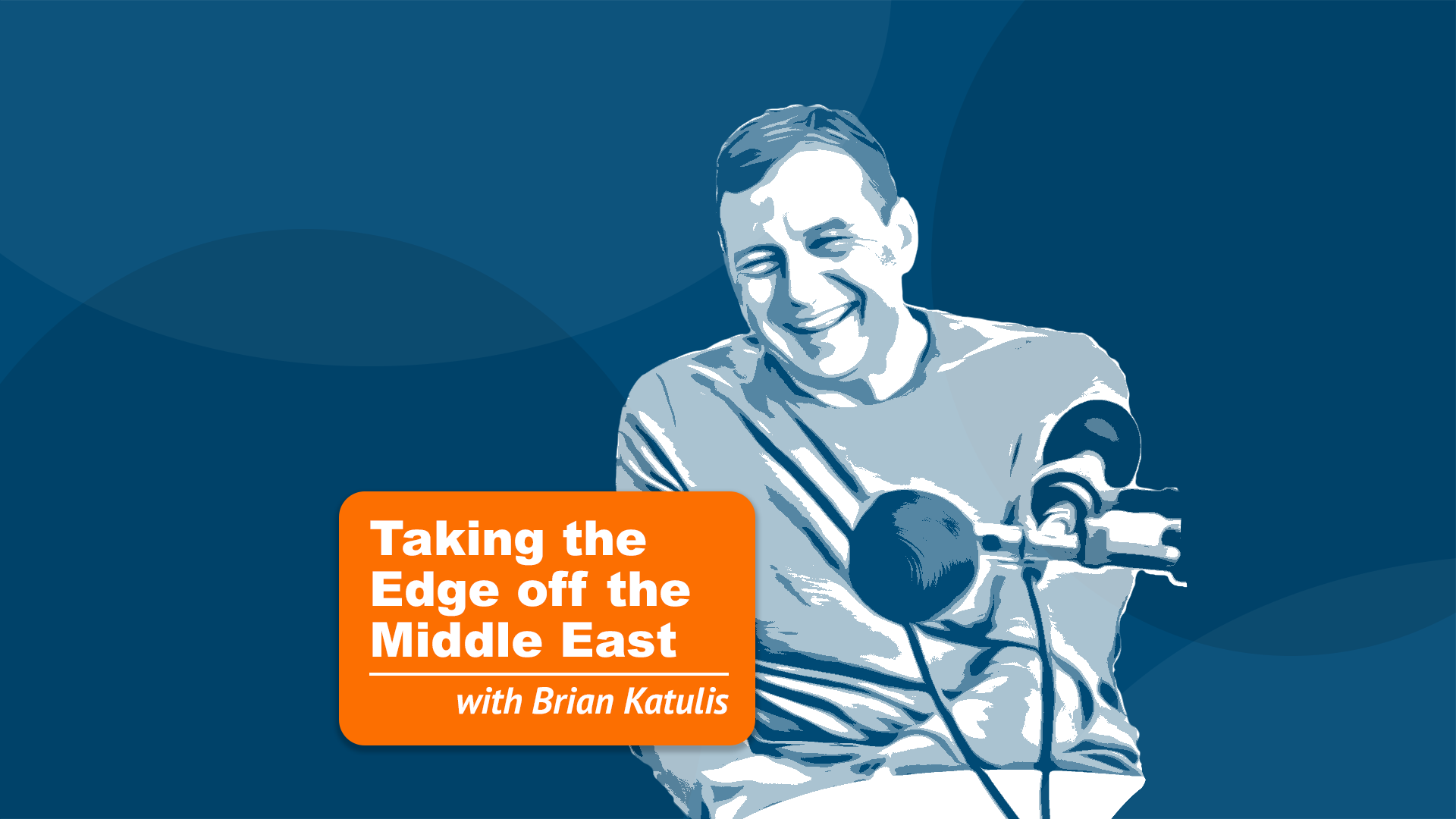
Trump's Middle East Approach, the Israeli-Palestinian Conflict, and the Future of US Statecraft – with Amb. Dennis Ross
Ambassador Dennis Ross joins host Brian Katulis to break down what President Trump’s recent trip through Saudi Arabia, the UAE, and Qatar revealed about the administration’s approach to foreign policy in the Middle East—and what it means for the future of the region. They discuss the significance and substance behind the announced mega-deals, what’s really going on with Iran and the Houthi ceasefire, and how Trump is handling relations with Israel amid the ongoing war in Gaza.
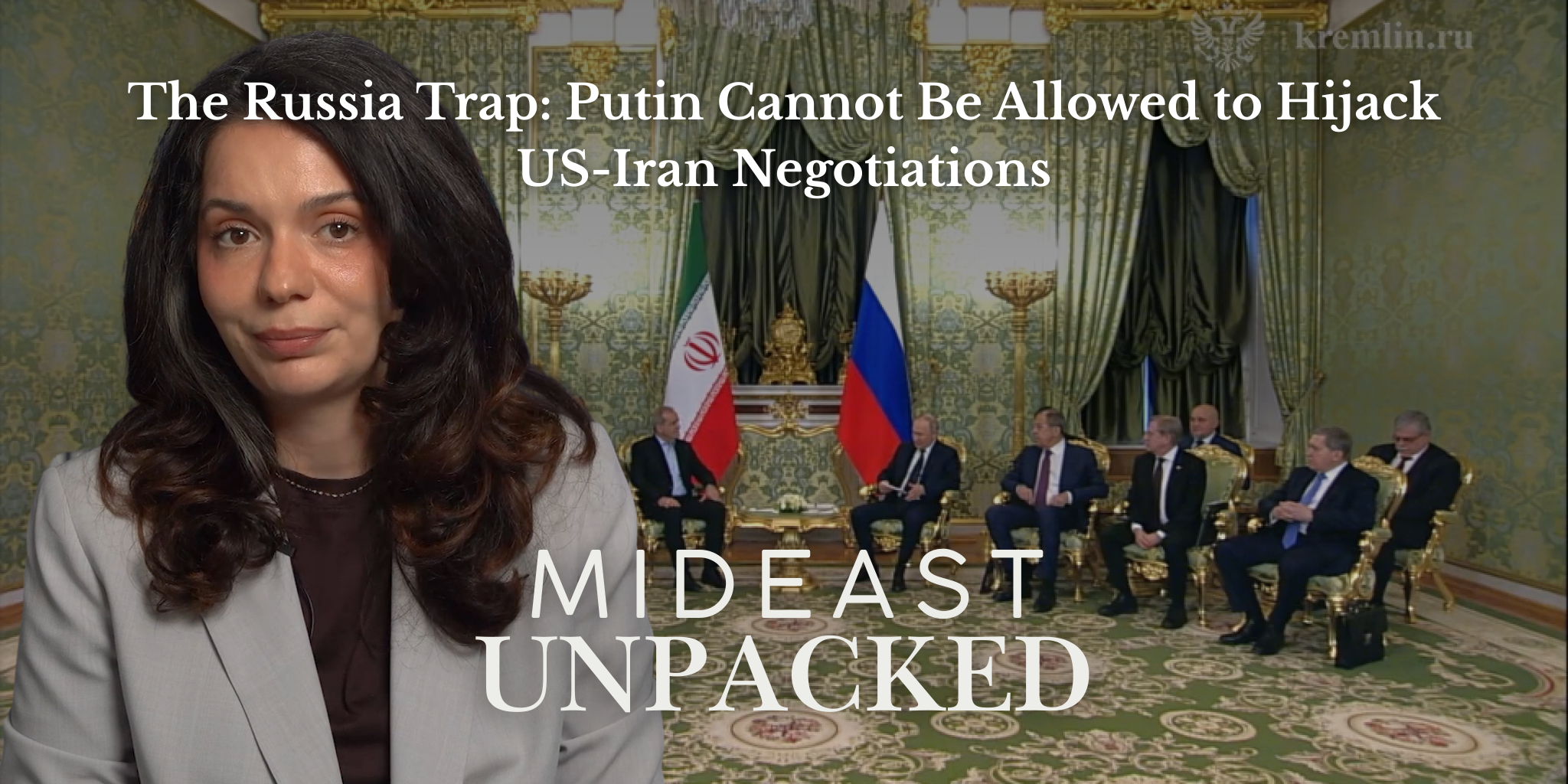
فخ روسيا: لا يمكن السماح لبوتين باختطاف المفاوضات بين الولايات المتحدة وإيران
توجه يوليا جوجا، زميلة أولى في معهد الشرق الأوسط (MEI)، تحذيراً حاداً ومناسباً من منح روسيا دوراً مباشراً في المفاوضات بين الولايات المتحدة وإيران. فبدلاً من أن تلعب موسكو دور الوسيط المحايد، فإنها تريد الاستفادة من هذه اللحظة لإعادة تشكيل ميزان القوى في الشرق الأوسط. من الاجتماعات في مسقط إلى توثيق التحالفات مع طهران وبكين، تكشف جوجا كيف أن دبلوماسية بوتين لا تهدف إلى تحقيق السلام بقدر ما تهدف إلى تعزيز نفوذ روسيا في مواجهة الولايات المتحدة. وينبغي على واشنطن أن تولي اهتمامًا وثيقًا لهذا الأمر.
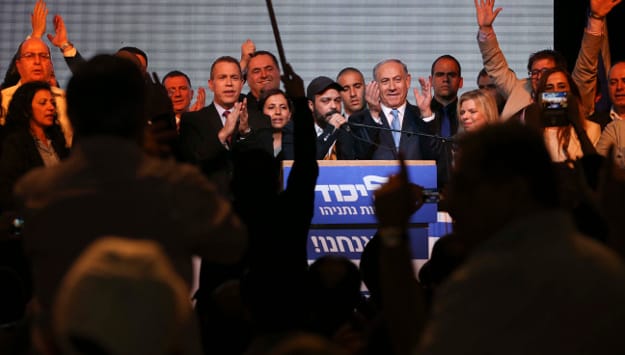
How Trump's Gulf visit could transform the Middle East
In addition to the many trade and business deals, and the significant political announcements made during Donald Trump’s visit to the Gulf, the trip itself marks an important shift in the geopolitical landscape.
As a scholar of Turkey, I spent years watching President Recep Tayyip Erdoğan’s rise—and, I’ll admit, I once believed in the promise. I had reservations about his Islamist roots, but his vows to fight corruption, reduce poverty, and expand freedoms seemed like the antidote to Turkey’s democratic fragility. For a moment, it felt like real progress.
اتفاق وقف إطلاق النار بين الولايات المتحدة والحوثيين ومستقبل الأمن في البحر الأحمر
أدى الإعلان المفاجئ عن وقف إطلاق النار بين الولايات المتحدة والحوثيين، بوساطة عمان، إلى وقف الحملة الجوية التي تشنها واشنطن في اليمن وأثار تساؤلات ملحة حول مستقبل الأمن في البحر الأحمر. ما الذي دفع إلى إبرام الاتفاق، وما هي آثاره على النقل البحري والتحالفات الإقليمية ومسار الحرب الأهلية في اليمن؟ تستكشف هذه الحلقة الدوافع الاستراتيجية وراء وقف إطلاق النار، ودور إيران والمملكة العربية السعودية، وكيف يمكن للحوثيين الاستفادة من الهدنة لإعادة تنظيم صفوفهم وتوسيع نفوذهم عبر القرن الأفريقي.
على ترامب أن يستفيد من الزخم مع سوريا ويساعد في منع وقوع صدام بين تركيا وإسرائيل
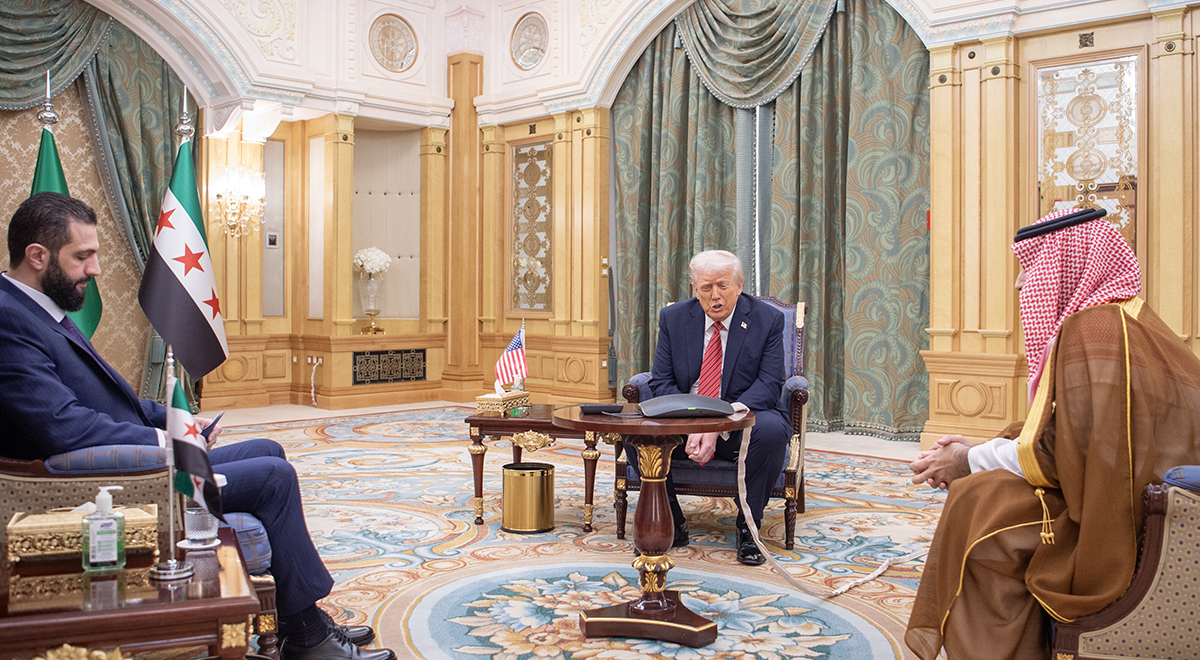
هناك تطوران حديثان يمنحان الحكومة السورية الجديدة فرصة حاسمة لتحقيق الاستقرار في البلاد. أولاً، أعلن الرئيس الأمريكي دونالد ترامب عن خطط لرفع العقوبات عن سوريا. ثانياً، أعلن حزب العمال الكردستاني أنه سيحل نفسه ويصفي نفسه - وهي خطوة ستساعد دمشق على إبرام اتفاق مع قوات سوريا الديمقراطية ودمجها في الجيش الوطني السوري الجديد. يجب على الرئيس ترامب أن يستفيد من هذا الزخم ويغتنم الفرصة لمعالجة أحد أكثر التحديات تعقيداً التي لا تزال تواجه سوريا: خطر حدوث مواجهة عسكرية بين تركيا وإسرائيل داخل البلاد.
تقييم منتصف الطريق لرحلة ترامب التاريخية إلى الشرق الأوسط
كان أحد المحاور الاستراتيجية في الأشهر الأولى من ولاية ترامب الثانية هو تعميق التعاون الاقتصادي بين الولايات المتحدة والاقتصادات الرائدة في منطقة الخليج. وبالتالي، أسفرت المرحلة الأولى من رحلته إلى المنطقة عن وضع نموذج لتعميق العلاقات بين الولايات المتحدة والسعودية.
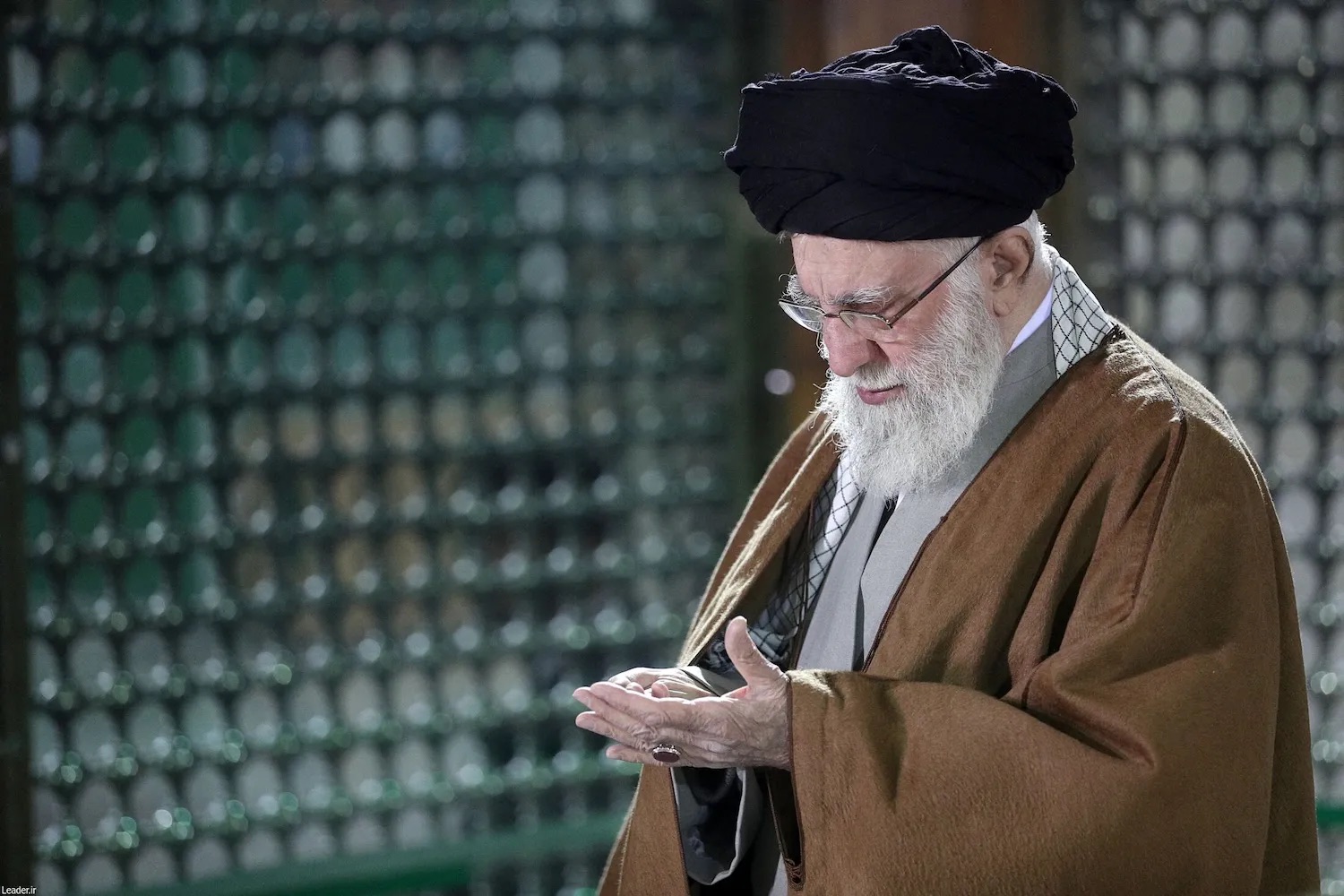
Since mid-April, diplomacy between Tehran and Washington has shifted into overdrive. After a seven-year freeze, Iran’s supreme leader, Ayatollah Ali Khamenei, has made a stunning, if not entirely surprising, reversal: He has greenlit a new nuclear deal if U.S. President Donald Trump accepts Tehran’s basic red lines. While the fourth round of talks between the two countries last weekend in Oman contained no apparent breakthrough, both sides seem determined to continue negotiating.
التوترات التجارية والعقوبات النفطية ومستقبل النفط في الشرق الأوسط
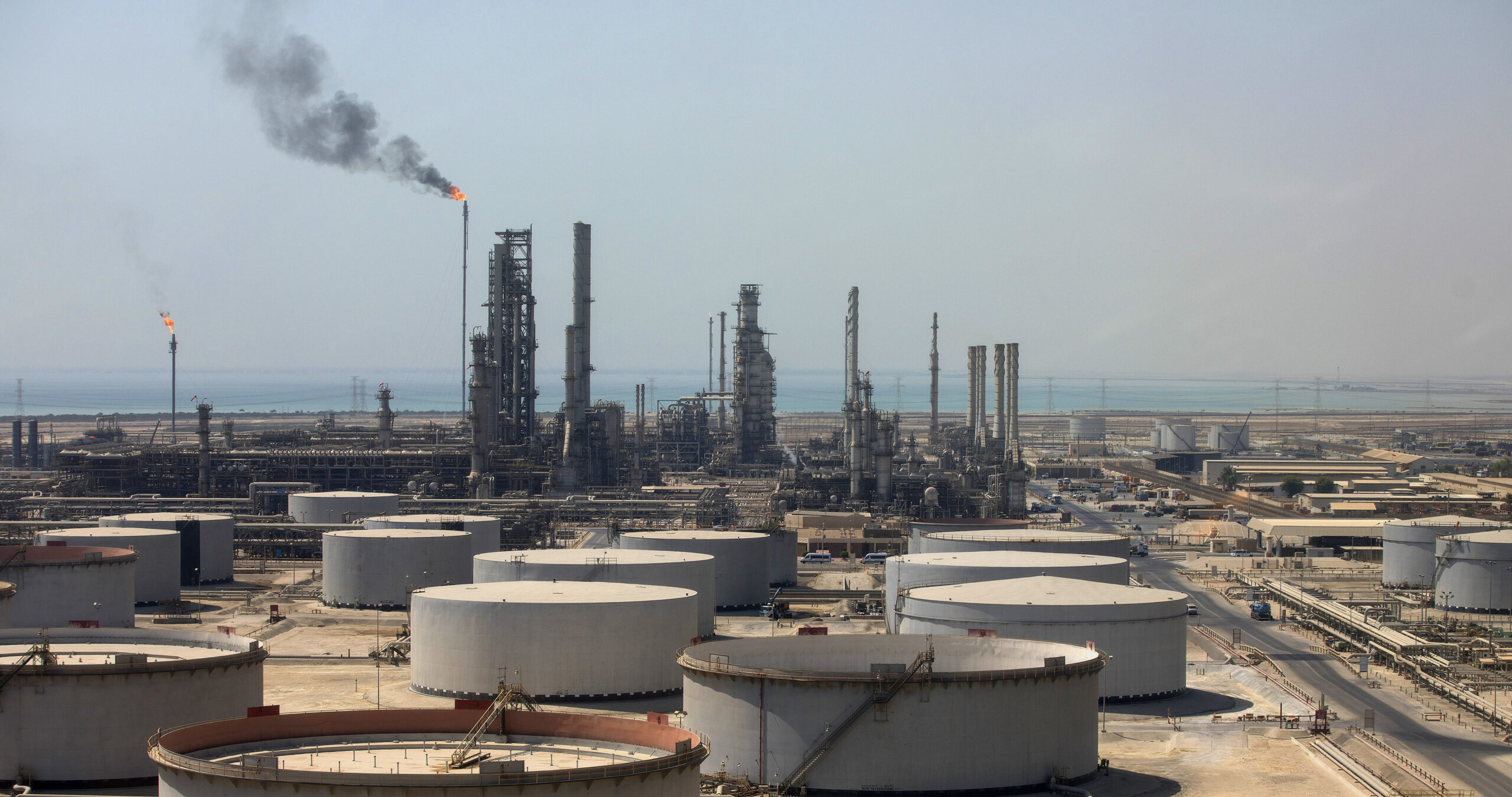
بالنسبة لمنتجي النفط في الشرق الأوسط، تشكل الضغوط الخارجية المتزايدة الناجمة عن التوترات التجارية والرسوم الجمركية والعقوبات النفطية عقبات أمام الإيرادات الحكومية والاستقرار الإقليمي. أصبح إنتاج النفط معركة على حصة السوق بدلاً من جهد جماعي لزيادة الأسعار.
هيمنة غير ليبرالية؟ سياسة ترامب الخارجية وأزمة هوية الحزب الجمهوري – مع بيل كريستول
يتصارع المحافظون الجدد وأنصار سياسة العزلة من أنصار حركة "اجعل أمريكا عظيمة مرة أخرى" على استراتيجية الحزب الجمهوري. ولا يظهر هذا الانقسام بشكل أكثر وضوحاً من انقسامهم حول الشرق الأوسط: فالصقور يرونه ساحة لإثبات قوة أمريكا وولائها لإسرائيل، بينما لا يرى أنصار سياسة العزلة فيه سوى حروب لا نهاية لها استنزفت أمريكا. فأين يقف ترامب في هذا الصراع؟