This individual is a guest contributor. MEI is not able to assist with contact requests.
Sara Sadek is an affiliated researcher and coordinator at the Center for Migration and Refugee Studies (CMRS) at the American University in Cairo. She obtained an MA in Refugee Studies from the University of East London. Since 2005, she has worked on various research projects on Iraqi and Sudanese communities in Egypt, contributing to a report on Iraqis in Egypt and recently producing a paper on challenges of integration for Iraqis in Arab states for the Henry L. Stimson Center’s forthcoming volume Transnational Challenges.
Iran’s Intelligence Ministry Denies Medical Treatment to Elderly Baha'i Languishing in Jail
Iran’s Intelligence Ministry is refusing necessary medical treatment to Jamaloddin Khanjani, an 83-year-old former community leader of the Baha’i minority who has spent more than nine years in an Iranian jail.
Arab Leaders Accuse Iran of Sharing Missile Technology with Houthi Rebels in Yemen
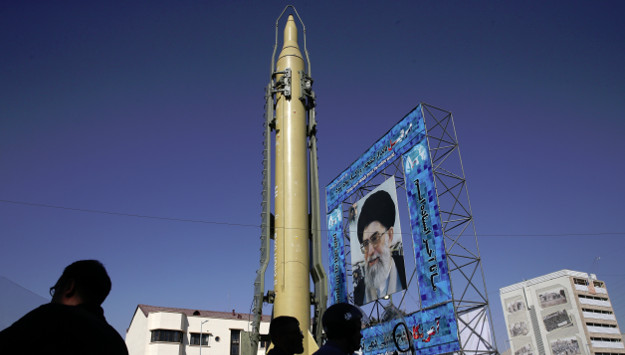
Major General Ahmed al-Assiri, the spokesperson of the Saudi-led coalition forces, has accused Iran of intensifying and prolonging the Yemeni conflict by supporting Houthi rebels, including sharing missile technology with the militants.
Iran and Russia Team up with Taliban to Undermine U.S.-led Mission in Afghanistan
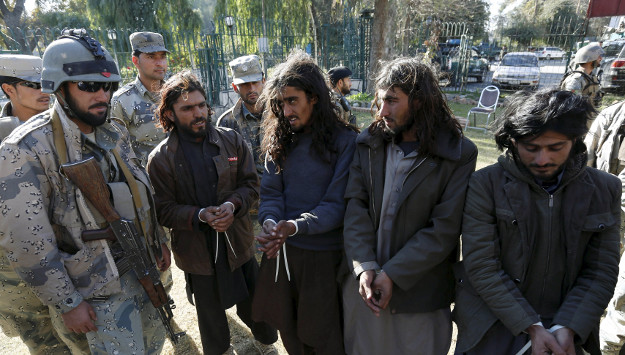
Afghan and U.S. officials say Iran and Russia have teamed up to undermine the U.S.-led stabilization efforts in Afghanistan by sheltering, training, funding and arming Taliban insurgents. They claim that the two countries have not only expanded their diplomatic engagement with the Taliban leadership, but are also providing advanced weapons to the insurgents that are fighting the Afghan government and the U.S.-led coalition forces in the country.
Renewal of U.N. Special Rights Rapporteur’s Mandate Angers Iran
Iran’s Foreign Ministry has denounced as “selective and spiteful” the U.N. Human Rights Council’s resolution to renew the mandate of a U.N. special rapporteur to investigate human rights situation in Iran, the Press TV reports.
Top Iranian Cleric Warns of Plot by “Secular” Iranians and “Foreigners” to Topple Regime
A top aide to Supreme Leader Ali Khamenei has warned that “a number of opportunists” intend to wage a “political expedition” to empower “secular” movements in order to seize power in the country.
India and Egypt: Economic Reconstruction and Stabilization
Six years after the fossilized authoritarian regime of Hosni Mubarak was swept from power by a tide of popular discontent, Egypt continues to face a multitude of economic and other challenges. This essay discusses the role that India has played, and could play in helping set Egypt’s economy on a more stable footing while broadening and deepening the bilateral relationship.
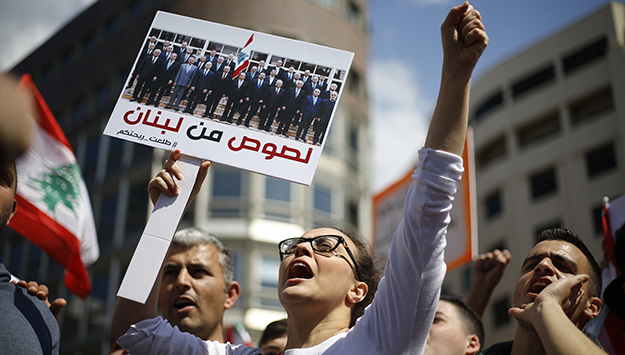
Lebanese protesters were out on the streets again over the weekend, this time against a new national budget that includes a number of tax hikes. The government claims the tax hikes are necessary to fund an overdue pay raise for public sector employees. In a country steeped in overt corruption—Lebanon ranks 136 of 176 states in Transparency International’s Corruption Perception Index—that message was always going to be a tough sell.
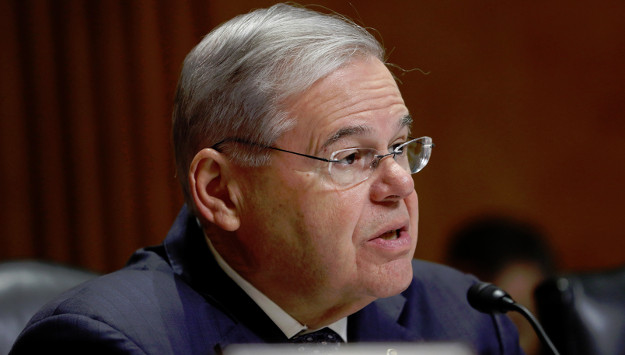
A bipartisan group of U.S. senators today introduced a bill that would impose tighter U.S. sanctions on Iran for its ballistic missile program and other non-nuclear activities, Reuters reports.
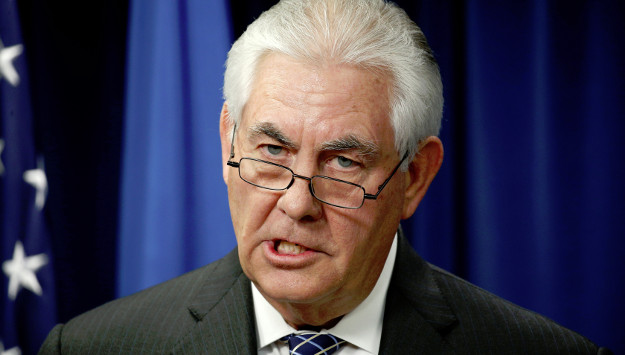
Tillerson’s Remark on U.S. Long-Term Strategy in Syria and Iraq Alarms I.R.G.C.
U.S. Secretary of State Rex Tillerson’s March 22 remark that the United States and its allies will remain engaged in Syria and Iraq long after the Islamic State is defeated has provoked an angry reaction in Iran.
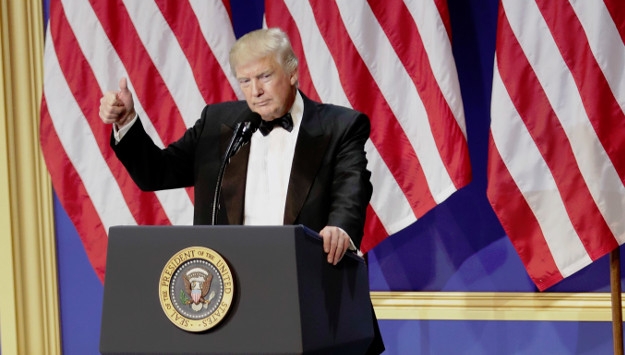
When I was approached last summer by New York University’s Hagop Kevorkian Center for Near Eastern Studies to teach a class this spring, I did not imagine the changes that would take place in the American political landscape. Since Donald Trump took office, his promise to place “America first” has manifested itself in numerous ways. Although I am committed to the university and the students, traveling to the United States is becoming less and less enticing.