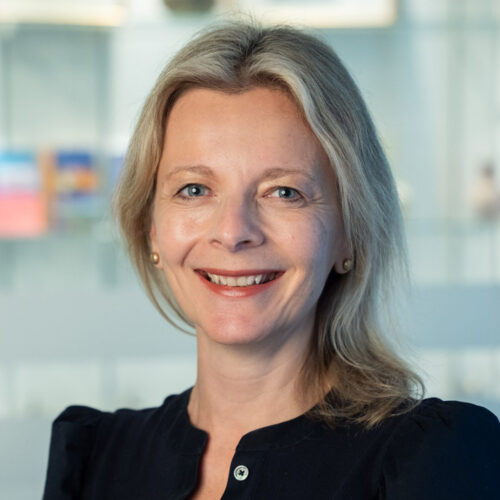
Sara Sadek is an affiliated researcher and coordinator at the Center for Migration and Refugee Studies (CMRS) at the American University in Cairo. She obtained an MA in Refugee Studies from the University of East London. Since 2005, she has worked on various research projects on Iraqi and Sudanese communities in Egypt, contributing to a report on Iraqis in Egypt and recently producing a paper on challenges of integration for Iraqis in Arab states for the Henry L. Stimson Center’s forthcoming volume Transnational Challenges.
The Latest from Sara Sadek
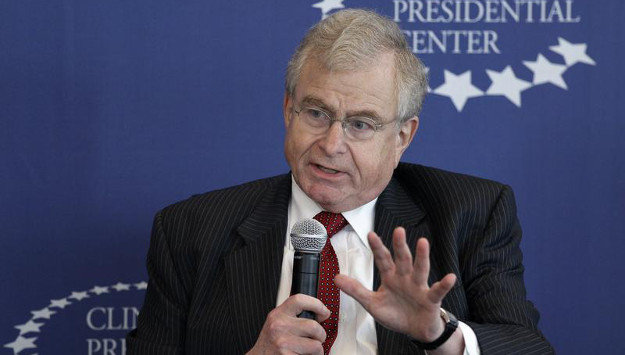
Sandy Berger (1945-2015)
The Middle East Institute (MEI) is saddened to learn of the passing of Sandy Berger, who died today at age 70. Berger was among the nation’s most distinguished public servants, serving as National Security Advisor to President Clinton from 1997-2001. He was also a member of MEI’s International Advisory Committee.

Mega Projects and the Limits of Urban Planning in Megacities: The Case of Istanbul in the AKP Era
This essay examines the politics of the Istanbul Master Plan, which was created by the Istanbul Metropolitan Planning and Urban Design Center (IMP), focusing on the role of non-governmental organizations. The essay addresses three main questions. First, to what have NGOs been involved in the formulation, implementation, and oversight of the Istanbul Master Plan? Second, what form has their activism taken and what has been the response of the AKP government? And third, what are the prospects for achieving the balance between conservation and development originally envisioned by the Istanbul Master Plan?
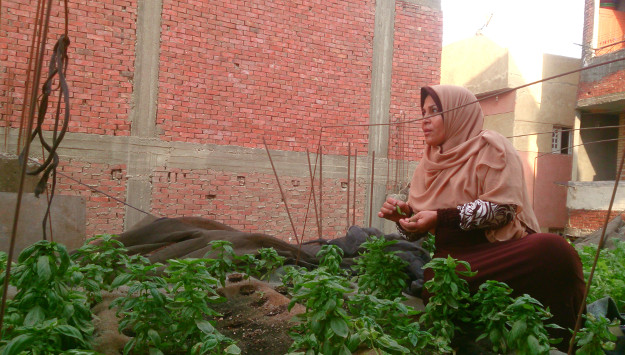
Food Needs Drive Cairo Residents to the Rooftops
On the rooftop of a three-story brick building tucked inside a dusty alley of ‘Izbat al-Nasr, a poor and informal neighborhood southeast of Cairo, Leila Hussein crouches, tending to the basil and rocket she grows. The incessant cackling of geese, chickens, and pigeons emanating from the roof of a similarly run-down, red brick structure opposite the street gives an eerie, rural soundtrack to her meticulous work.
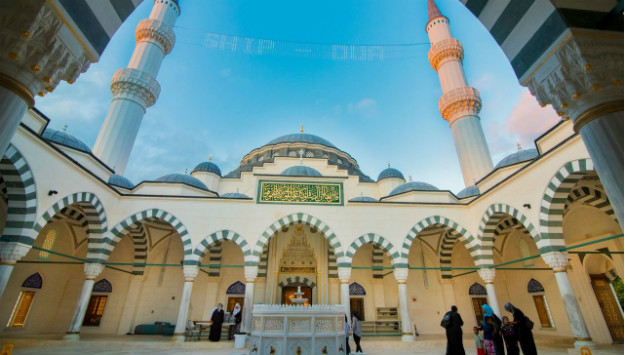
A Mosque Grows in Lanham: New Institutions Seek to Rebrand Islam in America
Something is different about Greater Washington’s new Islamic center in Lanham, Maryland, which recently opened after several years of construction. It boasts an aquatics hall complete with a swimming pool for doing laps and a traditional Turkish bathhouse with separate sections for men and women. It has outdoor tennis courts, a chess club, and several guest villas inspired by 16th century Ottoman architecture. A female chaplain is already on staff, ready to issue fatwas alongside her male colleagues.
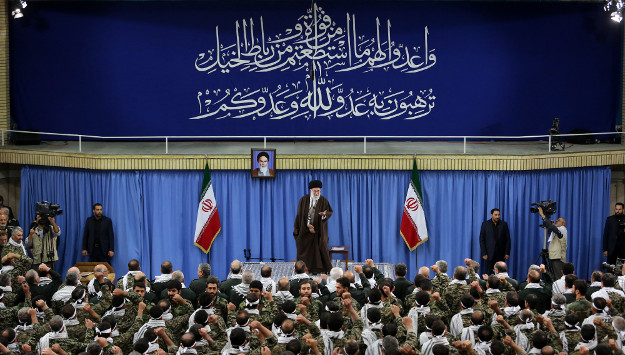
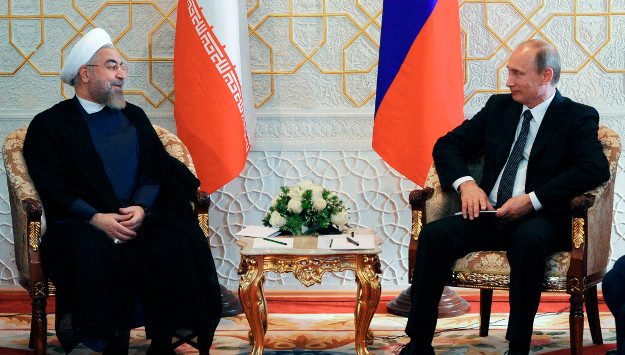
Pulling the Strings: How Khamenei Will Prevent Reform in Iran
Read the full article on Foreign Affairs.
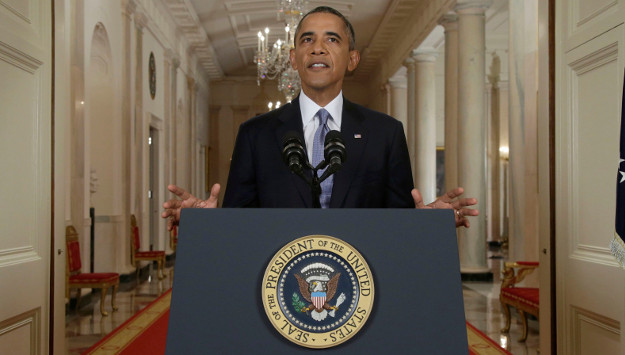
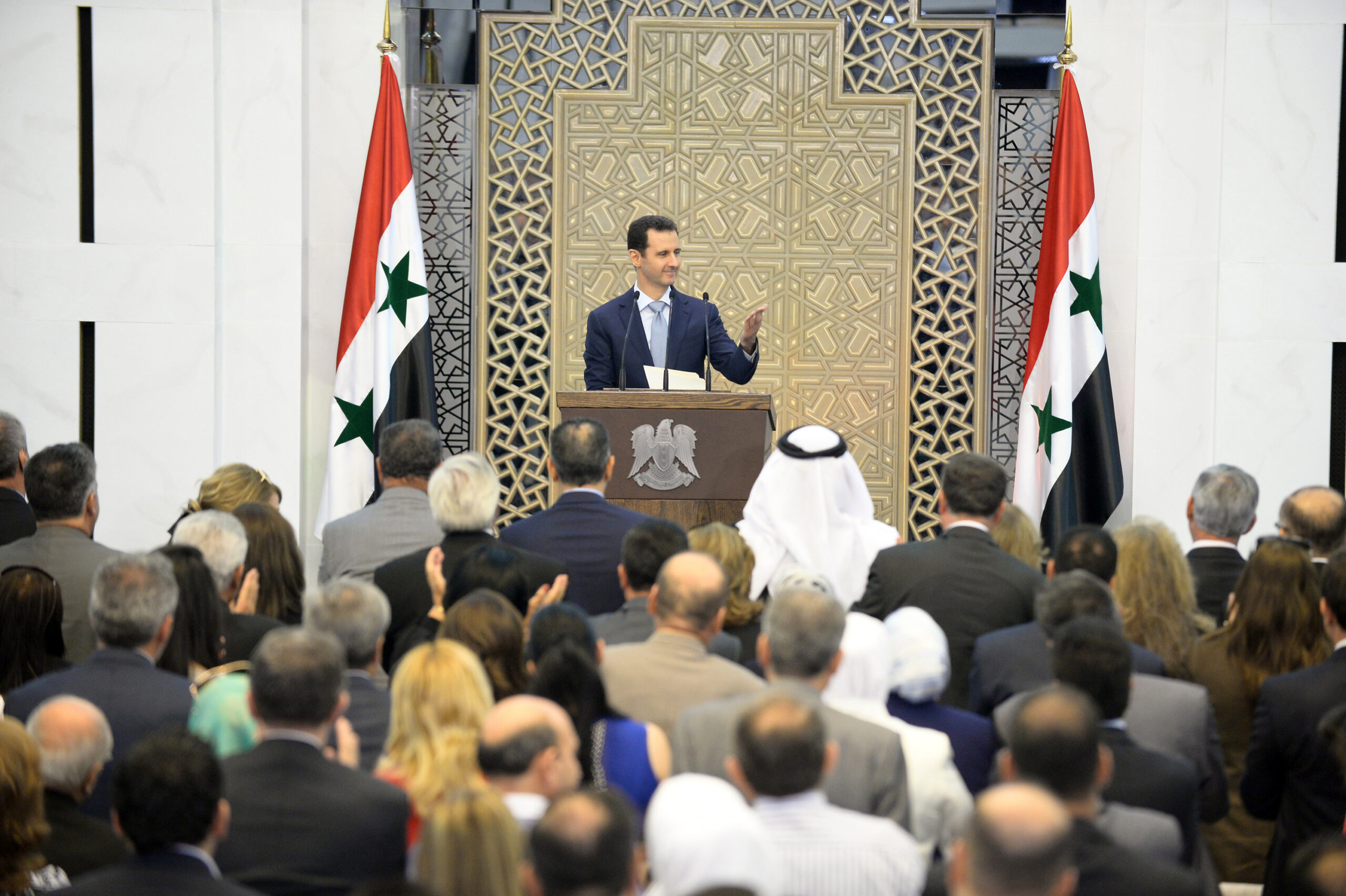
Charting a Course for Syria after Paris and Vienna
The shooting down of a Russian SU-24 by Turkey on November 24 has ratcheted the Syrian crisis to a new level of urgency. This escalation, combined with the horrific attacks in Paris and the security situation still unfolding across Europe, is understandably dominating the news cycle. Amidst this tumult, however, the results of the Vienna Summit of November 14 have been largely buried. In truth, the downing of the Russian fighter and the massacre in Paris underscore the importance of looking again at what came out of the Vienna talks and what steps the U.S.
Space Matters: Civil Society in Indonesia at the Crossroads
The enactment of the Gubernatorial Regulation (Peraturan Gubernur / Pergub) 228/2015 introduced new restrictions on public demonstrations in Jakarta. Though this measure was soon thereafter revised, subsequent warnings by police raise questions about the scope of freedom of expression in Indonesia as well as the current and future role of civil society there.
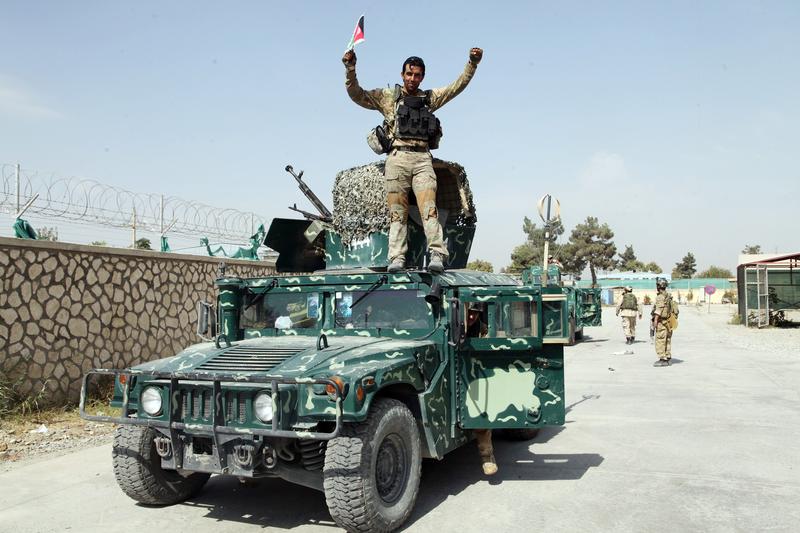
Reappraising the U.S. Military Strategy and Mission in Afghanistan
Keynote by Amb. Robert Ford at MEI's 2015 Annual Awards Banquet
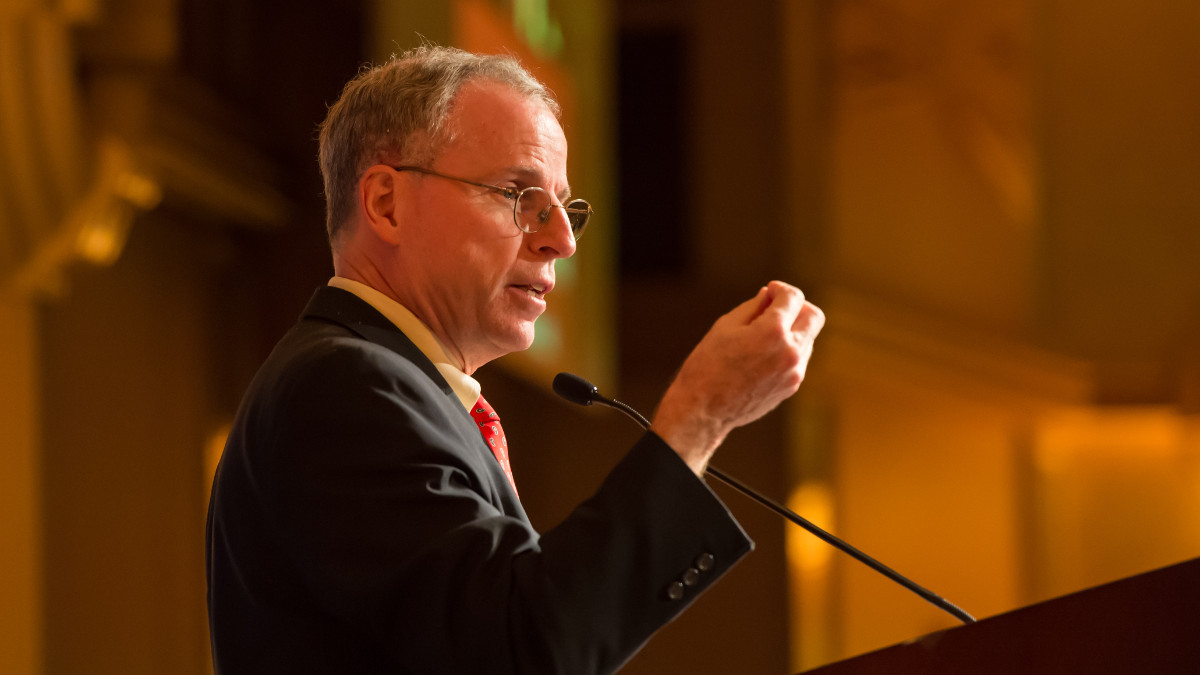
Robert S. Ford, senior fellow at The Middle East Institute and former U.S. Ambassador to Syria and Algeria, delivered the keynote address at MEI’s Annual Awards Banquet on November 12, 2015, in Washington, D.C.
Obama's Mideast Legacy and the Next Administration

The first panel at MEI’s 69th Annual Conference featured Prem Kumar (Albright Stonebridge Group), Michael Singh (The Washington Institute for Near East Policy), Tamara Cofman Wittes (The Brookings Institution), Robin Wright (The New Yorker, U.S. Institute of Peace and the Woodrow Wilson International Center for Scholars), and moderator Elise Labott (CNN).
Egypt’s Military Business: The Need for Change
The Egyptian state today faces one acute crisis after the other. To be fair, the Egyptian military cannot be held responsible for creating these crises. However, it is unlikely that Egypt will be able to resolve them unless and until the armed forces divests itself of the power and the privileges associated with the immense economic power and privileges it has accumulated.