This individual is a guest contributor. MEI is not able to assist with contact requests.
Sara Sadek is an affiliated researcher and coordinator at the Center for Migration and Refugee Studies (CMRS) at the American University in Cairo. She obtained an MA in Refugee Studies from the University of East London. Since 2005, she has worked on various research projects on Iraqi and Sudanese communities in Egypt, contributing to a report on Iraqis in Egypt and recently producing a paper on challenges of integration for Iraqis in Arab states for the Henry L. Stimson Center’s forthcoming volume Transnational Challenges.
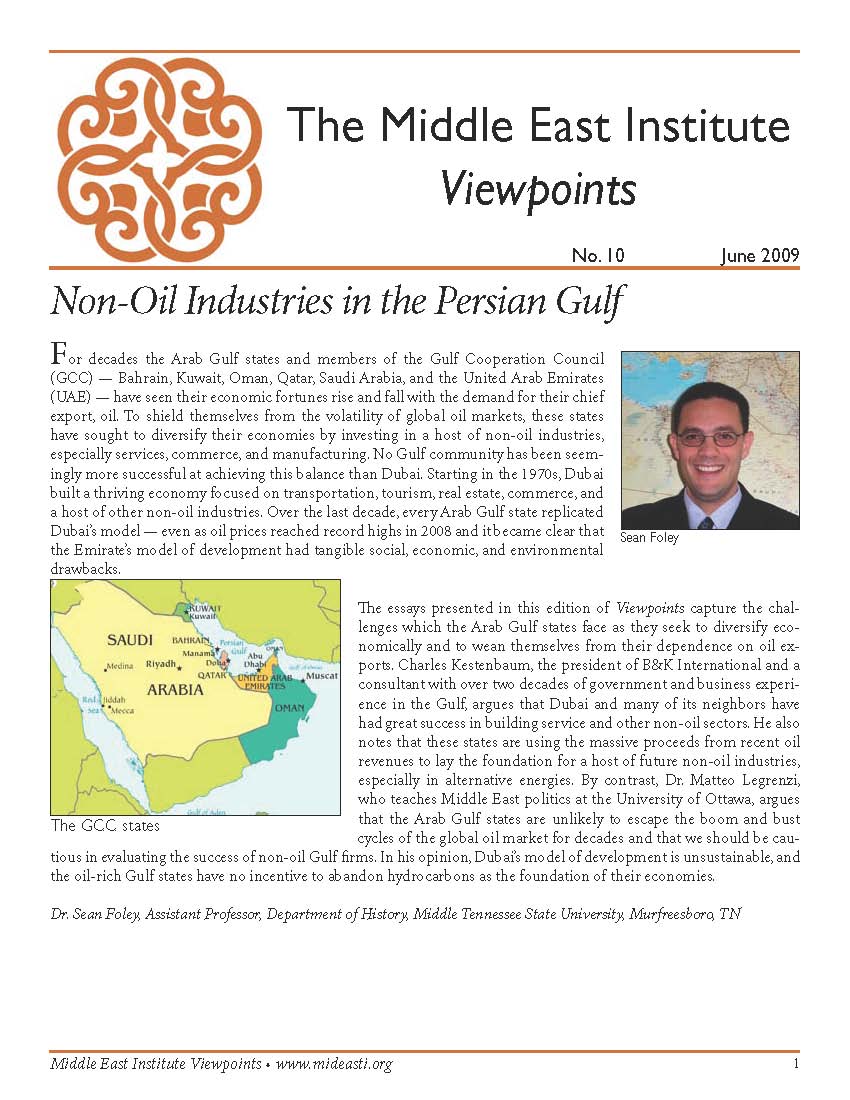
For decades the Arab Gulf states and members of the Gulf Cooperation Council (GCC) — Bahrain, Kuwait, Oman, Qatar, Saudi Arabia, and the United Arab Emirates (UAE) — have seen their economic fortunes rise and fall with the demand for their chief export, oil. To shield themselves from the volatility of global oil markets, these states have sought to diversify their economies by investing in a host of non-oil industries, especially services, commerce, and manufacturing.
The six oil-producing monarchies of the Persian Gulf — Bahrain, Kuwait, Oman, Qatar, Saudi Arabia, and the UAE — are among the most important but also the most enigmatic societies to study.
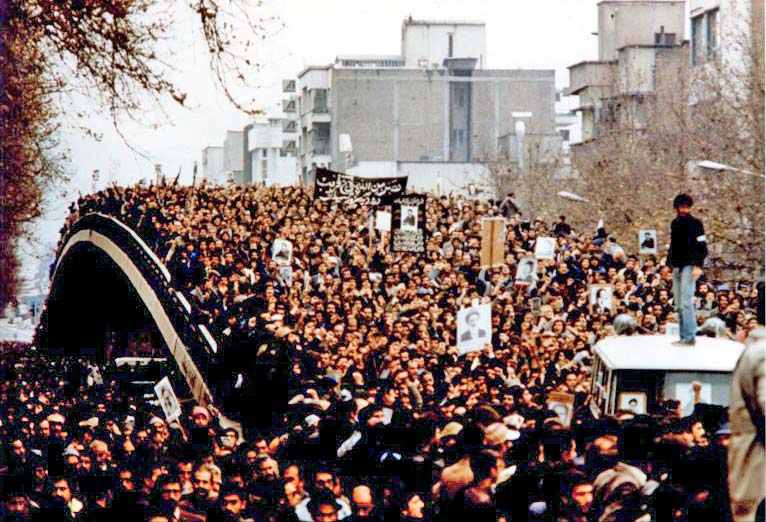
Iran’s political system has not yet developed stable party structures. Most parties are still loose coalitions of individuals and interest groups that combine their own interpretation of Ayatollah Ruhollah Khomeini’s legacy with their personal interests. As party affiliation remains relatively weak, members of one party often have run as candidates for another party or are on several electoral lists. Similarly, unregistered parties or electoral platforms also field candidates for both presidential and parliamentary elections on an ad hoc basis.
Ten years ago, in the summer of 1998, I arrived in Tehran after an absence of more than two decades. Three vignettes describe some of what I experienced and why I decided to stay.