This individual is a guest contributor. MEI is not able to assist with contact requests.
Shahmahmood Miakhel is the Country Director in Afghanistan for the US Institute of Peace (USIP). Prior to that he was a Governance Advisor for the United Nations Assistance Mission in Afghanistan (UNAMA), and, from 2003–2005, a Deputy Minister of the Interior in the Government of Afghanistan. In 1994–1995 he worked for the United Nations Development Programme (UNDP) and United Nations Office for Project Services (UNOPS) in South and Southeast Afghanistan helping to establish District Rehabilitation Shuras (DRS). He also worked as a reporter for the Pashto service of the Voice of America from 1985–1990.
The Middle East in an era of great tech competition
With the acute impacts of US-Chinese global tech decoupling becoming clearer, MENA is slowly emerging as an important region to watch. Economic and geopolitical ties with the West have long dictated the shape of the region’s digital environment, but more recent great power competition and Middle Eastern countries’ pursuit of economic and technological sovereignty have slowly deconstructed these dynamics.
Gender gaps in MENA remain stubbornly entrenched, despite positive trends
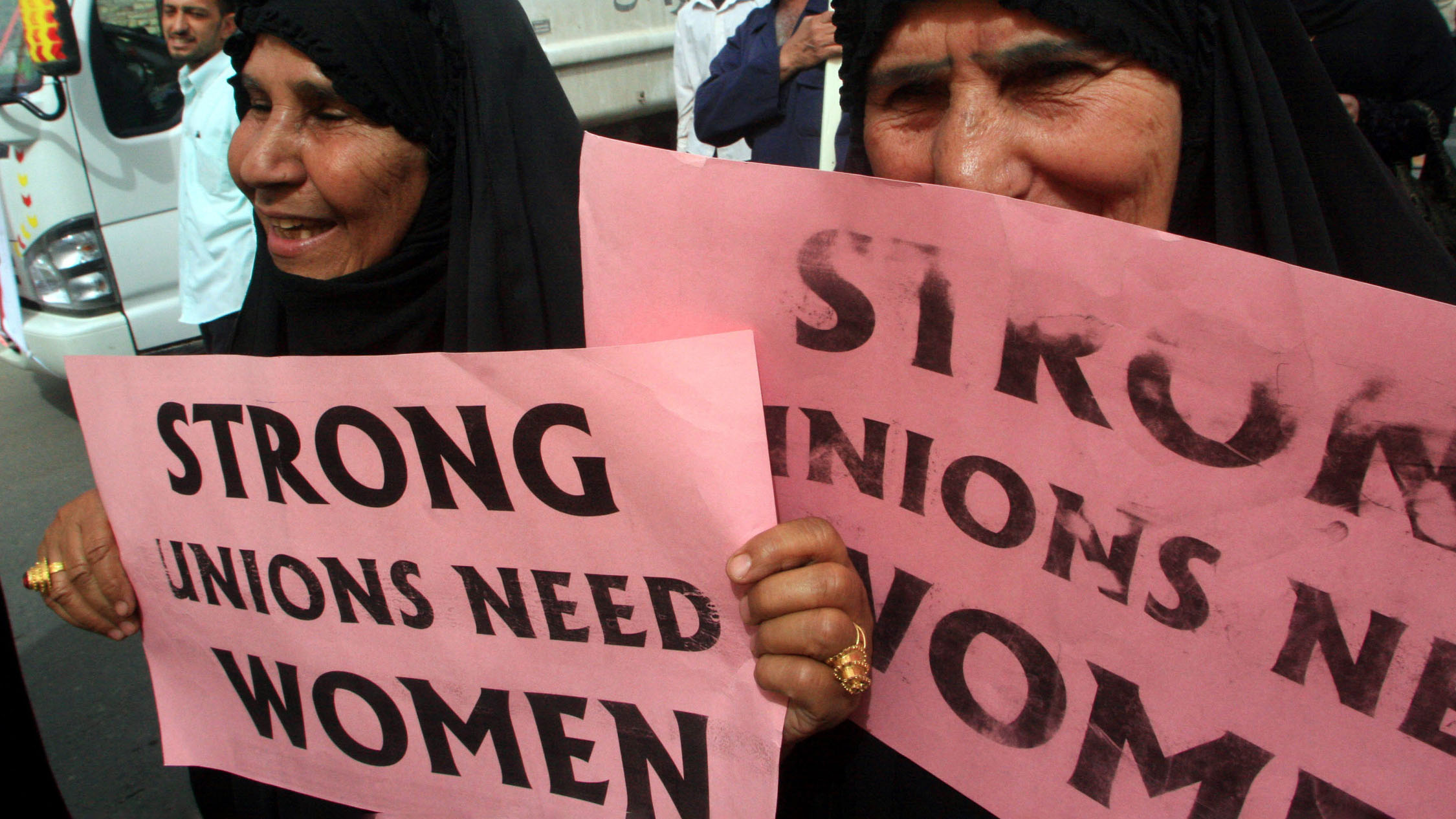
Key findings from the latest Arab Barometer survey, its seventh wave, reveal that, despite some political gains in several Arab states, clear majorities in the 12 countries in which the survey was conducted still hold traditional views on gender norms.
Earthquake devastates southern Turkey, brings calamity to war-torn Syria
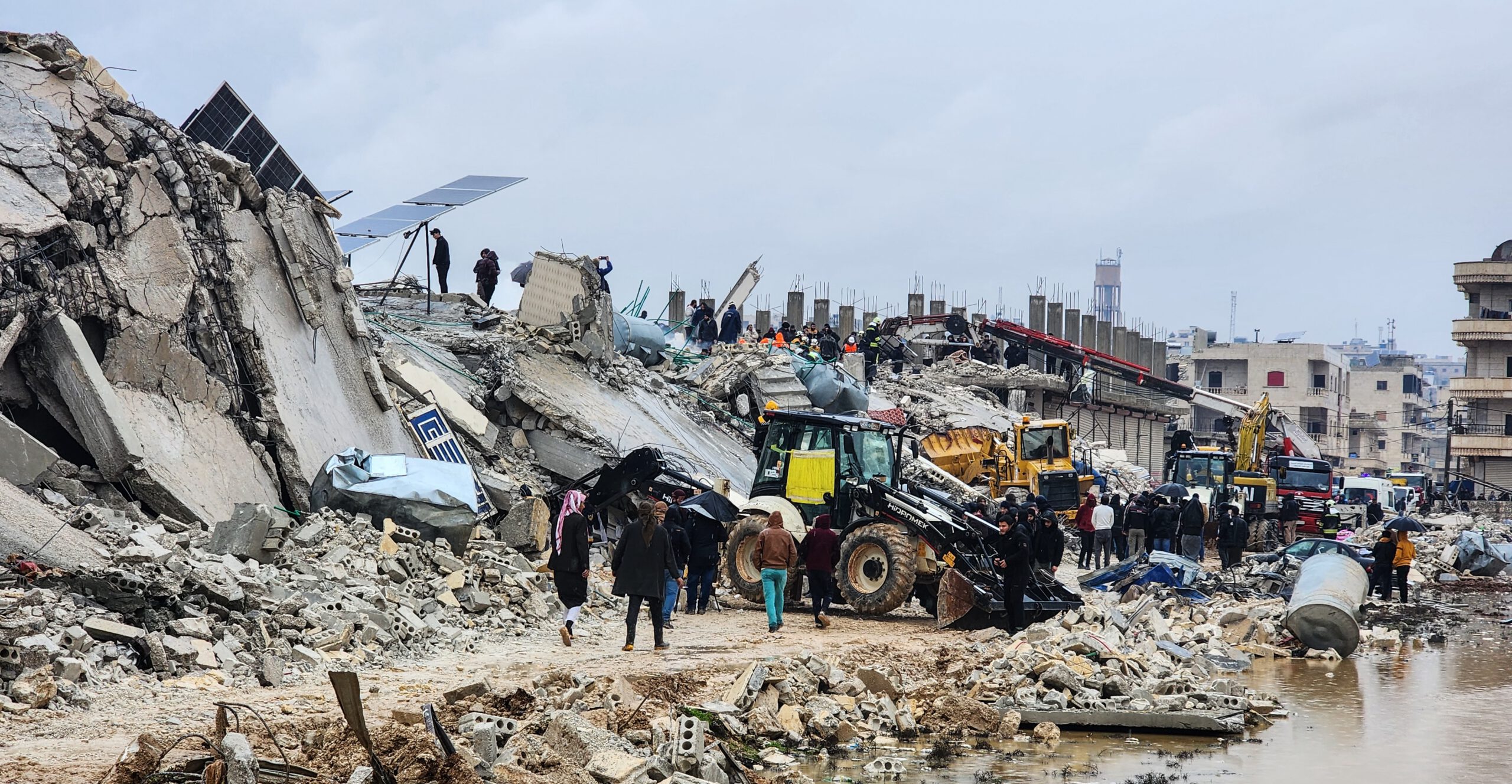
Southern Turkey and northern Syria were struck by a crippling 7.8 magnitude earthquake at 4:17 AM, on Feb. 6. Twelve hours later, at least 2,400 people are known to have perished, with death tolls rapidly rising. This natural disaster could not have come at a worse time or struck a more vulnerable region — with notoriously poor construction in southern Turkey and the effects of more than a decade of brutal conflict still afflicting northern Syria.
Politics and Civic Engagement in North Africa: Present Trends and Future Outlook
In the North Africa and Middle East region, there is a battle for citizenship currently lurking behind the façade of a reemerging authoritarianism. Indeed, in most cases, the revolutions and transitions that spread across North Africa and the Middle East since 2011 have crystalized into resurgent authoritarian regimes that target freedoms and liberties and reverse political openings, while still contending with the economic and governance crises. But this is only one layer.
The Biden administration is missing Netanyahu’s transparent game of destructive leveraging
Netanyahu is skillfully building a set of menacing tools, mechanisms, capabilities, and policies that create a credible threat to the current order. Today, he is executing this strategy to achieve success on three key issues: annihilating the Oslo Accords and the two-state solution, curbing Iran’s nuclear weapons program, and carrying out what is effectively regime change in Israel. The U.S. must swiftly and decisively confront and foil Netanyahu’s destructive leverage vectors or else it will find itself on the wrong side of history on some or all of these three critical fronts.
Syria’s crisis is set to enter its 13th year in March. Although the level of violence across the country remains relatively low today compared with earlier years, the crisis is a long, long way from over. Within Syria, at least six distinct conflicts involving internal actors and foreign governments are ongoing to this day, and all of them show more signs of escalating than calming down.
Seeding future stability: How can startup ecosystems help build peace?
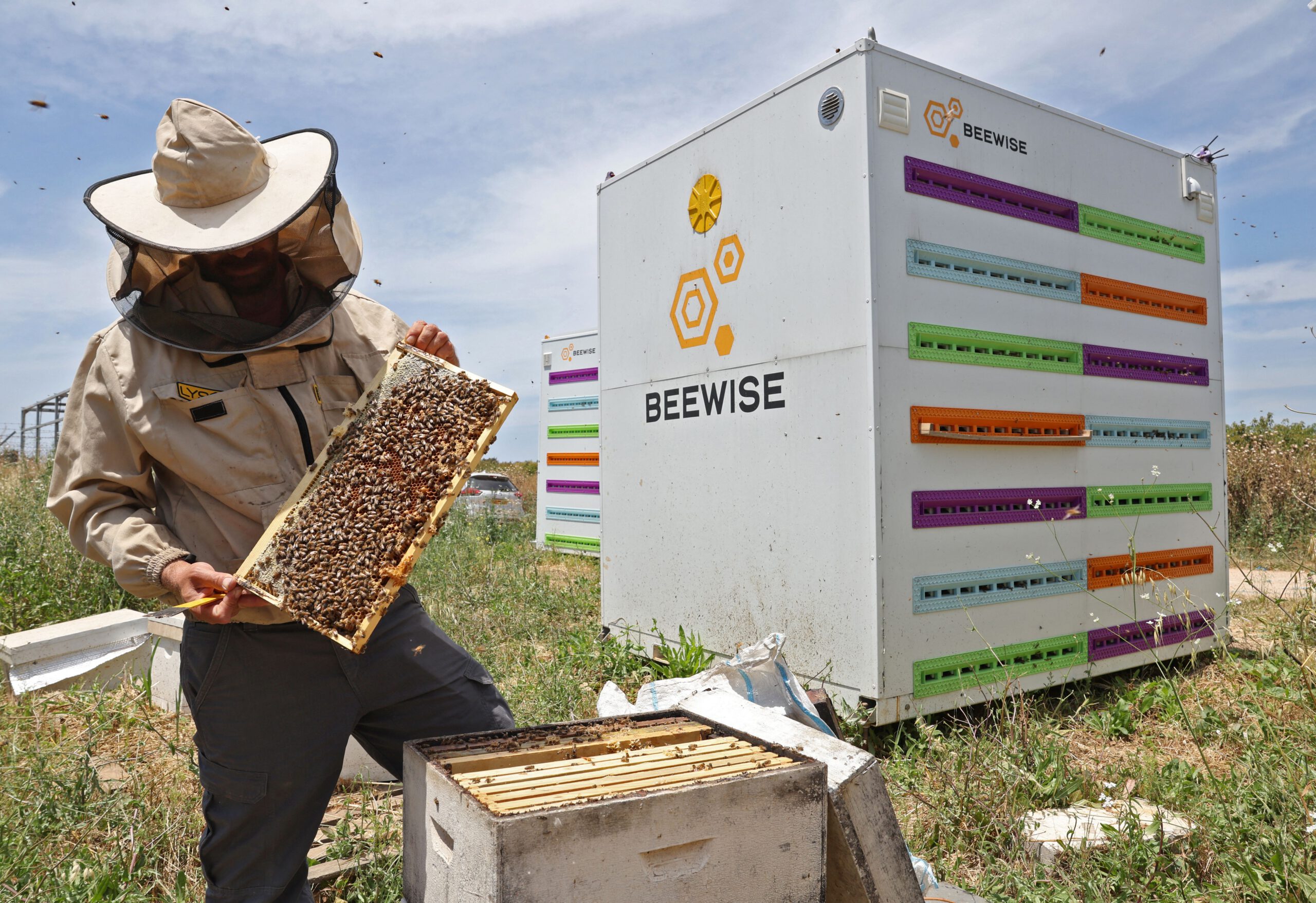
Disregarding the fundamental desire for economic opportunity carries real risk to stability and peace. If we imagine different possible futures for economically disadvantaged communities in MENA and elsewhere, one difference between conflict futures and peaceful, stable ones may be the degree to which entrepreneurial capability is afforded the conditions in which to thrive.
A message to Tehran: What drone attacks on Iranian critical infrastructure tell us
For the first time in several months, Iranian critical military infrastructure again came under attack from an unknown assailant. The Jan. 28 drone attack on a Ministry of Defense workshop complex appeared designed to deliver a politico-strategic message. The strike may mark the beginning of a more unstable post-JCPOA security environment in the Middle East characterized by a return of deterrence and risk-taking behavior.
Justice, the Beirut Blast, and Lebanon's Continued Crisis
MEI’s U.S.-Lebanon Fellow Fadi Nicholas Nassar speaks to Ronnie Chatah – host of the Beirut Banyan and founder of WalkBeirut – about justice in the wake of the Beirut Blast. Why have family members of the blast’s victims recently been arrested, and where does accountability lie as Lebanon continues to slip into further crisis?
Taking stock of the first 100 days of Iraq’s new government
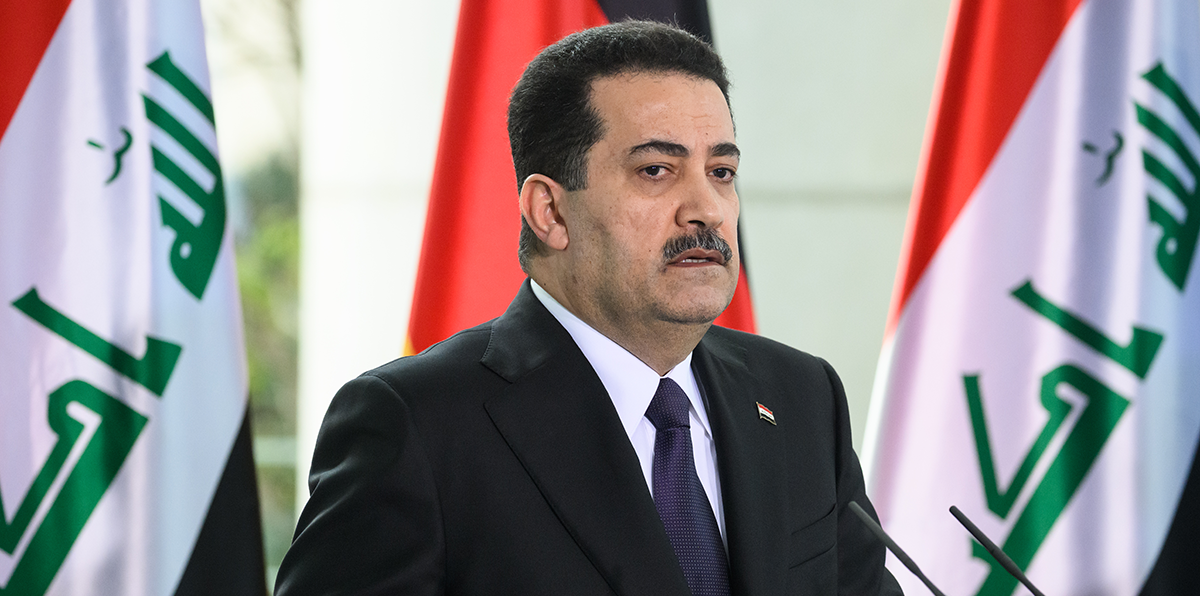
In its first 100 days in office, the government of Iraqi Prime Minister Mohammed al-Sudani has already left warning signs about what might lie ahead for the country. Although it is still in its early days, government actions have largely strayed from the promises Sudani made before taking office and resulted in setbacks on several fronts.
Saudi Arabia’s proactive military strategy in southern Yemen is a risky gamble
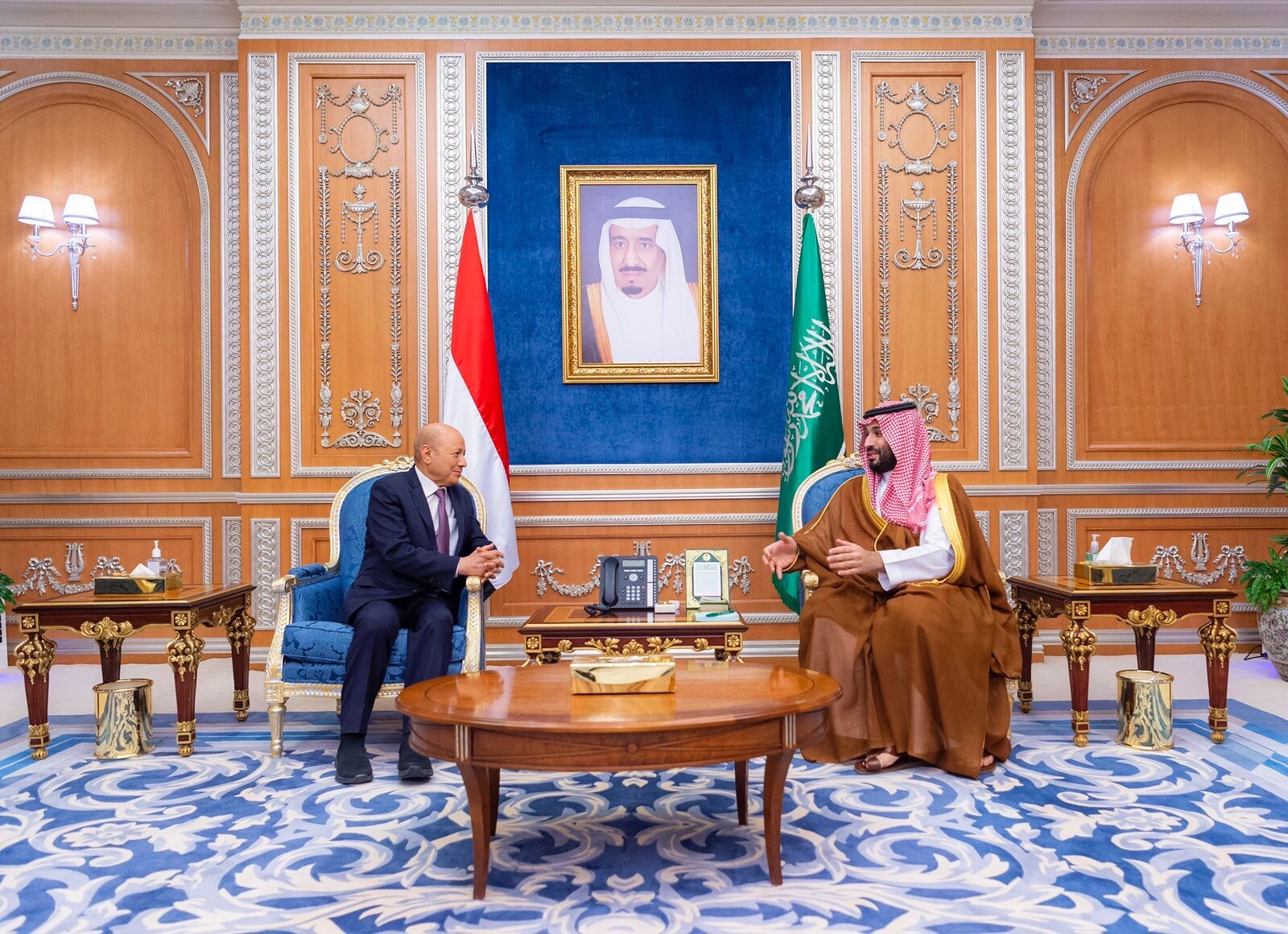
Despite formal agreements and vast financial resources, Saudi Arabia has largely failed to integrate the various armed groups in Aden and southern Yemen under one national security sector. This adds to Riyadh’s ineffectiveness in establishing military-political influence in southern Yemen or in limiting the UAE’s continuing leverage. In an effort to boost its influence, since late 2022 Saudi Arabia has established new armed formations in Aden and nearby governorates, such as the Nation Shield Force.
The EU and its policy toward the Middle East: What might change in 2023?
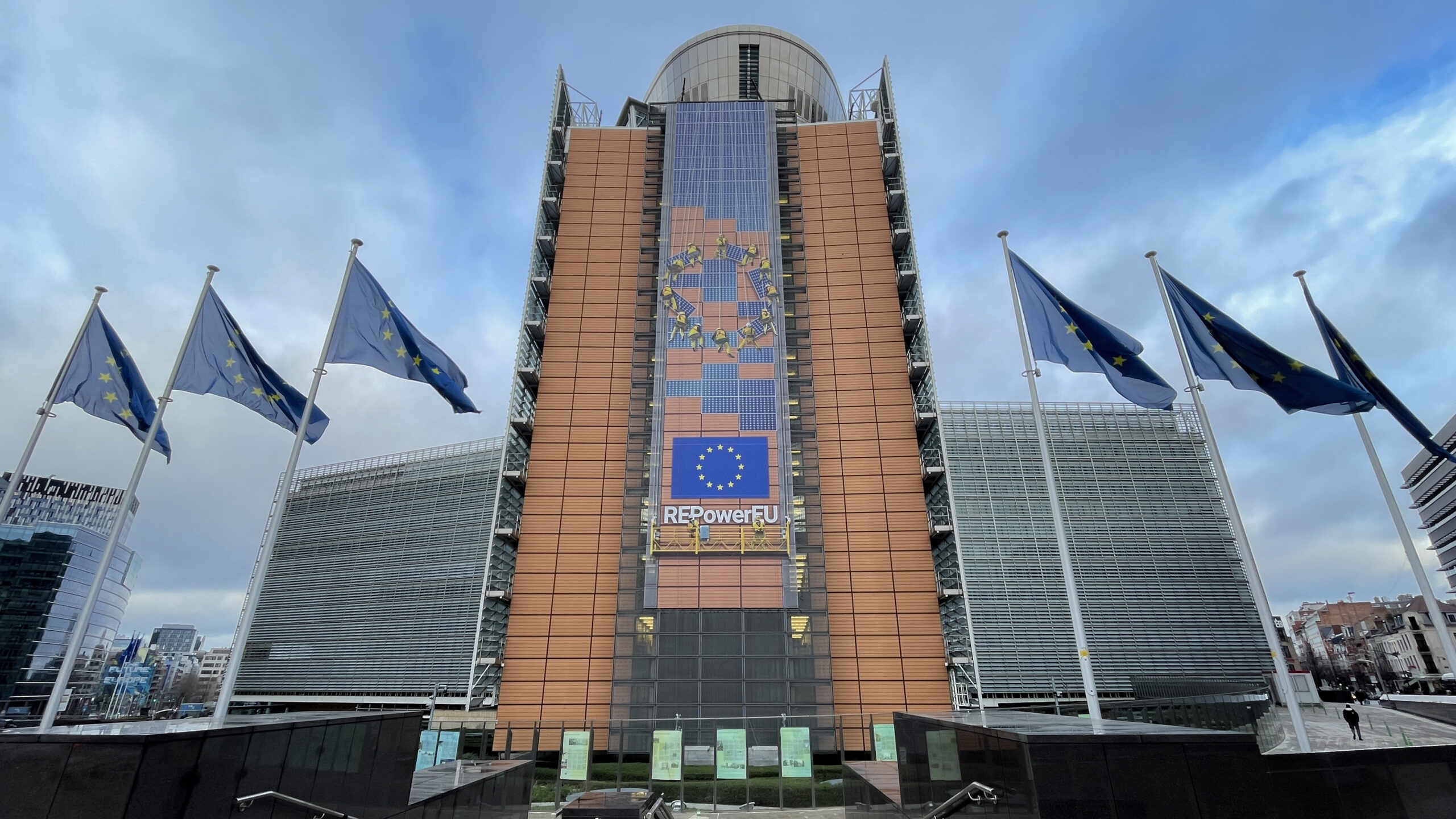
The lack of a nuclear deal with Iran, the risk of escalating tensions in the Israeli-Palestinian conflict, and the increasingly complex relationship with Turkey are just some of the thorny regional issues facing the European Union. A breakthrough on any of these three issues this year will be exceedingly difficult.