This individual is a guest contributor. MEI is not able to assist with contact requests.
Shahmahmood Miakhel is the Country Director in Afghanistan for the US Institute of Peace (USIP). Prior to that he was a Governance Advisor for the United Nations Assistance Mission in Afghanistan (UNAMA), and, from 2003–2005, a Deputy Minister of the Interior in the Government of Afghanistan. In 1994–1995 he worked for the United Nations Development Programme (UNDP) and United Nations Office for Project Services (UNOPS) in South and Southeast Afghanistan helping to establish District Rehabilitation Shuras (DRS). He also worked as a reporter for the Pashto service of the Voice of America from 1985–1990.
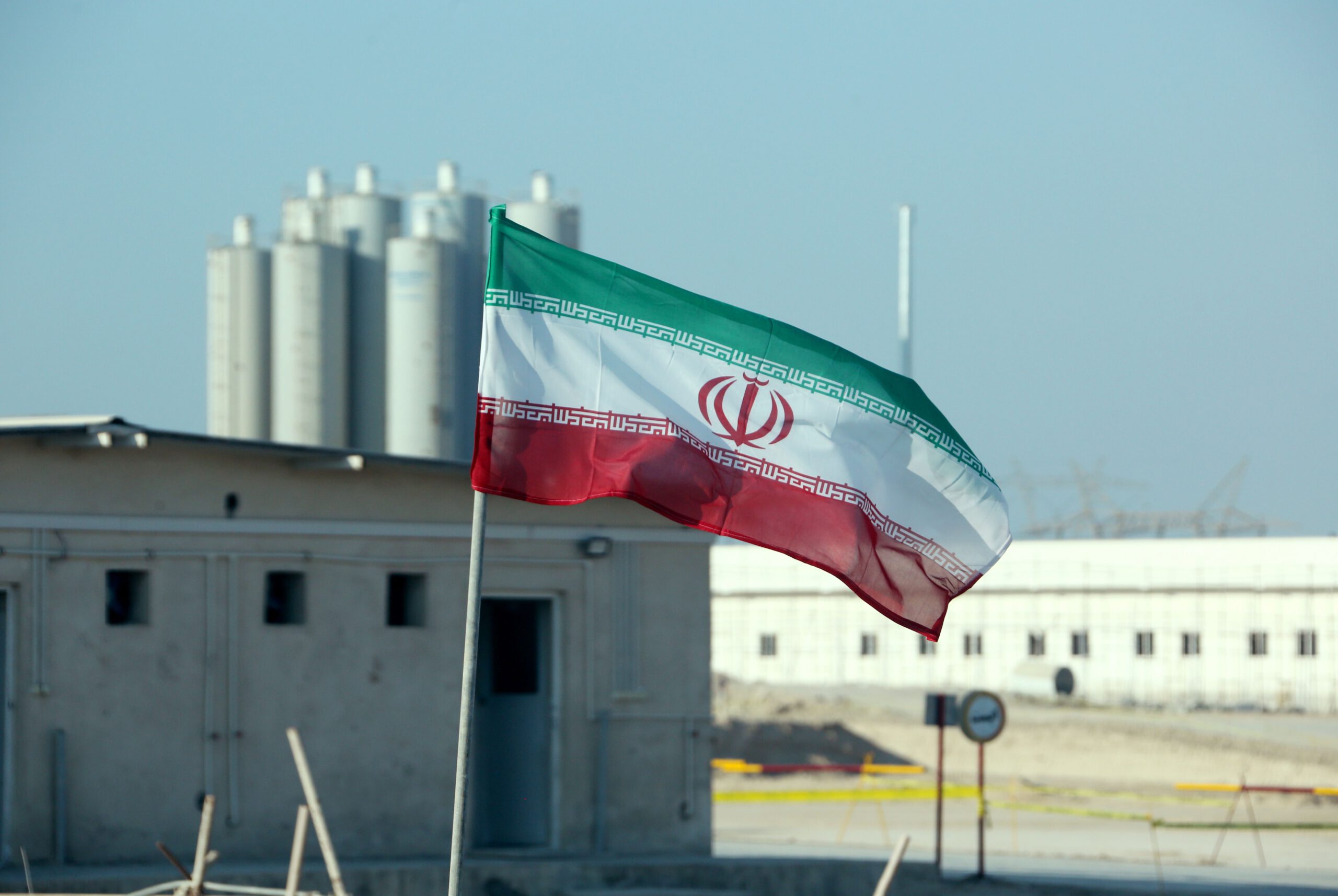
The Iran protests and US policy on Tehran’s nuclear program
When the Iranian government faces intense Western criticism, such as over its brutal suppression of the protest movement and its recent executions, it frequently resorts to specific actions, one of which is hostage-taking. Nevertheless, perhaps the most important “hostage” Tehran counts on to influence the positions of Western powers is not their imprisoned citizens, but rather Iran’s nuclear program.
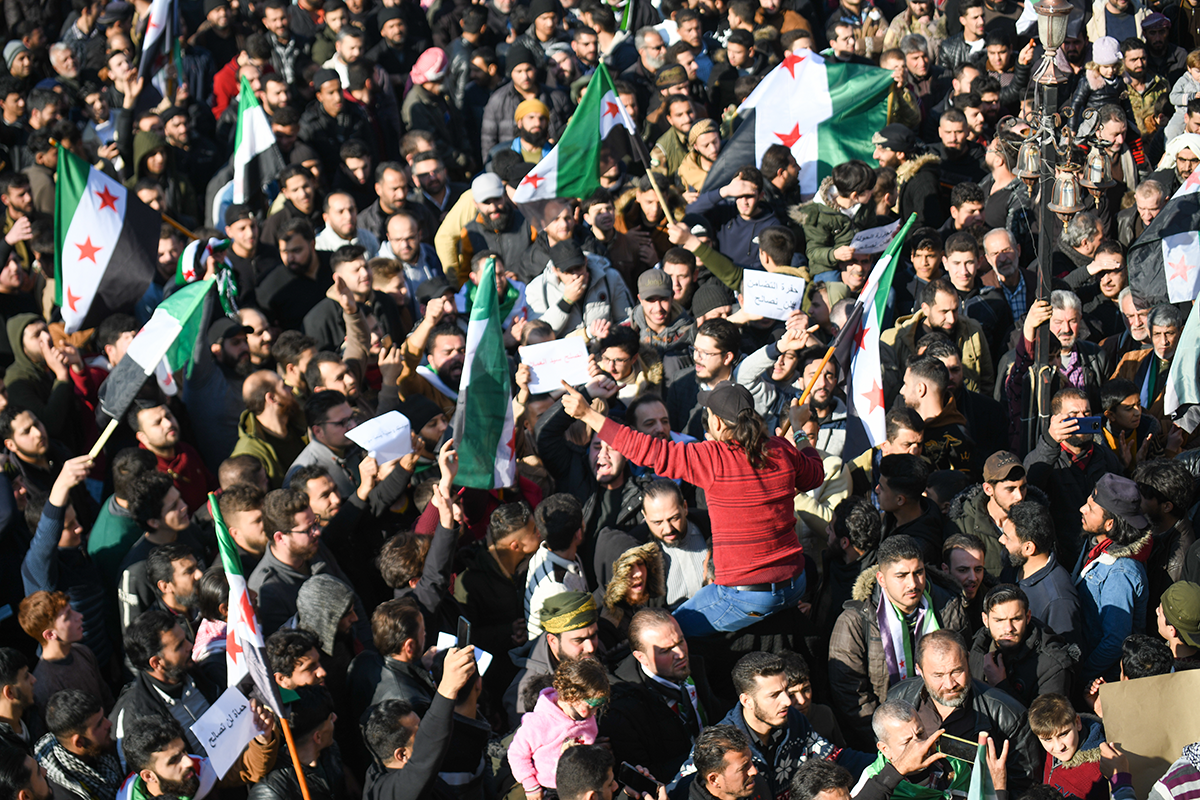
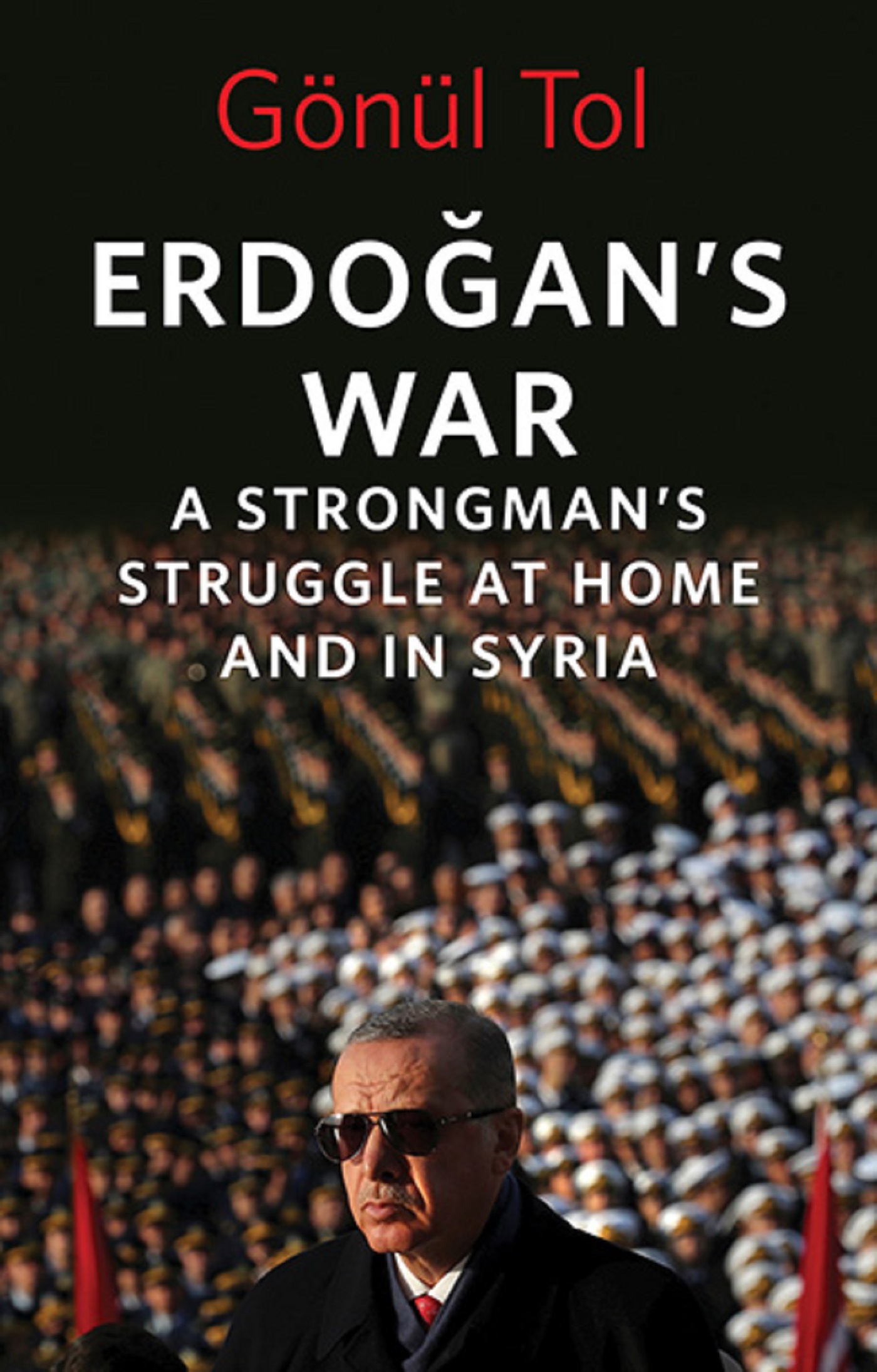
Turkish-Syrian Re-engagement: Drivers, Limitations, and US Policy Implications
A little over two weeks ago, the defense and intelligence chiefs of Turkey and Syria met face-to-face in Moscow — the first such meeting in over a decade. On the surface, this latest flurry of engagement with Assad’s regime is a major development. Were Turkey to decisively shift its Syria policy, the effects would be dramatic. Beyond the hype and speculation, Turkey’s decision to participate in the Moscow meetings is not altogether surprising and it does not represent a wholesale policy reversal. What has changed more recently is Turkey’s impending elections — and with them Erdoğan’s political calculations.
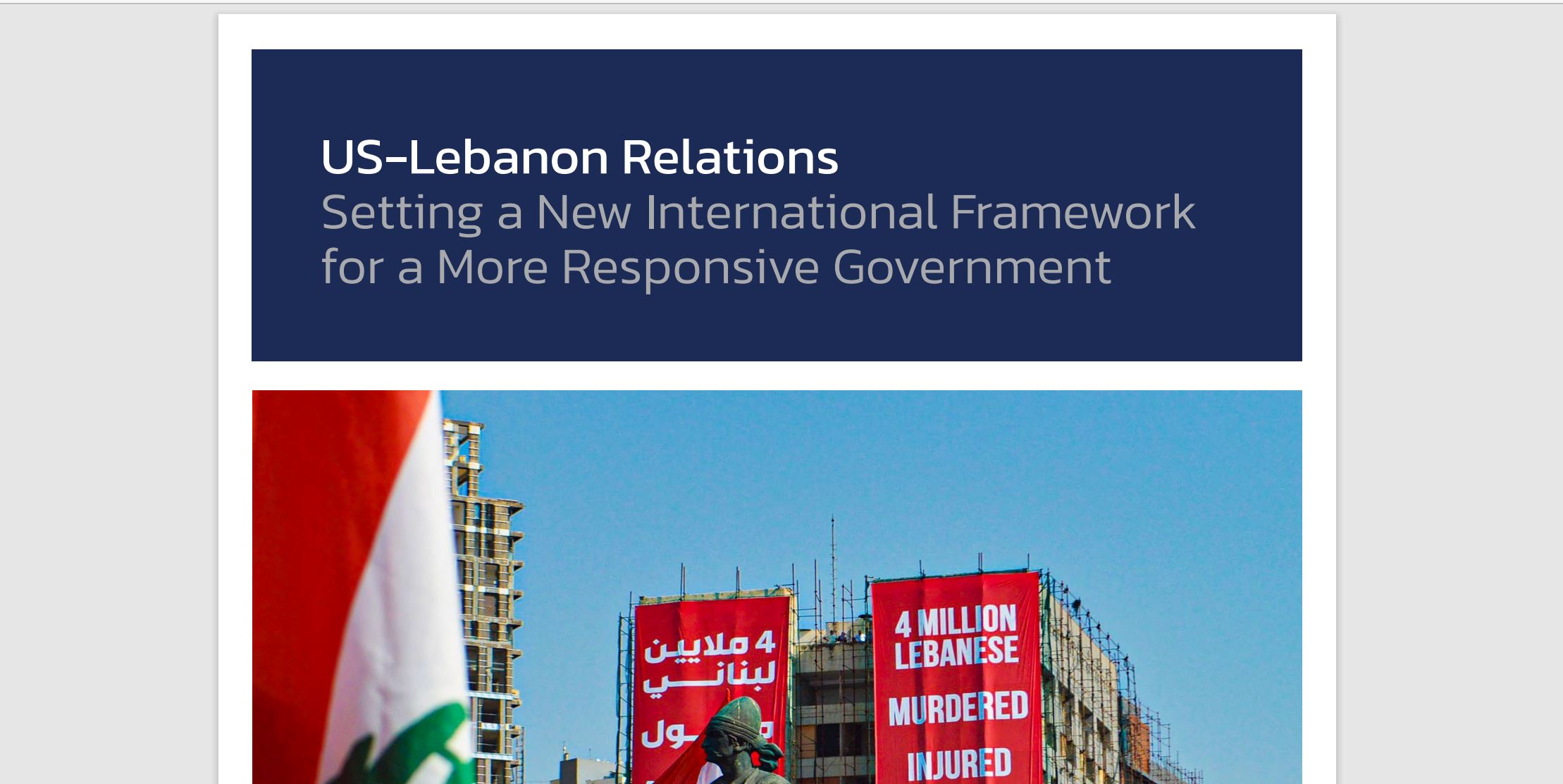
US-Lebanon Relations: Setting a New International Framework for a More Responsive Government
Lebanon is on a tragic trajectory, never before seen in its history. The next few months, with or without needed reforms, will shape its path for years to come.
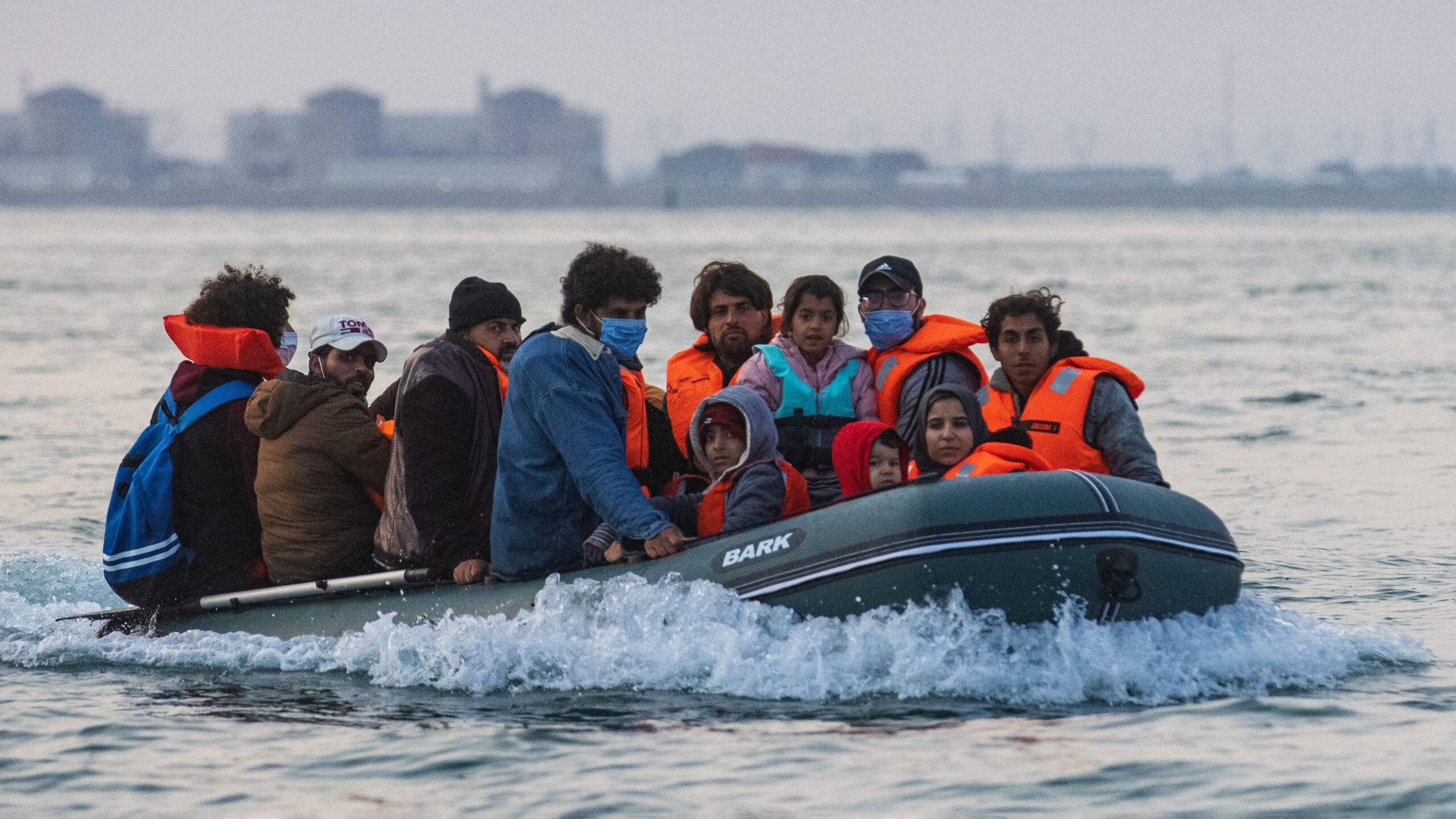
Climate-induced migration in the GCC states: A looming challenge
Gulf states are collectively investing billions of dollars in developing renewable energy. Yet climate change patterns in neighboring regions, combined with rising average temperatures, could eventually trigger more serious climate migration problems for the Gulf countries themselves.
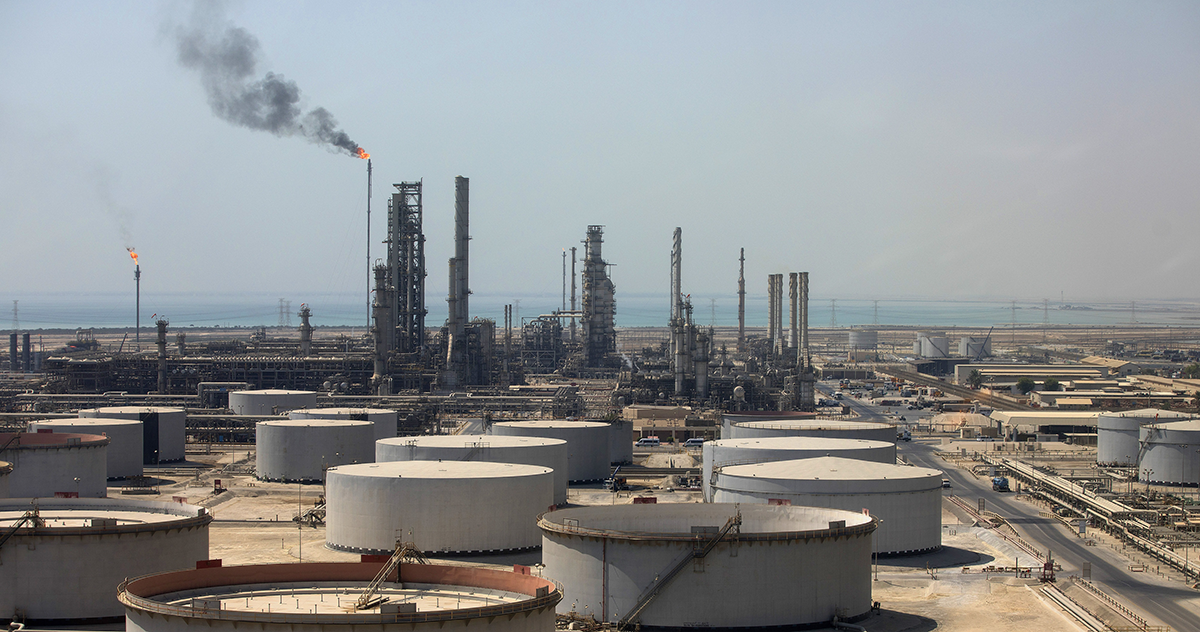
The Gulf states: Beneficiaries of the Russia-Europe energy war?
The Gulf states are often overlooked as indirect beneficiaries of the Russia-Europe energy war. In what ways and to what extent have they leveraged it? Are these benefits sustainable?
Eastern Mediterranean gas discoveries, progress, and what to watch in 2023
The challenge of developing export strategies for the offshore natural gas resources concentrated in the Eastern Mediterranean predates the Russo-Ukrainian war. Yet over the course of 2022, Europe’s intensifying energy crisis created a new and more immediate incentive to solve those export challenges, despite a great deal of work still to be done.
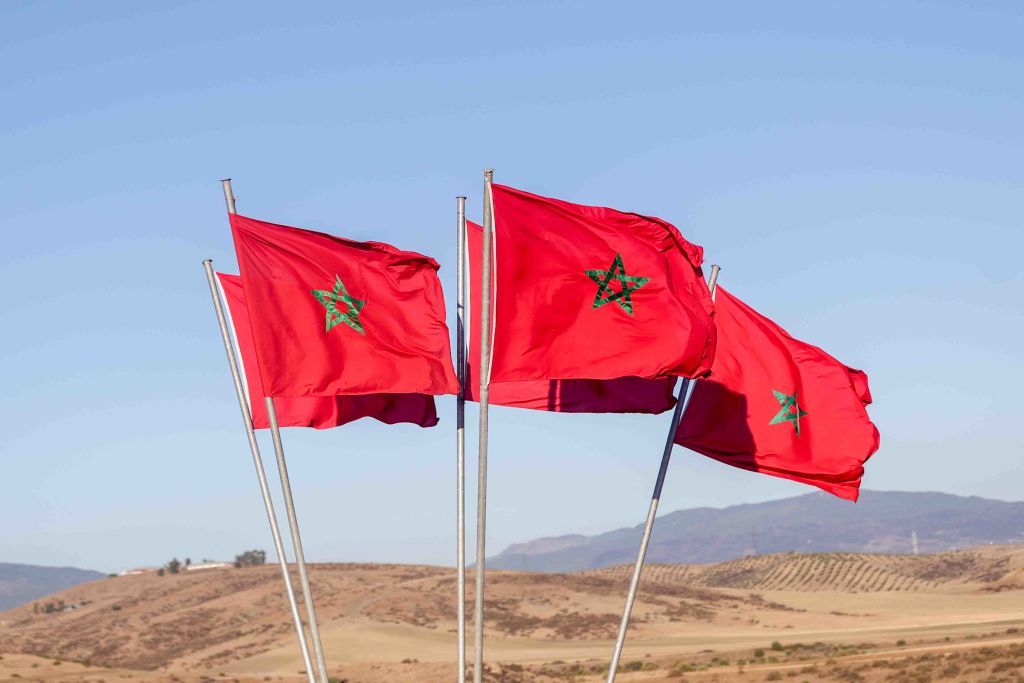
For the past ten years, Italy and Morocco have been two of the most economically dynamic countries in the Mediterranean basin. Morocco’s rise as a manufacturing and distribution hub for companies seeking to nearshore operations close to mature European end-markets, as well as emerging African end-markets, has created new potential synergies for a deeper Italy-Morocco commercial partnership.
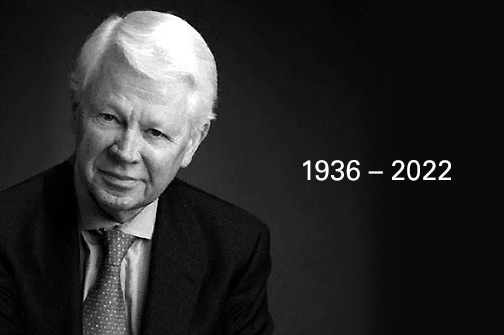
It is with great sadness that we received the news of the passing of former MEI board member Mr. Joseph Brand, who died at his home on December 17th 2022. Mr. Brand served on the board from 1996-2014 and over the course of almost two decades, he worked to transform MEI into the leading Middle East think tank in the United States. Mr. Brand was deeply supportive of MEI and its mission, and helped to onboard and mentor many current and past members of the Institute’s Board of Governors.
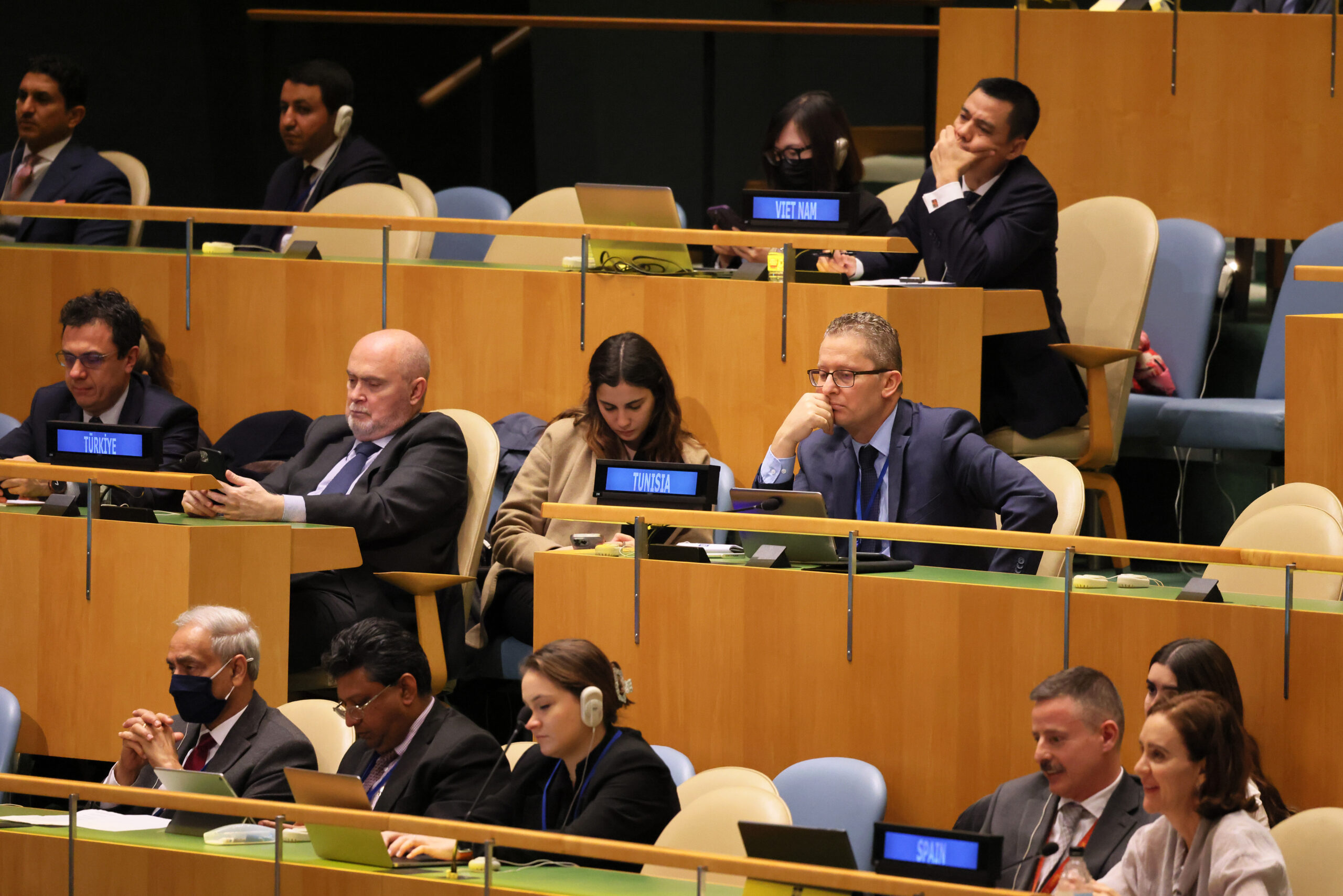
What the UN vote tells us about international sentiments and Israeli diplomacy
The Dec. 30 vote at the United Nations General Assembly (UNGA) regarding Israel reflected once again that the international community does not generally accept the Israeli narrative regarding the Palestinian issue. It also highlights that the Palestinian issue, while not a top priority on the global agenda, is still one of concern around the world.
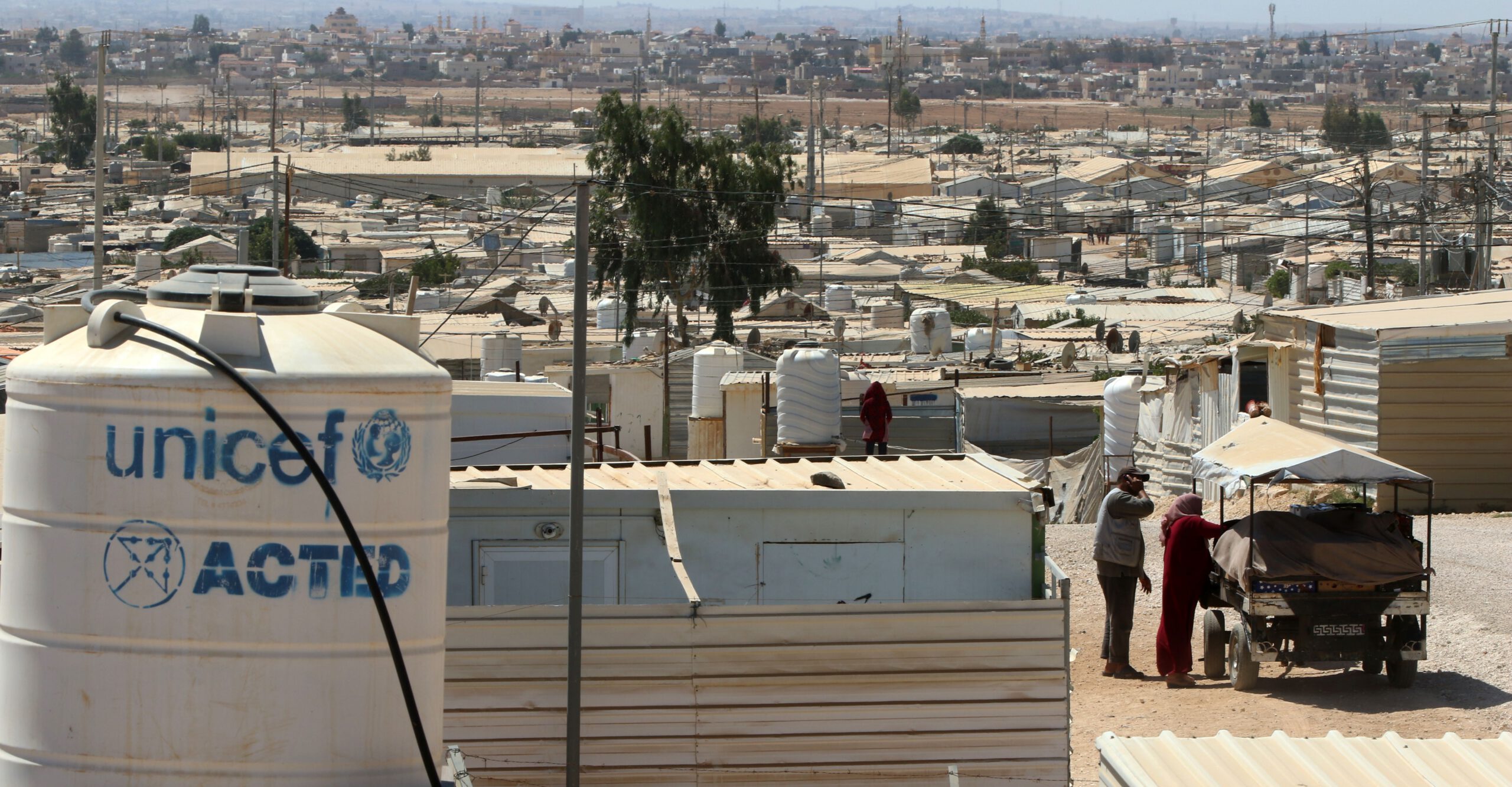
Six and a half years ago, international governments and organizations successfully negotiated the “Grand Bargain,” an agreement that the largest international non-governmental organizations would allocate 25% of their humanitarian funding to small NGOs. Nowhere was the deal more hotly anticipated than Jordan, where the Syrian refugee crisis compounded existing problems of workforce participation and water scarcity.