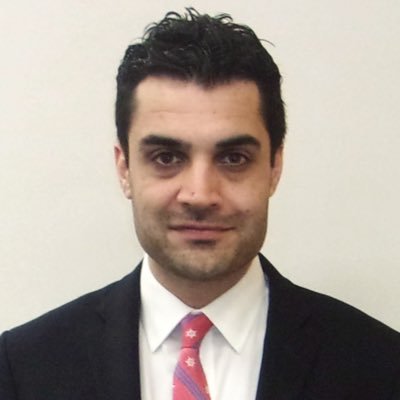
Shahmahmood Miakhel is the Country Director in Afghanistan for the US Institute of Peace (USIP). Prior to that he was a Governance Advisor for the United Nations Assistance Mission in Afghanistan (UNAMA), and, from 2003–2005, a Deputy Minister of the Interior in the Government of Afghanistan. In 1994–1995 he worked for the United Nations Development Programme (UNDP) and United Nations Office for Project Services (UNOPS) in South and Southeast Afghanistan helping to establish District Rehabilitation Shuras (DRS). He also worked as a reporter for the Pashto service of the Voice of America from 1985–1990.
The Latest from Shahmahmood Miakhel
Pompeo’s audience: The Trumpian base
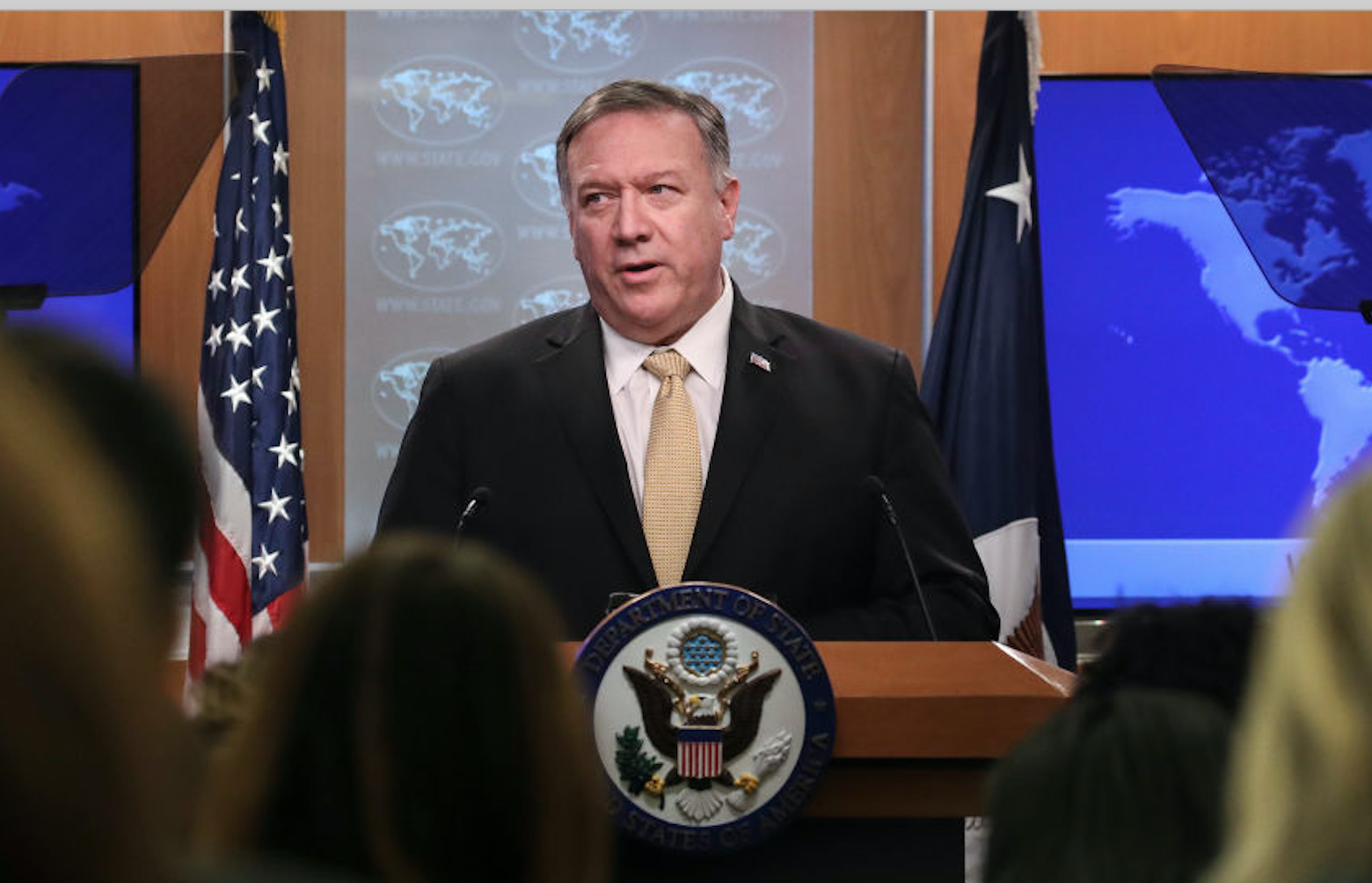
It is not always recognized that Secretary of State Mike Pompeo’s Nov. 18 declaration that Israeli “settlements are not inconsistent with international law” was primarily political, not diplomatic, designed for domestic American consumption as part of the president’s reelection campaign. Secondarily, it was intended to strengthen Israeli Prime Minister Benjamin Netanyahu’s hand in the current coalition negotiations and/or the likely upcoming Knesset election, if coalition negotiations fail. Third on the list, almost an afterthought, is the effect on the Palestinians, whose future state’s boundaries it purports to impact.

Secularism and the Islamophobia Zeitgeist in India and Sri Lanka
Islamist terrorism tends to normalize Islamophobia. For instance, Pakistan’s willingness to use jihadi forces to destabilize India in disputed Kashmir and the renascent Islamism connected to extremism worldwide cause anxiety and promote Islamophobia in states like India and Sri Lanka. In these instances, Islamophobia is induced from abroad. But a nationalist ideology rooted in religion can also fan it and unleash massive violence. This is what the Hindu nationalist ideology in India does by framing the country’s Muslims as a dangerous, predatory, and destabilizing “other.” Post-civil war, Sinhalese Buddhist nationalists resort to similar accusations as they seek to extend majoritarianism and manipulate Islamophobia for political gain.
Traces of the 1979 assault on the Grand Mosque still roil the Middle East today
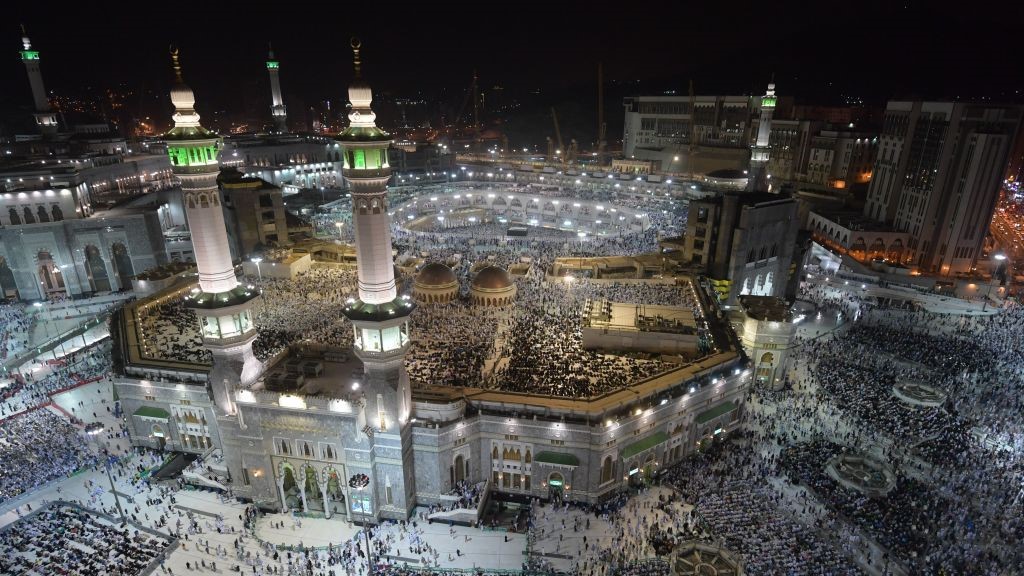
Four decades on, echoes of the November 1979 assault on the Grand Mosque in Mecca continue to reverberate. Coming on the heels of the Iranian revolution and days after the Iran hostage-taking, the Mecca attack, carried out by a group of several hundred Saudi extremist Islamists declaring a new Mahdi, shocked the Sunni world and pushed Muslims in a far more conservative direction.
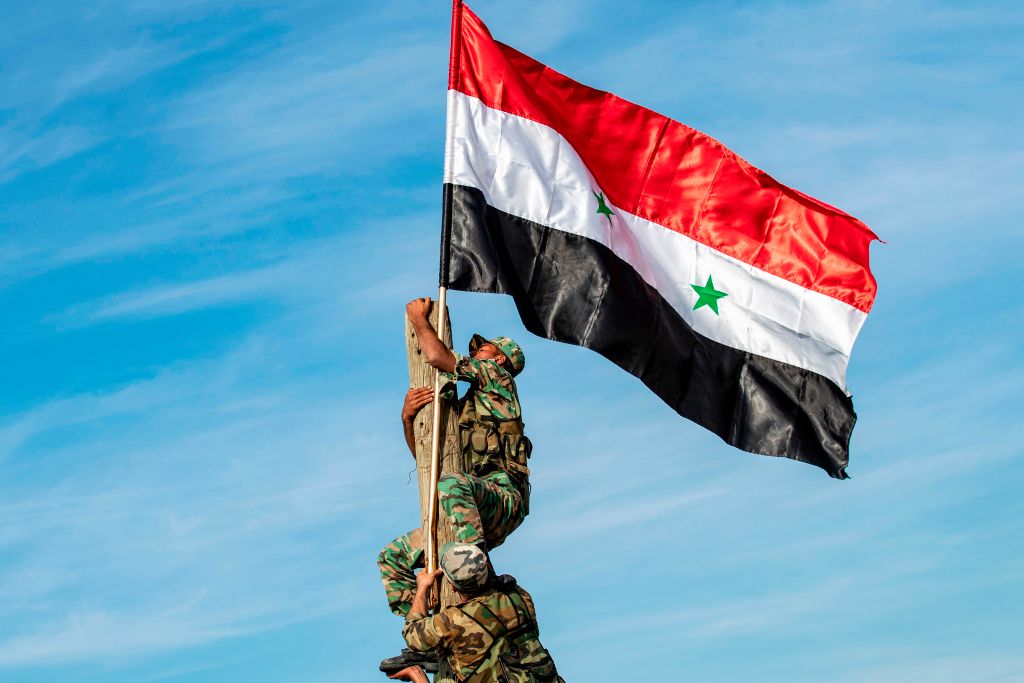
Return to the northeast: Syrian Army deployments against Turkish forces
In mid-October, five years after it was expelled from most of eastern Syria as ISIS swept in, the Syrian Arab Army (SAA) returned to much of the northeast as part of a deal between the Syrian Democratic Forces and Damascus struck just days after Turkey launched an offensive against the region. By examining the distribution and make-up of units sent to the northeast we can better understand the strength of the SAA in the region and the current state of its broader deployments across the country.
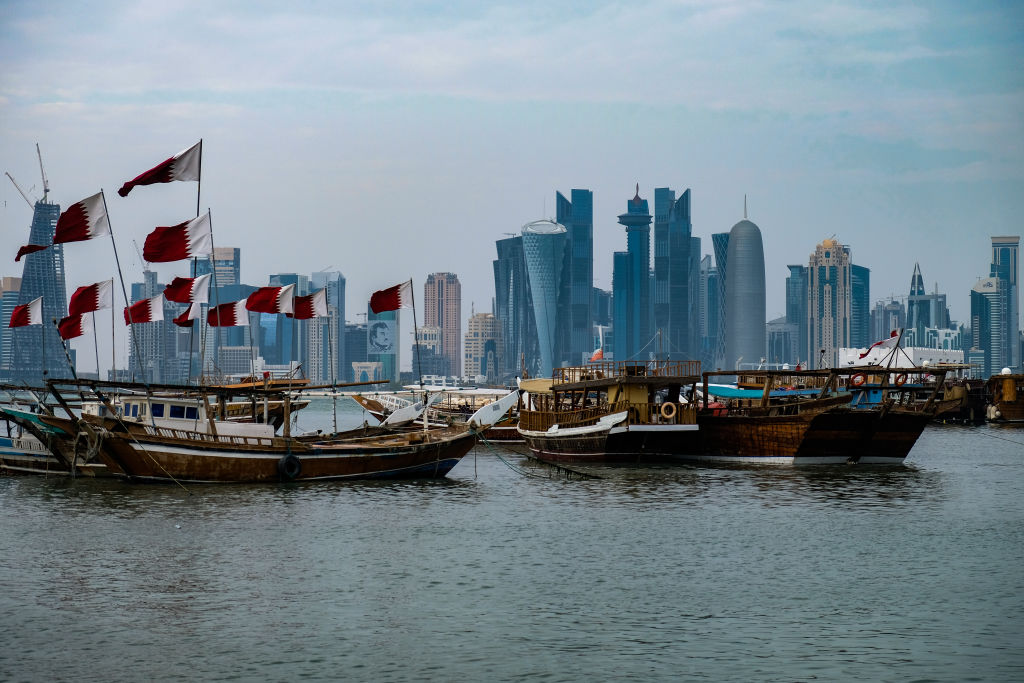
Why Doha should worry: The case for an Iran-Qatar non-aggression pact
Fears of a large-scale war in the Middle East remain heightened as the U.S. continues ratcheting up sanctions against Iran while Tehran takes measures to scale back its restrictive commitments under the Joint Comprehensive Plan of Action (JCPOA). The latest sign of Iranian retaliation against the U.S. withdrawal from the 2015 nuclear accord was its decision, confirmed by the International Atomic Energy Agency (IAEA) on Nov. 11, to begin refining uranium at its Fordow underground enrichment facility.
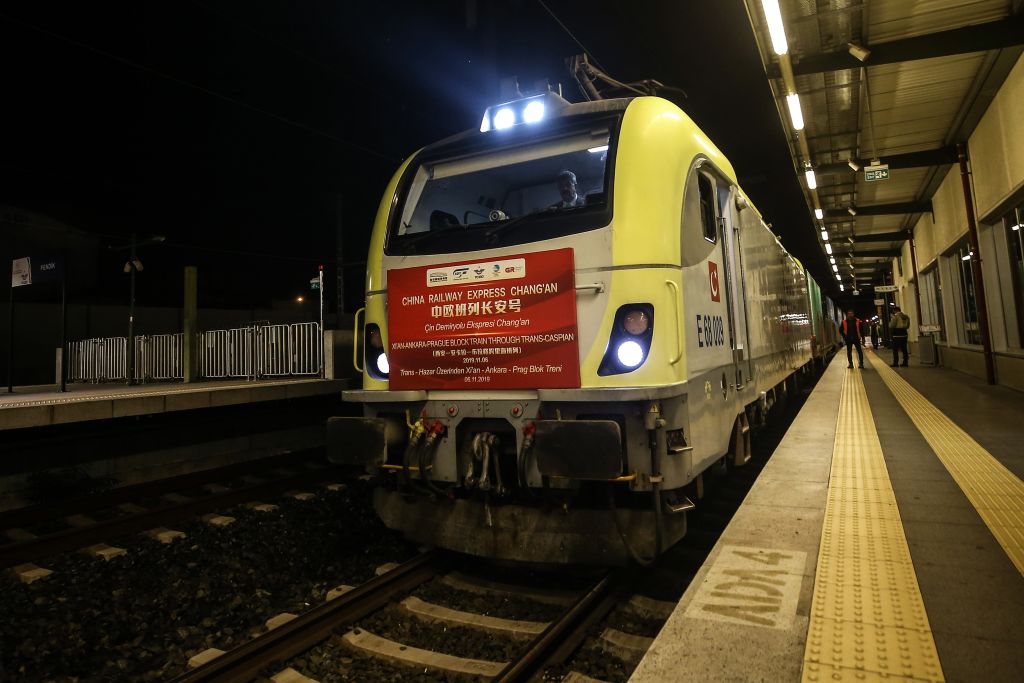
Setting the Middle Corridor on track
China’s Belt and Road Initiative (BRI) has been a powerful driver of the development of existing and new Eurasian rail routes. A web of competing and complementary rail lines has begun to form across the Eurasian landmass. Railway cargo service between China and Europe has fast become a compelling “middle option” — cheaper than air and faster than sea.
Iran, Russia and the Caucasus
Brenda Shaffer (Georgetown University), Anna Borshchevskaya (Washington Institute for Near East Policy), and Alex Vatanka (MEI) join host Alistair Taylor to discuss how the dynamics between Russia and Iran are playing out in the Caucasus, and what it means for the countries of the region.
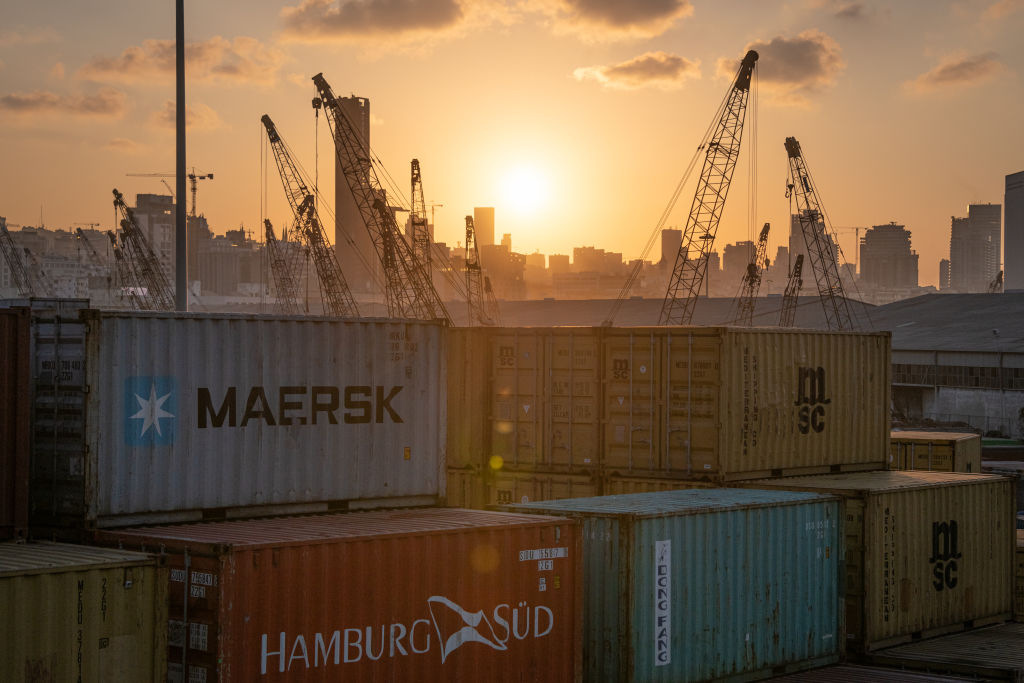
Tearing down the walls of vested interests in the Middle East and North Africa
The MENA region needs bolder and deeper economic reforms. GDP growth is projected to be 0.6 percent in the region in 2019, a fraction of what is needed to create enough jobs for its fast-growing working-age population. Even in the few countries that have had periods of higher growth since the 2011 Arab Spring, poverty rates have failed to drop, suggesting the need for reforms to instill fair competition and promote more inclusive patterns of growth.
Iran protests take aim at the regime
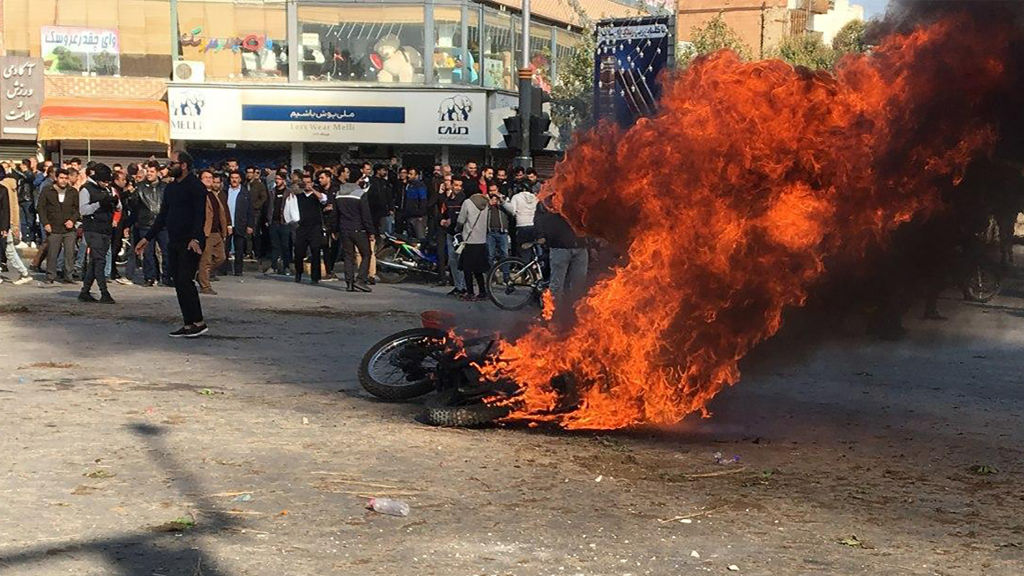
On the surface the latest protests in Iran appear to be not that different from the previous ones in late 2017 and early 2018. In reality, however, things are quite different this time around, and the Iranian authorities are deeply alarmed.
Political fragmentation a major challenge as Tunisia’s Ennahda tries to form a government
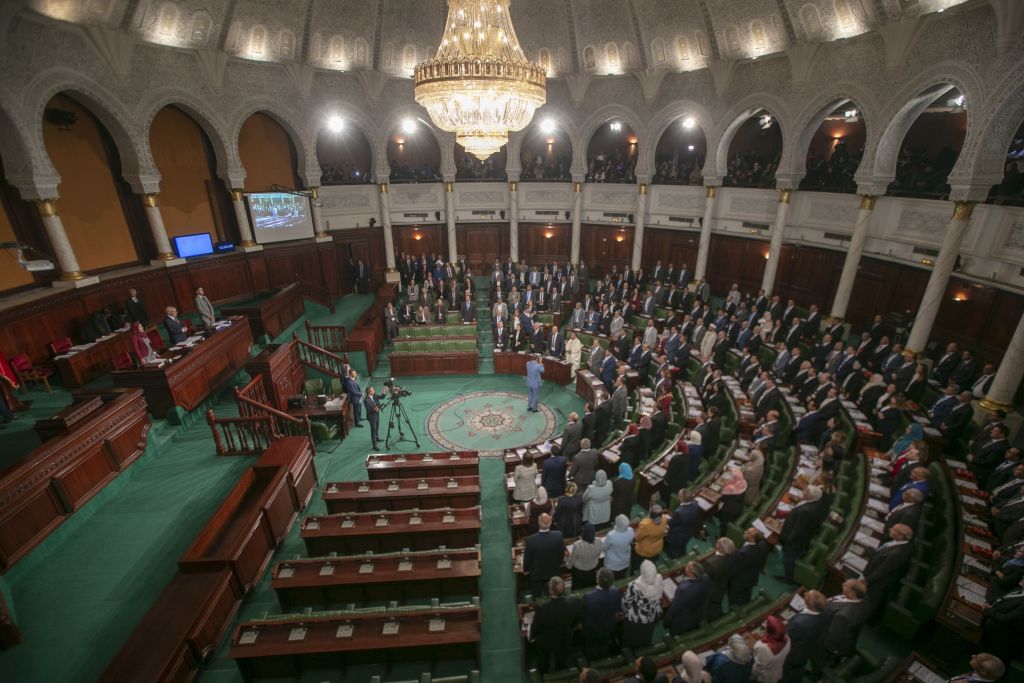
Tunisia’s elections in October swept away many of the dominant political forces, but the Islamist Ennahda retains the largest share of seats in the new parliament. Its leader, Rachid Ghannouchi, was elected president of the parliament on Nov. 13. The Islamist party then announced on Nov. 15 that Habib Jemli, the former junior agriculture minister, should try to form the next government. Jemli, who served under Ennahda prime ministers from 2011 to 2014, has a 30-day period, renewable once, to present a cabinet able to secure a majority vote in the 217-member parliament.
The Saudi Aramco IPO: Short-term success, long-term loss
The Saudi Aramco IPO got started this Sunday morning with shares priced at SAR 30-32 ($8-8.50) each, valuing the company at $1.7 trillion, $300 billion below the original estimate. The lower valuation has been expected for some time by most investment banks and many financial analysts. The proceeds are expected to fund the Public Investment Fund’s forays into non-energy-based companies, advanced technologies, and even robot-filled cities.
Escalation in Gaza tests Israel-Hamas détente
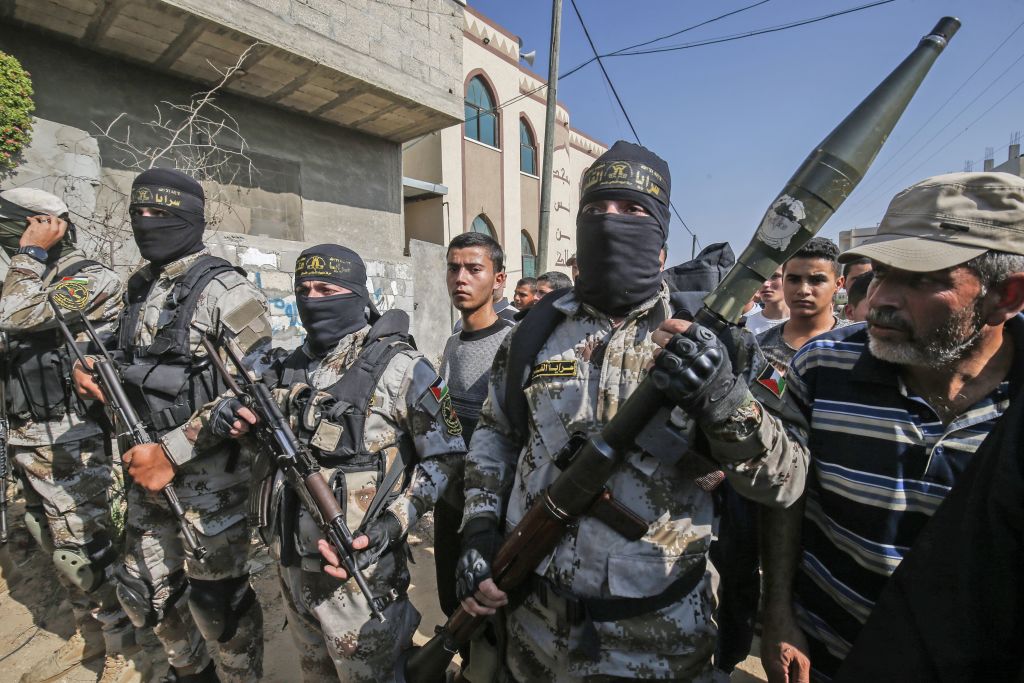
A Nov. 12 Israeli airstrike on the Gaza Strip killed Baha Abu al-Ata, a commander with the Palestinian Islamic Jihad (PIJ) militant group. Over the ensuring 48 hours, the PIJ launched some 450 rockets from Gaza into southern and central Israel. Hamas, the Palestinian political party/militant group that acts as the de facto government of Gaza, stayed out of the fighting — despite relatively high civilian casualties and the killing of one of its fighters.
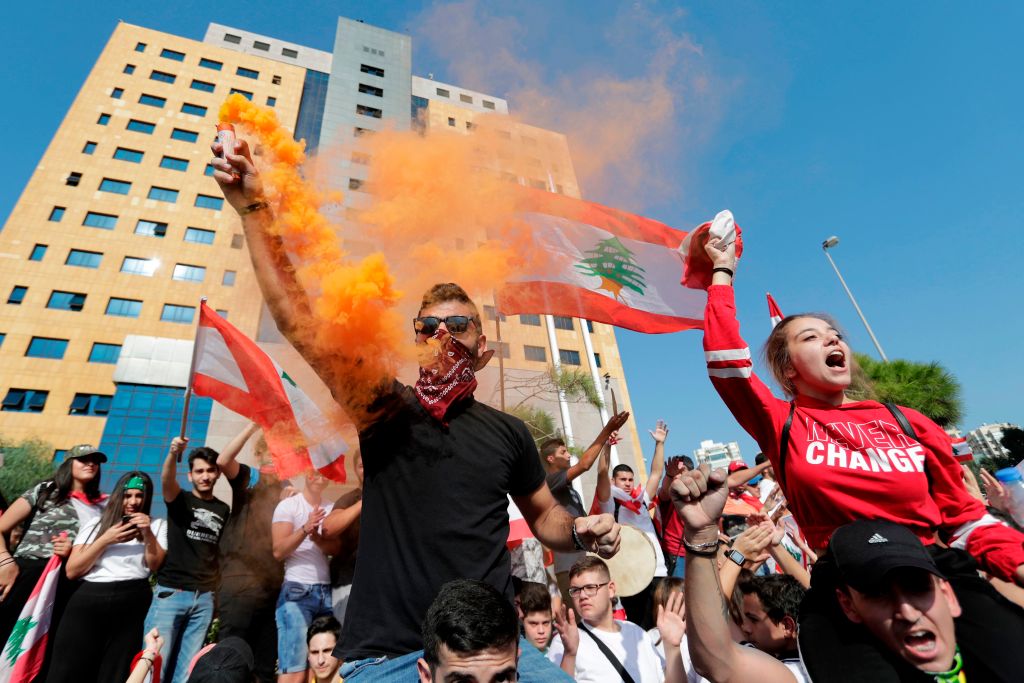
Lebanon protests enter their second month amid stalemate and uncertainty
In Lebanon, the protests have entered their second month with contending parties stuck in a stalemate that is not hurting enough to incentivize concessions from any party. Ruling elites are at a loss what to do.
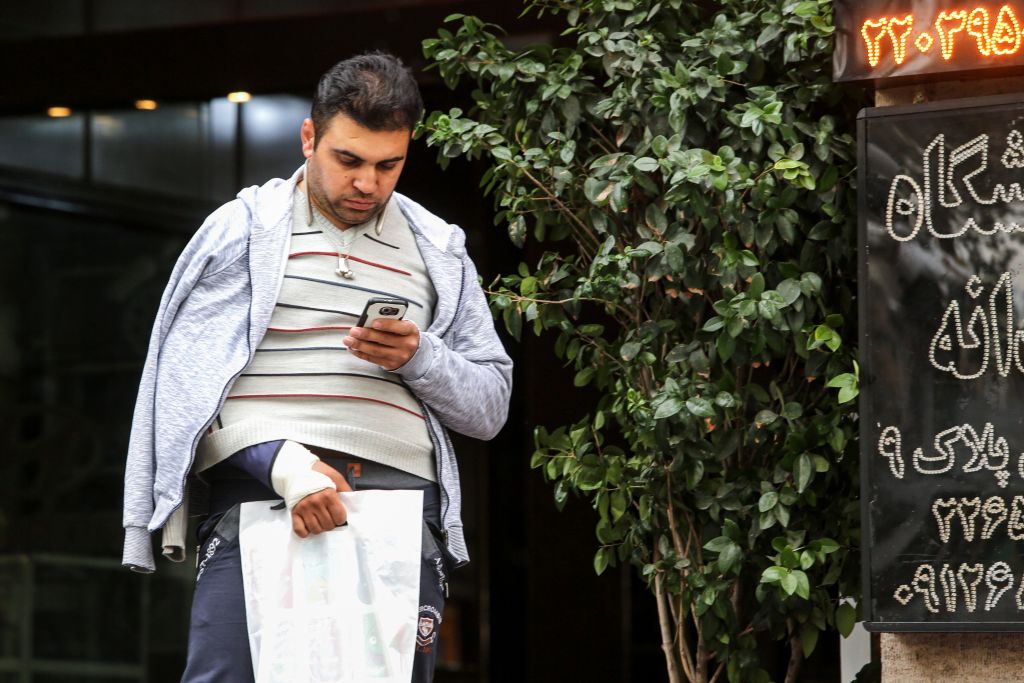
Iranian government cuts internet access amid protests
Amid widespread protests over an abrupt decision to hike gasoline prices by 50 percent, Iran’s internet is out again. The government cut access in what is widely seen as an attempt to stem the flow of information, pictures, and videos of protests that reportedly took place in at least 100 cities and towns and involved an estimated 87,000 Iranians.