This individual is a guest contributor. MEI is not able to assist with contact requests.
Shahmahmood Miakhel is the Country Director in Afghanistan for the US Institute of Peace (USIP). Prior to that he was a Governance Advisor for the United Nations Assistance Mission in Afghanistan (UNAMA), and, from 2003–2005, a Deputy Minister of the Interior in the Government of Afghanistan. In 1994–1995 he worked for the United Nations Development Programme (UNDP) and United Nations Office for Project Services (UNOPS) in South and Southeast Afghanistan helping to establish District Rehabilitation Shuras (DRS). He also worked as a reporter for the Pashto service of the Voice of America from 1985–1990.
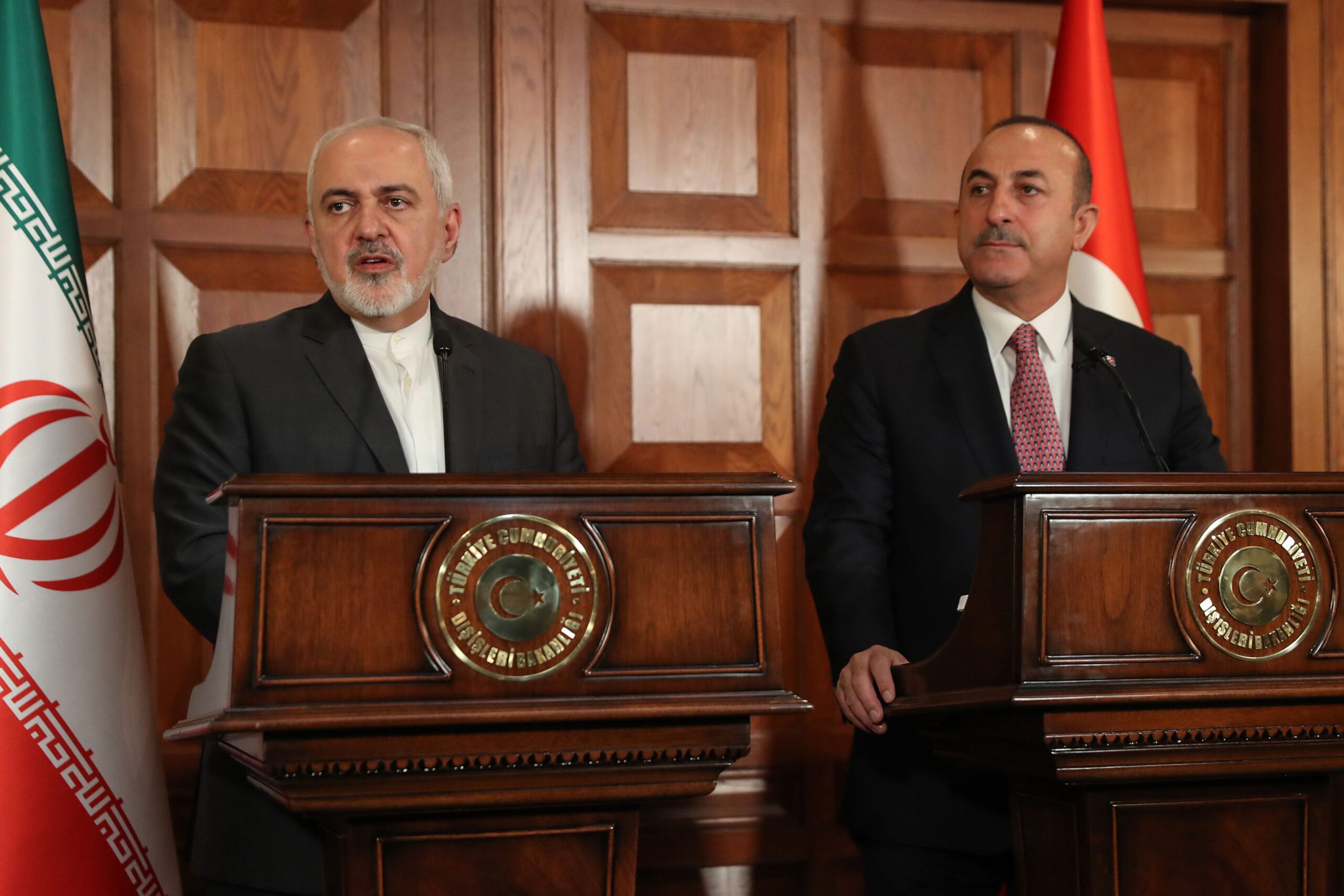
US sanctions and the future of Turkish-Iranian energy ties
Iran’s huge hydrocarbons reserves and Turkey’s growing demand for oil and gas seem to suggest great potential for energy collaboration. US sanctions and pricing disputes, however, limit and complicate the prospects of such a partnership.
Turkey, which lies at the crossroads of Europe and Asia, has emerged in recent years as an important geopolitical actor not just within the surrounding region but in the global arena as well. Turkey’s foreign and economic policy horizons today extend to the Far East. These essays explore the development of cultural, political, and economic links between Turkey and Asia.
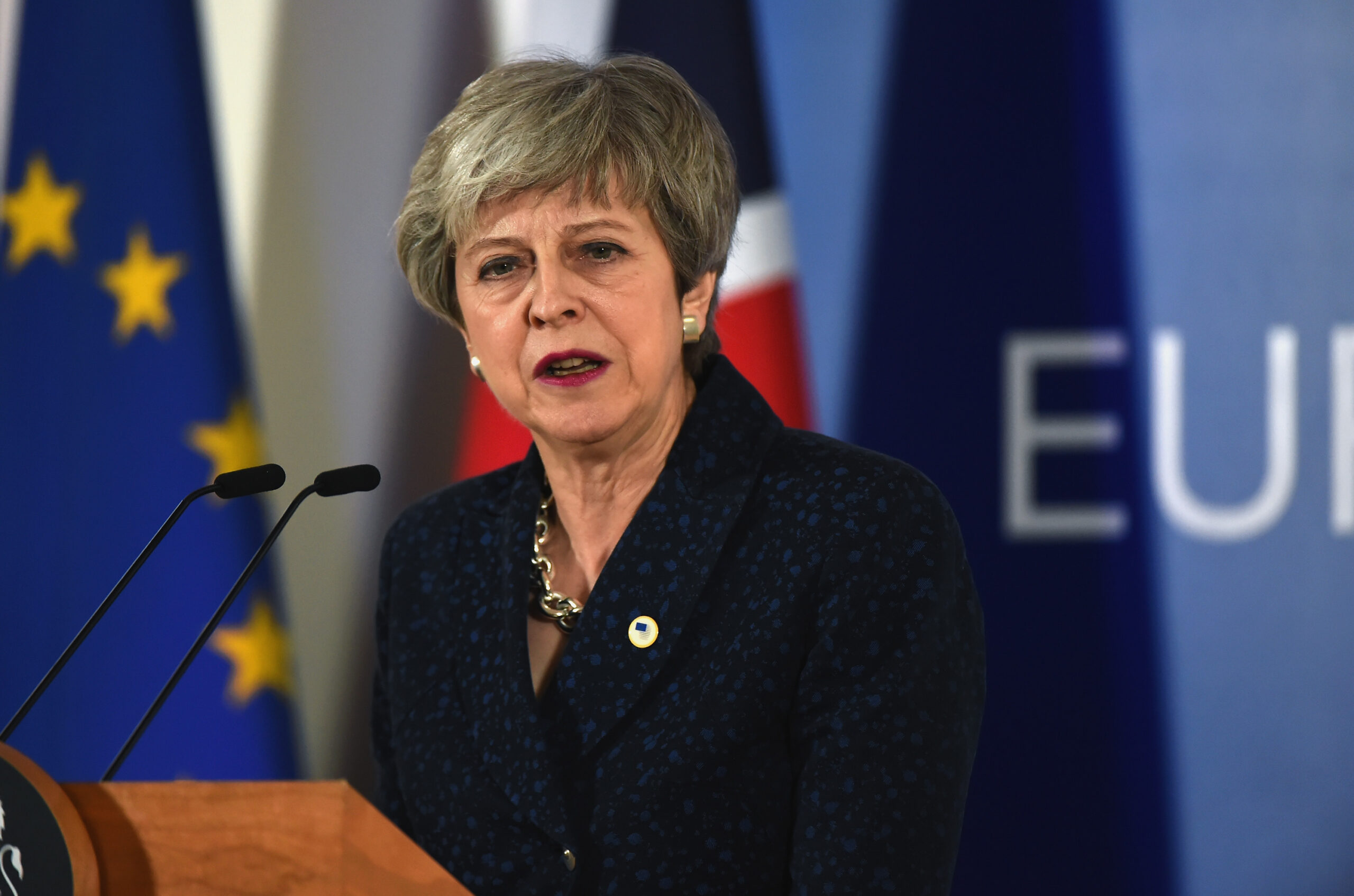
What does Brexit mean for EU and UK Middle East policy?
While the UK’s drawn-out withdrawal from the EU poses an internal challenge for Europeans, Brexit will likely have an impact that extends well beyond Europe, affecting the bloc’s foreign policy toward other regions of the world as well, including the Middle East. When it comes to Brexit’s influence on European Middle East policy, the main question is not if, but to what extent.
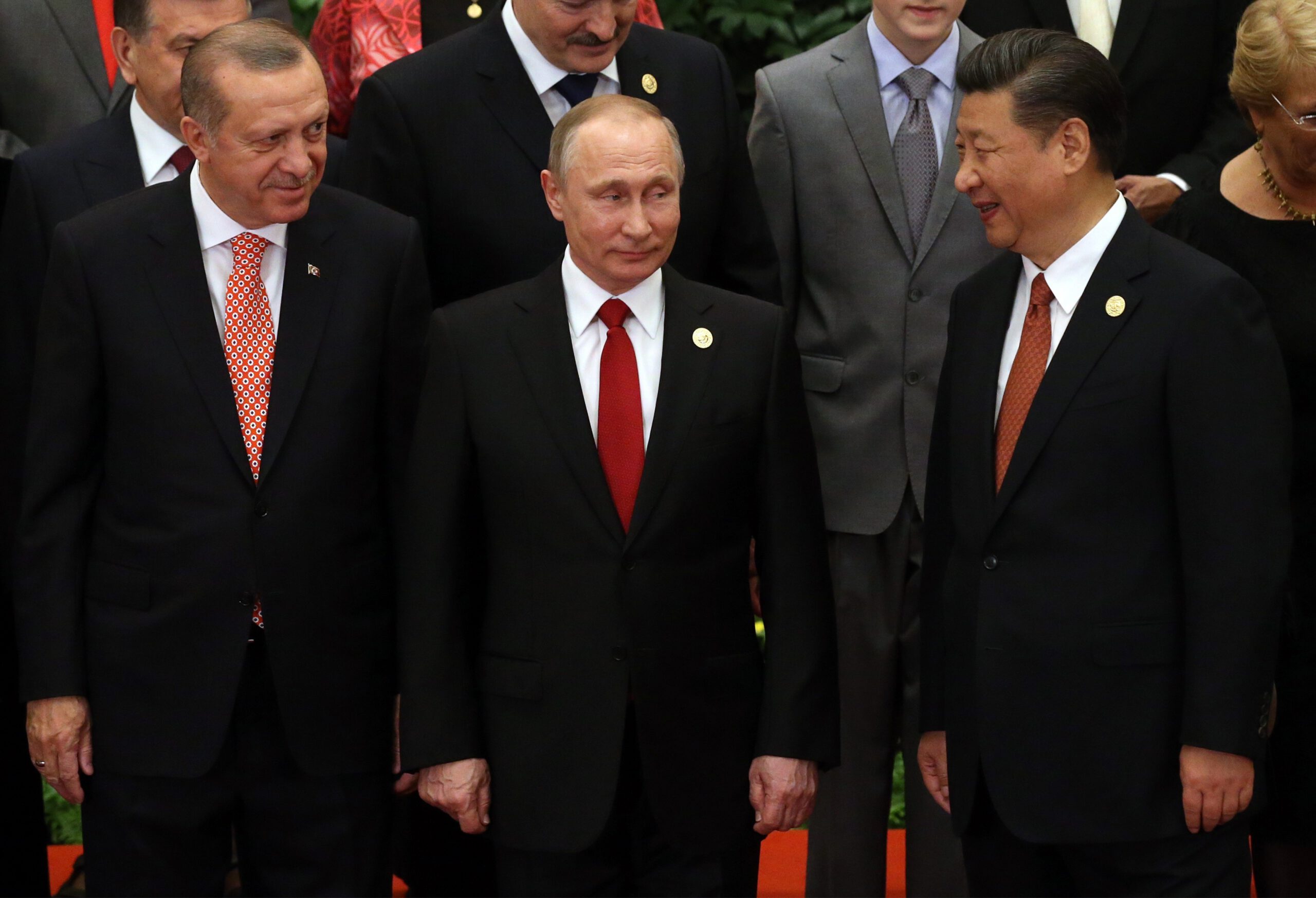
The Rise of Eurasianism in Turkish Foreign Policy: Can Turkey Change its pro-Western Orientation?
The Eurasianist (Ulusalcı in Turkish) ideology, which originated from the far-left movement in Turkey, espouses an anti-Western approach in foreign policy and ultranationalist sentiment in domestic politics. They contend that Turkey’s interests lie outside the Western world and that Turkey should join the Russia- and China-led “anti-imperialist” camp. This article examines the rise, shortcomings and failures of the Eurasianist approach in Turkish foreign policy.
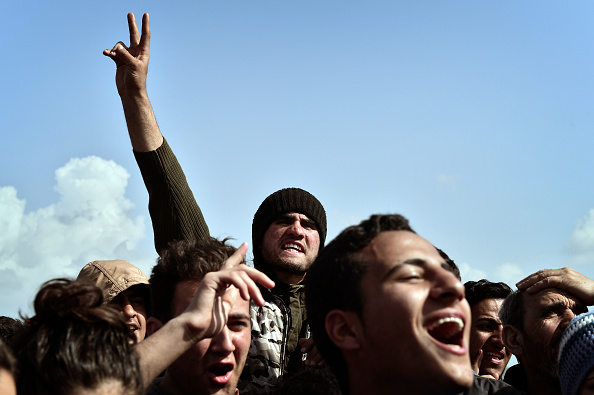
Monday Briefing: New Arab uprisings echo earlier revolts
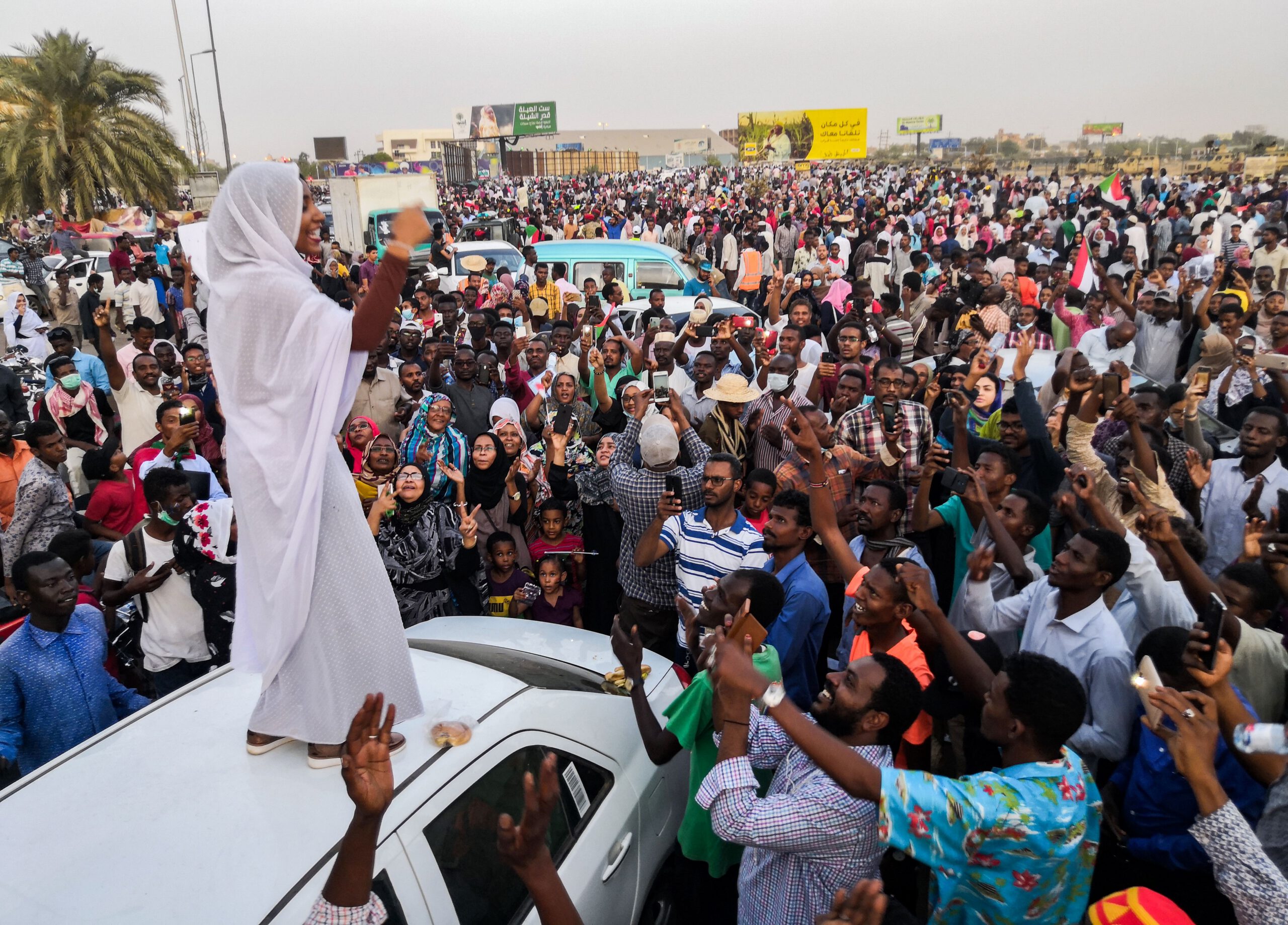
In this week’s Monday Briefing, MEI experts Paul Salem, Jonathan M. Winer, Robert S. Ford, Mirette F. Mabrouk, and Charles Schmitz provide analysis on recent and upcoming events including the current uprisings in Algeria and Sudan, General Hifter’s effort to take Tripoli, the hirak protest movement in Algeria, the strategic partnership between Egypt and the U.S., and cracks in the coalition of President Hadi in Yemen.
MEI Senior Fellow Alex Vatanka and Omar Al-Nidawi, a Middle East analyst focusing on Iraqi political, security and energy affairs, join host Alistair Taylor to discuss what the designation means in practical terms, how Tehran has responded, and its implications for the region going forward.
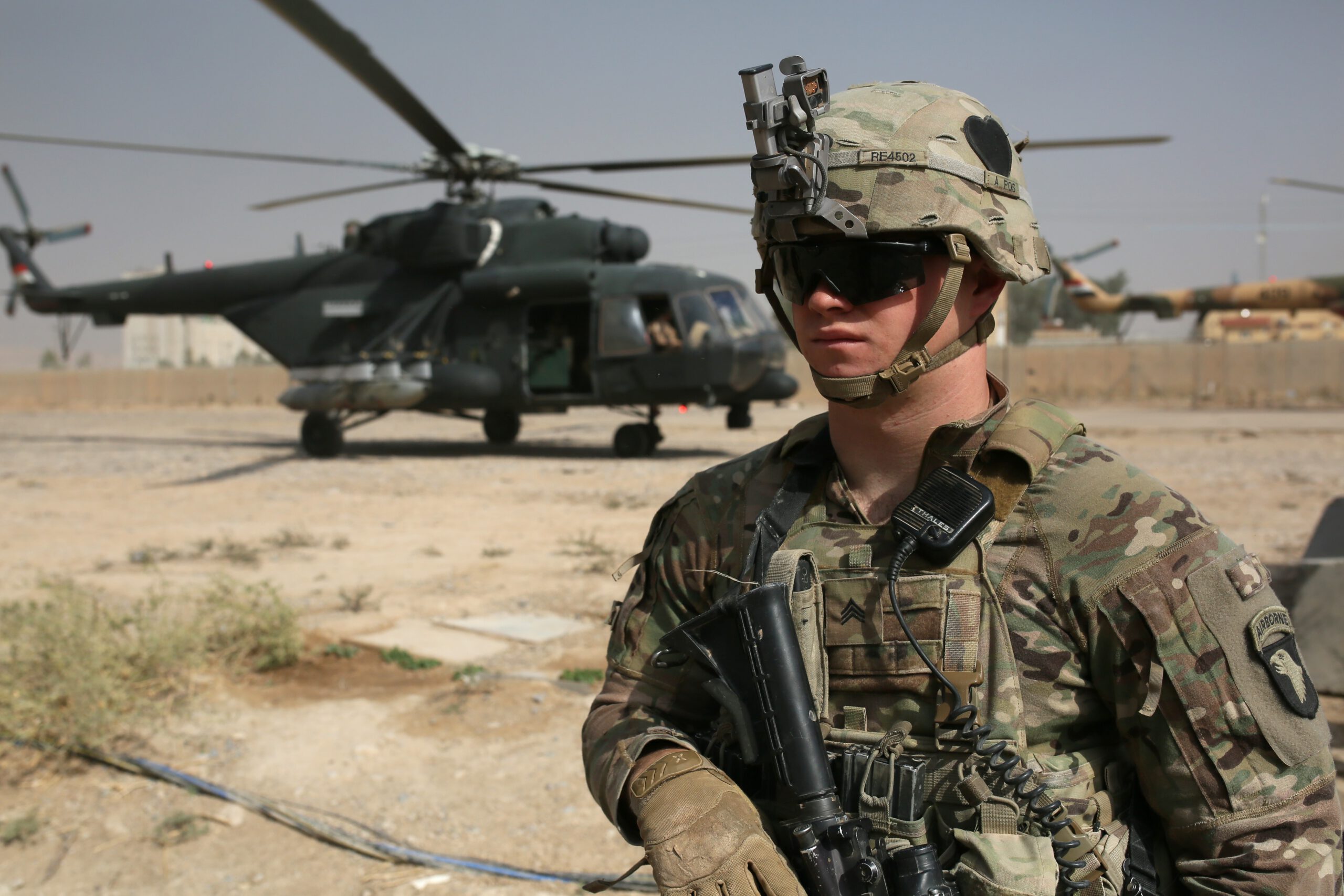
Despite the many obstacles, the U.S. and Iraq continue to work together to combat the threat of ISIS, and security elites in Baghdad and Washington understand the importance and value of the relationship. Yet, populists on both sides have repeatedly tested the others’ will in a dangerous game of chicken.
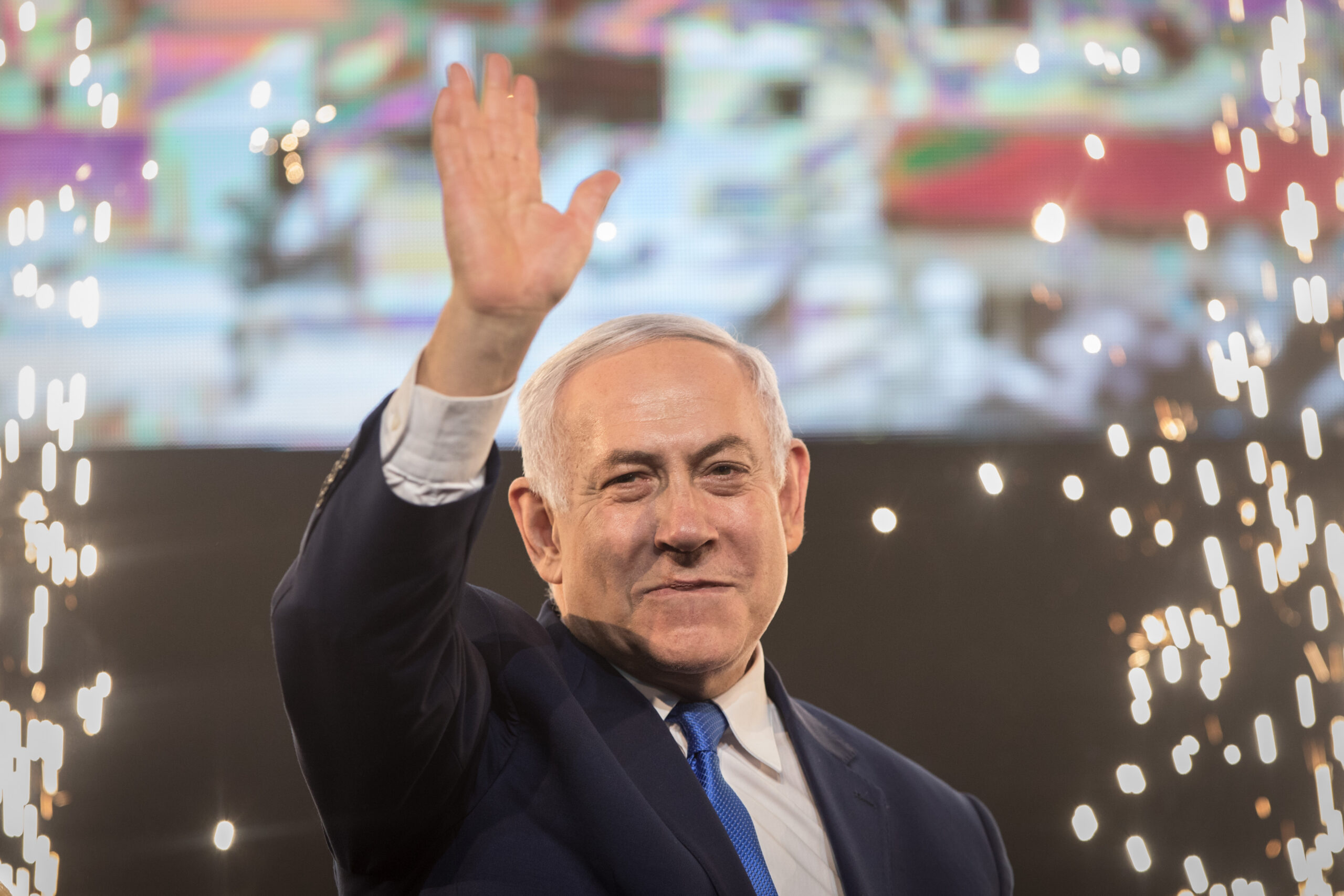
Benjamin Netanyahu will undoubtedly succeed himself as Israel’s prime minister after his recent electoral success and, in July, surpass David Ben-Gurion as Israel’s longest-serving prime minister. But, unlike most genuinely successful leaders of democracies, his first priority will have to be avoiding indictment for corruption and going to prison.
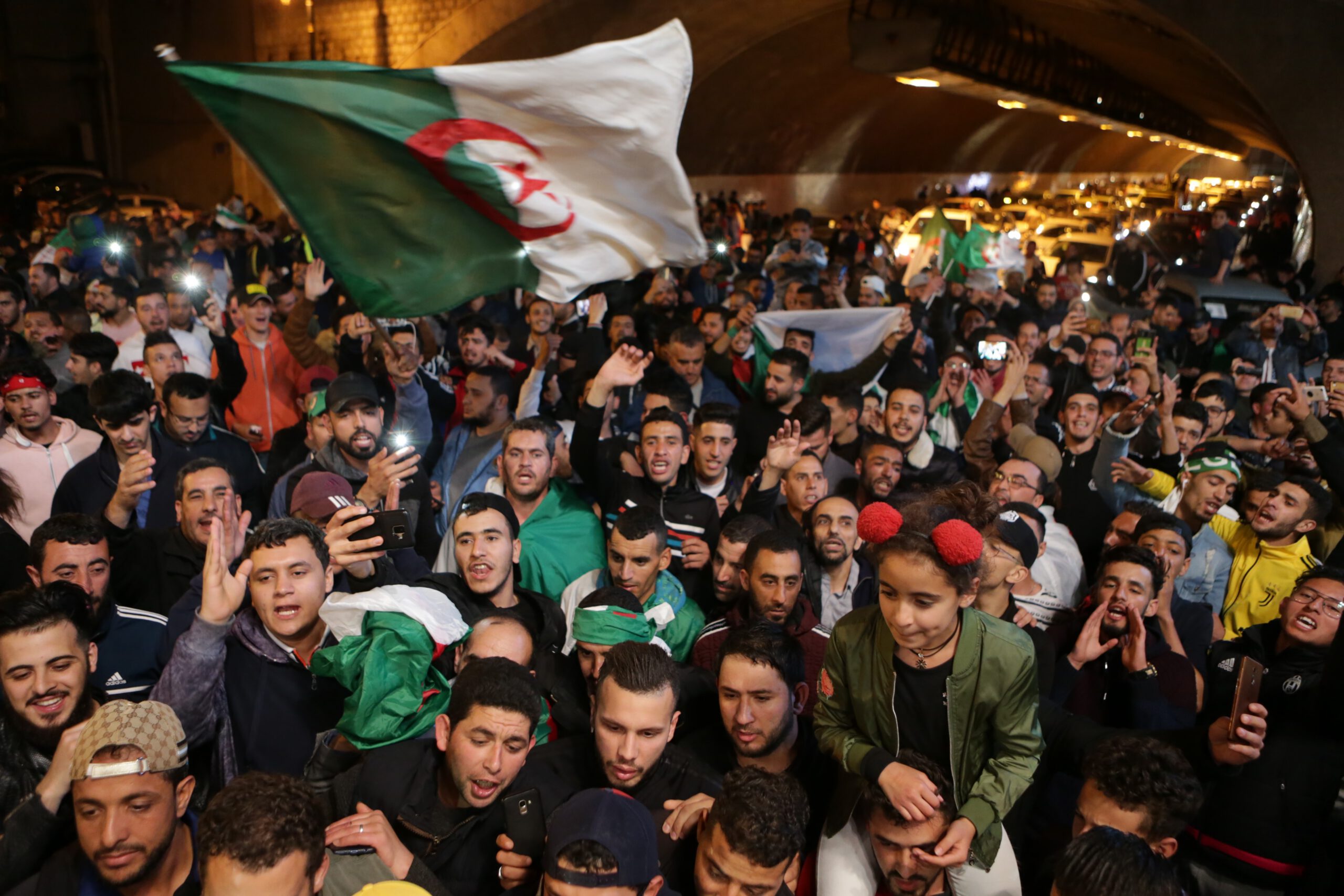
Following the resignation of 82-year-old President Abdelaziz Bouteflika in early April after weeks of mass demonstrations, the dispute between Algerian protesters and the country’s entrenched power structure has entered a new phase. The protest movement has viewed Bouteflika’s peaceful removal as an initial victory in the longer struggle to overhaul Algeria’s political edifice. But any attempt to fundamentally change the governance system and introduce a new relationship between rulers and ruled is likely to quickly come up against the will of established power-brokers, especially the military, and the ongoing dispute has the potential to escalate into violence.
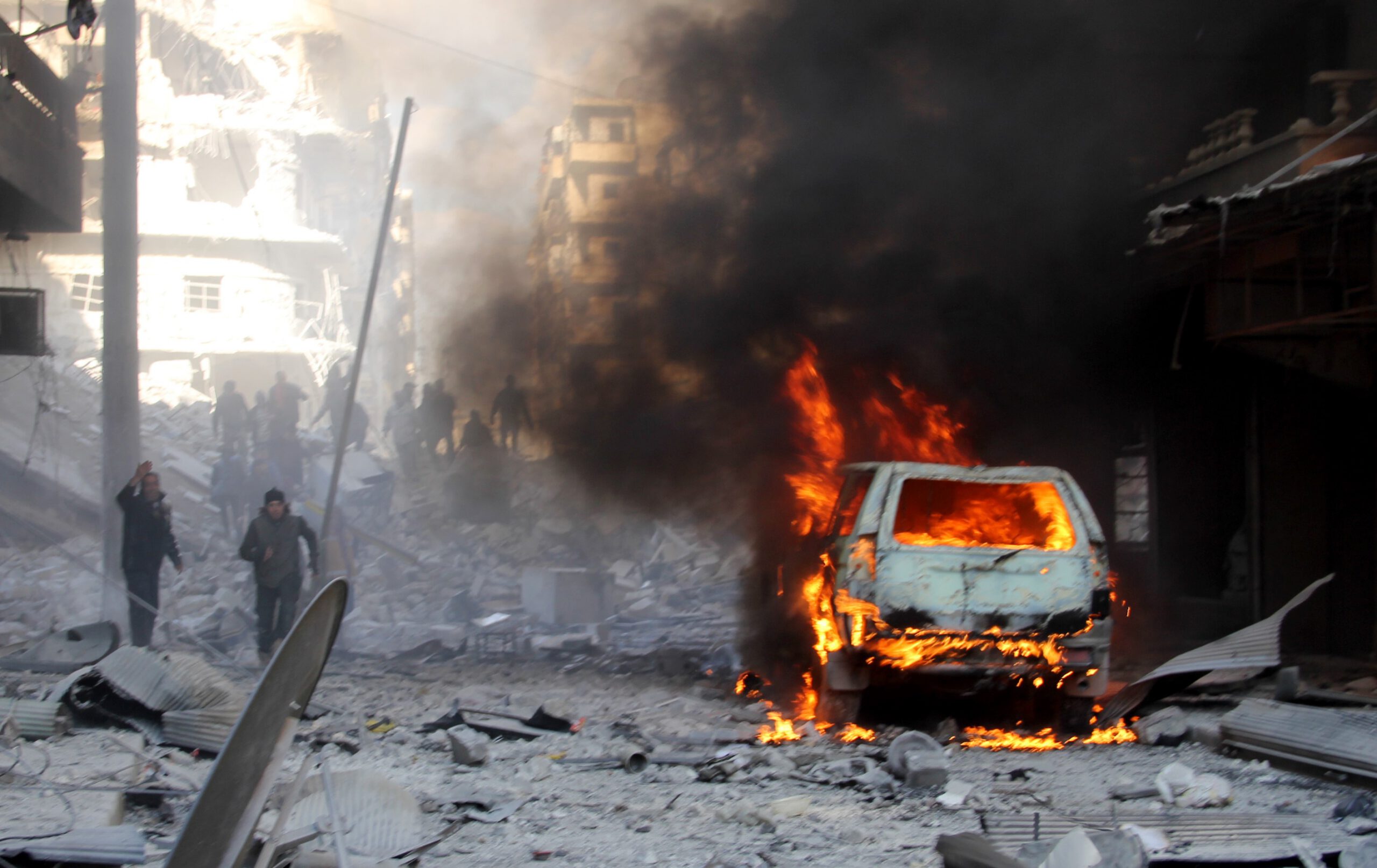
Car Bombs as Weapons of War: ISIS's Development of SVBIEDs, 2014-19
The suicide vehicle-borne improvised explosive device (SVBIED) has been one of ISIS’s most powerful and versatile weapons. The group consistently adapted its SVBIED designs based on operational environment and other factors, with modifications in armor, payload organization, color, and detonation technology. ISIS’s research and development of SVBIED technology presents a continued threat, even after the collapse of the territorial caliphate, due to the group’s ability to share and export its designs, enabling nascent ISIS provinces halfway around the world to launch powerful attacks on unsuspecting communities.
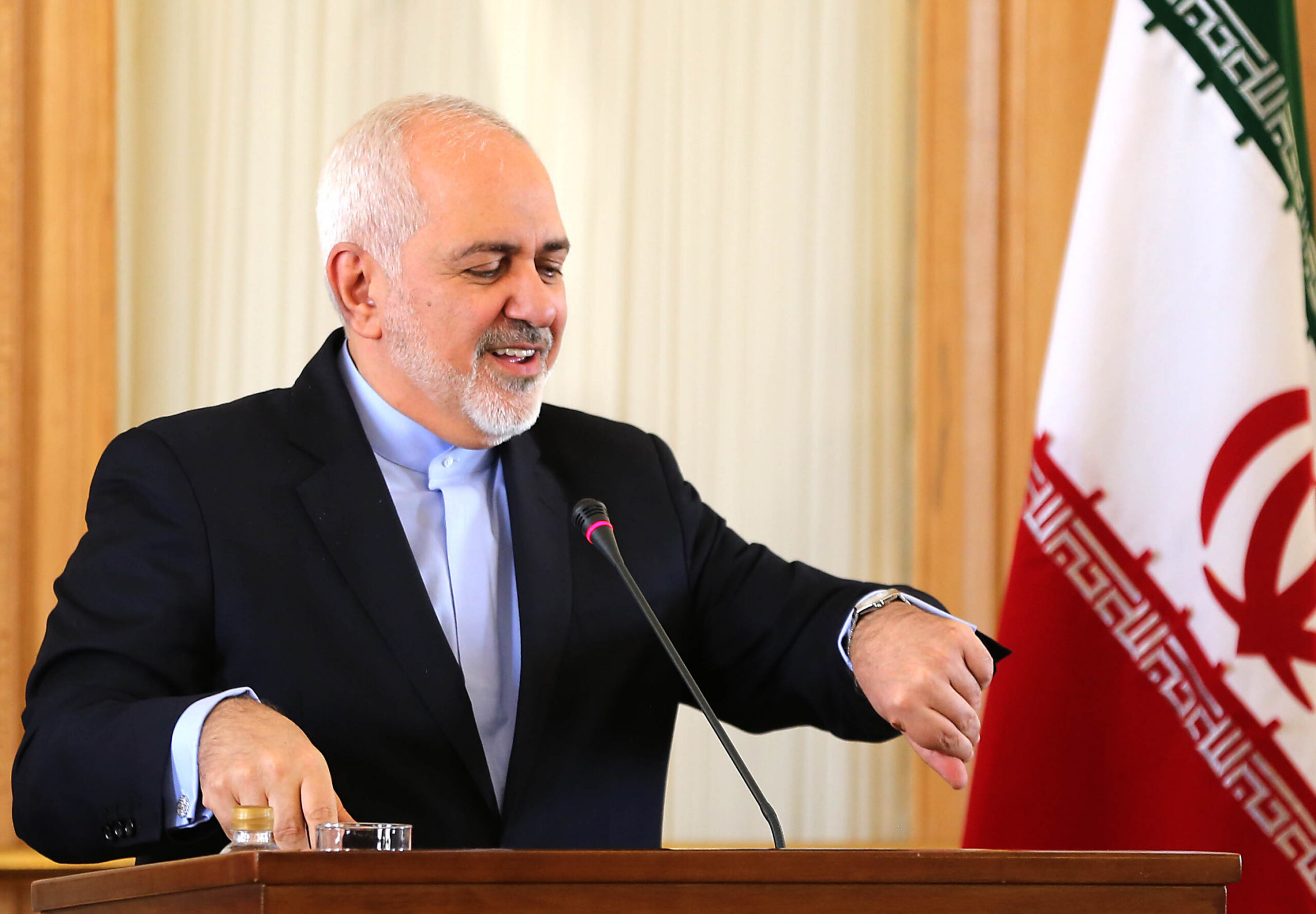
On April 8, the Trump administration designated the Islamic Revolutionary Guard Corps (IRGC), Iran’s elite military force, as a foreign terrorist organization. The reaction in Tehran was stern and swift.
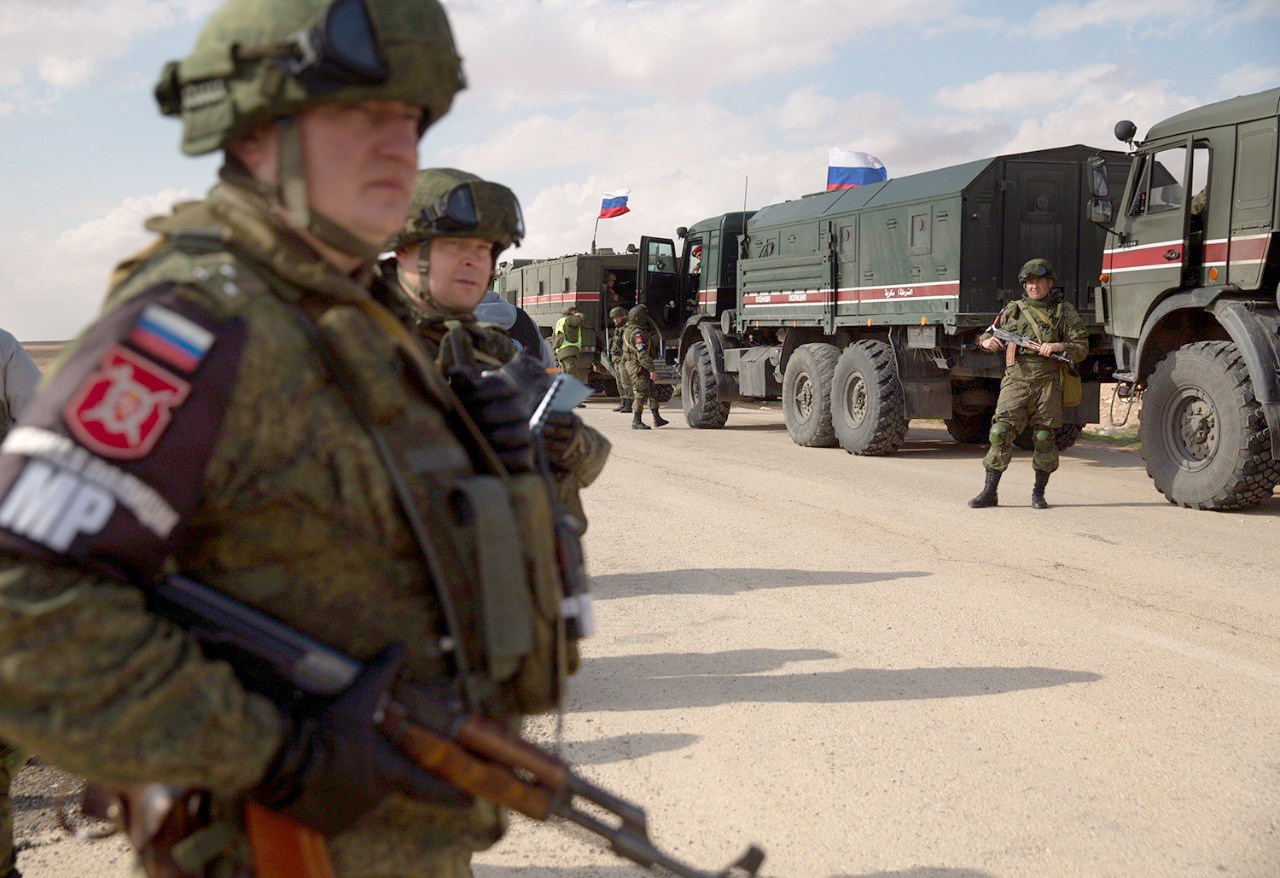
Russia has a new focus in Syria. Intractable stalemates characterize most of the regions that remain outside of the Syrian government’s control. In discussions with Turkey, the other primary player in Syria’s north, little progress has been made on either Manbij or Idlib. Half a year of deadlocked negotiations appears to have made Moscow anxious. With this in mind, Kremlin officials have recently turned their attention to another target: The Rukban refugee camp.
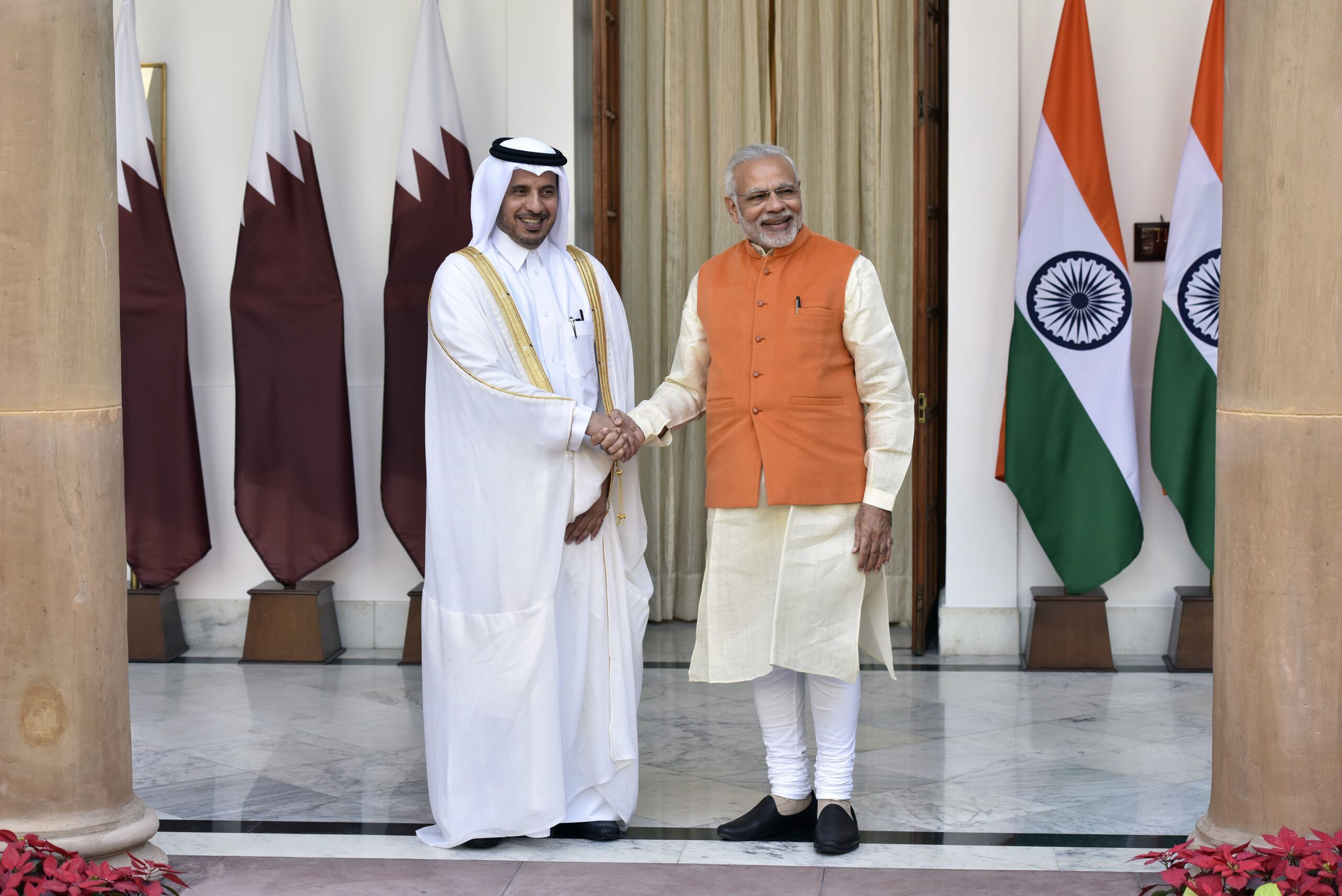
Examining India’s relations with Qatar provides a lens through which to illuminate Delhi’s goals and approach to West Asia at a time when the Gulf countries are mired in tensions and controversies.