This individual is a guest contributor. MEI is not able to assist with contact requests.
Shahmahmood Miakhel is the Country Director in Afghanistan for the US Institute of Peace (USIP). Prior to that he was a Governance Advisor for the United Nations Assistance Mission in Afghanistan (UNAMA), and, from 2003–2005, a Deputy Minister of the Interior in the Government of Afghanistan. In 1994–1995 he worked for the United Nations Development Programme (UNDP) and United Nations Office for Project Services (UNOPS) in South and Southeast Afghanistan helping to establish District Rehabilitation Shuras (DRS). He also worked as a reporter for the Pashto service of the Voice of America from 1985–1990.
Iranian commander rules out missile negotiation in defiance of Western pressure
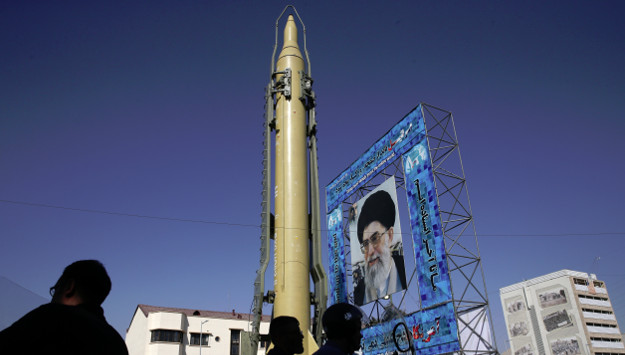
A senior Iranian military official said today that Tehran would not negotiate over its missile program with Western powers, Iran’s Mehr News Agency reported.
Searching for the least worst option in Afghanistan
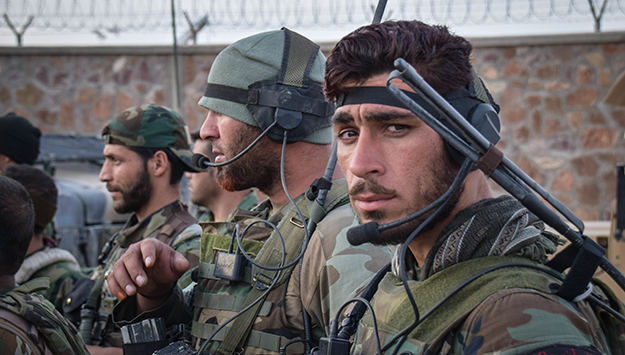
In her March 15 op-ed in The New York Times, “Tell the Truth About Afghanistan”, former National Security Advisor Susan Rice offers three “bad options” for the United States as a solution to the Afghan conflict: a limited engagement focusing on providing training, equipment, and advice for Afghan security forces which she argues would only slow down the Taliban; a complete withdrawal of troops, which would then leave the Afghan government prone to increased insurgency and interference from other i
Trump announces “mission aborted” in Syria – Paul Salem
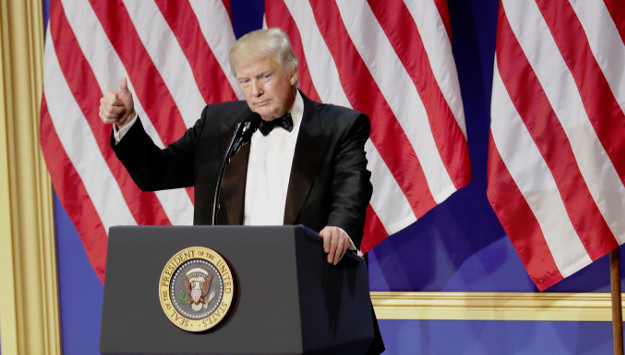
In a speech on Thursday, President Donald Trump reversed his administration’s policy on Syria, declaring “we’re coming out of Syria very soon. Let the other people take care of it now.”
Iranian Arabs stage rallies in Khuzestan to protest state-sanctioned discrimination
Scores of Iranian Arabs staged anti-government protest rallies in western Khuzestan Province after the Islamic Republic of Iran Broadcasting (IRIB) excluded the Arab community’s cultural identity in a New Year TV show that was ironically supposed to showcase Iran’s diversity. The protesters called the program aired on the state-run TV “insulting” and demanded an apology from the IRIB.
Egypt’s elections and what’s ahead in Sisi’s second term
Amb. Nabil Fahmy, dean of the School of Global Affairs and Public Policy at the American University in Cairo, joins host Paul Salem to discuss the political situation in Egypt and the range of issues facing President Abdel Fattah el-Sisi following his reelection this week to a second term in office.
Elections in Tunisia and hope for democratic reform
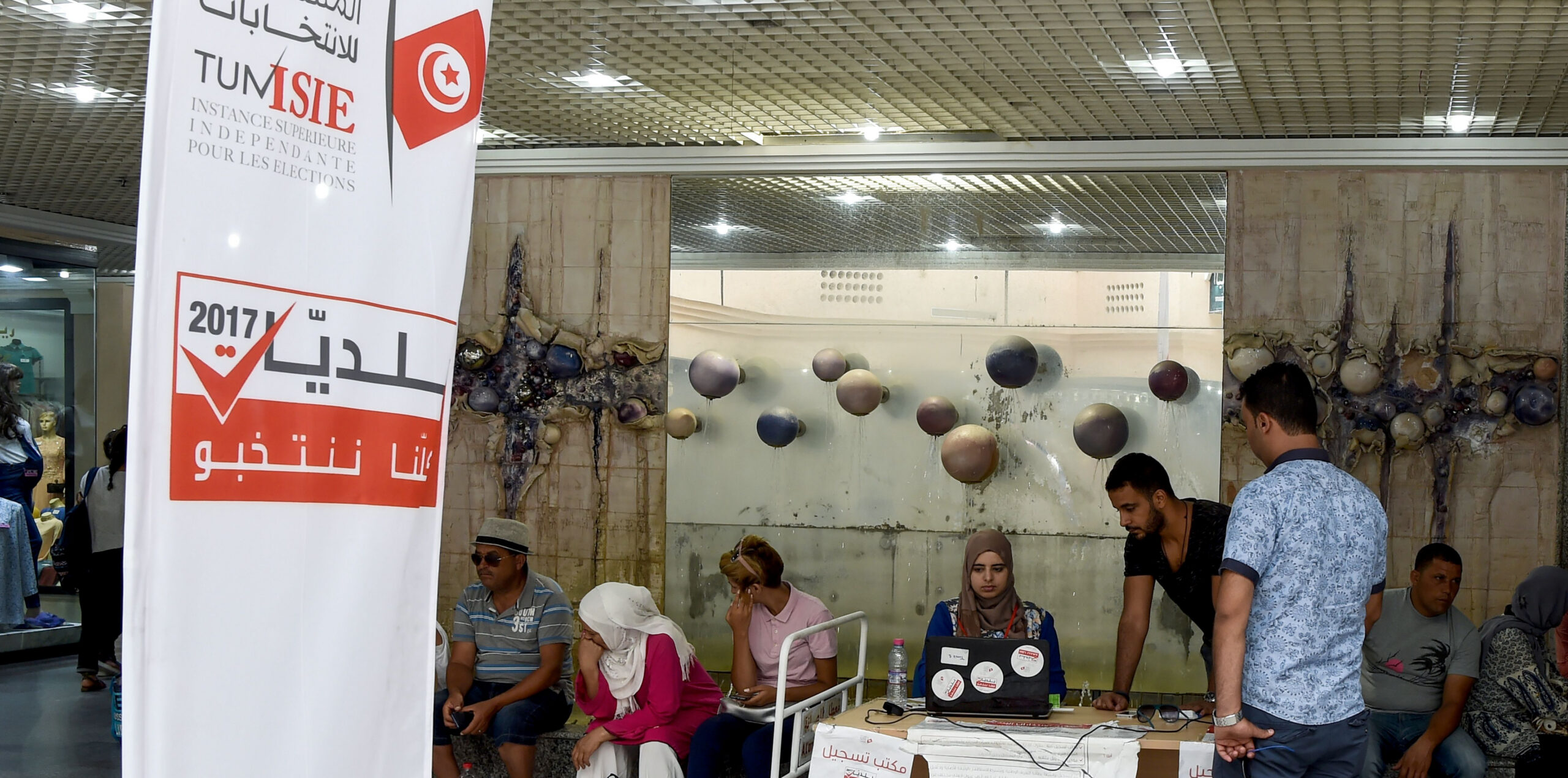
Leading up to long-awaited municipal elections, Tunisia is at a crossroads. The beginning of 2018 saw widespread protests and social unrest in both cities and rural areas, as economic stagnation and unemployment continue to worsen. However, the vote currently set for May 6 signals an opportunity for Tunisian youth, women, and minorities to make their voices heard.
Limit Iran's missiles? Sure, but first come up with a plan
Critics of the Iran nuclear deal have consistently argued that one of its major flaws is that it didn’t address Tehran’s ballistic missile program. Imposing limits on those weapons of terror, opponents of the deal say, is a primary U.S. objective and should have been part of our negotiating strategy with the Iranians from the beginning.
Arab leaders call on Iran to stop destabilizing role in region
The UN Security Council should hold Iran responsible for disrupting regional and international security and providing ballistic missiles to the Houthi militants in Yemen to attack Saudi Arabia and other Gulf nations, the speaker of the Arab Parliament has said.
Ahmadinejad’s aide targets Judiciary and Quds Force in new open letter
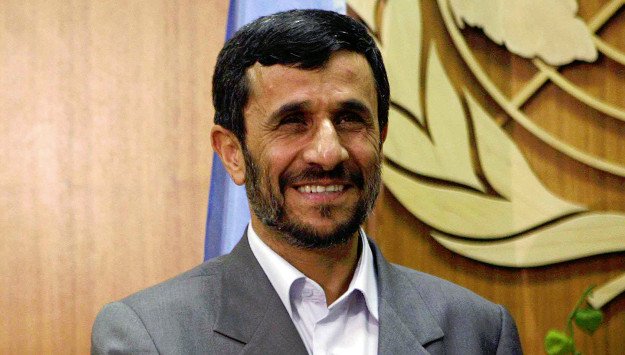
In a scathing open letter published online, a close aide to Mahmoud Ahmadinejad has continued the public feud between the former president’s team and the country’s judicial and military institutions. In the letter addressed to the Judiciary, Hamid Baqaei, a former vice president who was recently arrested on embezzlement charges, questioned the fairness and transparency of the country’s judicial system. He also crossed a regime red line by raising questions about the country’s secretive Quds Force and its chief commander, Major General Qassem Soleimani.
Saudi Arabia jails two on charges of working with Iran and Iraqi Hezbollah to attack Eastern Province
The Criminal Court of Riyadh today sentenced two Saudi citizens on charges of engaging in acts of terrorism and conspiring with Iran and its regional proxies to destabilize Saudi Arabia, the Arab press reported.
Domestic and International Considerations in China's “Halalification” (清真乏化)
This article explores Chinese eagerness to join and dominate the global Halal market via the Belt and Road Initiative (BRI). Secondly, it examines why the state selected the Hui Muslims of Ningxia, rather than the larger community of Uyghurs in Xinjiang, to lead Sino-Muslim world trade. This section introduces model minority theory to assess Chinese government policy. Third, the article assesses the potential conflict between the Chinese export strategy with growing domestic resentment toward increasingly visible Halal segregation.