This individual is a guest contributor. MEI is not able to assist with contact requests.
Shahmahmood Miakhel is the Country Director in Afghanistan for the US Institute of Peace (USIP). Prior to that he was a Governance Advisor for the United Nations Assistance Mission in Afghanistan (UNAMA), and, from 2003–2005, a Deputy Minister of the Interior in the Government of Afghanistan. In 1994–1995 he worked for the United Nations Development Programme (UNDP) and United Nations Office for Project Services (UNOPS) in South and Southeast Afghanistan helping to establish District Rehabilitation Shuras (DRS). He also worked as a reporter for the Pashto service of the Voice of America from 1985–1990.
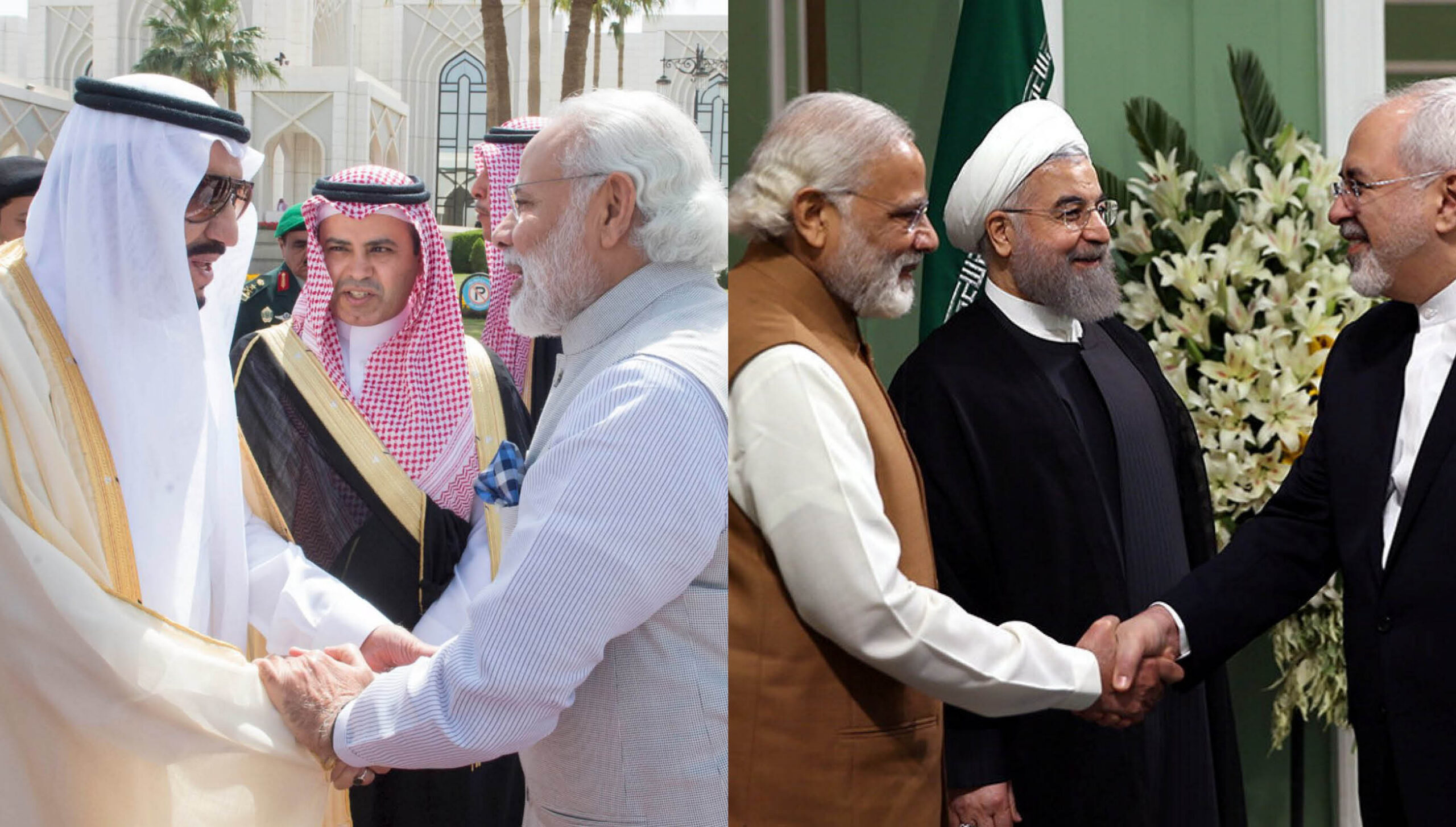
This essay discusses India’s increasingly extensive relations with the Gulf Arab countries and its equally important interest in continuing to develop mutually beneficial ties with Iran. The author argues that as India’s regional profile rises and its economic prowess expands, New Delhi will come under pressure to take sides — pressure to which Indian leaders must try their utmost not to succumb.
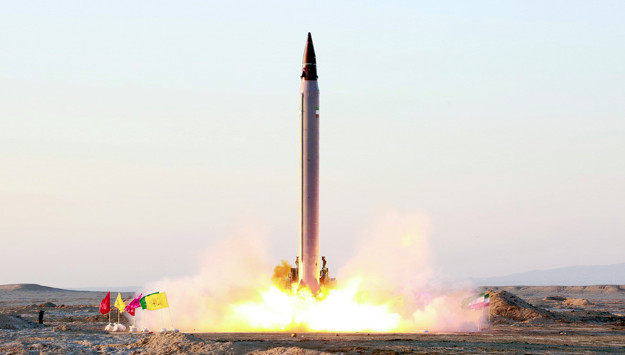
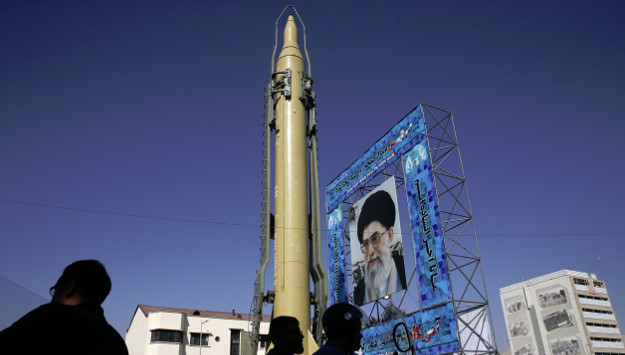
Rouhani Government Rejects Claim It Ordered Missile Tests during Nuclear Negotiations
Iranian presidential candidate Mostafa Mir-Salim claimed on Monday that Iranian diplomats had asked the country’s military to conduct a missile launch to boost Tehran’s position vis-à-vis world powers during the nuclear negotiations
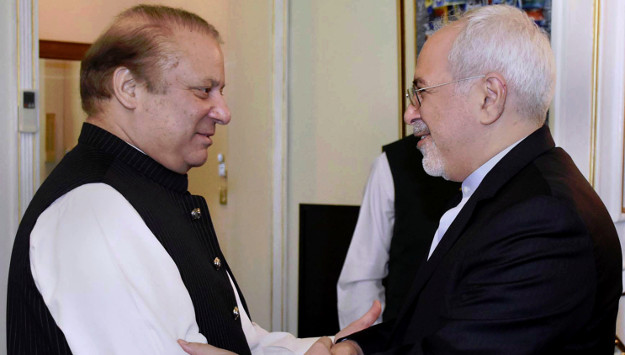
Pakistan Protests Top Iranian Military Official’s Cross-Border Attack Warning
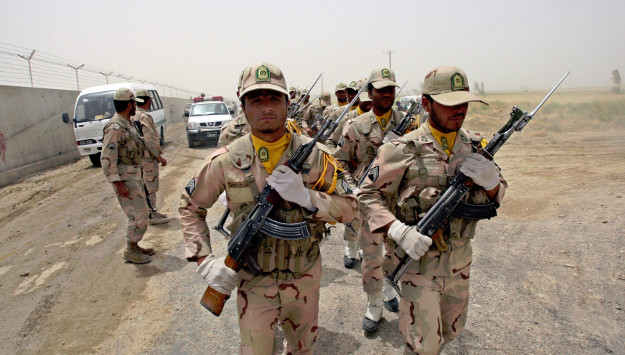
Tension between Iran and Pakistan over the latest killing of 10 Iranian border guards continues to escalate despite an agreement between leaders of the two countries last week to jointly tackle cross-border issues.
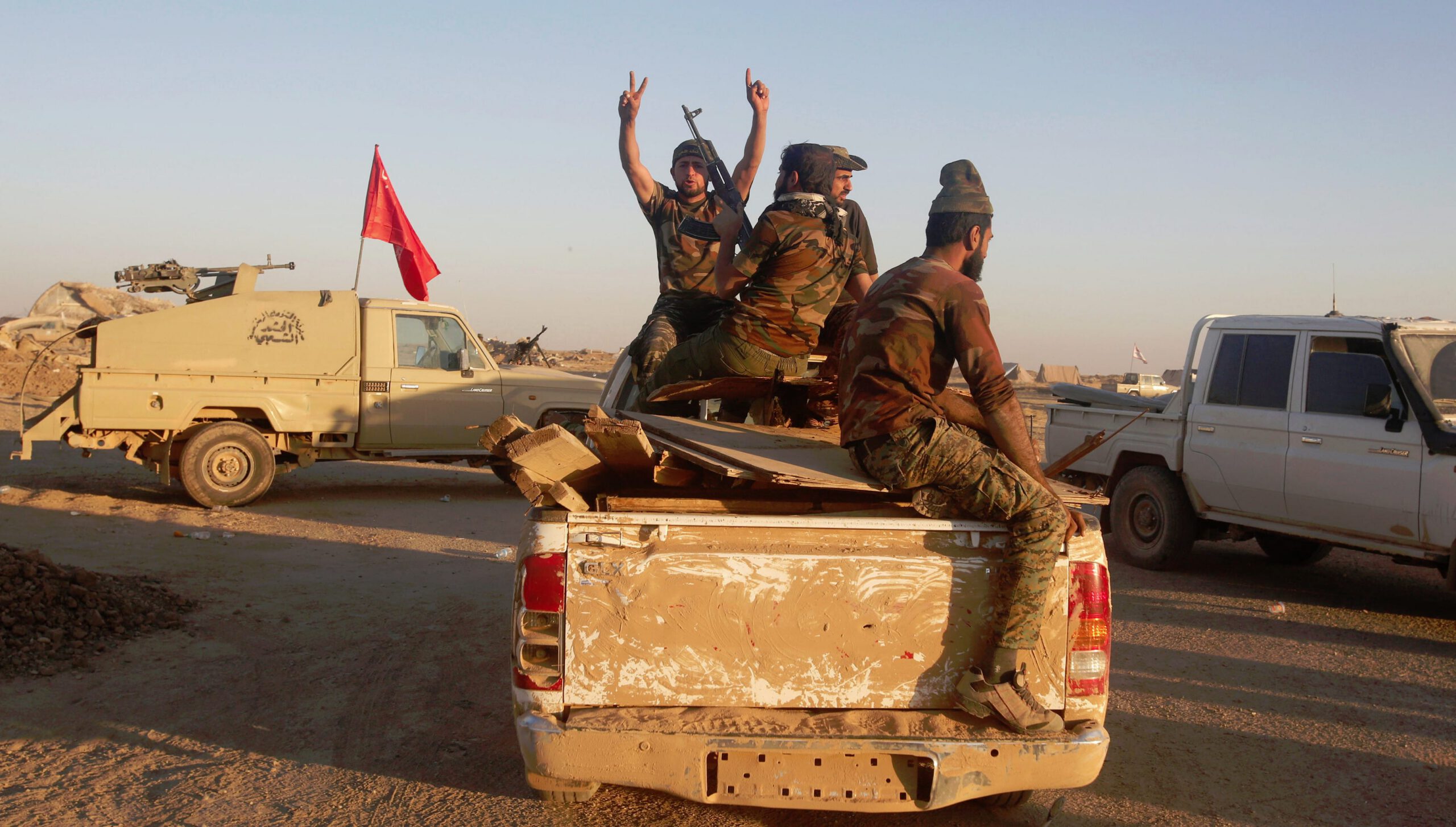
Iran-Backed Iraqi Militia Commander Says His Forces Barred from Tal Afar Operation under Pressure from U.S. and Turkey
A prominent Iranian-backed Iraqi Shiite militia leader has confirmed that the Hashd al-Shaabi – the paramilitary Iraqi forces known as the Popular Mobilization Forces – will not take part in the military operation to recapture the strategic city of Tal Afar from the Islamic State.
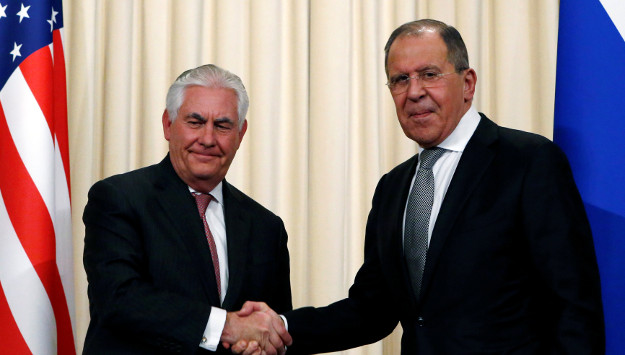
Russia Seeks U.S. Support for Syria Plan | Monday Briefing
In this week’s Monday Briefing, MEI experts Charles Lister, Alex Vatanka, and Jonathan M. Winer provide analysis on recent and upcoming events including the meeting between Russian Foreign Minister Lavrov and Secretary of State Tillerson, Iranian President Rouhani’s battle for re-election, and the efforts to strike a deal for the future of the Libyan state.
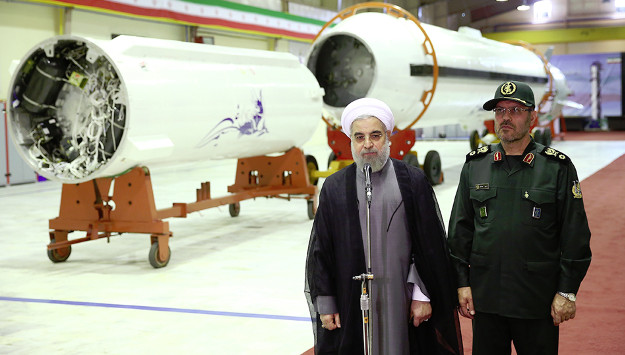
Rouhani’s Missile Remark Raises Ire of Iran’s Military Leaders
Iran’s President Hassan Rouhani’s latest remark on the country’s missile program has aroused the ire of the military establishment. In the second presidential debate aired on Iran’s state-run TV, Rouhani, who is seeking a second term in May 19 elections, accused the powerful Islamic Revolution Guards Corps (I.R.G.C.) of trying to sabotage the Joint Comprehensive Plan of Action – the nuclear deal Iran signed with world powers in July 2015. “What did they do in order to undermine the J.C.P.O.A.?” Rouhani asked, referring to the I.R.G.C.
Iran Threatens to Destroy Saudi Arabia If Provoked
The Iranian defense minister said on Sunday that his country would hit back and destroy all of Saudi Arabia, except the Muslim holy sites, if Riyadh showed any aggression toward the Islamic Republic. “I advise them against committing any ignorant move.
Afghan Paper Accuses Tehran of “Double Game” as FM Zarif Visits Kabul
An editorial in Afghanistan’s largest daily Hasht-e Sobh accuses the Iranian government of “playing a double game” in Afghanistan. The article analyzes Iranian Foreign Minister Javad Zarif’s weekend visit to Kabul and warns that such diplomatic outreach would yield no results unless the Iranian government cuts ties with terrorist groups fighting in Afghanistan. “Iranian Foreign Minister Javad Zarif’s trip to Kabul was an opportunity for high-ranking officials of the national unity government to share Afghanistan’s legitimate concerns with him,” the paper stressed.
Iran-Supported Iraqi Militia Group Threatens Bahrain over Shiite Cleric’s Trial
The leader of a prominent Iran-controlled Iraqi Shiite militia group has warned that his forces and other Shiite militant groups will respond to the Bahraini government’s prosecution of Ayatollah Isa Qassim.
Interview with Raed Al Saleh, Leader of the White Helmets
April 27, 2017 – Raed Al Saleh, leader of the Syria Civil Defense (“The White Helmets”) joins host Paul Salem to discuss the situation on the ground in Syria, how the White Helmets are working to save civilian lives, and prospects for finding a path to peace.
Iran’s Intelligence Minister Says It Dismantled 30 “Terrorist Cells” inside Iran
The Iranian intelligence minister has announced that the country’s security forces have identified and disbanded about 30 terrorist cells over the past Iranian calendar
Iran Paper Predicts Major Challenges to Syria De-Escalation Zones
Although Iran, Turkey and Russia have signed an agreement to create four de-escalation zones in Syria, the implementation of the plan will face major challenges, writes