This individual is a guest contributor. MEI is not able to assist with contact requests.
Shahmahmood Miakhel is the Country Director in Afghanistan for the US Institute of Peace (USIP). Prior to that he was a Governance Advisor for the United Nations Assistance Mission in Afghanistan (UNAMA), and, from 2003–2005, a Deputy Minister of the Interior in the Government of Afghanistan. In 1994–1995 he worked for the United Nations Development Programme (UNDP) and United Nations Office for Project Services (UNOPS) in South and Southeast Afghanistan helping to establish District Rehabilitation Shuras (DRS). He also worked as a reporter for the Pashto service of the Voice of America from 1985–1990.
Afghan Official Says Iran Is Fueling Sectarian Tension in Western Provinces
The BBC Persian reports that Iran has significantly expanded its ideological, cultural and economic sphere of influence in Afghanistan’s western province of Nimroz and is inflaming sectarian tension in the province.
Harsh I.R.G.C. Attack on Turkey in Midst of Syria Talks
Mohsen Rezaei, a top commander in the Islamic Revolution Guards Corps (I.R.G.C.), has waged an exceptionally tough attack on Turkey and accused Ankara to be the minion of the United States in Washington’s “dangerous game in the Middle East.”
Iran Hardliners Urge Escalation in Houthi Attacks on Saudi Arabia
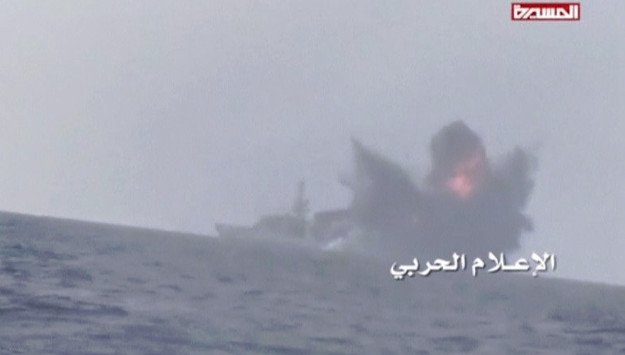
Hardline Iranian media are enthusiastically speculating that the conflict in Yemen will soon enter a more dangerous phase with the intensification in the use of missiles by the Yemeni rebels.
Uranium Shipments from Russia to Iran May Further Alarm Washington
A senior official of the Atomic Energy Organization of Iran (AEOI) has confirmed the shipment of five kilograms of 20 percent enriched uranium from Russia to the Iranian province of Esfahan.
Monday Briefing: Trump’s Executive Orders Don’t Reveal a Coherent Strategy
In this week’s Monday Briefing, MEI experts Paul Salem, Paul Scham, Randa Slim, W. Robert Pearson, and Marvin G. Weinbaum provide analysis on recent and upcoming events including the Trump administration’s apparent lack of a coherent strategy in the implementation of executive orders, the possibility of an improved relationship between Israel and the UK in the wake of Brexit, the Astana meeting to discuss the Syrian cease-fire deal, bilateral efforts to improve Turkish-Israel relations, and the uncertainty surrounding U.S.-Pakistani relations under the Trump administration.
Senior Iranian Official Threatens to Attack Israel, U.S. Bases in Mideast
A senior member of Iran’s parliament’s National Security and Foreign Policy Commission and former Islamic Revolution Guards Corps (I.R.G.C.) official has warned that if Washington “makes any mistake,” Iran will attack Israel and U.S. military bases across the Middle East. “The Fifth Fleet of the U.S.
On February 5, the Secretary of Iran’s Supreme National Security Council, Ali Shamkhani, said that “certain countries are worried about the weakening of terrorist groups in Syria.” Shamkhani made the remarks after his meeting with visiting Russian president’s Special Envoy for Syrian Affairs, Alexander Lavrentiev. Shamkhani and Lavrentiev praised the latest Syrian peace talks held in Astana and which were brokered by Russia, Turkey and Iran.
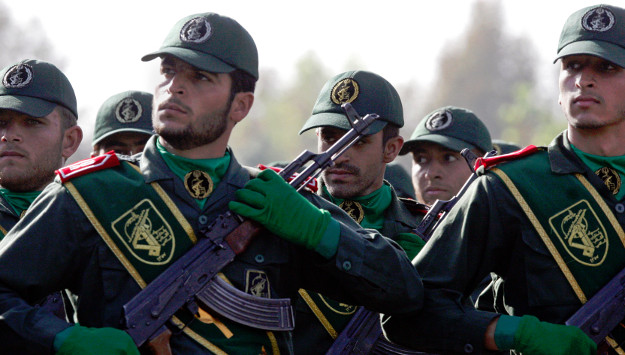
Generals from the Islamic Revolution Guards Corps (I.R.G.C.) have been busy in the last few days issuing threats against the United States and her regional allies such as Bahrain and Saudi Arabia. One such commander has been Esmail Kowsari.
Tehran Provokes Washington with Military Drill, Subversive Actions in Iraq
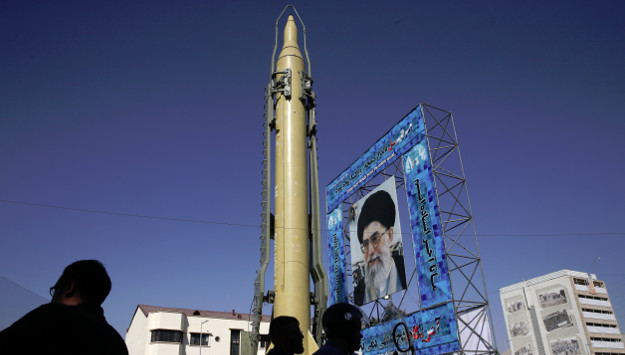
As the Trump administration is attempting to push back against Iran’s controversial ballistic missile program and the country’s support for regional terrorist and sectarian groups, the Islamic Republic appears to be only escalating its provocative actions against the U.S. and its regional allies.
Fearing a U.S.-Russia Partnership, Rouhani Rushes to Moscow to Shore up Iranian-Russian Ties
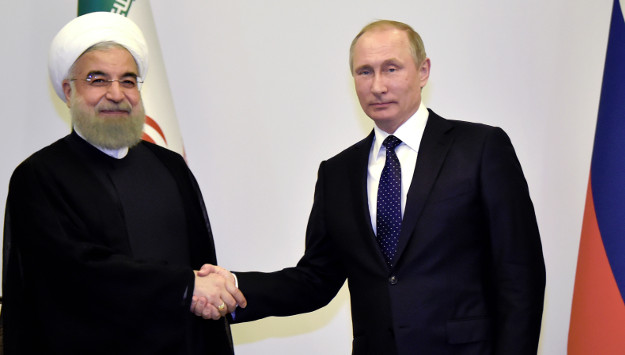
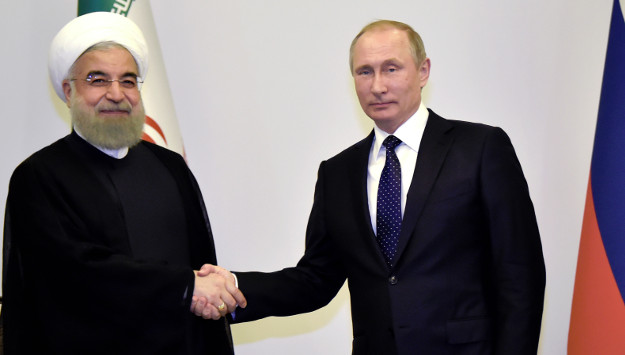
Iran’s President Hassan Rouhani is rushing to Moscow for talks with his Russian counterpart Vladimir Putin in March, Iranian and Russian media confirm. Rouhani’s trip may be an attempt to ensure that Moscow would not sacrifice Tehran as part of a grand bargain with Washington.
Rights Group Says Iranian Regime Executed 87 in January, including Minors
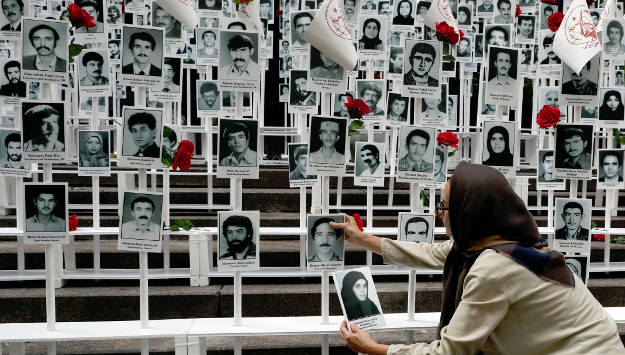
A human rights organization reports that the Iranian regime executed at least 87 people last month, including two men who were convicted when they were under 18. According to data compiled by the Iran Human Rights (IHR), the Iranian authorities announced only 19 of the 87 executions.
Prominent Iranian Hardliner Demands Rouhani Government Abrogate Nuclear Deal
Mojtaba Zonnour, the head of the Nuclear Affairs commission in the Iranian parliament has demanded that Tehran “stop implementing the [2015] nuclear deal.” Zonnour argued that the strong U.S.
A leading reformist personality, Mostafa Tajzadeh, has lashed out against hawks in Tehran that downplay the prospects of war between Iran and the United States.