Reinventing a square wheel: Can a revitalized Palestinian Authority lead the way to a better “day after?”
As questions about regarding who can take over governance of the war-torn Gaza Strip, Washington and other are pinning their hopes on a revitalized Palestinian Authority. But such “revitalization,” if limited to “strengthening” the PA cabinet and making only minor improvements in governance, will ensure that Gaza will remain a “super camp” and a source of recurring/persistent instability for Palestine and Israel.
Antisemitism and Islamophobia in the US Political Discourse on Israel/Palestine
Sahar Aziz and Mitchell Plitnick discuss their study “Presumptively Antisemitic: Islamophobic Tropes in the Palestine Israel Discourse” with MEI’s Palestine and Palestinian-Israeli Affairs Program Director Khaled Elgindy.
Locals fight their own war on drugs in Syria’s Daraa Province
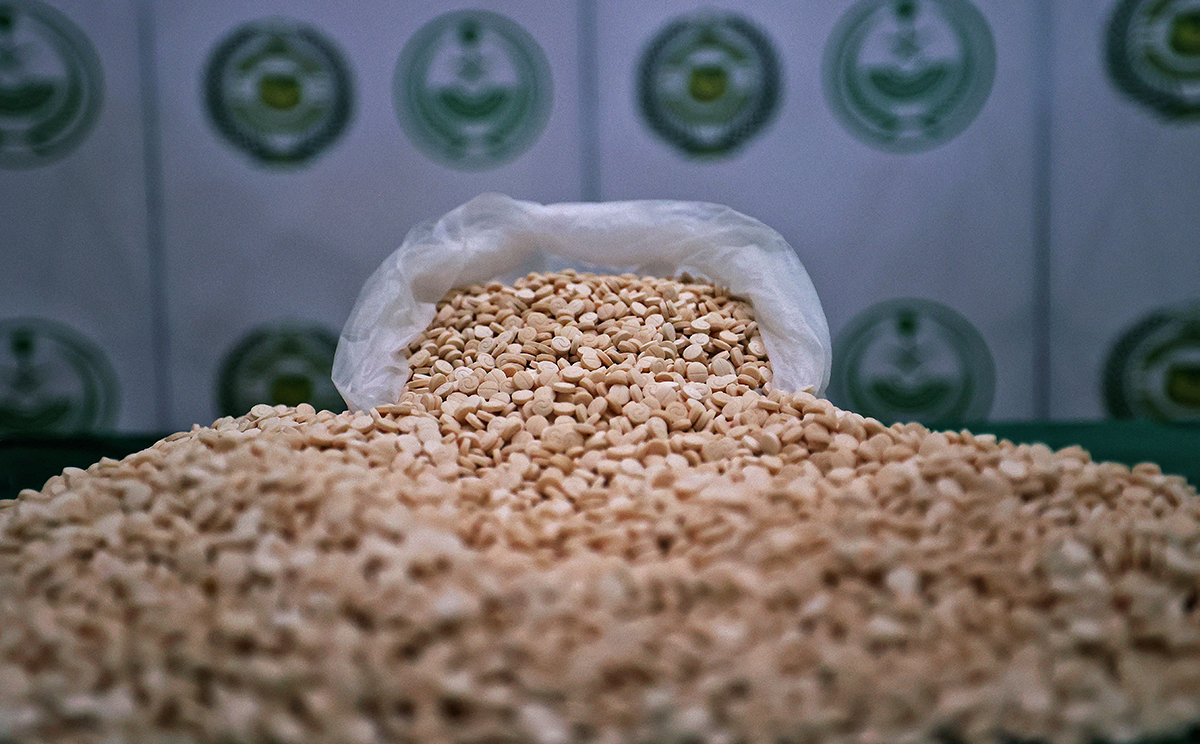
Since early last year there has been a surge in drug-related assassinations in Syria’s southwestern Daraa Province, adding a new layer to the region’s persistent violence. The regime’s complicity, driven by financial and political motives, has fostered a climate where drug networks operate with impunity, spurring locals to take matters into their own hands.
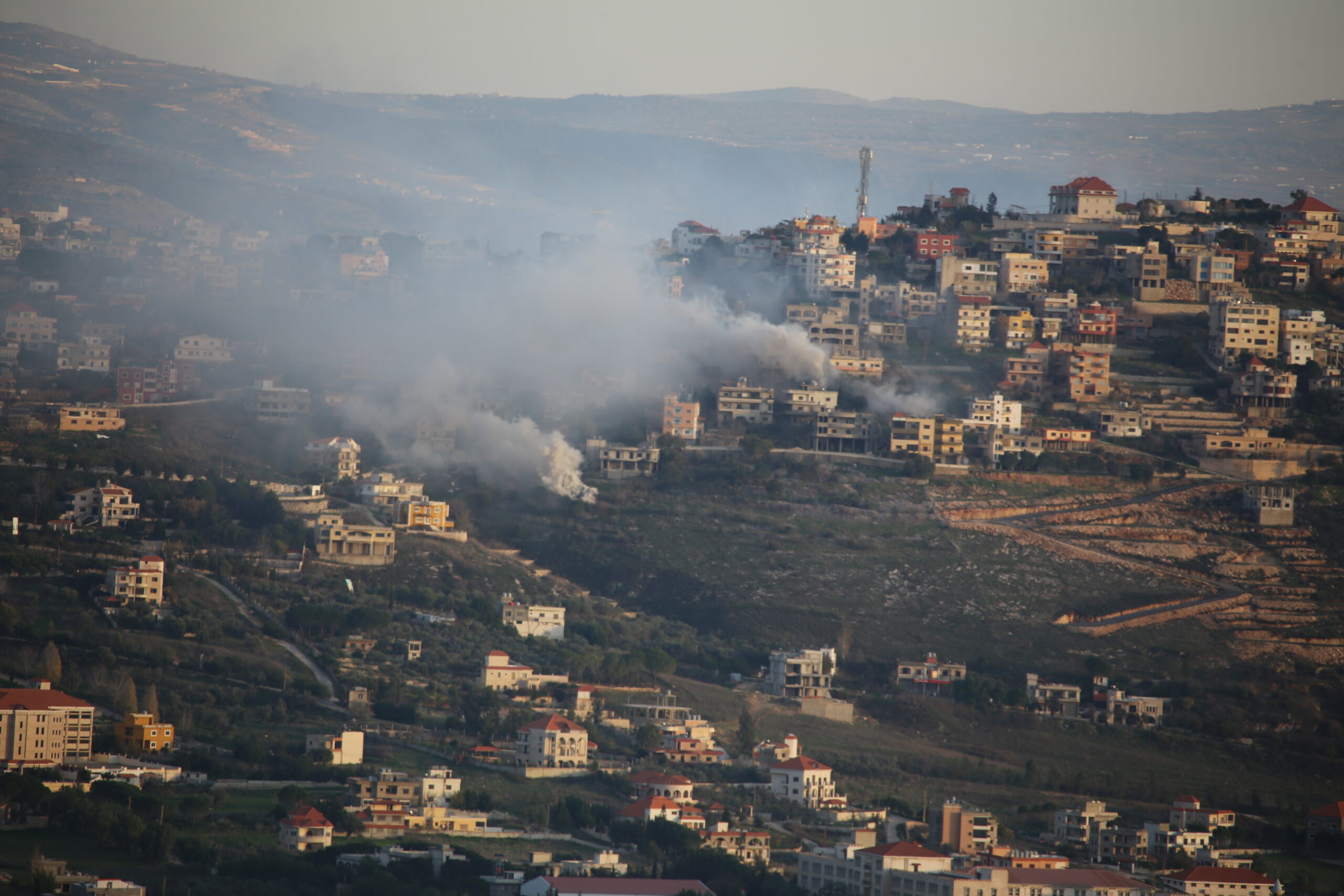
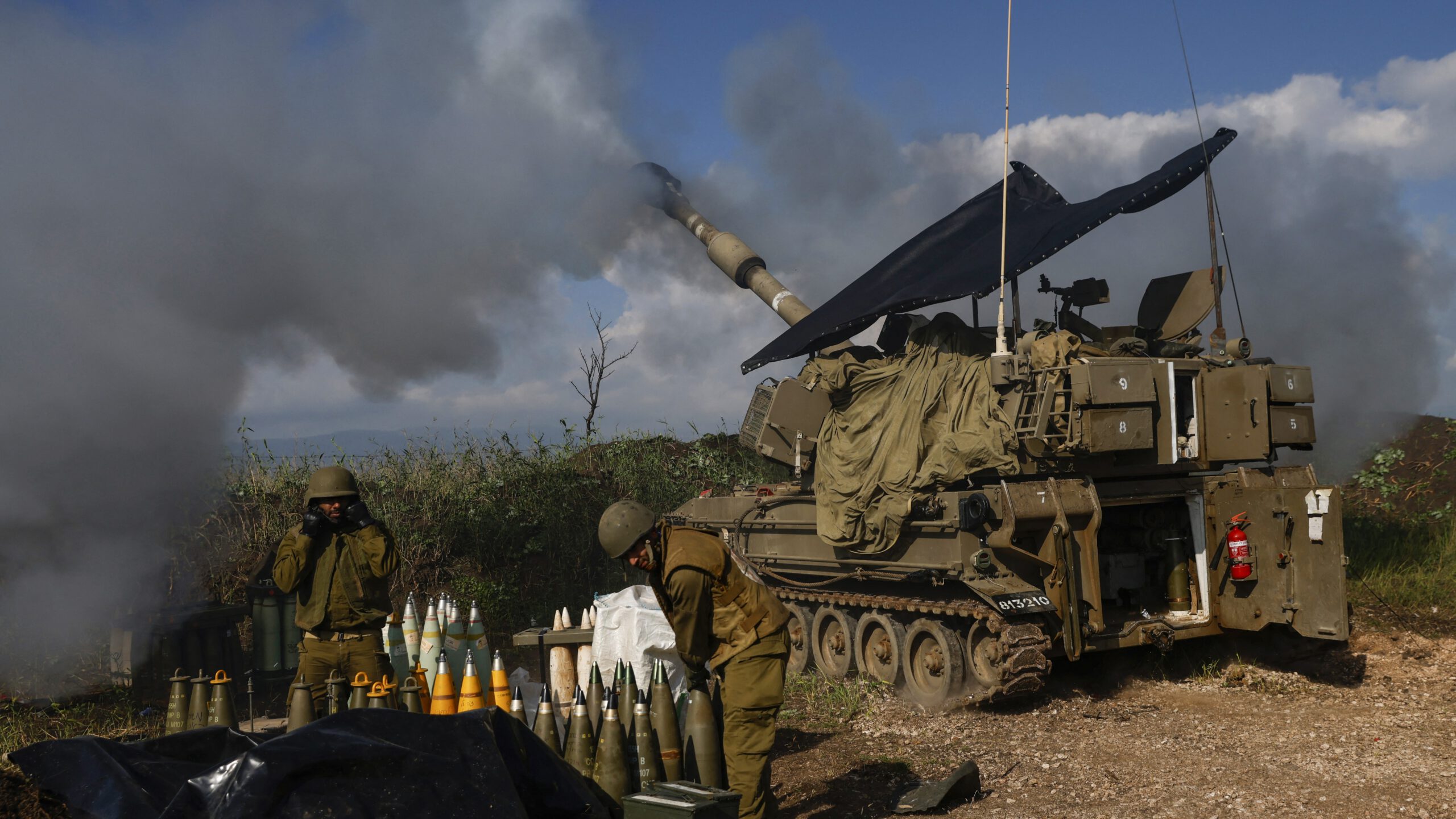
The current escalation between Israeli and Hezbollah forces necessitates immediate action from the international community to prevent a widening of the Gaza war, and the US is positioned in a leadership role to mollify tensions, beginning with diplomatic actions to stabilize the Lebanese-Israeli border, helping to pacify the broader region as a result.
Dynamic Force Employment is the Future of America’s Middle East Presence
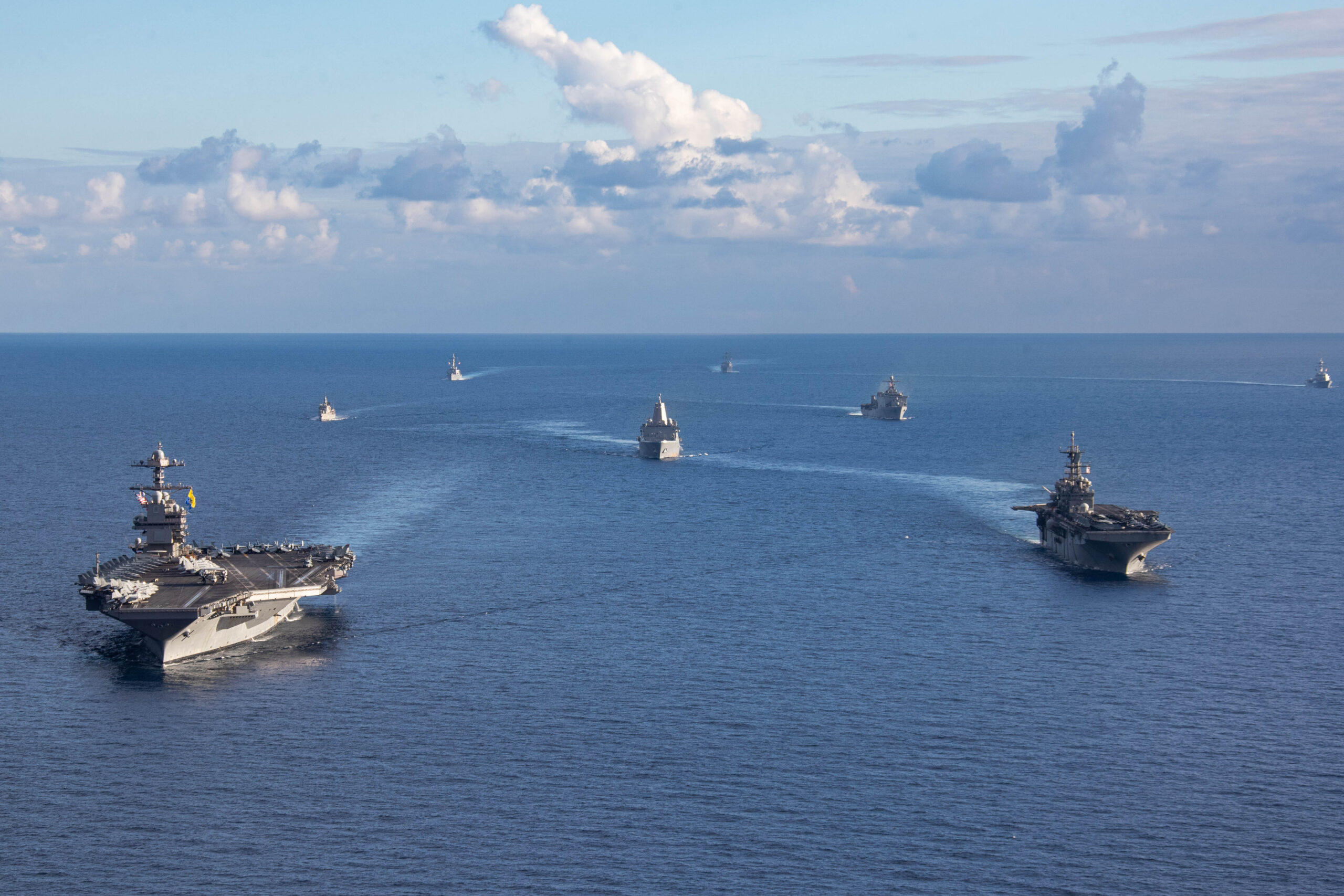
The US Department of Defense has stepped up and proposed some creative ideas regarding the future of America’s military presence in the Middle East region, as exemplified by the adoption of the concept of dynamic force employment.
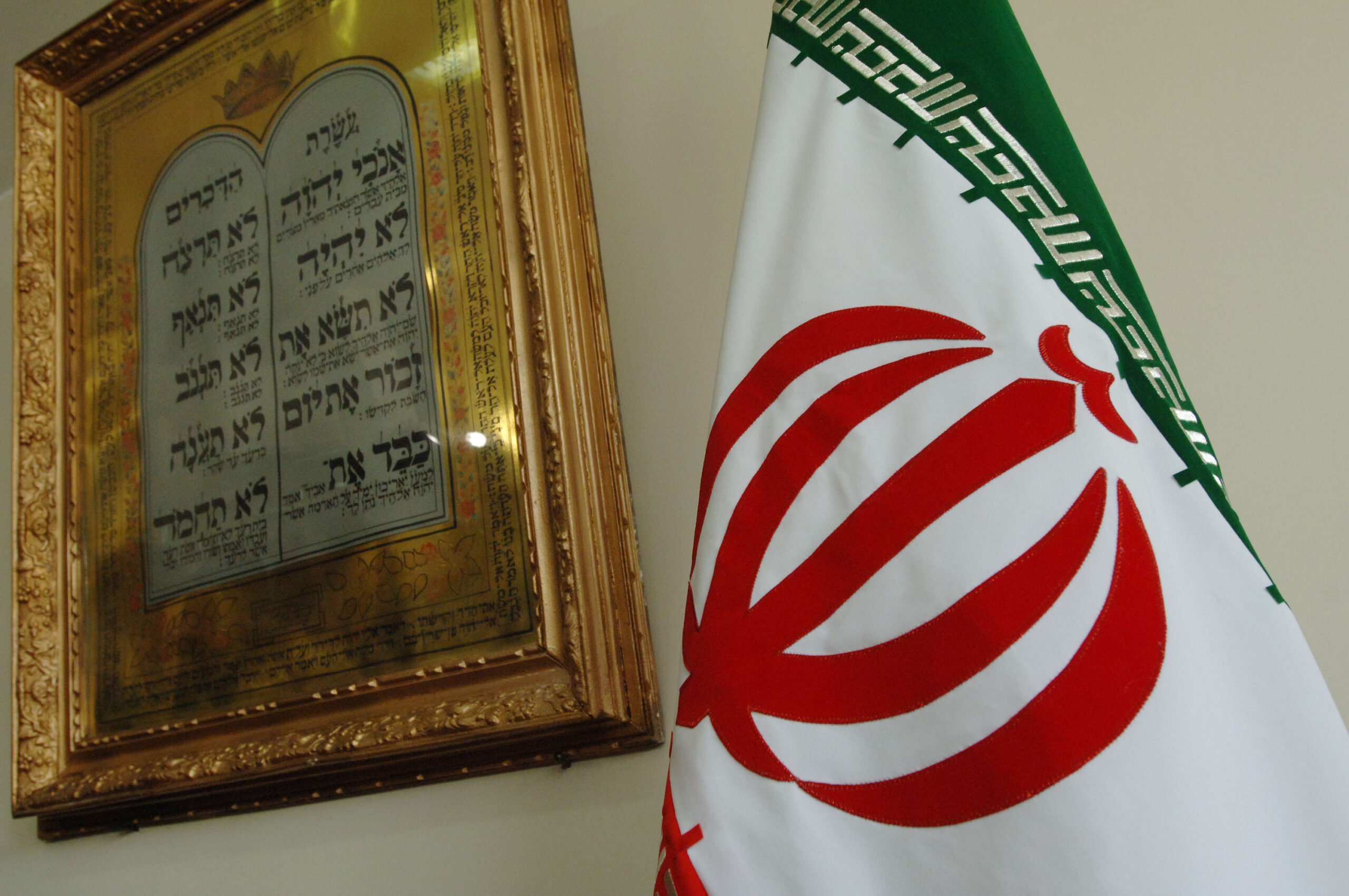
The Jews who disappeared from Iran and reappeared in Pakistan
In the mid-1980s, during the long war between Iran and Iraq, students at Tehran’s Jewish high schools would watch their friends suddenly disappear, and then reappear six months later in Europe, the U.S., or Israel. They would get there through a sophisticated smuggling operation that spirited Iran’s Jews out of the country and into Pakistan.
Iran amid conflicting geopolitical dynamics in the Middle East
As two contradictory trends of de-escalation in the Persian Gulf and a new round of war between Palestinians and Israelis unfold at the same time, Iran is trying to play its best cards and navigate its position. Iran views the region’s geopolitical and security conflicts as a chance to uphold its position and leverage it to advance its defined national interests.
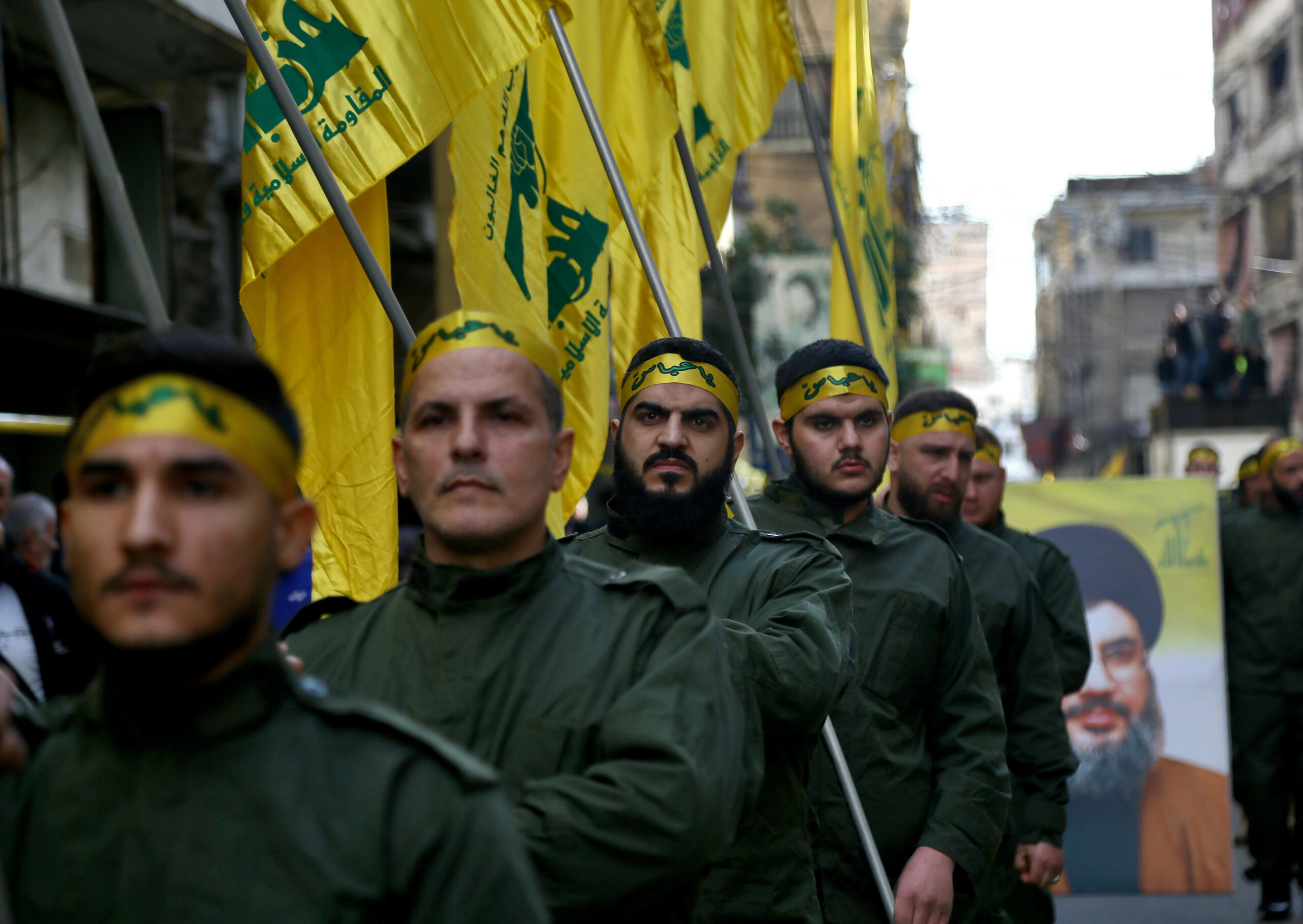
Israel and Lebanon are sliding into war, but the US can still stop it
A battle for hearts and minds is being waged in the winding alleyways of Beirut. The Lebanese are anxiously going about their lives while keeping an eye on the intensifying border skirmishes between Israel and the Iranian-backed militant group Hezbollah.
Plastered across the city walls and hanging from lampposts is the enigmatic image of Abu Obeida, Hamas’s masked spokesperson. Wrapped in a red kufiyah, the traditional Arab head garb, he is put forth as a symbol of defiance against Israel.
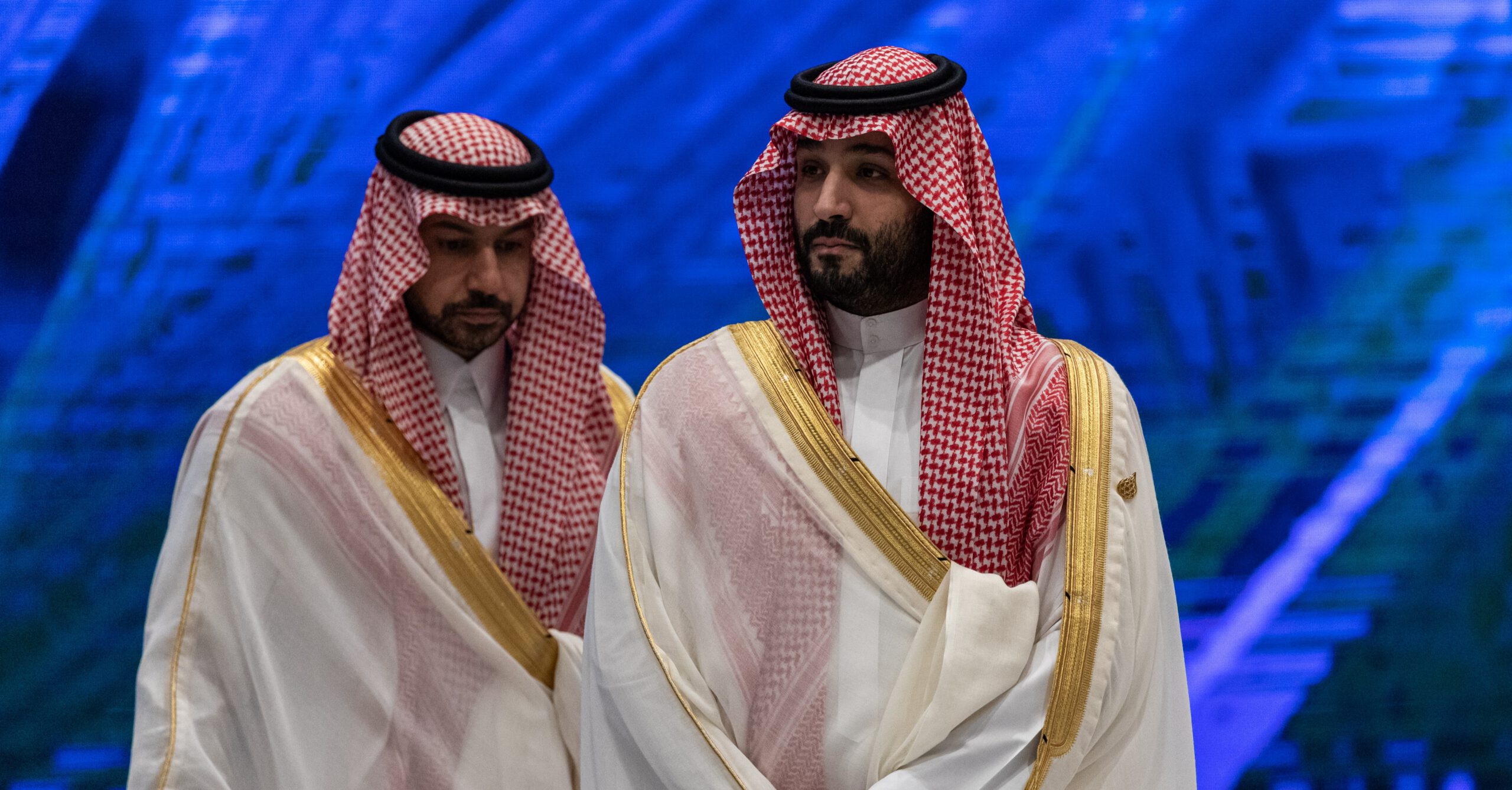
In response to the Oct. 7 attacks and subsequent bombing and invasion of the Gaza Strip, most media outlets and think tanks concluded that Hamas initiated the war to sever the path toward normalization between Saudi Arabia and Israel. Prior to the Hamas strike, Saudi Crown Prince Mohammed bin Salman (MbS) said his country was moving steadily in the direction of normalizing relations with Israel.
Each issue of The Middle East Journal includes book reviews that are among the most respected, comprehensive, and up-to-date in the field of Middle East studies. Here are 10 recommended titles selected by our book review editor from reviews published in this year’s issues.