This individual is a guest contributor. MEI is not able to assist with contact requests.
Sina Azodi, PhD is an assistant professor of Middle East politics at the George Washington University and the author of Iran and the Bomb: the United States, Iran, and the Nuclear Question. Follow him on Twitter @azodiac83.
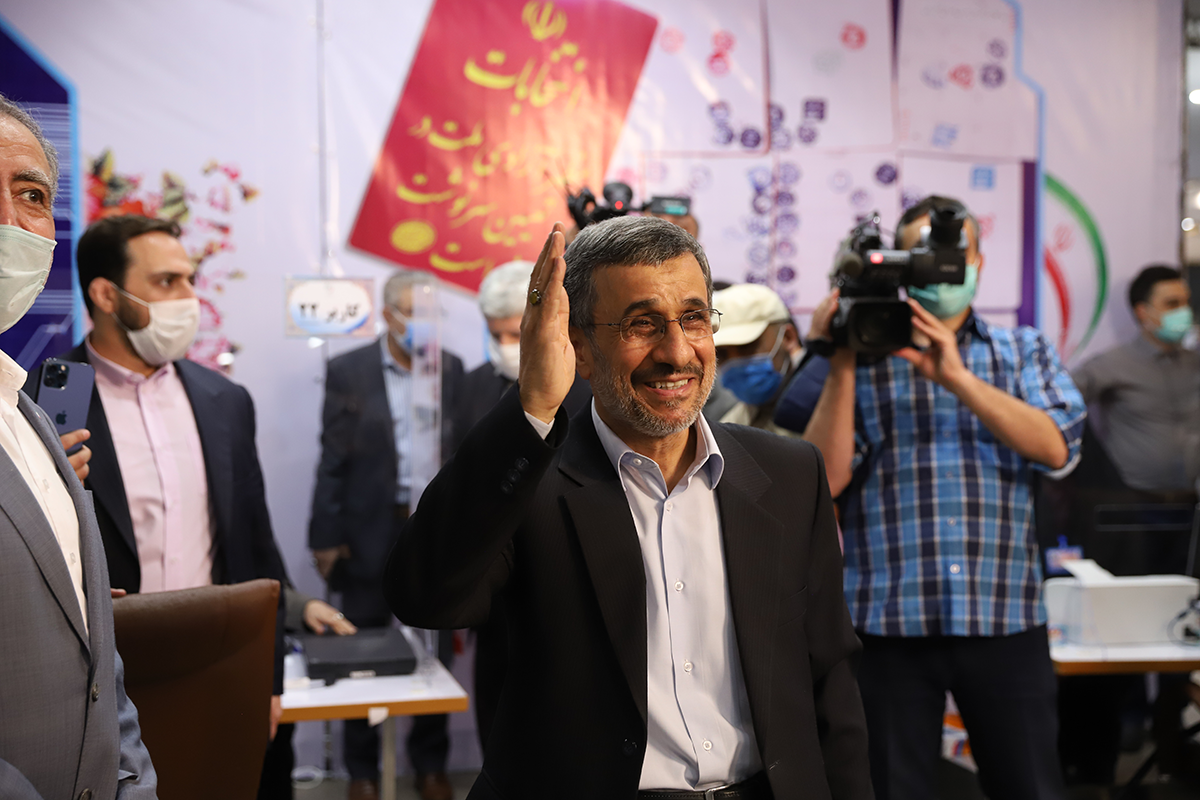
As the Islamic Republic of Iran approaches its 13th presidential election, the candidacy of former President Mahmoud Ahmadinejad (2005-13), once strongly supported by the conservative camp, poses a significant challenge to other conservative candidates by dividing their base. Given Ahmadinejad’s transformation into an opposition voice — one who openly crosses the Islamic Republic’s redlines — the ruling establishment is now facing a predicament on whether to allow the controversial statesman to run, or to bar him from participating in the presidential elections.
The president’s time: How US-Iran relations are out of sync
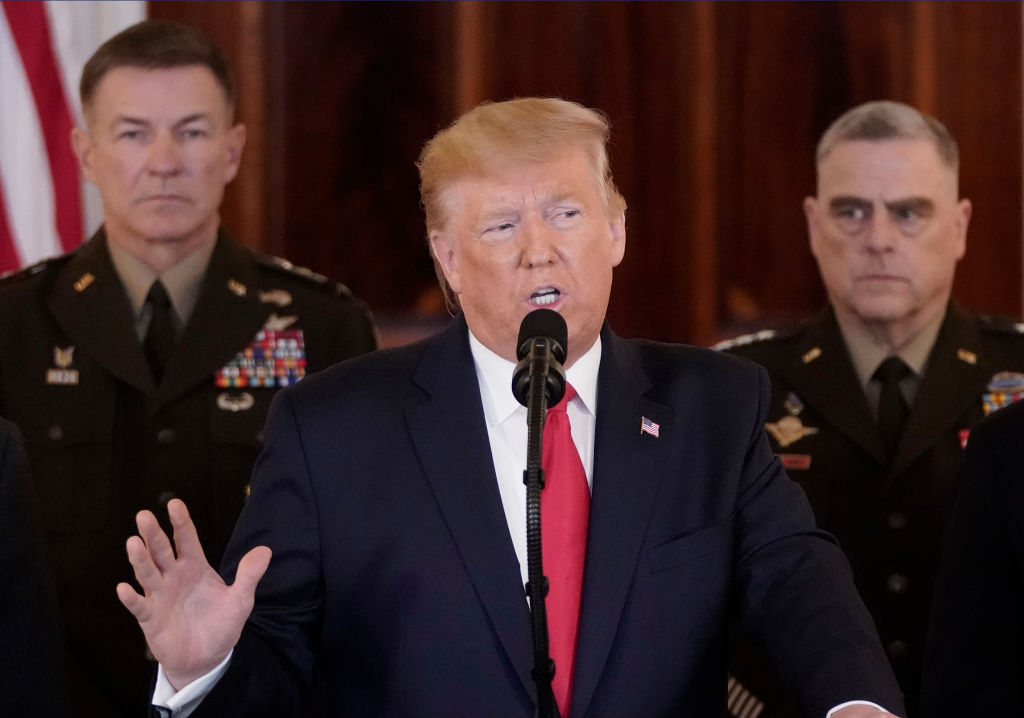
The Islamic Revolution of 1979 fundamentally transformed U.S.-Iran relations from a special relationship into an adversarial one. However, this has not prevented American presidents of both parties, from Ronald Reagan to Barack Obama, from reaching out to Tehran in the hope of a potential détente. There are many ideological, political, and economic factors behind the inability of Washington and Tehran to normalize their relations over the past four decades. One that has received little attention, however, is the cycle of U.S.
The Syrian refugee crisis brings Turkey and Hungary closer together
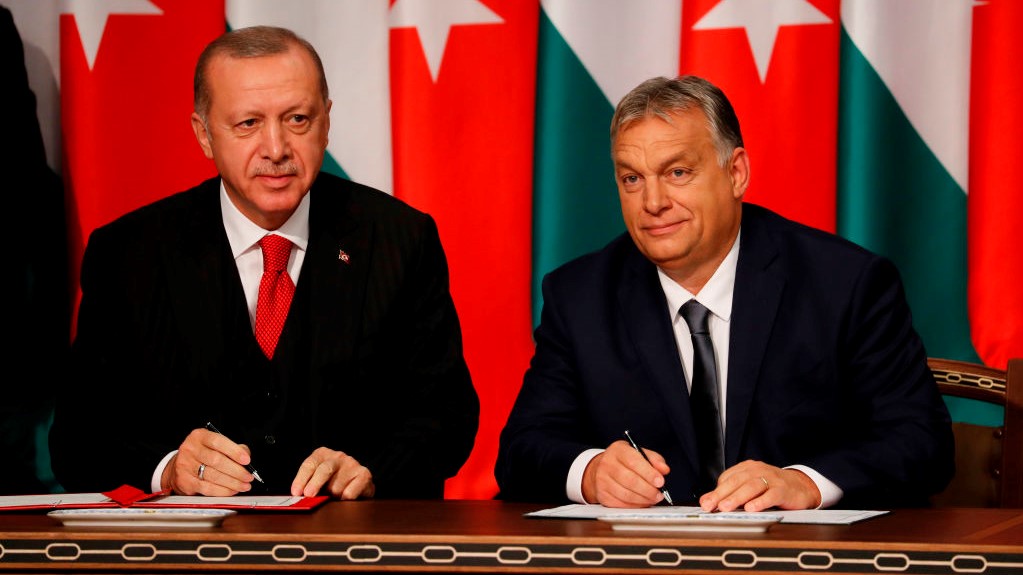
Having raised eyebrows among many European officials with rhetoric targeting Syrian and other Middle Eastern/North African refugees in Hungary, Hungarian Prime Minister Viktor Orbán sees the return of Syrian refugees to their home country as serving vital Hungarian and European interests. As Hungary continues to align closely with Russia while deepening its ties with Turkey and other non-Western governments, Budapest’s foreign policy is eroding an EU consensus.