This Analysis was first published as part of the Hudson Institute’s Current Trends in Islamist Ideology series on June 1, 2012
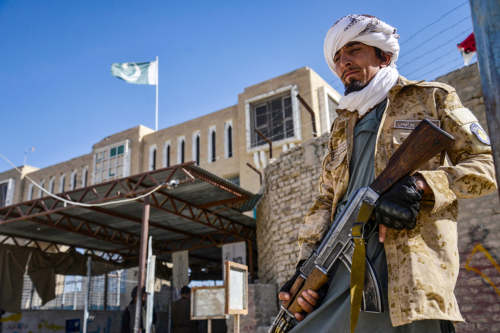
The town of Parachinar, located in a far-flung corner of western Pakistan, is fondly called by some Iranian Shiites “Little Iran.” The majority of the town’s residents are ethnic Pashtuns who belong to the Shia faith. It is also the capital of Kurram Agency, one of the seven tribal districts that make up the politically volatile Federally Administrated Tribal Areas. In recent years, Parachinar has effectively been under siege by Sunni militants. Since 2007, waves of sectarian violence have killed hundreds of Shia from Parachinar. In reaction to this, Parachinar has become a potent symbol of Shia suffering, and the plight of its Shia residents has become a rallying cry for elements of the Iranian regime.
The tragic state of affairs in Parachinar may be seen as a reflection of the mounting sectarian strife which has threatened in recent years to engulf the Pakistani nation. It may also be used as a yardstick to measure the willingness and ability of the Islamic Republic of Iran to protect Shia communities wherever they might be. After all, the Tehran regime is often looked upon as the global champion and guardian of the Shia. And historically, the Islamic Republic has actively supported Shiite militancy internationally, including in Pakistan.
Today, however, Tehran’s actions rarely match its most fervent rhetoric about the suffering of Pakistan’s Shia. Indeed, among the ranks of Pakistan’s Shia activists, many today are disappointed by what they perceive as the lack of Iranian pressure on Islamabad to take measures to protect the Shia of Parachinar and to crackdown on sectarian groups and ideologies. In Iran as well, there are analysts and even senior Shia clergy who have condemned what they deem to be Tehran’s weak stance toward anti-Shia violence in Pakistan. As Shia-Sunni violence continues in Pakistan, Tehran’s position will invariably be scrutinized from different corners since Iran is an influential regional actor with the capacity to either fuel or rein in sectarian tensions and violence in Pakistan and elsewhere in Asia.
The Middle East Institute (MEI) is an independent, non-partisan, not-for-profit, educational organization. It does not engage in advocacy and its scholars’ opinions are their own. MEI welcomes financial donations, but retains sole editorial control over its work and its publications reflect only the authors’ views. For a listing of MEI donors, please click here.