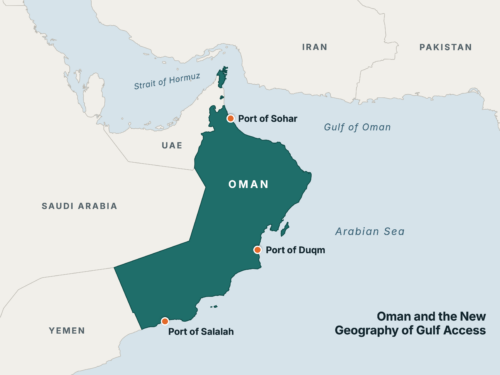
For decades, Oman’s location has been both an advantage and a liability. Its access to the Indian Ocean has given it a maritime reach beyond the Strait of Hormuz, while leaving it on the periphery of the Gulf’s economic boom, dominated by its larger neighbors.
The Iran war has changed the strategic value of that geography.
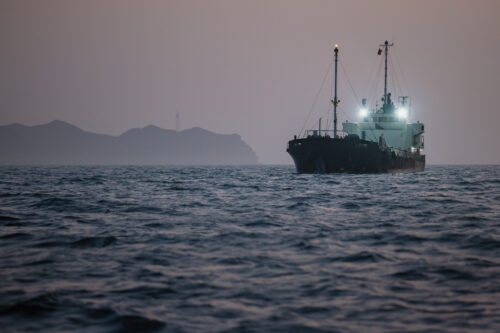
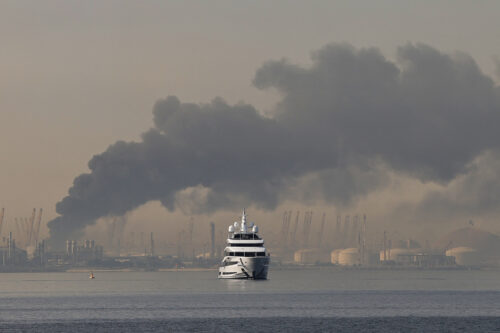
With traffic through Hormuz severely disrupted, Oman’s ports have become important gateways for regional trade. In May, logistics monitors identified Sohar and Duqm as primary diversion and transshipment points. On October 6, just seven commodity vessels transited the strait, while oil exports through the Gulf of Oman and Red Sea more than doubled from prewar levels. The disruption shows little sign of abating. On November 11, Iran’s security chief vowed to keep Hormuz closed.
The Middle East Institute (MEI) is an independent, non-partisan, not-for-profit, educational organization. It does not engage in advocacy and its scholars’ opinions are their own. MEI welcomes financial donations, but retains sole editorial control over its work and its publications reflect only the authors’ views. For a listing of MEI donors, please click here.