تمت ترجمة هذا النص بواسطة الذكاء الاصطناعي وقد يحتوي على أخطاء.
تخطي إلى المحتوى

أفغانستان وباكستان

The Mecca Joint Défense Agreement: A New Geometry of Middle Eastern Power?
  • التحليل
  • The Mecca Joint Défense Agreement: A New Geometry of Middle Eastern Power?

    On August 7, 2026, Saudi Arabia, Turkey, and Pakistan signed the Mecca Joint Défense Agreement, a collective-defense pact widely compared to NATO’s Article 5. This essay argues that the comparison is misleading. Mecca borrows NATO’s language of solidarity without yet possessing NATO’s institutional machinery, and the Houthi offensive against Saudi Arabia in September 2026 provided an early and revealing test of what the agreement actually means in practice. Neither Pakistan nor Turkey automatically entered the fight on Saudi Arabia’s behalf, and Washington, despite an initial reluctance to strike directly, remained indispensable through intelligence support and a major proposed F-35 sale. Drawing on realist alliance theory — Hans Morgenthau, Kenneth Waltz, Stephen Walt, Glenn Snyder, and Steven David — and on the precedent of the Central Treaty Organization (CENTO), the essay contends that the Middle East is not dividing into rival blocs but moving from hierarchy toward a looser, overlapping geometry of hedged partnerships, in which American exclusivity is eroding considerably faster than American primacy.
    The Mecca Alliance Meets the Red Sea – Saudi Arabia’s New Defense Pact Faces Its First Major Test
  • تعليق
  • The Mecca Alliance Meets the Red Sea – Saudi Arabia’s New Defense Pact Faces Its First Major Test

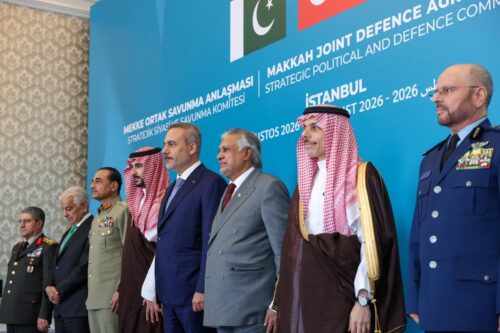
    When Saudi Arabia, Turkey and Pakistan agreed to a mutual defense pact in August, it was principally seen as a political commitment. The “Mecca alliance,” as it was dubbed, stipulated that an armed attack on one would be treated as an attack on all three, accompanied by deeper military cooperation.

    The Case for a Middle Course in Afghanistan
  • تعليق
  • The Case for a Middle Course in Afghanistan

    I was a teenage Afghan refugee in Pakistan’s tribal areas when the Twin Towers fell. Almost nobody around us understood the politics of what had happened, but we knew that something had changed for good. Afghanistan, which until then had been our private tragedy and our first exile from Taliban rule, had suddenly become the world’s concern, with the United States leading the response.

    الأخبار الأخيرة

    تصفية حسب
    1194 Results
    The Struggle for a Democratic Future in Afghanistan: The 2010 Parliamentary Elections
    معهد الشرق الأوسط
  • Video
  • The Struggle for a Democratic Future in Afghanistan: The 2010 Parliamentary Elections

    The Middle East Institute is proud to host Marvin Weinbaum, scholar at the Middle East Institute, and Caroline Wadhams, Director for South Asia Security Studies at the Center for American Progress, for a discussion on the outcomes and impact of the recent parliamentary elections in Afghanistan. Recently returned from Afghanistan, where

    September 27, 2010

    The Mainstreaming of FATA
    معهد الشرق الأوسط

    The Mainstreaming of FATA

    September 14 – January 1, 1970, September 14 - 12:00 PM – 12:00 AM
    January 1 - 12:00 PM – 12:00 AM

    1761 N Street NW, Washington, 20036

    The Mainstreaming of FATA
    معهد الشرق الأوسط
  • Video
  • The Mainstreaming of FATA

    The Middle East Institute is proud to host Mr. Habibullah Khan, current head of the Federally Administered Tribal Areas (FATA) Secretariat, to discuss the security, policy, and cultural challenges surrounding the integration of FATA into Pakistan's mainstream political system. In his talk, Mr. Khan will highlight the primary characteristics of life in the tribal areas and outline the present governance system.

    September 14, 2010

    Pakistan's Media is Under Fire
    معهد الشرق الأوسط
  • التحليل
  • Pakistan's Media is Under Fire

    This piece first appeared as a Commentary on McClatchyDC.com, August 24, 2010

    It is hard to imagine a government that faces more existential threats to its people, state, and democracy than the current civilian government in Pakistan.

    August 24, 2010

    Karachi's Melting Pot Boils Over
    معهد الشرق الأوسط
  • التحليل
  • Karachi's Melting Pot Boils Over

    This Commentary first appeared as an op-ed on Foreign Policy's AfPak Channel, August 18, 2010.

    The desperate plight of over 20 million Pakistani citizens displaced and dispossessed by the most ferocious flooding in the history of the young state is heartbreaking. Nature is extracting a cruel price on a population already racked by debilitating poverty and a brutal insurgency.

    August 18, 2010

    Pakistan 2010: Accomplishments and Opportunities
  • Video
  • Pakistan 2010: Accomplishments and Opportunities

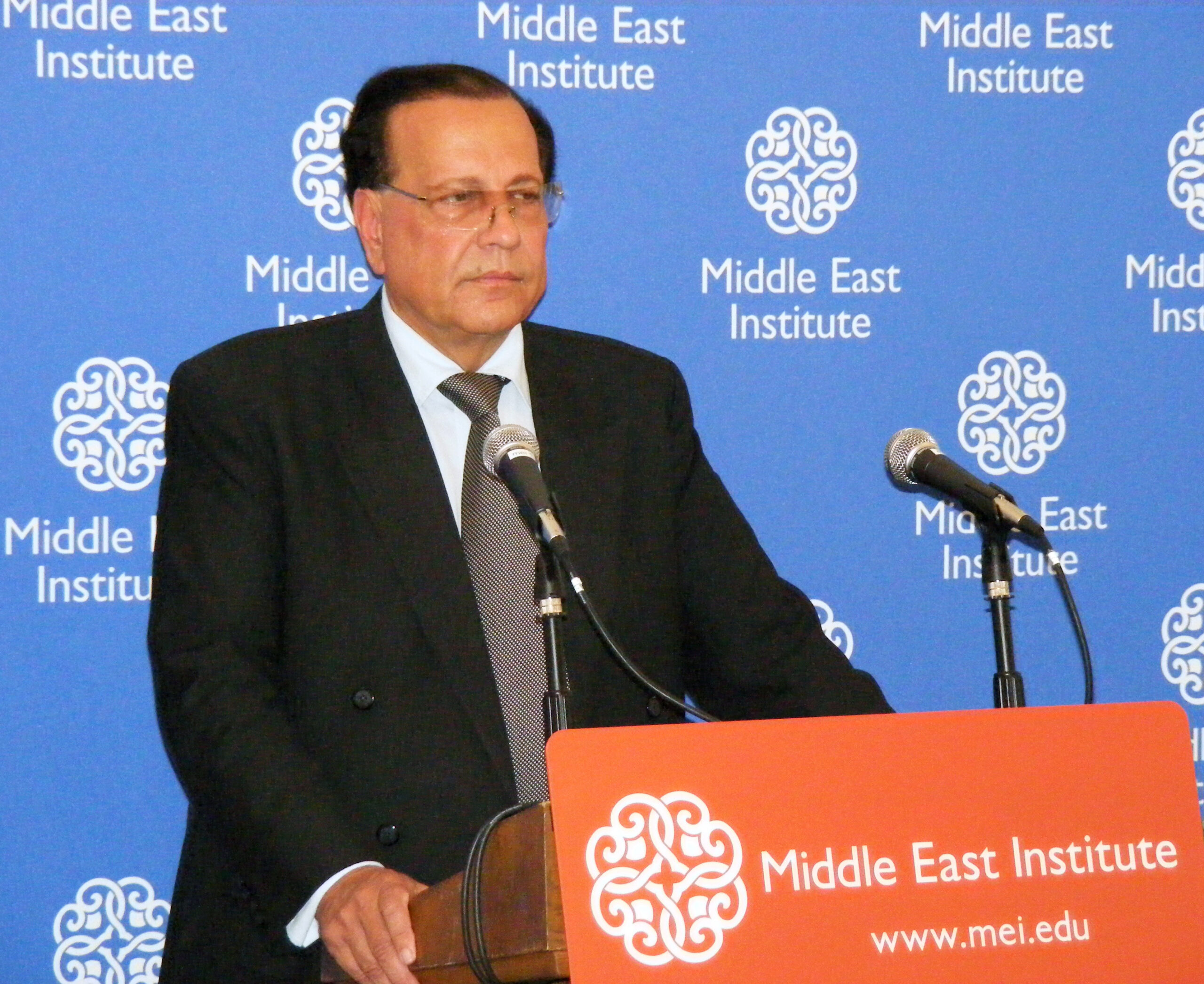
    The Middle East Institute is proud to host Salman Taseer, the Governor of Pakistan's Punjab province. He will examine Pakistan's accomplishments over the past year and its looming challenges.

    May 18, 2010

    The Evolving Role of Afghan Female Athletes
    معهد الشرق الأوسط
  • التحليل
  • The Evolving Role of Afghan Female Athletes

    Children can learn many lessons from playing sports: leadership, self-confidence, and the concept of working toward a common goal are a few such lessons. These are all skills that, when applied in life off the field, can augment the potential for success there as well.

    May 2, 2010

    Tradition Trumps Sport: A Female Wrestler Retreats
    معهد الشرق الأوسط
  • التحليل
  • Tradition Trumps Sport: A Female Wrestler Retreats

    The 20th century has yielded new and expanding arguments for increasing sports opportunities for women and girls. From Title IX to the Women’s Sports Foundation, the importance of women’s access to sports has received a great deal of attention from academia, the media, and the non-profit circuit. While I agree that women should have access, and that our opportunities lag far behind those of men, I do not agree with the social and political promises of change made by some of these programs.

    May 2, 2010

    Transnational Networks and Local Challenges: Iraqis in Cairo
    معهد الشرق الأوسط
  • التحليل
  • Transnational Networks and Local Challenges: Iraqis in Cairo

    Originally posted March 2010

    It is estimated that over four million Iraqi refugees have fled to neighboring countries in the region since the 2003 war began. While migration continued after the war, the peak of this influx was witnessed particularly in and after 2006 due to the acceleration of violence in central and southern Iraq. More particularly, the majority of these refugees fled due to direct threats to their lives and their immediate families.

    April 19, 2010

    اقرأ مجلة الشرق الأوسط

    أقدم مطبوعة محكمة مخصصة لدراسة الشرق الأوسط المعاصر، تغطي مجلة MEI الرائدة السياسة والمجتمع والثقافة في المنطقة.