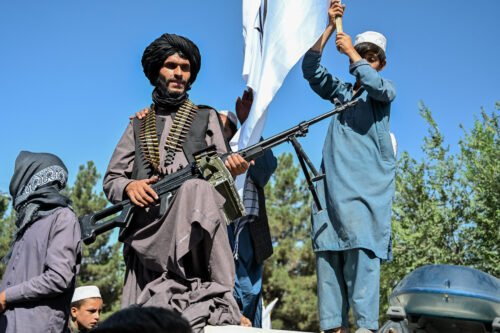
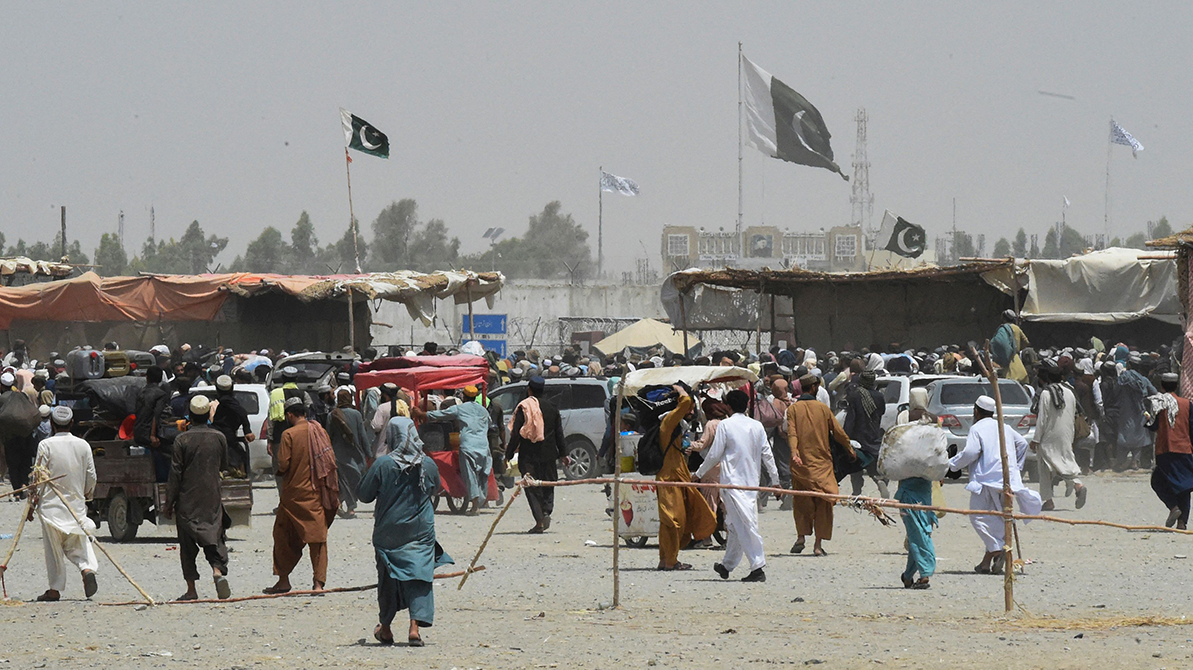
I was a teenage Afghan refugee in Pakistan’s tribal areas when the Twin Towers fell. Almost nobody around us understood the politics of what had happened, but we knew that something had changed for good. Afghanistan, which until then had been our private tragedy and our first exile from Taliban rule, had suddenly become the world’s concern, with the United States leading the response.
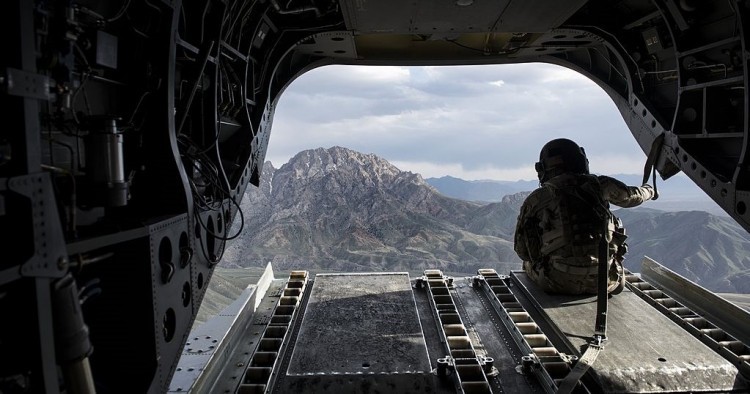
United States Central Command (CENTCOM), one of the US Department of Defense’s (DoD) six geographical combatant commands, is responsible for countering threats, responding to crises, and strengthening regional stability in the Middle East, Central Asia, and parts of South Asia.
A Strategic Conundrum: Pakistan’s Transit Corridor to Iran as Lifeline or Liability
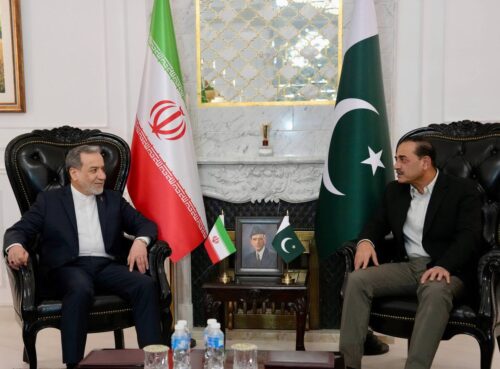
The US-Iran standoff over the Strait of Hormuz — disruptive to global trade and energy flows, and devastating for debt-burdened economies — has handed Pakistan an unexpected geoeconomic opportunity, one that may persist even if the framework agreement announced on June 14 results in a lasting peace and permanent reopening of the strait. But seizing it will have interlocking consequences for Islamabad’s ties with Tehran, Washington, and the Gulf states.
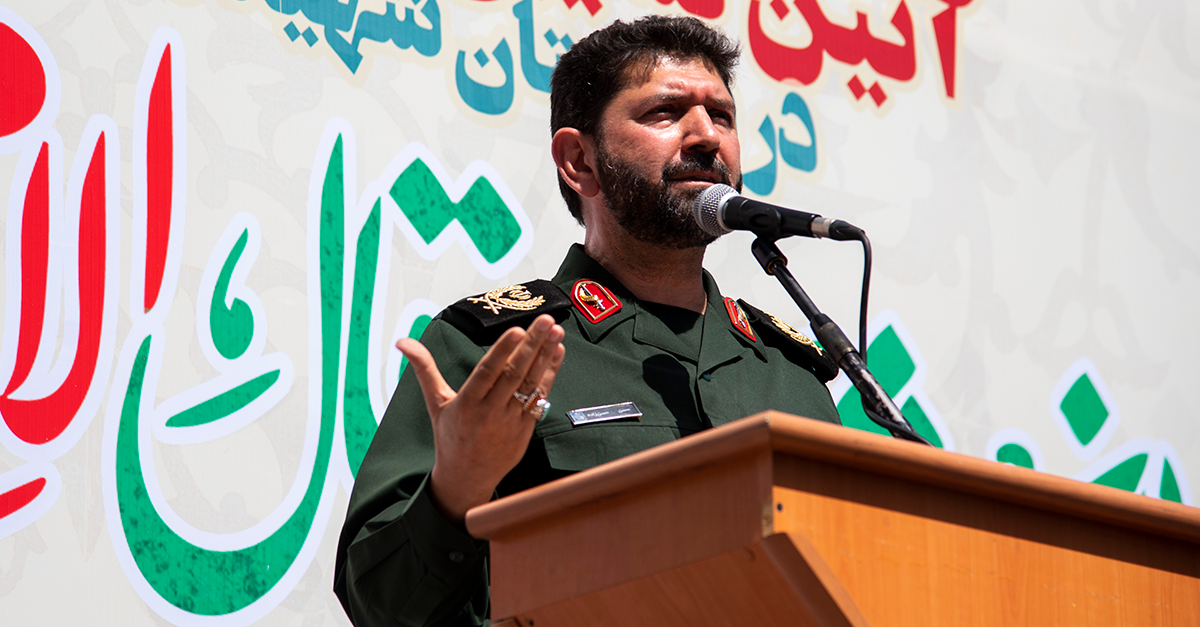
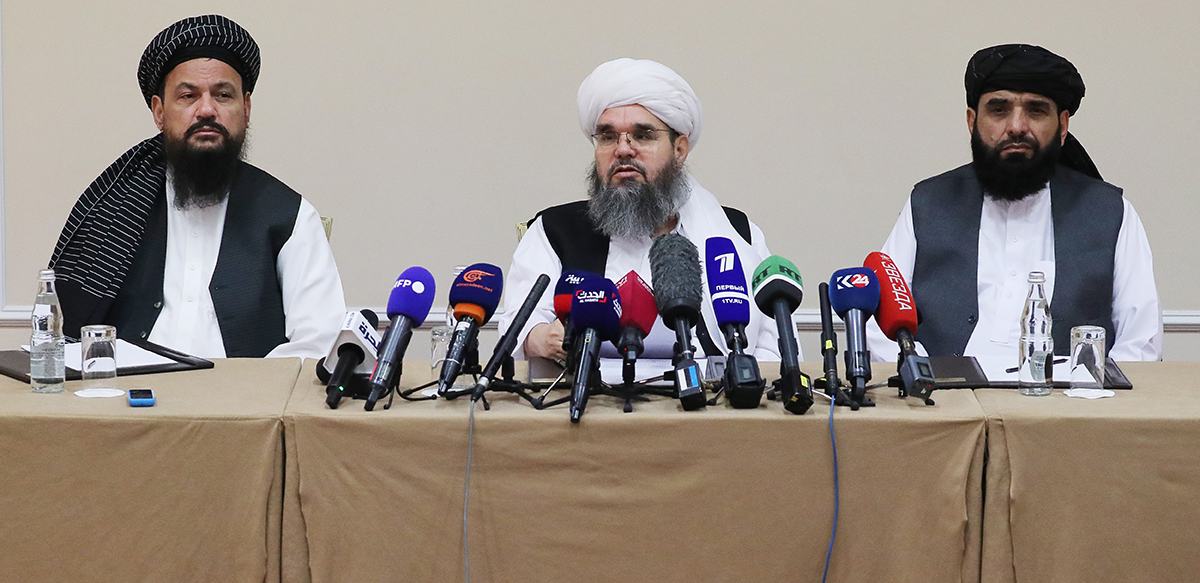
Tehran’s policy toward the Afghan Taliban has created new clashes within Iranian government circles. These clashes recently escalated as influential hard-line media and associates of the Islamic Revolutionary Guard Corps (IRGC) made public efforts to portray the Taliban in a positive light.
Missing the bigger implications of US withdrawal from Afghanistan
As the United States exits from Afghanistan, on the eve of the 20th anniversary of the 9/11 attacks, it is important to reflect on the broader and longer-term reverberations of that withdrawal. In examining the withdrawal, peace process, and the recent dynamic of militia building and Taliban control, it’s becoming clear that a different transnational threat to U.S. interests is emerging.
Afghanistan’s neighbors contend with Taliban at their borders
The U.S. withdrawal from Afghanistan is not yet complete, but Afghanistan’s neighbors are already contending with its fallout as they face the immediate spillover of the conflict into their respective territories. The insurgency has reached the borders of all of Afghanistan’s neighbors, who are choosing to both engage the Taliban while also bolstering defensive and deterrent measures to contain the insurgency. While the net loser in all this is the Afghan state, the Taliban may be overplaying their hand. Should they rule most of Afghanistan, they could end up governing an isolated country deprived of the foreign aid it needs to function.
The United States and Pakistan have had a complex and often disappointing “love-hate” relationship since 1947 — one severely tested during the 20-year U.S.-led intervention in Afghanistan. We believe the time has come for serious policy consideration of whether and how both nations can achieve a more strategically beneficial and sustainable post-intervention relationship between the American and Pakistani governments and their populations
After Afghanistan: Western militaries and the rise of new strategic threats
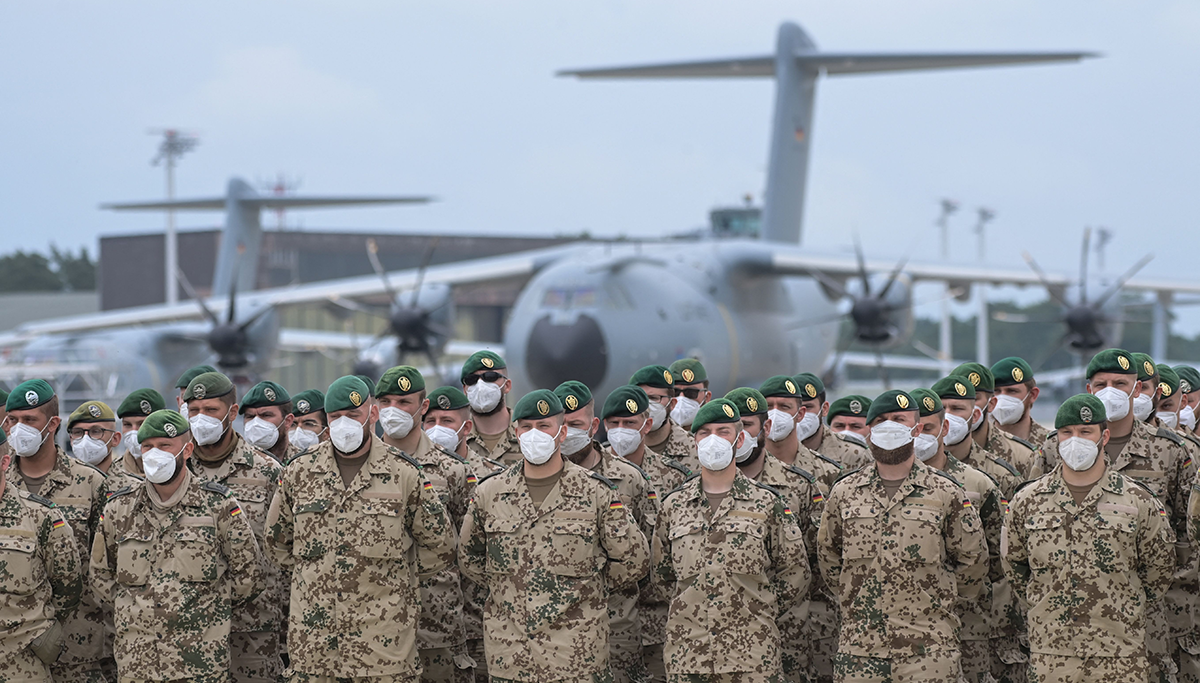
The withdrawal from Afghanistan marks the end of a historic chapter. It involves more than just the conclusion of a drawn-out international military engagement in Afghanistan. Rather, it signals the end of a decades-long phase in which Western militaries placed the broader Middle East and the fight against international terrorism at the center of their strategic attention. With competition between the great powers on the rise, Western militaries have realized their current vulnerabilities vis-à-vis near-peer competitors and the need to shift gears.
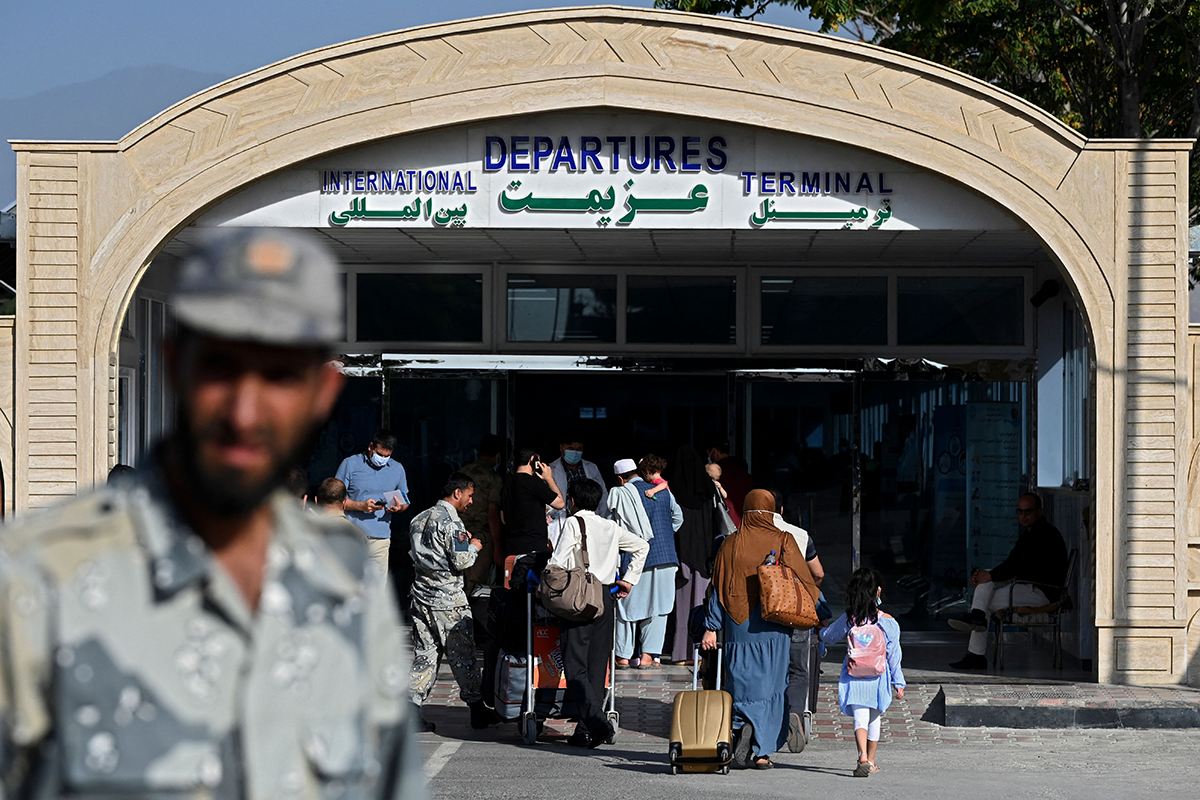
In a politically significant statement, Turkish President Recep Tayyip Erdoğan has asked the Afghan Taliban to “end the occupation of their brothers’ soil.” This follows a Taliban warning of severe consequences if Turkey were to remain in charge of security at Kabul Airport after the exit of American troops. Erdoğan’s message is likely to be interpreted differently by different stakeholders in the unfolding Afghan tragedy, a situation characterized by escalating violence, political uncertainty, and regional chaos.
Marvin Weinbaum, Husain Haqqani, and Mick Mulroy join host Alistair Taylor to discuss the future of Afghanistan following the imminent US military withdrawal.
At the very least we need to provide our Afghan partners with direct air support
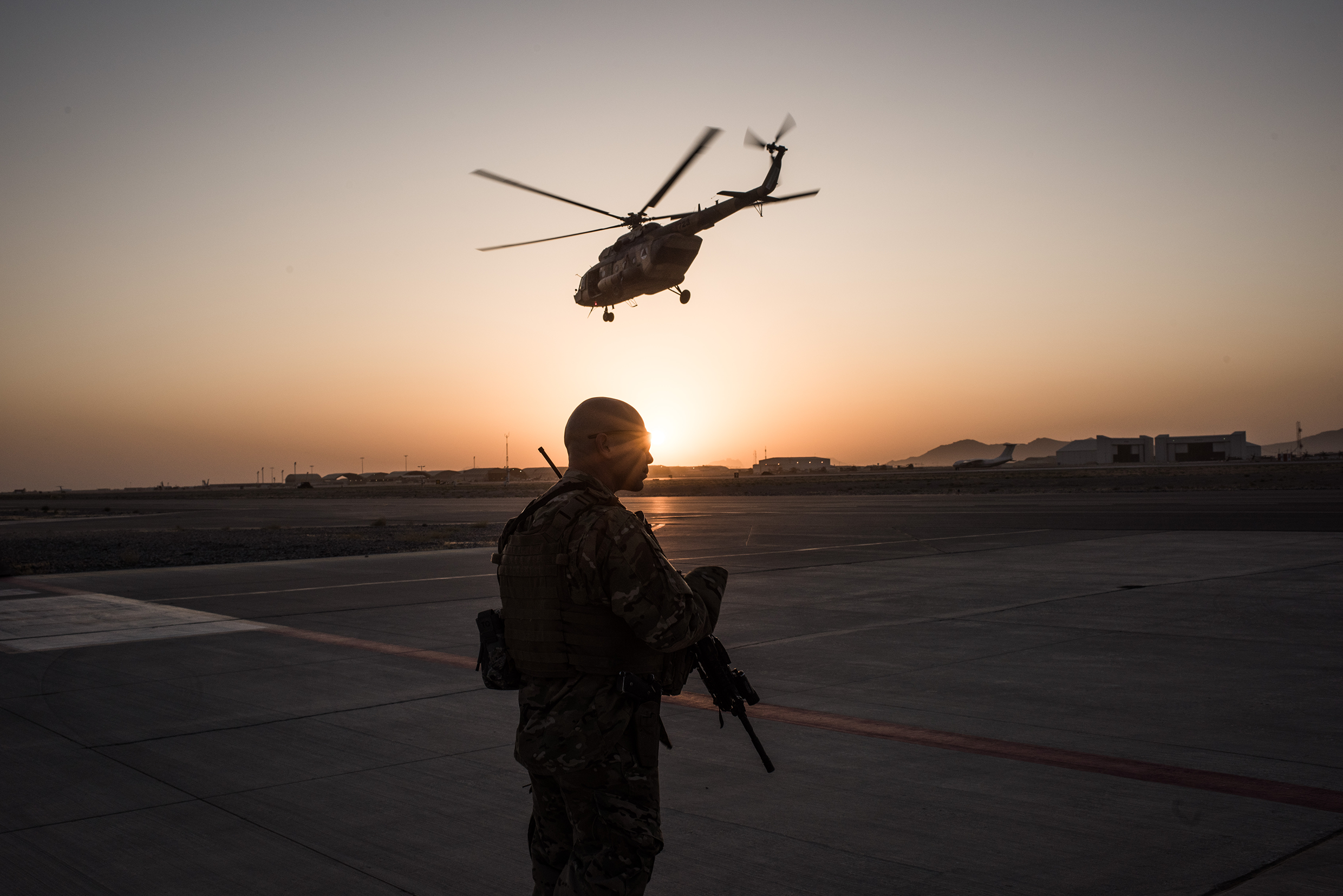
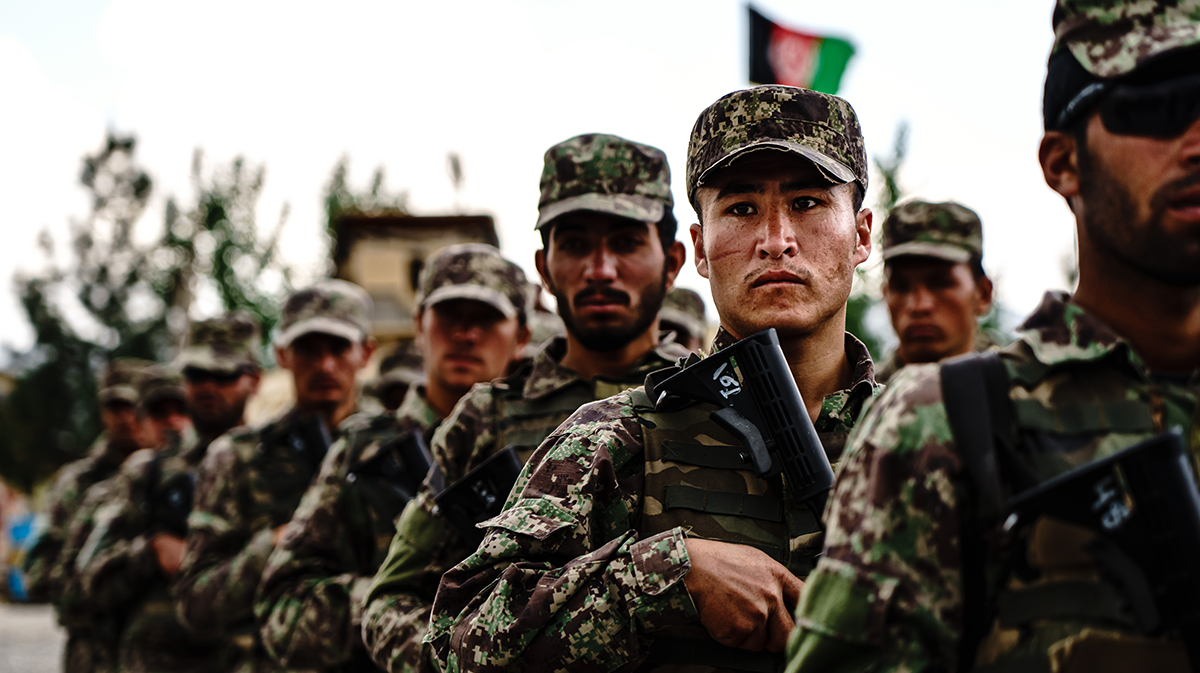
The decision to withdraw the relatively small number of U.S. troops from a supporting role to our Afghan partners to preserve our hard-fought-for gains in Afghanistan was a mistake.
Russia’s “troubleshooting tactics” with the Taliban
As U.S. forces continue to draw down from Afghanistan, the Taliban are rapidly filling the void by occupying large new swaths of territory and key military infrastructure. Last week the movement announced it controlled up to 85% of the country. With hundreds of Afghans, including members of the military, crossing the border to the neighboring former Soviet republics of Tajikistan and Uzbekistan, speculation over the potential destabilization of Central Asia is mounting. Many regional governments are looking to Moscow for support and defense.
Mr. President, keep the military advisers in Afghanistan
Even the most ardent supporters of President Joe Biden’s decision to withdraw all American troops from Afghanistan recognize the inherent tension in his policy. Biden promised Afghanistan’s top leaders in a recent meeting at the White House that he would maintain U.S. material support to the country. But ensuring a “sustained” partnership with a politically fragile Afghan government requires first and foremost an Afghan force that’s capable of defending that government, providing some security across the country, containing the Taliban, and preventing terrorists from once again setting up shop and plotting attacks worldwide like they did on 9/11.
The Pakistan Factor in China’s Afghanistan Policy: Emerging Regional Faultlines amid US Withdrawal
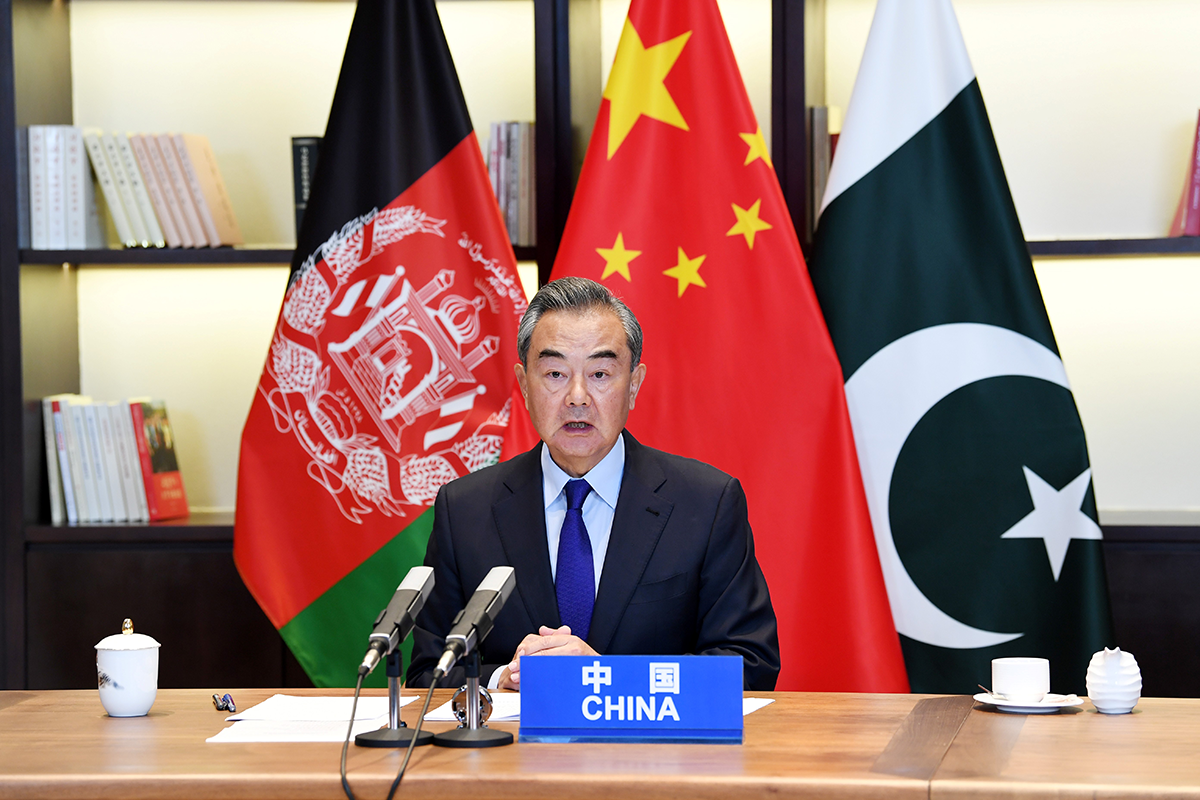
To date, China has largely relied on Pakistan to conduct its Afghan policy. Not much bothered about the future political role of the Taliban, China fears the prospect of instability in Afghanistan after the U.S. exit. Beijing’s primary concern in a post-U.S. Afghanistan, which is likely to be run by a regime dominated by the Taliban, is that Uyghur separatists and ETIM might find a safe haven.
Madiha Afzal, Syed Mohammad Ali, and Marvin Weinbaum join host Alistair Taylor to discuss a range of issues facing Pakistan, from the implications of the U.S. military withdrawal from Afghanistan, to its bilateral relations with India, China, Saudi Arabia, and the United States under the Biden administration.