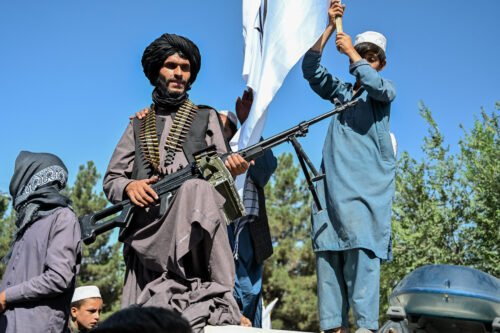
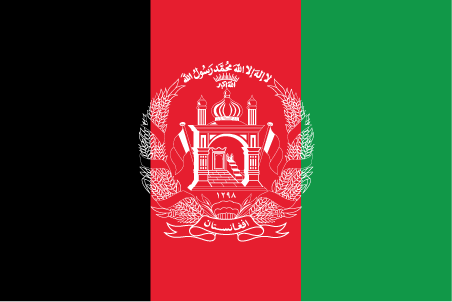
I was a teenage Afghan refugee in Pakistan’s tribal areas when the Twin Towers fell. Almost nobody around us understood the politics of what had happened, but we knew that something had changed for good. Afghanistan, which until then had been our private tragedy and our first exile from Taliban rule, had suddenly become the world’s concern, with the United States leading the response.
United States Central Command (CENTCOM), one of the US Department of Defense’s (DoD) six geographical combatant commands, is responsible for countering threats, responding to crises, and strengthening regional stability in the Middle East, Central Asia, and parts of South Asia.
A Strategic Conundrum: Pakistan’s Transit Corridor to Iran as Lifeline or Liability
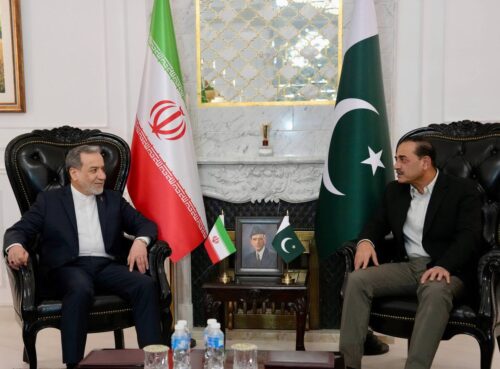
The US-Iran standoff over the Strait of Hormuz — disruptive to global trade and energy flows, and devastating for debt-burdened economies — has handed Pakistan an unexpected geoeconomic opportunity, one that may persist even if the framework agreement announced on June 14 results in a lasting peace and permanent reopening of the strait. But seizing it will have interlocking consequences for Islamabad’s ties with Tehran, Washington, and the Gulf states.
Afghanistan: Looking Ahead to the Next Fighting Season
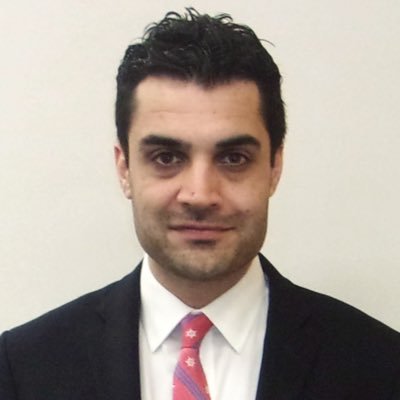
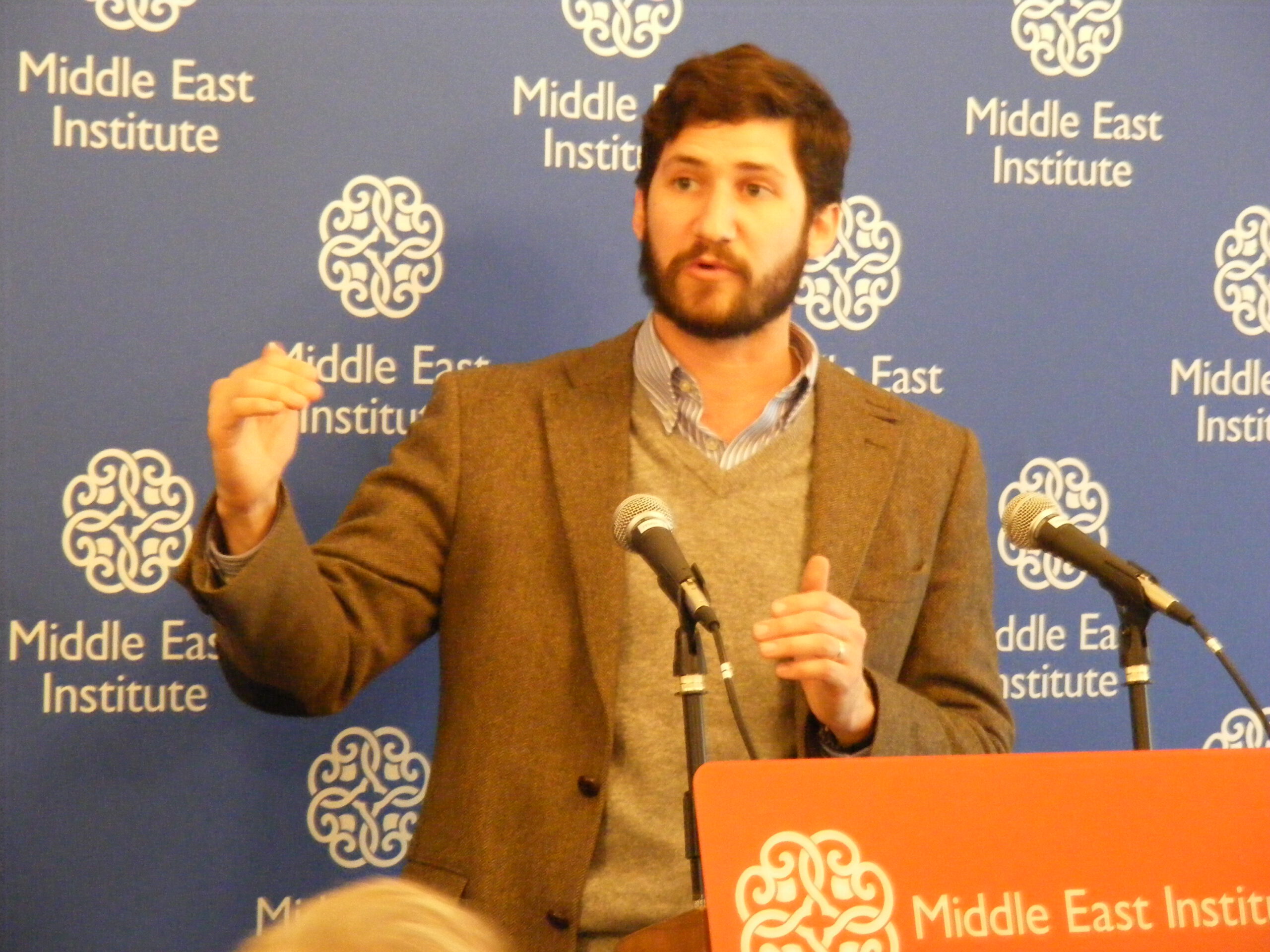
The Middle East Institute presents a lecture and discussion with Andrew Exum, Fellow at the Center for A New American Security, assessing the possibility of a new Taliban insurgency in Afghanistan and its ramifications for U.S. strategy there. The past six months have seen some remarkable successes in southern Afghanistan. But if hard-won security gains collapse in the face of a renewed Taliban offensive in 2011, the NATO strategy to secure Afghanistan will be in grave danger.
America's War on Terror After Iraq and Afghanistan
The Middle East Institute hosts a lecture and discussion with Mark N. Katz, examining the impact of the current and future US withdrawals from Iraq and Afghanistan on Islamic radicals. Katz argues that the US withdrawals from both countries will lead radicals to conclude they have defeated the US in the "War on Terror" and that US regional strength is on the decline. This, he argues, will spur Islamic radicals to seek further gains elsewhere.
Few question the desirability of finding a political resolution to the Afghan conflict or doubt Pakistan’s pivotal role. The growing divide of opinion in this country is over how best to achieve that outcome. One camp led by our military strategists insists that various political agreements are likely to result from accumulated military successes, sustained by Afghan governance reforms and economic improvements. Visible counterinsurgency gains are expected to gradually wean fighters away from the ranks of the insurgency.
This Commentary first appeared in McClatchy News on January 5, 2011.
The assassination of Salman Taseer, the governor of Punjab, Pakistan's largest province, has illustrated the increasingly chaotic environment in that country, which only promises to get worse in the new year. Weeks before his death, Taseer had the courage to say what his fellow politicians were unwilling to: that Pakistan's blasphemy law must be repealed in order for Pakistan to enter the community of modern nations.
With Pakistan caught up in four wars during the past nine years — the Afghanistan war, the War on Terror, the insurgency in the tribal areas, and the wave of terrorism unleashed by the Tehrik-i-Taliban (TTP) and the Punjabi Taliban in the rest of the country — it has often been said that the country is facing an existential threat. If this was a cliché before, it is no more so after the catastrophic floods. Pakistan had been living dangerously in the past, but the wars and floods threaten to wash away its future.
The Struggle for a Democratic Future in Afghanistan: The 2010 Parliamentary Elections
The Middle East Institute is proud to host Marvin Weinbaum, scholar at the Middle East Institute, and Caroline Wadhams, Director for South Asia Security Studies at the Center for American Progress, for a discussion on the outcomes and impact of the recent parliamentary elections in Afghanistan. Recently returned from Afghanistan, where
The Middle East Institute is proud to host Mr. Habibullah Khan, current head of the Federally Administered Tribal Areas (FATA) Secretariat, to discuss the security, policy, and cultural challenges surrounding the integration of FATA into Pakistan's mainstream political system. In his talk, Mr. Khan will highlight the primary characteristics of life in the tribal areas and outline the present governance system.